Diagram Of Female Sexual Anatomy

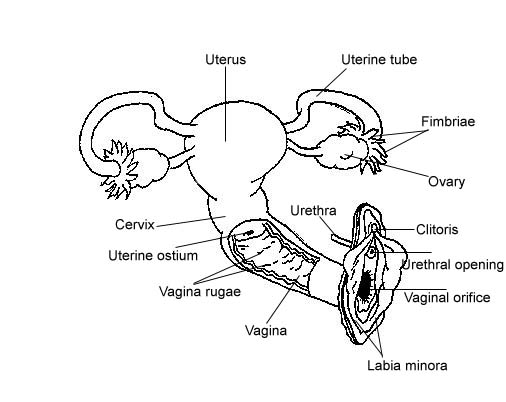
Let's talk about something that's often considered taboo, but is actually really interesting - female sexual anatomy. It's amazing how much there is to learn about the human body, and the female reproductive system is no exception. From the vulva to the cervix, there are so many fascinating parts that work together to make everything function properly.
One of the most entertaining things about learning about female sexual anatomy is all the misconceptions that people have. For example, many people think that the clitoris is just a small button, but it's actually a much larger organ that extends deep into the body.
Understanding the different parts of the female reproductive system can help to demystify sex and make it more enjoyable for everyone involved.
Getting to Know the Basics
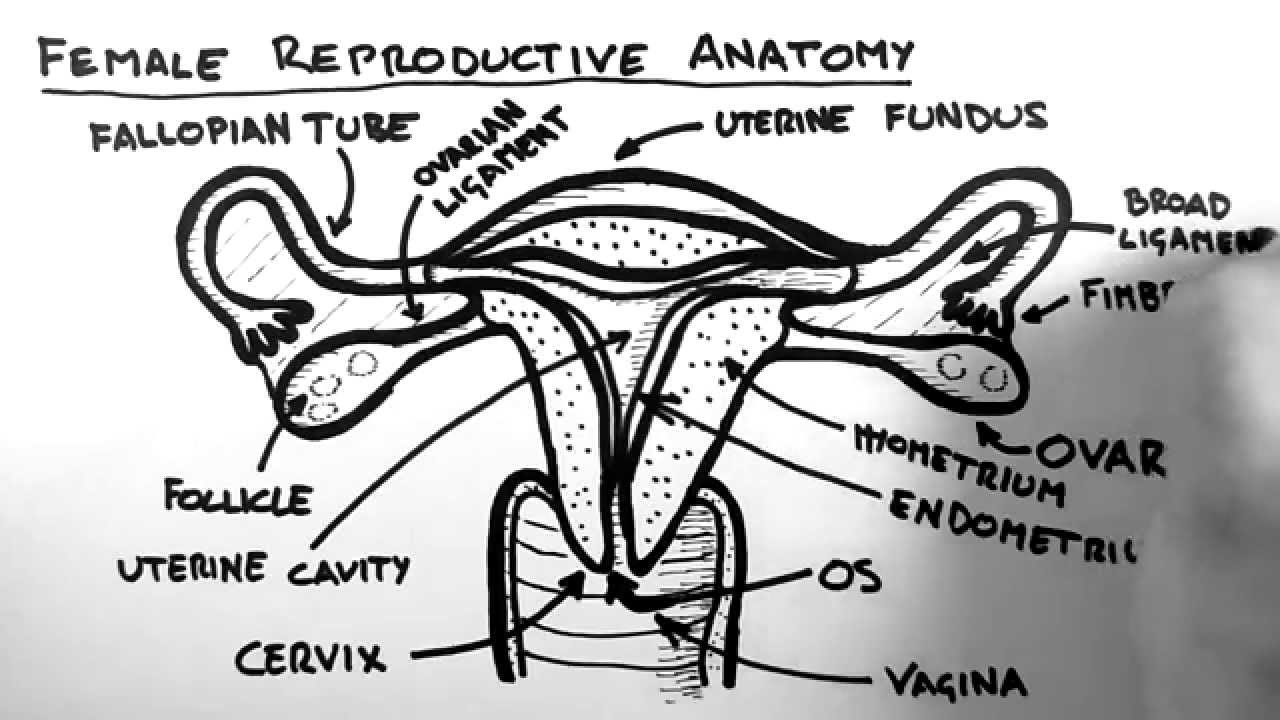
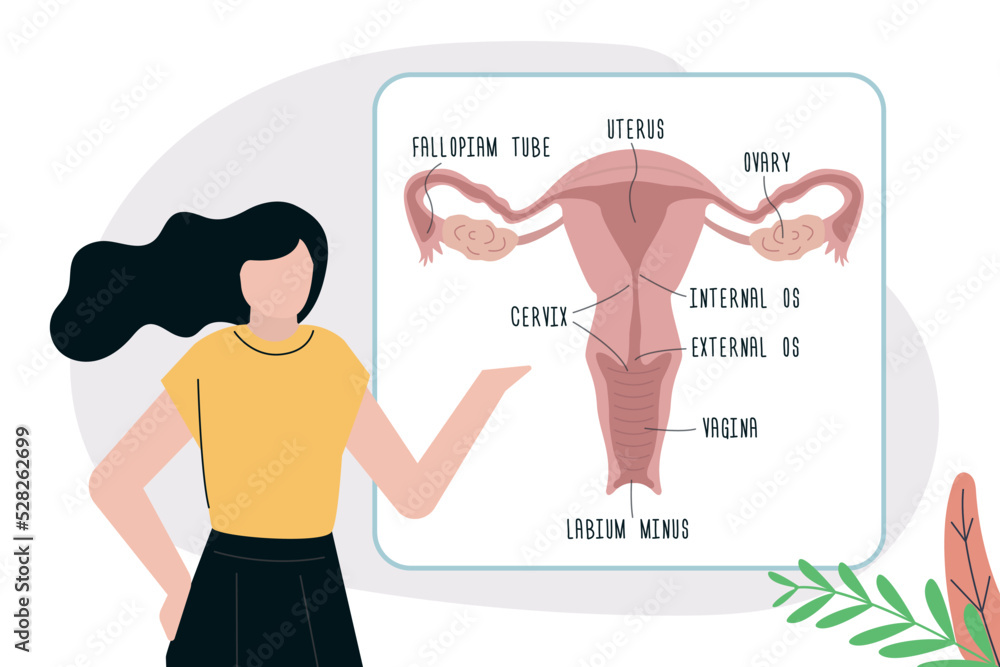
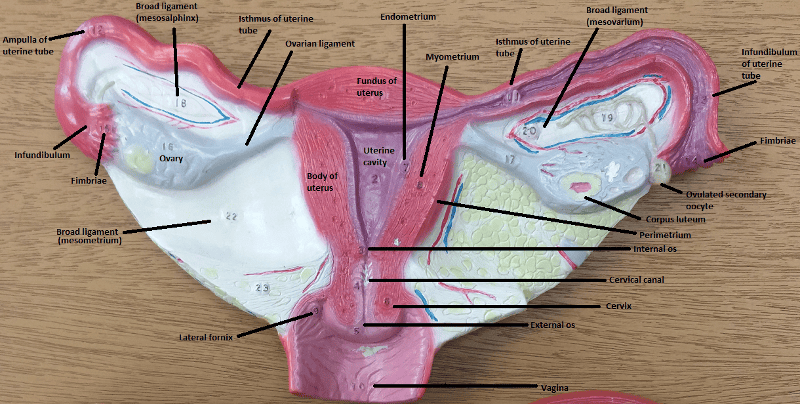
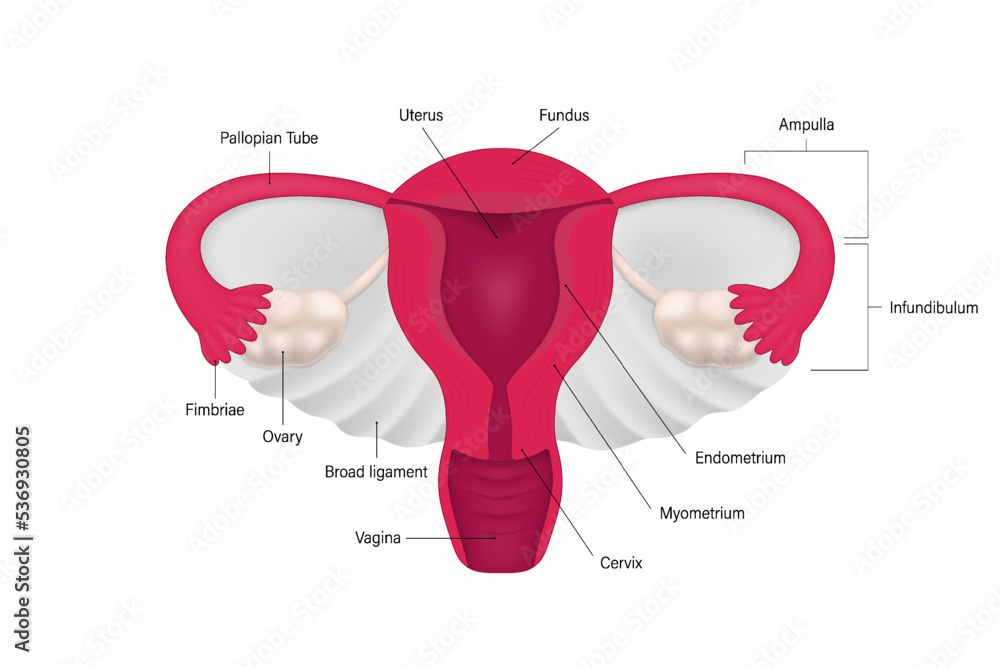
So, let's start with the basics - the vagina, cervix, uterus, and ovaries are all key players in the female reproductive system. The vagina is the canal that connects the outside of the body to the uterus, which is where a fetus grows during pregnancy. The cervix is the lower part of the uterus that opens into the vagina, and the ovaries produce eggs that can be fertilized by sperm.
Must Read
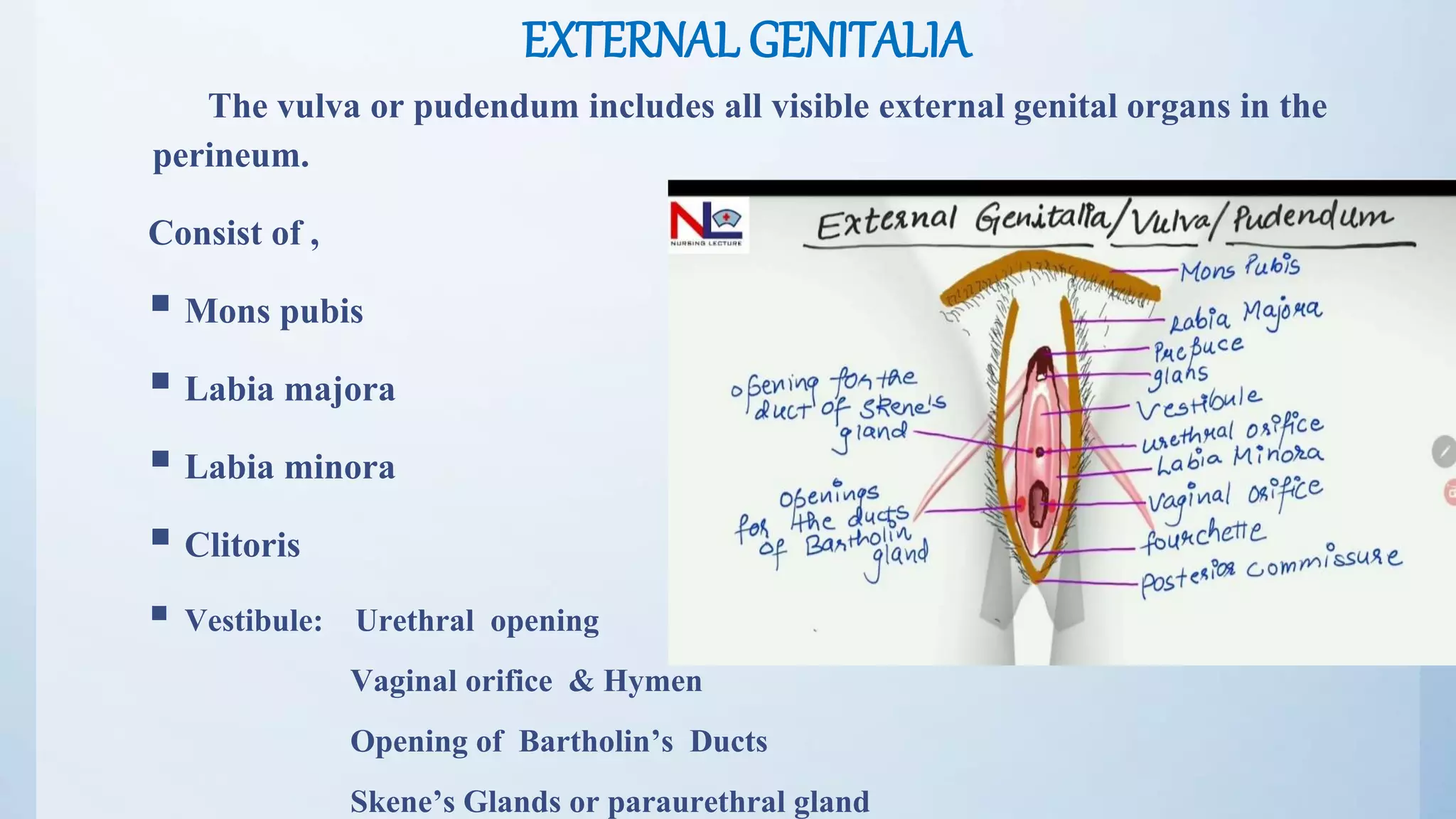
But there's more to female sexual anatomy than just the basics - there are also lots of other interesting parts like the labia, clitoral hood, and perineum. The labia are the folds of skin that surround the vagina and urethra, and the clitoral hood is the skin that covers the clitoris. The perineum is the area between the vagina and anus, and it's a sensitive spot that can be pleasurable to touch.
Learning about female sexual anatomy can be really empowering, especially for women who may not have learned about their own bodies in school. Sex education is important for everyone, and understanding how the female reproductive system works can help people to make informed decisions about their health and well-being. By taking the time to learn about female sexual anatomy, people can gain a better understanding of their own bodies and how to take care of them.
Exploring the Unknown
There's still so much that we don't know about female sexual anatomy, and scientists are continually making new discoveries. For example, researchers have recently found that the clitoris has a much more complex structure than previously thought, with many more nerve endings than the penis.
These findings have the potential to revolutionize the way we think about sex and pleasure, and could lead to new treatments for sexual dysfunction.
Despite all the advances that have been made, there's still a lot of stigma surrounding female sexual anatomy. Many people are uncomfortable talking about sex and reproduction, and this can make it difficult for women to get the healthcare they need. By promoting education and awareness, we can work to break down these barriers and create a more open and honest dialogue about female sexual anatomy.
So, why not take some time to learn more about female sexual anatomy? It's a fascinating topic that's full of surprises, and understanding how the female reproductive system works can be really liberating. Whether you're a healthcare provider, a sex educator, or just someone who's curious about the human body, there's always more to learn about this amazing and complex system.
In conclusion, female sexual anatomy is a really interesting and important topic that deserves more attention. By learning about the different parts of the female reproductive system and how they work together, people can gain a better understanding of their own bodies and how to take care of them. So, let's keep the conversation going and work to promote education and awareness about female sexual anatomy - it's an important step towards creating a more inclusive and sex-positive society.