Cramping 3 Days After Intercourse

So, you had a fun night with your partner, and everything seemed perfect - the chemistry was there, the mood was set, and you both felt connected. But, fast forward three days, and you're suddenly hit with cramps that make you wonder if it's related to the intimate encounter you had. I mean, who hasn't been there, right, questioning every little twinge and ache, thinking "is this normal?"
First things first, let's get real here - cramping after sex is more common than you think, and it's not always a cause for concern. But, I know, it's hard not to worry when you're curled up in a ball, clutching your stomach, and wondering what's going on inside your body. So, let's dive in and explore the possible reasons behind this uncomfortable phenomenon.
What's happening in your body?
Your body is like a complex machine, with various systems working together in harmony, and sometimes, things can get a little out of whack. During intercourse, your uterus contracts, which can lead to cramping - it's like your uterus is doing its own little workout, getting all excited and whatnot. And, if you're prone to heavy periods or have a history of endometriosis, you might be more likely to experience cramping after sex.
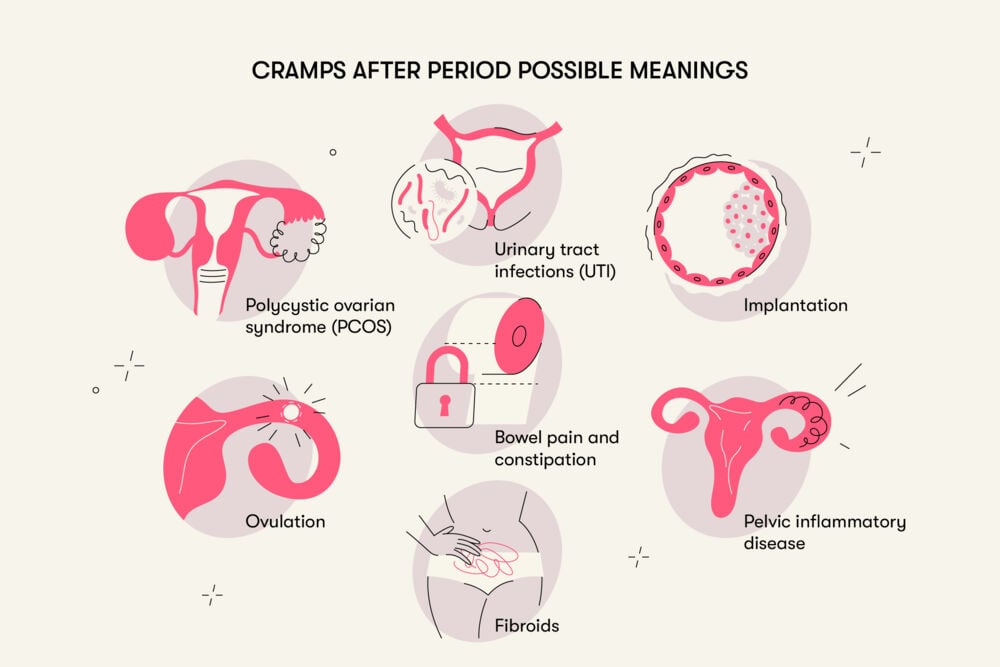
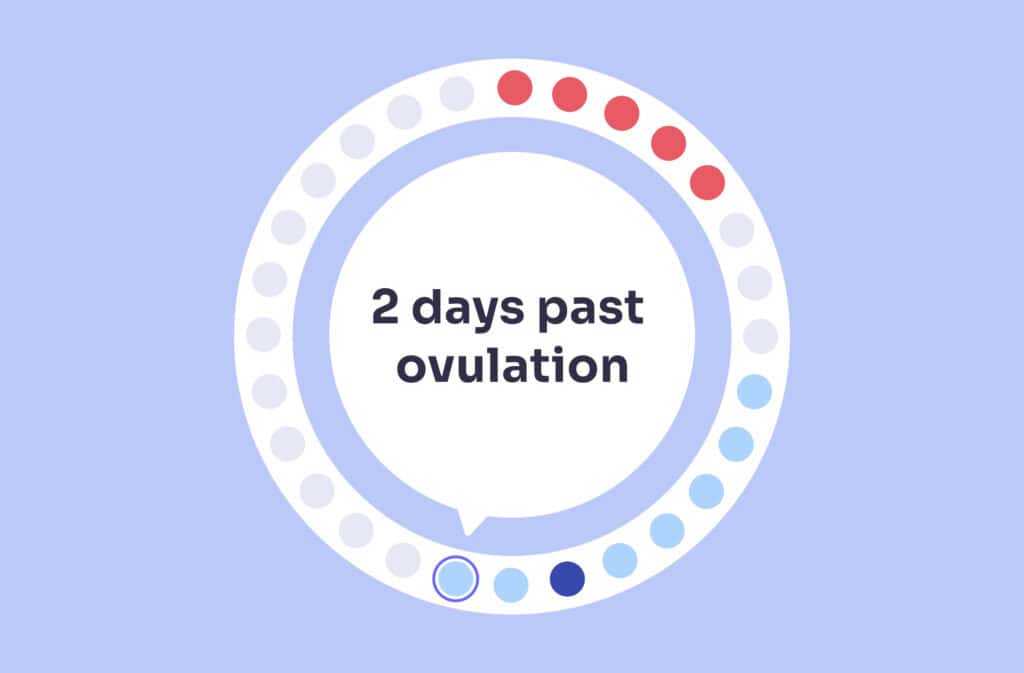
But, here's the thing - cramping three days after intercourse might not be directly related to the sex itself, but rather to ovulation or other underlying conditions. You see, around day 14 of your menstrual cycle, you ovulate, which can cause mid-cycle cramping - it's like your body is saying, "hey, I'm getting ready for a potential pregnancy". And, if you have conditions like polycystic ovary syndrome (PCOS) or pelvic inflammatory disease (PID), you might experience more severe cramping.

Other possible culprits
Now, let's not forget about other potential causes of cramping, like constipation or gas - yes, you read that right, gas! It's like your body is all, "hey, I've got a bit of a gas bubble going on, and it's going to make your stomach cramp". And, if you're someone who experiences anxiety or stress, you might be more prone to tension cramps - it's like your body is all tense and wound up.
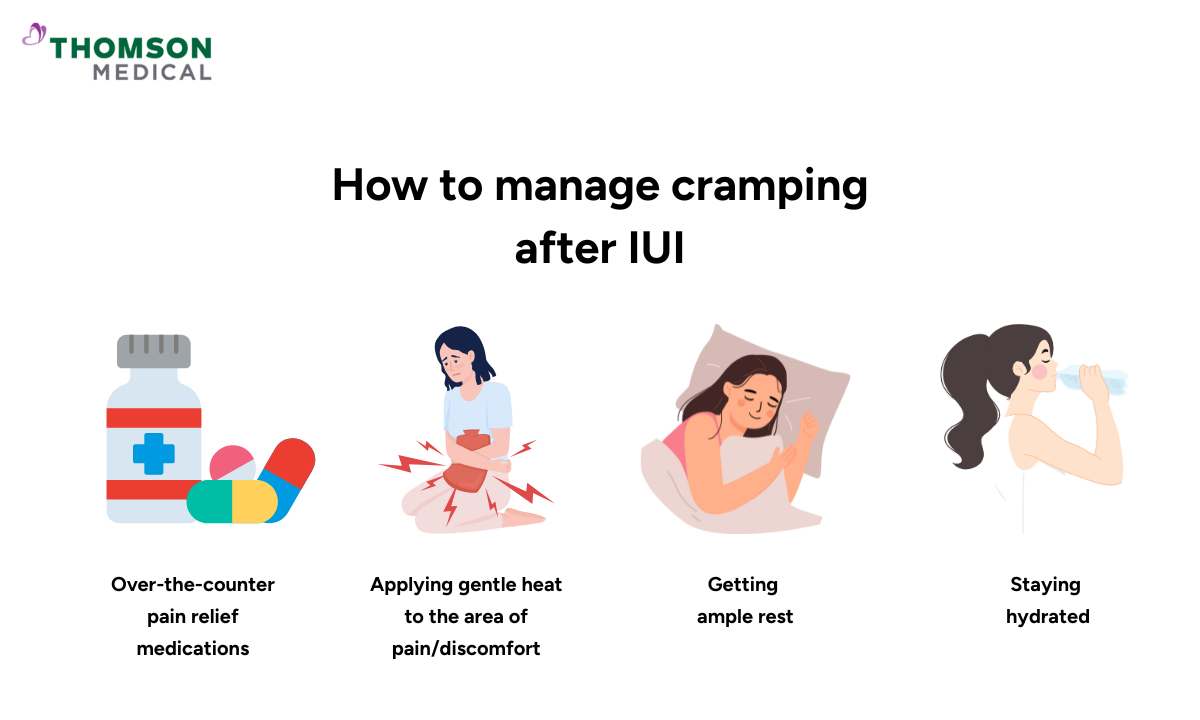
So, what can you do to alleviate these cramps? Well, for starters, try over-the-counter pain meds like ibuprofen or acetaminophen - they can help ease the discomfort. You can also try applying heat to your lower abdomen, either with a warm bath or a heating pad - it's like giving your uterus a big
Lastly, remember that it's essential to listen to your body and not brush off any persistent or severe symptoms. If you're experiencing heavy bleeding, severe pain, or other concerning symptoms, don't hesitate to reach out to your healthcare provider - they're there to help you, and it's always better to be safe than sorry. So, take a deep breath, and try to relax - your body will thank you for it.
And, on a parting note, remember that your body is unique, and what works for someone else might not work for you. So, be patient, and don't be afraid to explore different options until you find what works best for you. After all, it's all about understanding your body and finding ways to make it happy and healthy - and, if that means having a few conversations with your doctor, then so be it.



:max_bytes(150000):strip_icc()/HowPeriodvs.EarlyPregnancyCrampsFeel-illo-32b164c42e3542f98223b072b38a8161.jpg)