Circumcised Or Not Circumcised Which Is Better
The debate over whether to be circumcised or not circumcised has been a longstanding one, with roots tracing back to ancient civilizations. The practice of circumcision, which involves the removal of the foreskin from the human penis, has been observed in various cultures for thousands of years, with each having its own set of reasons and beliefs behind the ritual. In modern times, the discussion has evolved to encompass not just religious or cultural aspects but also health, hygiene, and personal choice. The question of which is better, to be circumcised or not, depends on a multitude of factors including health benefits, cultural identity, and personal preference.
The history of circumcision is as fascinating as it is complex, with evidence of the practice found in ancient Egyptian, Greek, and African cultures, among others. In some societies, circumcision was a rite of passage, symbolizing the transition from boyhood to manhood. For others, it was a matter of hygiene and health, believed to prevent certain diseases and conditions. Today, the discussion around circumcision is more nuanced, with arguments for and against the practice that span medical, ethical, and personal grounds. As we delve into the intricacies of this topic, it becomes clear that there is no straightforward answer, and the decision whether to be circumcised or not depends on a careful consideration of various factors.
Exploring the Depths of Circumcision
Beneath the surface of the circumcision debate lie lesser-known facts and psychological aspects that influence individual decisions and societal attitudes. For instance, the psychological impact of being circumcised or not can vary significantly among individuals, with some experiencing anxiety or insecurity related to their genital appearance, while others feel indifferent or positively about their bodies. Furthermore, cultural impact plays a crucial role, as the prevalence and acceptance of circumcision vary greatly across different cultures and communities. Understanding these facets is essential for fostering a balanced and informed discussion around the topic.
Must Read
The cultural significance of circumcision cannot be overstated, as it often reflects deeper values and beliefs within a society. In some cultures, circumcision is seen as a necessary step towards manhood, while in others, it is viewed with skepticism or even as a form of mutilation. These diverse perspectives underscore the complexity of the issue, highlighting the need for empathy and understanding in discussions around circumcision. Moreover, the role of education and awareness in shaping attitudes towards circumcision is critical, as informed decision-making can help individuals and families navigate this sensitive topic with greater confidence and clarity.
As we explore the psychological and cultural dimensions of circumcision, it becomes apparent that personal choice and informed decision-making are paramount. Individuals and families must be equipped with accurate, unbiased information to make decisions that align with their values, beliefs, and circumstances. This involves considering not just the potential health benefits of circumcision but also the ethical implications and personal preferences that influence such decisions. By fostering open, respectful dialogue and ensuring access to comprehensive information, we can work towards a future where choices regarding circumcision are made with greater ease and confidence.
Navigating Real-Life Scenarios and Decision-Making
In real-life scenarios, the decision to be circumcised or not is often influenced by a combination of factors, including medical advice, personal beliefs, and cultural norms. For expectant parents, this decision can be particularly challenging, as they weigh the potential benefits and drawbacks of circumcision for their newborns. On one hand, health organizations have highlighted certain benefits of circumcision, such as reduced risks of urinary tract infections and some sexually transmitted diseases. On the other hand, critics argue that these benefits do not outweigh the risks and ethical concerns associated with the procedure.

For individuals considering circumcision later in life, the decision is often driven by personal reasons, such as concerns about hygiene, sexual performance, or body image. In such cases, consulting with healthcare professionals is essential to understand the potential outcomes and complications of the procedure. Moreover, support networks, whether online communities or support groups, can provide valuable insights and reassurance for those navigating this significant decision.
Case studies and personal anecdotes offer powerful insights into the diverse experiences of individuals who have chosen to be circumcised or remain uncircumcised. These stories highlight the importance of informed consent and the need for respectful dialogue around personal choices. By sharing and listening to these experiences, we can foster a more inclusive and supportive environment for individuals to make decisions that are right for them.
Ultimately, the decision whether to be circumcised or not is a deeply personal choice that should be respected and supported. By promoting education, understanding, and open dialogue, we can empower individuals and families to make informed decisions that align with their values and priorities. This involves not just considering the medical and health aspects of circumcision but also the emotional and psychological implications of such a decision.
Frequently Asked Questions and Detailed Insights
What are the health benefits of circumcision?
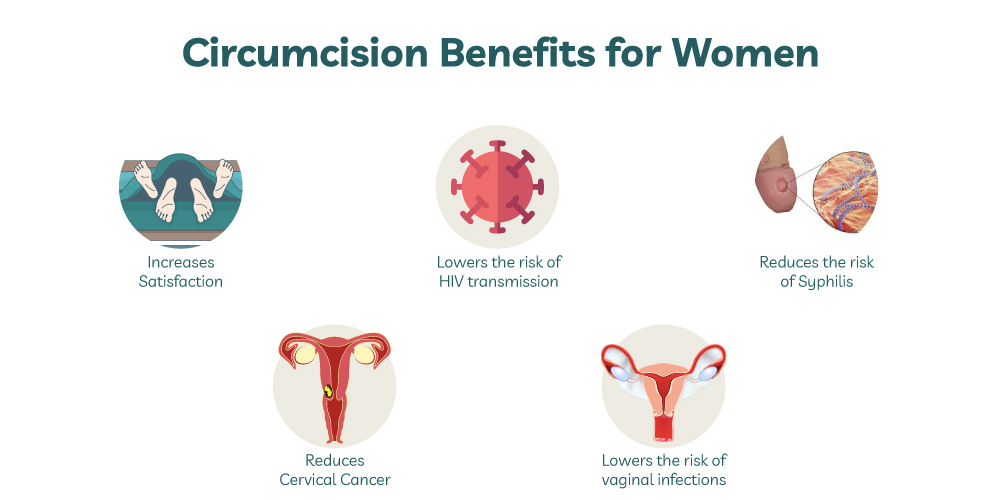
The health benefits of circumcision have been a subject of extensive study and debate. Proponents of the practice argue that it can reduce the risk of certain health issues, including urinary tract infections, penis cancer, and some sexually transmitted diseases. For instance, studies have shown that circumcised males have a lower risk of contracting HIV and other sexually transmitted infections. However, critics argue that these benefits can be achieved through other means, such as proper hygiene and safe sexual practices, and that the risks associated with the procedure, including pain, bleeding, and potential complications, should not be overlooked.

Understanding the potential health benefits of circumcision is crucial for individuals and families considering the procedure. It involves weighing the evidence and consulting with healthcare professionals to make an informed decision. Moreover, recognizing that health benefits are just one aspect of the decision-making process is essential, as personal, cultural, and ethical considerations also play significant roles. By approaching the topic with a balanced perspective, individuals can navigate the complexities of circumcision and make choices that are right for them.
How does circumcision impact sexual function and pleasure?
The relationship between circumcision and sexual function is complex and has been the subject of much debate. Some studies suggest that circumcision can reduce penile sensitivity, potentially impacting sexual pleasure. However, other research indicates that the impact of circumcision on sexual function is minimal or negligible. Personal experiences vary widely, with some individuals reporting no difference in sexual pleasure or function, while others may experience changes, either positive or negative.
It is essential to approach this topic with sensitivity and recognition of the diversity of human experience. Communication with partners and healthcare providers can help individuals better understand the potential effects of circumcision on sexual function and pleasure. Moreover, education and awareness about sexual health, including the importance of open dialogue and mutual respect in sexual relationships, are crucial for fostering healthy and fulfilling sexual experiences, regardless of circumcision status.
What are the ethical considerations surrounding circumcision?
The ethical considerations surrounding circumcision are profound and multifaceted. At the heart of the debate is the question of informed consent, particularly in the case of infant circumcision, where the individual cannot provide consent for themselves. Critics argue that performing a non-therapeutic surgical procedure on a minor without their consent raises significant ethical concerns. Moreover, the rights of the child and the principles of bodily autonomy and self-determination are central to this discussion.

Navigating these ethical considerations requires a deep respect for human rights and dignity. It involves recognizing the complexity of the issue and engaging in open and respectful dialogue with diverse perspectives. By prioritizing education, awareness, and informed decision-making, we can work towards a more ethical and compassionate approach to circumcision, one that respects the autonomy and dignity of all individuals involved.
How does cultural identity influence decisions about circumcision?
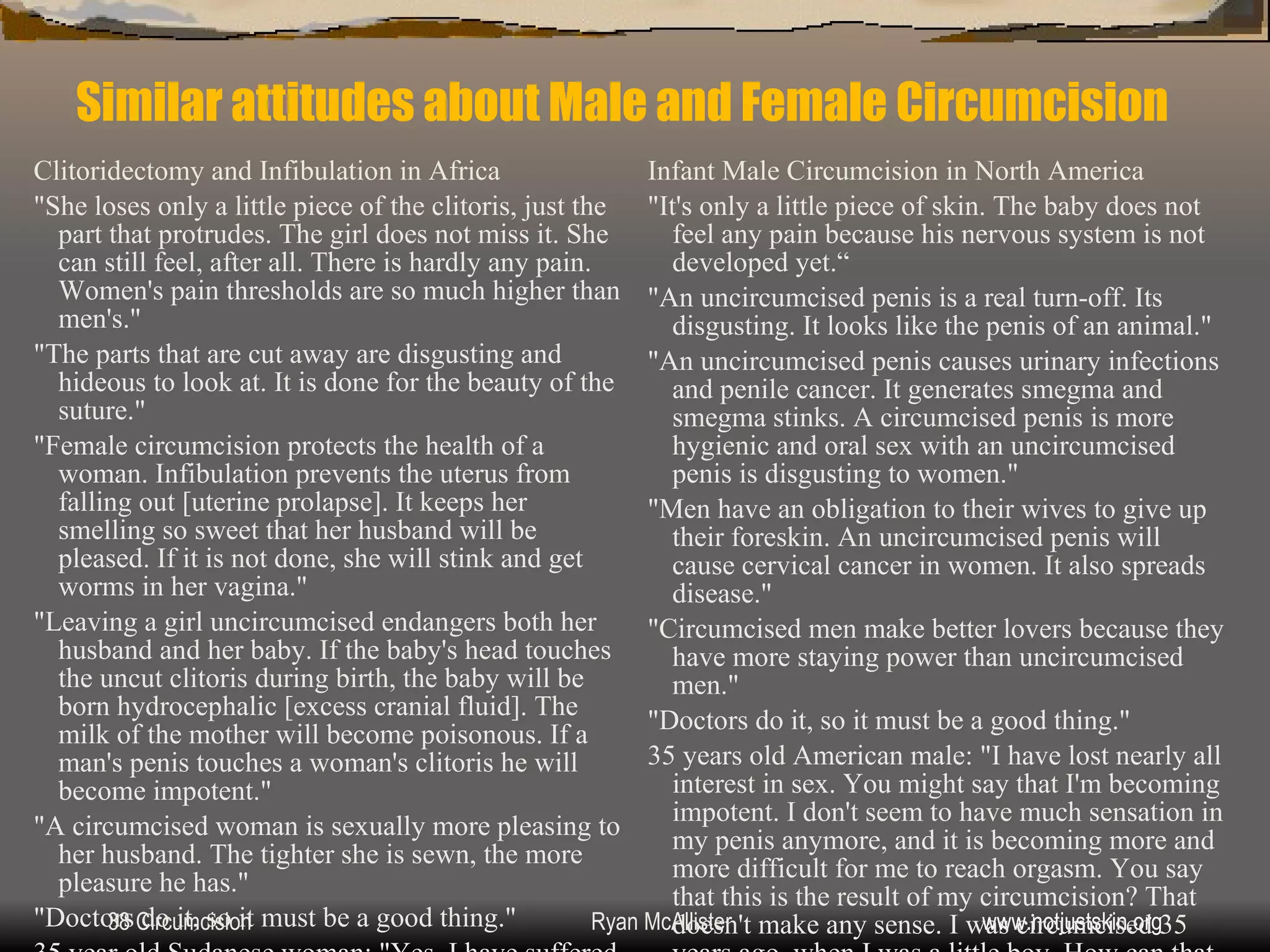
Cultural identity plays a significant role in shaping attitudes and decisions about circumcision. In some cultures, circumcision is a deeply ingrained practice, often tied to religious beliefs, traditions, and community norms. For individuals from these backgrounds, the decision to be circumcised or not may be influenced by a desire to maintain cultural and religious traditions. Conversely, in cultures where circumcision is less prevalent or viewed skeptically, individuals may be more likely to question or reject the practice.
Understanding and respecting the cultural contexts of circumcision is essential for fostering a more inclusive and supportive environment. This involves recognizing the diversity of cultural practices and beliefs surrounding circumcision and approaching the topic with sensitivity and open-mindedness. By doing so, we can promote cross-cultural understanding and support individuals in making decisions that align with their cultural identities and personal values.
What resources are available for individuals considering circumcision or dealing with its aftermath?
For individuals considering circumcision or dealing with its aftermath, a variety of resources are available to provide support and guidance. Healthcare professionals, including doctors and nurses, can offer medical advice and address any concerns or questions about the procedure. Additionally, counseling services can help individuals cope with any emotional or psychological impacts of circumcision. Support groups, both online and in-person, provide a space for individuals to share their experiences and connect with others who have gone through similar situations.
Access to accurate and unbiased information is also crucial for making informed decisions about circumcision. This includes consulting reliable health websites, medical journals, and books on the subject. Furthermore, open communication with partners, family, and friends can provide emotional support and help individuals feel more confident in their decisions. By leveraging these resources, individuals can navigate the complexities of circumcision with greater ease and assurance.
As we reflect on the complex and multifaceted nature of circumcision, it becomes clear that this topic connects deeply to our daily lives and human nature. The decisions we make about our bodies, whether related to circumcision or other aspects of health and well-being, are inherently personal and influenced by a myriad of factors, including cultural norms, personal beliefs, and ethical considerations. The human experience is characterized by diversity and individuality, and our approaches to sensitive topics like circumcision must reflect this diversity.
The significance of education, awareness, and open dialogue cannot be overstated in the context of circumcision. By promoting these values, we can foster a more inclusive, supportive, and informed environment for individuals to make decisions that are right for them. This involves not just acknowledging the medical and health aspects of circumcision but also recognizing the emotional, psychological, and cultural dimensions of the issue. Through such a holistic approach, we can navigate the complexities of circumcision with greater empathy, understanding, and respect for individual choices and experiences.
Ultimately, the discussion around circumcision serves as a reminder of the importance of respectful dialogue, informed decision-making, and personal autonomy in all aspects of our lives. As we move forward, it is our hope that the conversations we have about circumcision and other sensitive topics will be marked by empathy, understanding, and a deep respect for the diversity of human experience. By embracing this approach, we can work towards a future where individuals are empowered to make choices that align with their values, beliefs, and priorities, and where respect for human dignity and autonomy guides our decisions and actions.