Can You Get Pregnant If Sperm Goes In Your Anus

The question of whether pregnancy can occur if sperm enters the anus is a complex one, surrounded by myths and misconceptions. To understand the science behind this, it's essential to grasp the basics of human anatomy and reproductive biology. The anus is not a reproductive organ, and it does not have the same function as the vagina in terms of fertilization. However, it's crucial to acknowledge that the proximity of the anus to the reproductive system means that there could be instances where sperm might inadvertently enter the vagina, potentially leading to pregnancy.
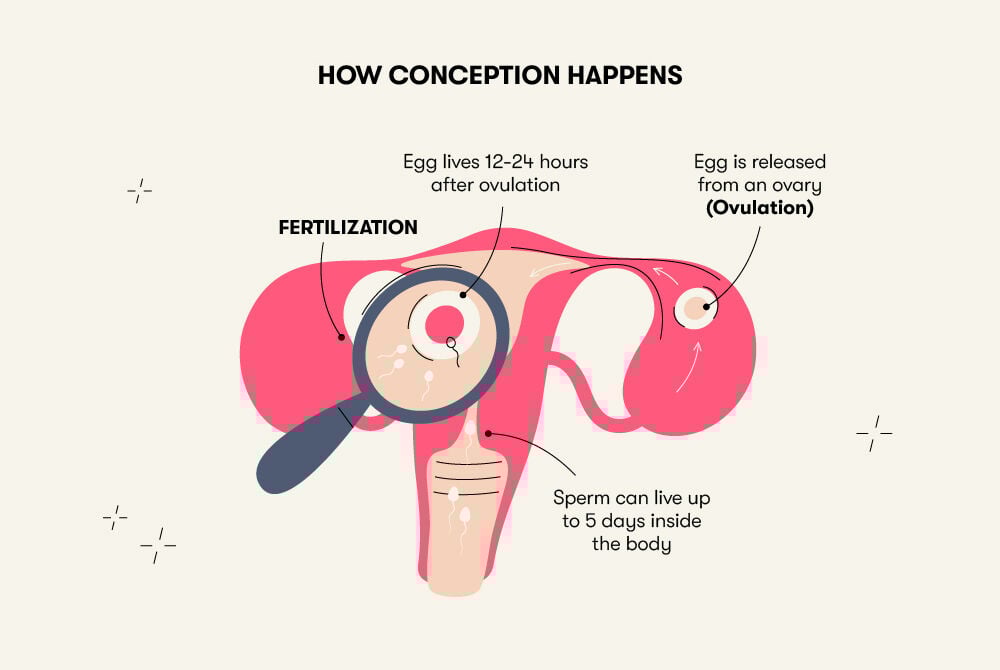
From a biological standpoint, sperm needs to fertilize an egg for pregnancy to occur. This typically happens in the fallopian tubes after sperm has traveled through the cervix and into the uterus. The anus, being part of the digestive system, does not directly connect to the reproductive system, suggesting that the likelihood of sperm entering the reproductive tract through the anus is extremely low. Yet, understanding human anatomy and the potential for cross-contamination is vital in addressing the question fully.
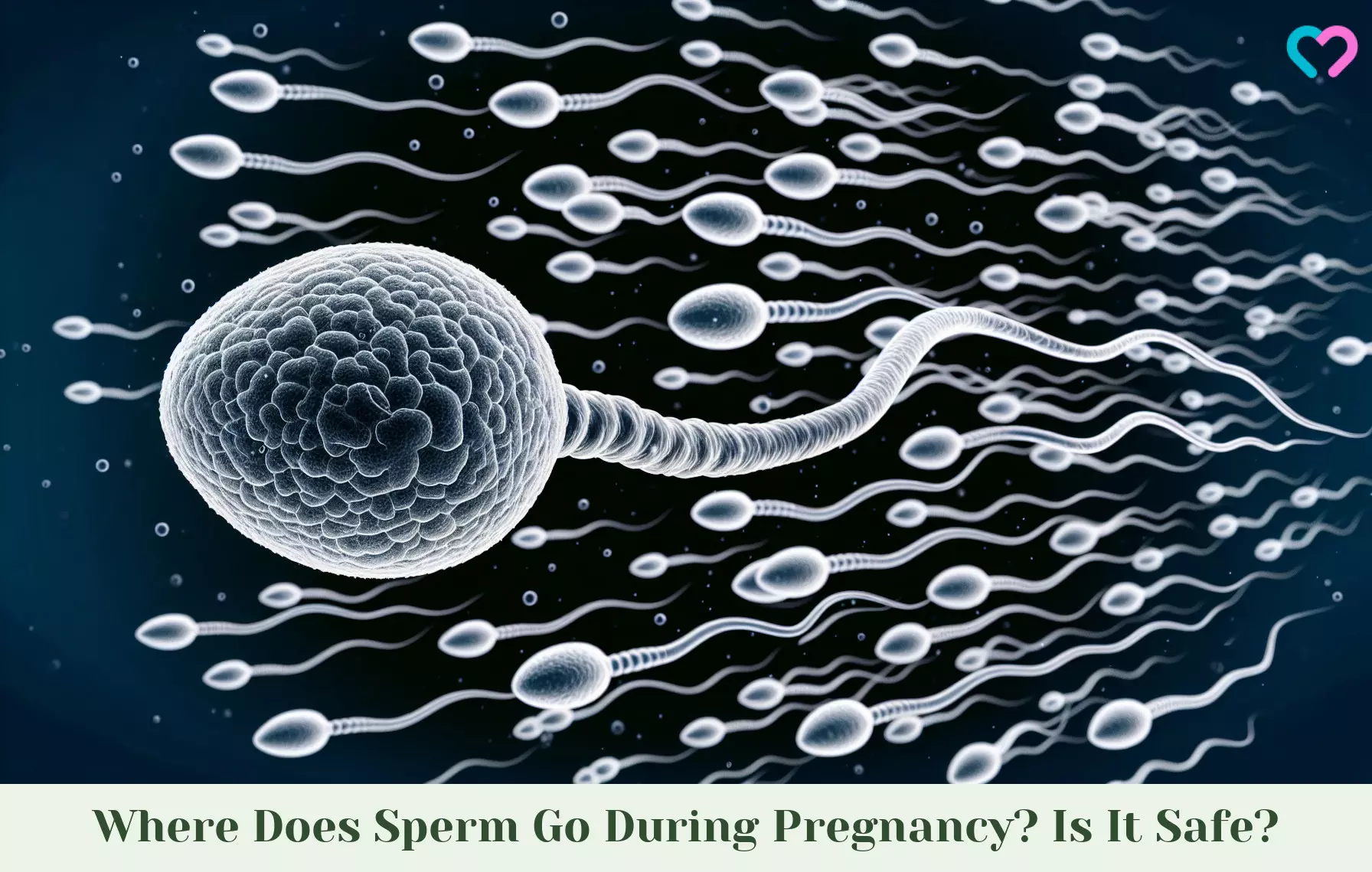
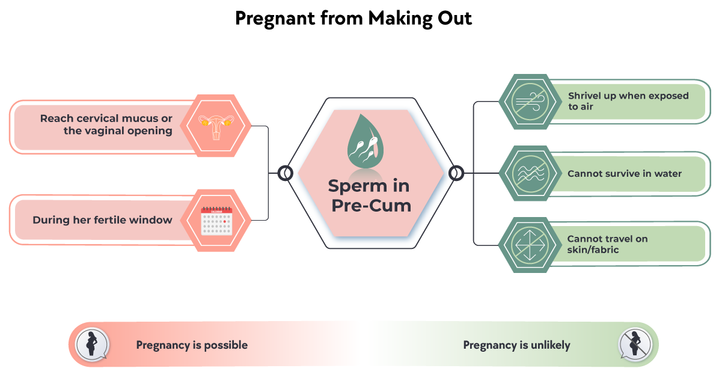
When considering the mechanics of how sperm could potentially lead to pregnancy if it enters the anus, it's also important to look at the survival rate of sperm outside the reproductive system. Sperm are designed to thrive in the cervical mucus and the reproductive tract, where the environment is conducive to their survival and mobility. Outside this environment, such as in the anus or on skin surfaces, sperm viability decreases significantly, further reducing the chances of fertilization occurring indirectly.
Must Read
Understanding the Biology
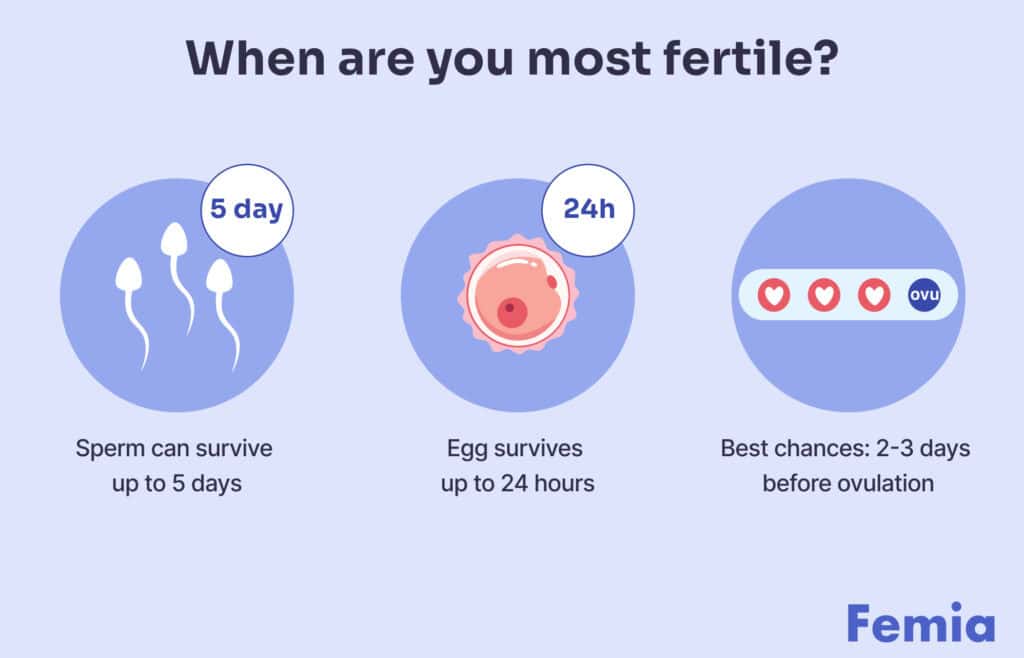
The potential for pregnancy to occur if sperm enters the anus also depends on the timing within the menstrual cycle. Ovulation, the release of an egg from the ovary, is the most fertile time in a woman's cycle. If sperm were somehow to enter the reproductive tract during this window, there would be a potential, albeit extremely low, for fertilization to occur. However, the conditions required for this to happen are highly specific and the chances are minuscule, given the anatomical and physiological barriers in place.
Moreover, the immune system plays a critical role in preventing foreign entities, including sperm, from entering the reproductive tract through unconventional means. The body has natural defense mechanisms, such as the production of mucous and the presence of immune cells, designed to protect against infections and unwanted invaders, further reducing the feasibility of such an event leading to pregnancy.
Practical Strategies for Understanding and Prevention
For individuals seeking to understand how to minimize risks or to simply be informed about their reproductive health, there are several practical strategies. First, education is key. Understanding how pregnancy occurs and the mechanisms that prevent it can empower individuals to make informed decisions about their sexual health. Using protection, such as condoms, can significantly reduce the risk of unintended pregnancy and sexually transmitted infections (STIs), regardless of the sexual practices involved.
Another important aspect is communication with sexual partners about desires, boundaries, and protection methods. Open dialogue can help in making informed decisions that respect the health and wishes of all parties involved. Furthermore, regular health check-ups and screenings can provide peace of mind and early detection of any potential issues, contributing to overall reproductive health.
For those interested in family planning, understanding the menstrual cycle and the window of fertility can be crucial. While the idea of sperm entering the anus leading to pregnancy is highly unlikely, being aware of fertile windows can help in planning or preventing pregnancy. Utilizing fertility awareness methods or other forms of birth control, when appropriate, can provide individuals with control over their reproductive choices.
In addition to these strategies, maintaining good hygiene and being mindful of cross-contamination can further reduce any potential, albeit minimal, risks. This includes practices such as washing hands and genitals after sexual activity, especially before engaging in any activity that could potentially lead to the transfer of bodily fluids into the reproductive tract.
Frequently Asked Questions
Can Sperm Survive Outside the Body?
Sperm can survive for a short period outside the human body, but their viability and mobility decrease rapidly. The survival time can depend on the environment; for example, sperm can survive longer in a warm, moist environment but will die quickly on dry surfaces or in cold temperatures. However, the chances of sperm surviving long enough to fertilize an egg if they enter the anus are extremely low due to the anatomical and physiological barriers.
In practical terms, while sperm can survive outside the body for a short time, the specific conditions required for them to remain viable long enough to potentially lead to pregnancy if they were to enter the anus are highly unlikely. Thus, understanding the environment and conditions necessary for sperm survival can help demystify the myths surrounding this topic and provide a clearer understanding of reproductive biology.
How Does the Immune System Prevent Infection?
The immune system prevents infections through several mechanisms, including the production of mucous that traps pathogens and the action of immune cells like neutrophils and macrophages that engulf and destroy invaders. In the context of the reproductive tract, these mechanisms are crucial in preventing sperm or other foreign entities from causing infection or inadvertently leading to pregnancy through unconventional means.
Moreover, the immune system's response to sperm is part of what makes the scenario of pregnancy occurring from sperm entering the anus so unlikely. The body recognizes sperm as foreign and mounts an immune response against them, further reducing their viability and ability to fertilize an egg. This highlights the complexities and efficiencies of the human immune system in maintaining health and preventing unwanted outcomes.
What Are the Chances of Pregnancy Occurring Through Anal Sex?
The chances of pregnancy occurring through anal sex are extremely low, primarily because the anus is not connected to the reproductive tract, and the environment is not conducive to sperm survival or fertilization. While there is a theoretical possibility of sperm being transferred from the anus to the vagina, either through direct contact or indirect means, the likelihood of this happening and resulting in pregnancy is minimal.
In practical advice, individuals engaging in anal sex should still consider using protection to prevent STIs and, if applicable, to prevent unintended pregnancy through other means. Understanding the differences between anal and vaginal sex, and the respective risks and precautions, is crucial for making informed decisions about sexual health and safety.
How Does Hygiene Impact the Risk of Pregnancy or Infection?
Hygiene plays a significant role in reducing the risk of infection and, indirectly, the highly unlikely scenario of pregnancy through unconventional means. Practicing good hygiene, such as washing the genital and anal areas, can reduce the presence of bacteria and other pathogens, thereby decreasing the risk of infection. Furthermore, avoiding cross-contamination can prevent the transfer of bodily fluids or pathogens from one part of the body to another.
In the context of preventing unintended pregnancy, hygiene practices are more about reducing the risk of STIs and promoting overall sexual health rather than directly impacting the chances of pregnancy. However, maintaining good hygiene is part of a broader approach to sexual health that includes education, protection, and regular health check-ups, all of which contribute to a better understanding and management of reproductive health.
What Should I Do If I Have Concerns About Pregnancy or Sexual Health?
If individuals have concerns about pregnancy or sexual health, the best course of action is to consult a healthcare provider. Professionals can offer guidance based on individual circumstances, provide screenings for STIs, and discuss options for birth control or pregnancy testing. Additionally, they can address any myths or misconceptions and provide factual information to empower individuals to make informed decisions about their reproductive health.
In terms of practical steps, scheduling a healthcare visit, being open about sexual practices and concerns, and following the advice of healthcare professionals can significantly contribute to peace of mind and proactive management of sexual and reproductive health. This includes discussing emergency contraception options if there's a concern about potential pregnancy, as well as exploring long-term birth control methods to prevent unintended pregnancies.
Reflecting on the science behind the question of whether pregnancy can occur if sperm enters the anus, it's clear that respecting and understanding the biology involved makes us more informed and empowered individuals. By recognizing the anatomical, physiological, and immunological barriers that prevent such an occurrence, we can better navigate our reproductive health with confidence and accuracy. This knowledge not only dispels myths and misconceptions but also fosters a deeper appreciation for the complexities of human biology and the importance of education in sexual and reproductive health.
Empowerment through education is a critical aspect of optimizing our approach to sexual health. By understanding how our bodies work, the mechanics of pregnancy, and the impact of our choices on our health, we can make decisions that align with our desires, values, and goals. Whether it's about preventing pregnancy, planning a family, or simply being informed, respecting the science behind human reproduction allows us to live more efficiently, make better choices, and cultivate a healthier relationship with our bodies and sexual practices.