Can You Get A Std From Fingering
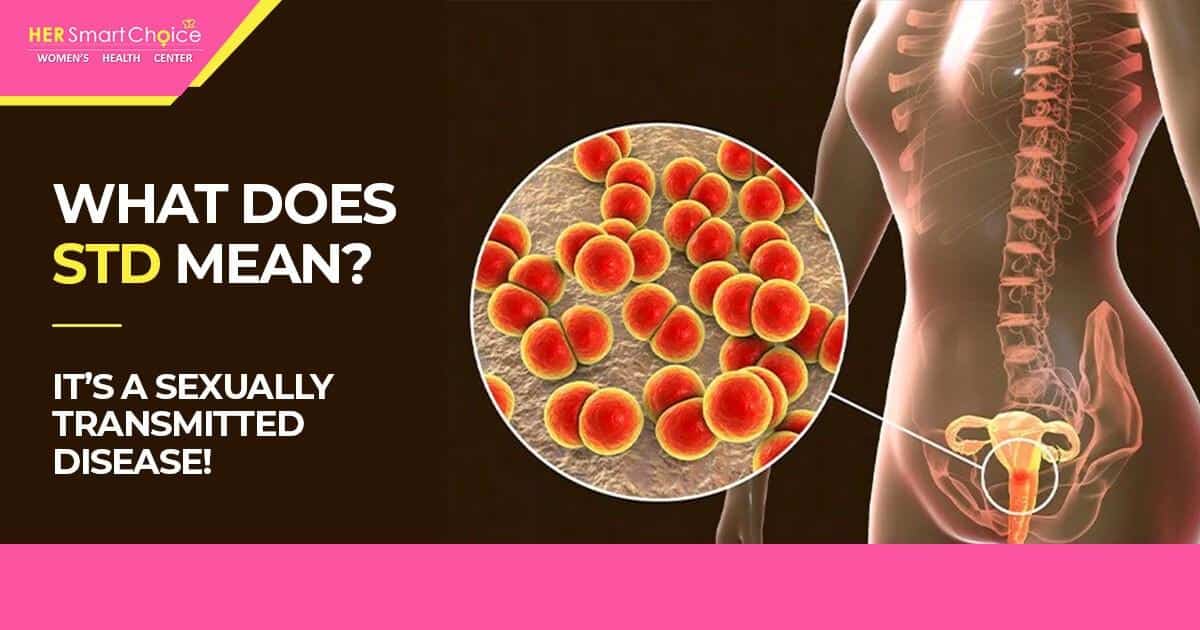
The human body is a complex and fascinating system, with various pathways and mechanisms that allow us to interact with the world around us. One such mechanism is the skin, which acts as a barrier against external pathogens and microorganisms. However, this barrier is not foolproof, and certain actions can increase the risk of transmission of sexually transmitted diseases (STDs). One such action is fingering, which involves the insertion of fingers into the vagina or anus. But can you get an STD from fingering? To answer this question, we need to delve into the biology and physics of how STDs are transmitted.
When we engage in fingering, we are introducing a foreign object (our fingers) into a sensitive and mucous-lined area. This can cause micro-tears in the skin, providing a potential entry point for pathogens. Furthermore, the fingers can also come into contact with bodily fluids, such as blood, semen, or vaginal secretions, which can harbor STD-causing microorganisms. If these microorganisms are present on the fingers, they can be transmitted to the partner's genital or anal area, potentially causing an infection.
The risk of transmission, however, depends on various factors, including the type of STD, the presence of open sores or cuts on the fingers, and the use of barrier methods, such as gloves. For example, herpes simplex virus (HSV) can be transmitted through skin-to-skin contact, even if there are no visible lesions. On the other hand, HIV transmission through fingering is considered low-risk, but not impossible, especially if there are open wounds or bleeding involved.
Understanding the Science of STD Transmission
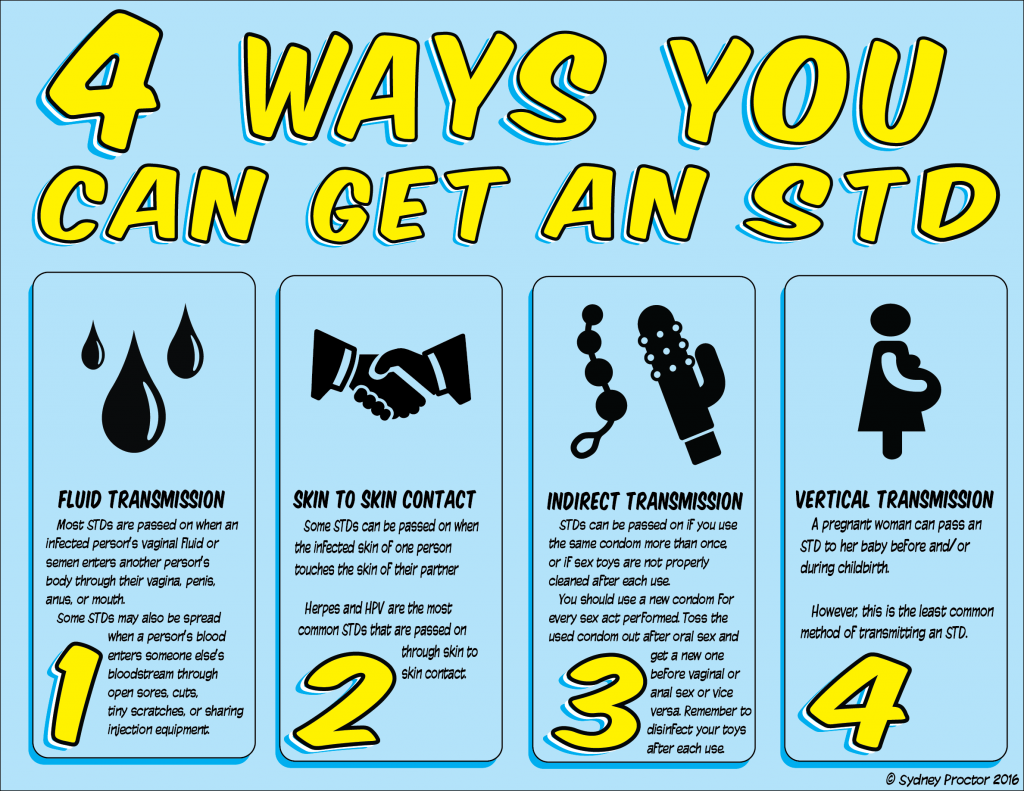
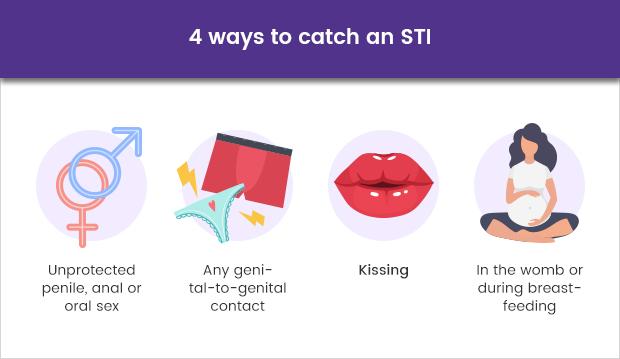
To fully comprehend the risks involved, it's essential to understand the mechanisms of STD transmission. STDs can be transmitted through various routes, including sexual contact, blood-to-blood contact, and mother-to-child transmission. In the case of fingering, the primary route of transmission is through mucous membrane exposure, where the fingers come into contact with the genital or anal mucosa. This can occur through direct contact or indirect contact, where the fingers touch a surface that has come into contact with an infected bodily fluid.
The biology of STD transmission is complex, involving the interaction of host, pathogen, and environmental factors. For example, the pH level of the vagina can affect the survival and replication of certain microorganisms, such as Neisseria gonorrhoeae, the bacterium that causes gonorrhea. Additionally, the presence of other STDs can increase the risk of transmission, as some infections can cause immunocompromise, making it easier for other pathogens to establish an infection.
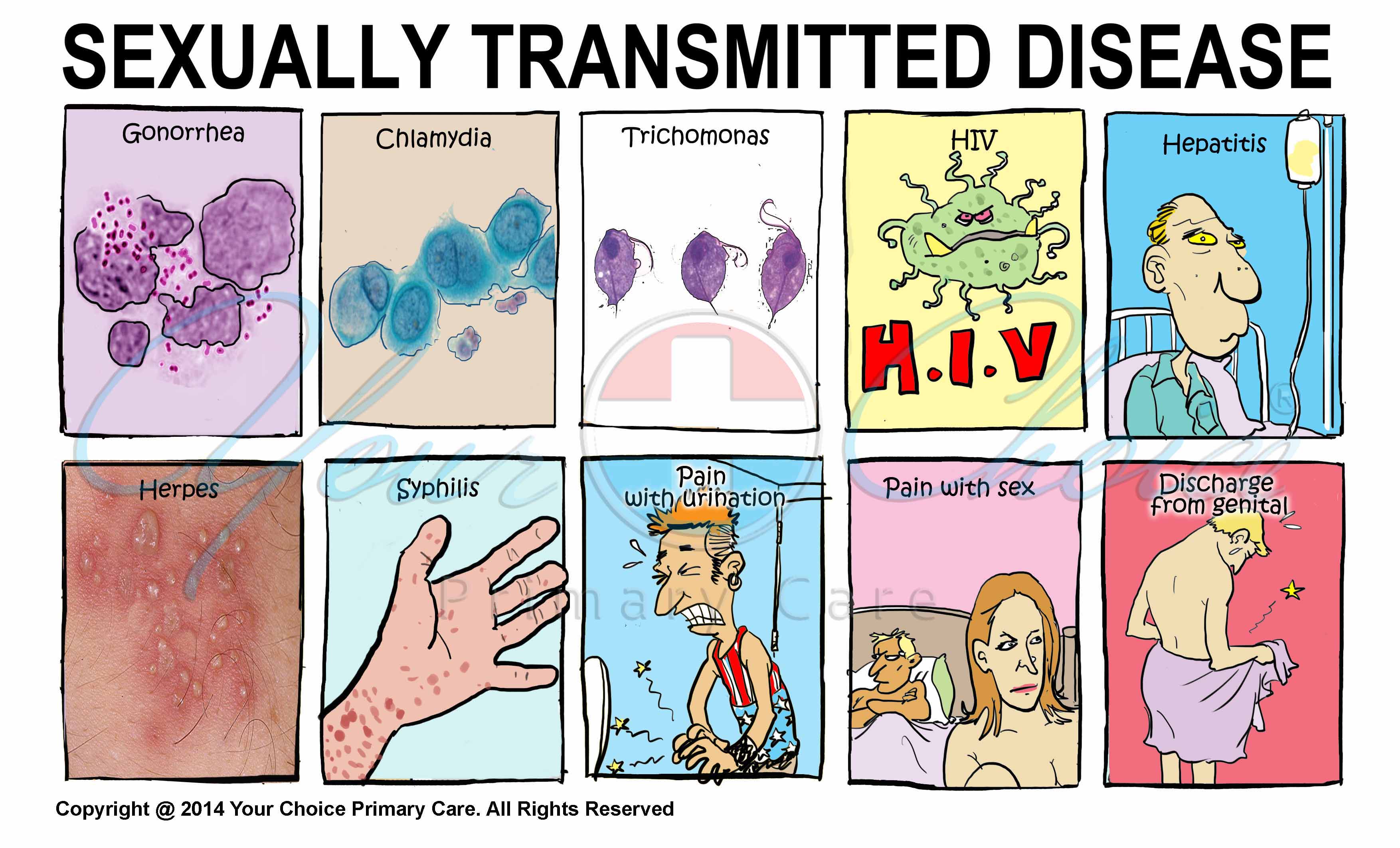
It's also important to note that STDs can be asymptomatic, meaning that an infected individual may not exhibit any symptoms. This can make it difficult to diagnose and treat STDs, as well as increase the risk of transmission to others. Regular testing and screening are essential to detect asymptomatic infections and prevent transmission.

Practical Strategies for Reducing the Risk of STD Transmission
To reduce the risk of STD transmission through fingering, there are several practical strategies that can be employed. First and foremost, communication with your partner is key. Discussing your sexual history, testing status, and desires can help prevent misunderstandings and reduce the risk of transmission. Additionally, using barrier methods, such as gloves or dental dams, can significantly reduce the risk of transmission.
Another essential strategy is proper hand hygiene. Washing your hands with soap and water before and after fingering can help reduce the risk of transmission. It's also important to avoid sharing personal items, such as towels or toys, and to clean and disinfect any surfaces that may have come into contact with bodily fluids.
Regular testing and screening are also crucial to detect asymptomatic infections and prevent transmission. Getting tested regularly can help identify infections early, reducing the risk of complications and transmission to others. Furthermore, practicing safe sex, such as using condoms or dental dams, can significantly reduce the risk of transmission.
Finally, educating yourself and your partner about STDs and safe sex practices is essential to reducing the risk of transmission. Learning about the different types of STDs, their symptoms, and treatment options can help you make informed decisions about your sexual health. By taking control of your sexual health, you can reduce the risk of transmission and maintain a healthy and fulfilling sex life.

Frequently Asked Questions
What are the most common STDs that can be transmitted through fingering?
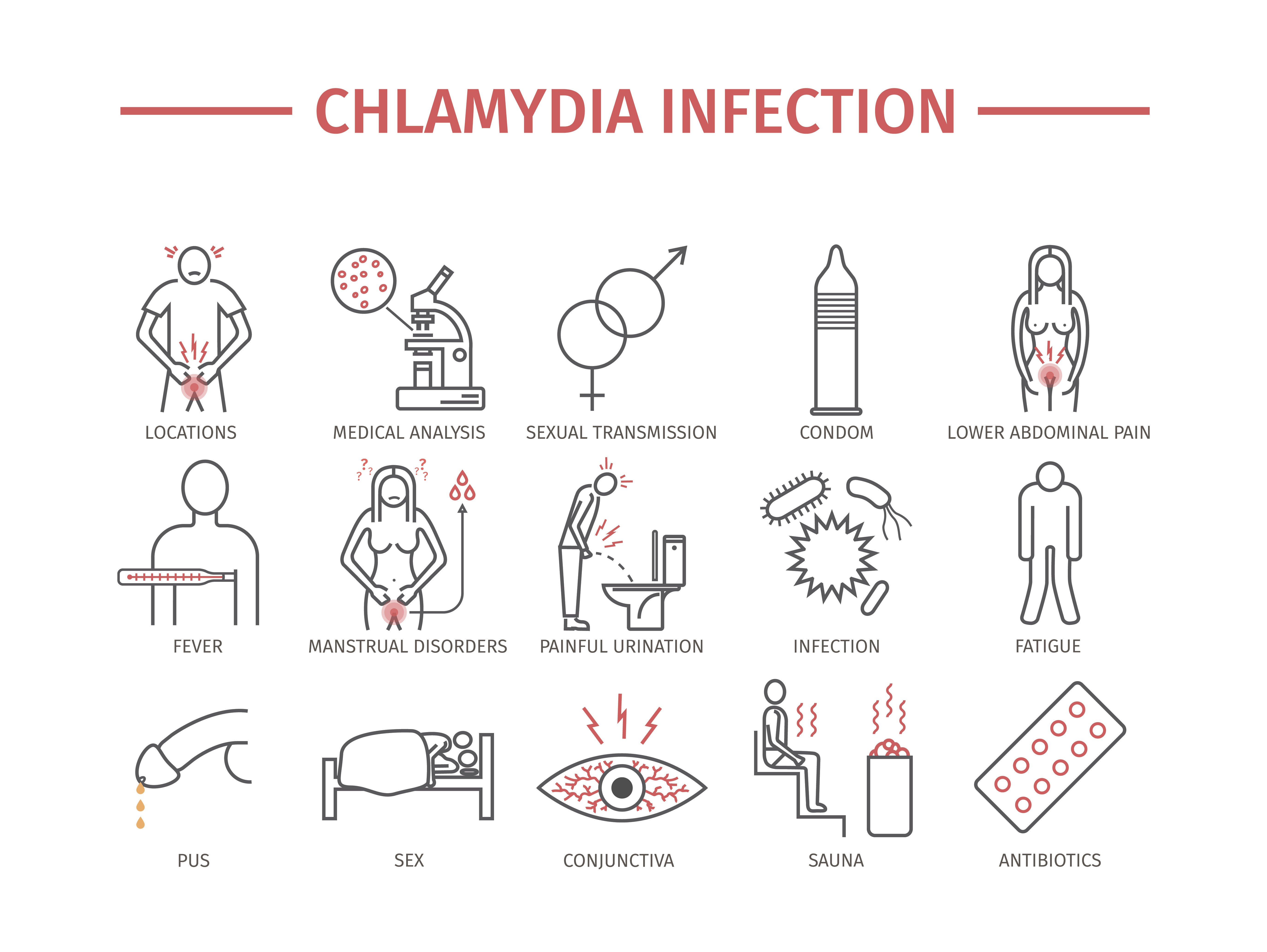
The most common STDs that can be transmitted through fingering include herpes simplex virus (HSV), human papillomavirus (HPV), and chlamydia. These infections can be transmitted through mucous membrane exposure, where the fingers come into contact with the genital or anal mucosa. It's essential to note that STDs can be asymptomatic, making it difficult to diagnose and treat without regular testing and screening.
To reduce the risk of transmission, it's essential to practice safe sex, such as using gloves or dental dams, and to get tested regularly. Additionally, communicating with your partner about your sexual history and testing status can help prevent misunderstandings and reduce the risk of transmission. By taking control of your sexual health, you can reduce the risk of transmission and maintain a healthy and fulfilling sex life.
Can I get an STD from fingering if I'm using gloves?
While gloves can significantly reduce the risk of transmission, they are not foolproof. Gloves can tear or rip, allowing bodily fluids to come into contact with the skin. Additionally, gloves may not cover all areas of the hand, such as the wrist or fingertips. To reduce the risk of transmission, it's essential to choose the right type of glove, such as latex or nitrile, and to use them correctly.
It's also important to note that gloves should be changed frequently and disposed of properly to prevent cross-contamination. By following proper protocol and taking precautions, you can reduce the risk of transmission and maintain a healthy and fulfilling sex life. Additionally, regular testing and screening can help detect asymptomatic infections and prevent transmission to others.
How can I reduce the risk of STD transmission if I have an open sore or cut on my finger?
If you have an open sore or cut on your finger, it's essential to take extra precautions to reduce the risk of transmission. First and foremost, avoid engaging in fingering until the wound has healed. If you must engage in fingering, use a glove to cover the affected area and change it frequently to prevent cross-contamination.
Additionally, keep the wound clean and dry and apply antibiotic ointment to promote healing. It's also essential to get tested regularly to detect asymptomatic infections and prevent transmission to others. By taking control of your sexual health and taking precautions, you can reduce the risk of transmission and maintain a healthy and fulfilling sex life.
Can I get an STD from fingering if my partner is HIV-positive?
The risk of HIV transmission through fingering is considered low-risk, but not impossible, especially if there are open wounds or bleeding involved. If your partner is HIV-positive, it's essential to take extra precautions to reduce the risk of transmission. First and foremost, use a glove to cover the affected area and change it frequently to prevent cross-contamination.
Additionally, avoid engaging in fingering if you have open sores or cuts on your fingers, and keep the wound clean and dry. It's also essential to get tested regularly to detect asymptomatic infections and prevent transmission to others. By taking control of your sexual health and taking precautions, you can reduce the risk of transmission and maintain a healthy and fulfilling sex life.

How often should I get tested for STDs if I engage in fingering regularly?
If you engage in fingering regularly, it's essential to get tested regularly to detect asymptomatic infections and prevent transmission to others. The frequency of testing depends on various factors, including your sexual history, testing status, and desires. Generally, it's recommended to get tested every 3-6 months if you're sexually active and have multiple partners.
Additionally, get tested immediately if you experience symptoms or have been exposed to an STD. It's also essential to communicate with your partner about your sexual history and testing status to prevent misunderstandings and reduce the risk of transmission. By taking control of your sexual health and getting tested regularly, you can reduce the risk of transmission and maintain a healthy and fulfilling sex life.
Respecting the science behind STD transmission is essential to maintaining a healthy and fulfilling sex life. By understanding the mechanisms of STD transmission and taking precautions, we can reduce the risk of transmission and prevent complications. Additionally, practicing safe sex, such as using barrier methods and getting tested regularly, can help detect asymptomatic infections and prevent transmission to others.
By taking control of our sexual health, we can optimize our well-being and quality of life. We can reduce stress and anxiety related to STD transmission and focus on building healthy relationships. Furthermore, respecting the science behind STD transmission can help us make informed decisions about our sexual health and reduce the risk of transmission. By prioritizing our sexual health, we can live healthier, happier, and more fulfilling lives.