Can You Bring Metal Knitting Needles On A Plane

When it comes to traveling, especially by plane, the rules and regulations regarding what can and cannot be brought on board are extensive and often confusing. Among the many items that raise questions regarding air travel are metal knitting needles. For the crafting enthusiast, being able to work on their latest project during travel is not just a hobby, but a way to pass time and reduce stress. However, the Transportation Security Administration (TSA) has specific guidelines that must be understood to avoid any issues during security checks.
The core mechanics behind the decision to allow or prohibit metal knitting needles on planes revolve around security and safety. Historically, any item that could potentially be used as a weapon has been subject to scrutiny. Metal knitting needles, due to their material and pointed tips, have raised concerns. However, the TSA, recognizing the importance of these tools for craftsmen and women, has established guidelines that balance security with the needs of travelers. Understanding these guidelines is crucial for a smooth travel experience.
From a biological and psychological standpoint, engaging in activities like knitting can have numerous benefits, including reducing stress and anxiety, improving cognitive function, and enhancing overall well-being. The repetitive motion of knitting can be meditative, providing a sense of calm and focus. This is particularly beneficial during travel, where the confined spaces and changing environments can exacerbate feelings of discomfort and stress. Thus, being able to bring metal knitting needles on a plane not only allows hobbyists to pursue their passion but also contributes to a healthier and more enjoyable travel experience.
Must Read
Understanding the Basics of Air Travel Regulations
The TSA's stance on metal knitting needles is that they are generally allowed in carry-on bags. This policy is based on the understanding that these items, while potentially dangerous, are not typically considered a threat when used for their intended purpose. However, it's essential to note that the final decision regarding the admission of any item rests with the TSA officer at the security checkpoint. Factors such as the length and material of the needles, as well as the intended use, can influence this decision.
One of the key aspects of successfully navigating airport security with metal knitting needles is preparation. This includes being aware of the most current TSA guidelines, ensuring that the needles are clean and free of any attachments that could be considered dangerous, and being prepared to explain their intended use. Travelers should also consider the airline's policy, as some may have more stringent rules regarding items in carry-on luggage.
Furthermore, understanding the science behind materials can provide insight into why metal knitting needles are treated differently than other potentially dangerous items. The density and durability of metal, for instance, make it a more reliable material for crafting tools, but also necessitate stricter regulations due to potential misuse. Knowing the properties of different materials and how they are perceived by security can help travelers make informed decisions about what to pack and how to pack it.
Mastering the Art of Travel with Metal Knitting Needles
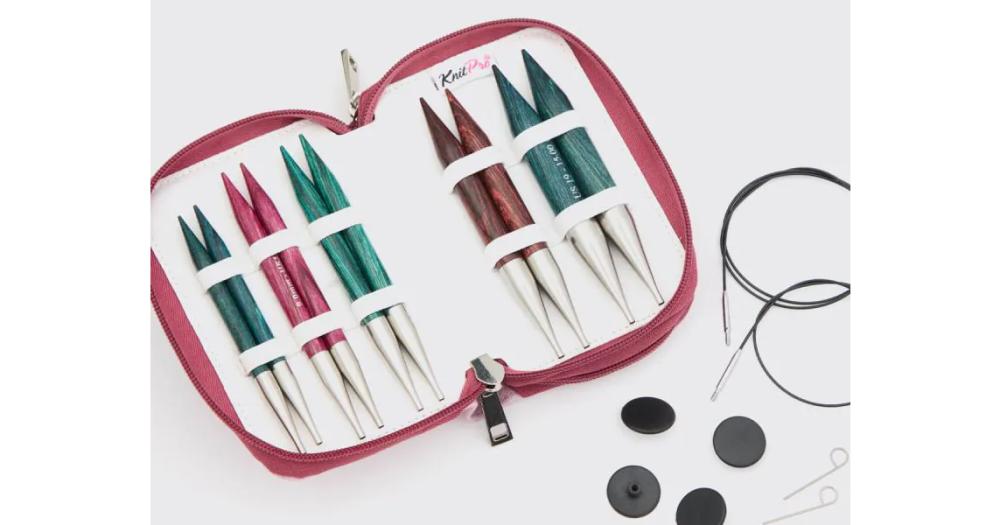
To optimize travel with metal knitting needles, several strategies can be employed. First, pack wisely, placing the needles in an accessible yet secure location within carry-on luggage. This facilitates easy removal during security checks and minimizes the risk of damage or loss. Second, research beforehand to ensure understanding of the latest TSA guidelines and any specific airline restrictions. This preparation can help mitigate potential issues and reduce travel stress.
Another crucial aspect is communication. Being open and forthcoming with TSA officers and airline staff about the presence of metal knitting needles can help alleviate concerns and ensure a smoother security process. Travelers should be prepared to demonstrate the use of the needles and provide any necessary documentation or explanations. This proactive approach not only complies with regulations but also contributes to a positive and respectful interaction between travelers and security personnel.
In addition to these strategies, leveraging technology and travel apps can provide real-time information on TSA wait times, security checkpoint locations, and the most efficient ways to navigate the airport. This can help travelers plan their time more effectively, ensuring they arrive at their gate with ample time to spare, even with the extra step of clearing security with their crafting tools.
Furthermore, considering the environmental impact of travel choices can lead to more sustainable practices. For crafters, this might involve choosing eco-friendly yarns, minimizing waste, and opting for digital patterns to reduce paper usage. When traveling, selecting flights and accommodations with strong environmental policies can also make a difference. This holistic approach to travel, combining the practical aspects of navigating with metal knitting needles with a broader commitment to sustainability, reflects a thoughtful and responsible attitude towards both personal hobbies and global citizenship.

Frequently Asked Questions
Can I Bring Metal Knitting Needles in My Checked Luggage?
The decision to place metal knitting needles in checked luggage versus carry-on bags should be made based on personal preference and the specific travel circumstances. While the TSA does not prohibit metal knitting needles in checked luggage, there are considerations to keep in mind. Checked bags are subject to more rigorous handling, which could potentially damage the needles or the items they are packed with. Additionally, accessing checked luggage during the flight to retrieve the needles is not possible, limiting their usefulness during travel.
For travelers who prefer to check their crafting tools, it's essential to pack them securely to prevent damage and ensure they are easily identifiable upon arrival. This might involve using a hard-sided case or a specifically designed knitting needle protector. Furthermore, checking with the airline for any specific guidelines on packing sharp objects in checked luggage can help avoid any issues during baggage handling.
How Do I Properly Declare Metal Knitting Needles at Security Checkpoints?
Declaring metal knitting needles at security checkpoints involves a combination of visual presentation and clear communication. Travelers should remove the needles from their carry-on bag and place them in a bin for X-ray screening, making it clear to TSA officers what the items are and their intended use. Being prepared to demonstrate the use of the needles, if asked, can help in quickly resolving any questions or concerns.
It's also beneficial to be aware of the body language and tone used during this interaction. A calm, respectful demeanor can significantly contribute to a positive outcome. Additionally, understanding that TSA officers are primarily concerned with the safety of all travelers, and that declaring items openly is a sign of cooperation, can help in maintaining a smooth and respectful exchange.

Are There Any Alternatives to Metal Knitting Needles for Travel?
For travelers who are concerned about navigating security with metal knitting needles or prefer not to deal with the potential hassle, there are alternatives. Plastic or wooden knitting needles are options that may be viewed as less problematic by security. However, these materials may not offer the same performance and durability as metal needles, potentially affecting the quality of the craft work.
Another approach is to consider projects that do not require needles, such as crochet or certain types of weaving that can be done with fingers or simple tools. This flexibility can ensure that travelers can continue to engage in their hobby without the inconvenience of dealing with security restrictions. Furthermore, exploring these alternatives can lead to the discovery of new techniques and projects, enriching the crafting experience.
Can I Use Metal Knitting Needles on the Plane Once I've Cleared Security?
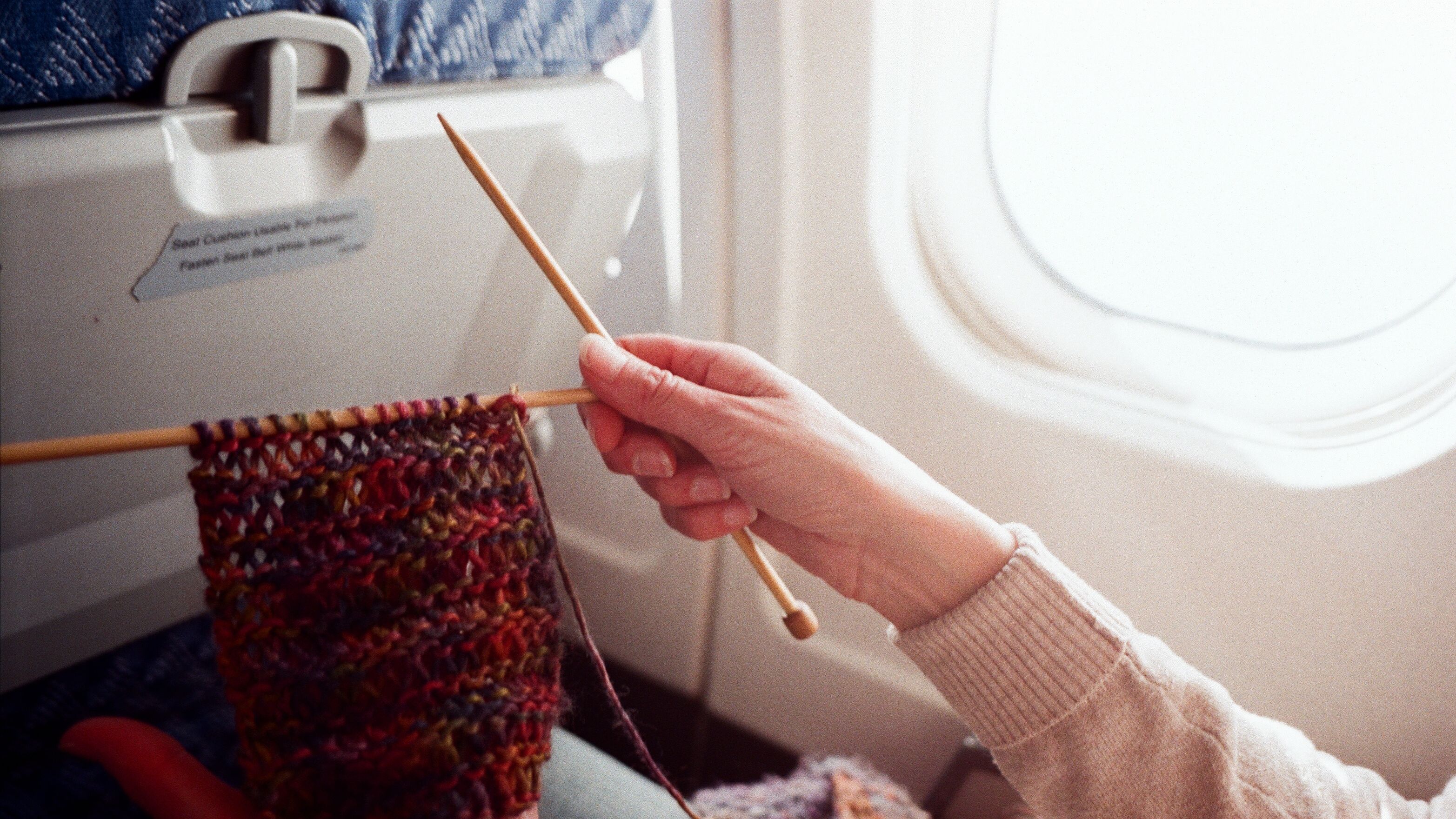
Once metal knitting needles have been cleared through security, travelers are generally allowed to use them on the plane. However, it's crucial to be considerate of fellow passengers and to follow any instructions from flight attendants. The use of knitting needles should not pose a distraction or hazard to others, and travelers should be prepared to secure their work during turbulence or when not actively knitting.
In addition to being mindful of those around them, travelers should also consider the physical and mental benefits of knitting during flight. The gentle, repetitive motions can be soothing, helping to reduce jet lag symptoms and promote relaxation. By being respectful of others and aware of their surroundings, travelers can enjoy their hobby while also contributing to a positive in-flight environment.

Are There Any Health Benefits to Knitting During Travel?
Knitting during travel can offer several health benefits. The act of knitting can be meditative, reducing stress and anxiety by promoting a state of flow and concentration. This can be particularly beneficial during travel, which often involves unfamiliar environments, close quarters, and a lack of personal space. By focusing on the rhythmic motion of the needles and the creation of something meaningful, travelers can find a sense of calm and accomplishment.
Beyond the psychological benefits, knitting can also have physical advantages. It can help improve fine motor skills and dexterity, and the gentle movements can be beneficial for individuals with arthritis or other mobility issues. Furthermore, engaging in a creative activity like knitting can provide a sense of purpose and fulfillment, counteracting the feelings of boredom or disconnection that can sometimes accompany travel.
Conclusion: Embracing the Science and Joy of Knitting On the Go
Respecting and understanding the science behind bringing metal knitting needles on a plane not only ensures compliance with security regulations but also reflects a broader appreciation for the intricacies of everyday life. By embracing the practical strategies and tips outlined for navigating travel with these tools, crafters can optimize their experience, turning what might be seen as a hassle into an opportunity for creativity and personal growth.
The empowerment that comes from mastering the art of traveling with metal knitting needles extends beyond the realm of crafting. It represents a mindset that values preparation, respect for regulations, and a commitment to personal hobbies and well-being. As travelers navigate the complexities of modern air travel, they do so with a sense of confidence and awareness, leveraging their knowledge to enhance not just their crafting experience, but their overall quality of life.