
Can A Man Ejaculate And Urinate At The Same Time

The ability of a man to ejaculate and urinate at the same time is a topic of interest among many, sparking debates and discussions about the physiological possibilities and limitations of the male reproductive and urinary systems. To understand this phenomenon, it's crucial to delve into the basic science behind these bodily functions. The urethra, a tube that carries urine from the bladder out of the body, also serves as a pathway for semen to exit the body during ejaculation. This shared passageway is key to understanding how these two functions can potentially occur simultaneously.
However, the mechanisms behind urination and ejaculation are distinct. Urination is primarily controlled by the detrusor muscle in the bladder, which contracts to release urine. In contrast, ejaculation involves the seminal vesicles, prostate, and urethra, with the process being more complex and involving the nervous system and various hormonal signals. The question then arises: can these processes, with their different controls and triggers, happen at the same time?
Physiologically, the human body has mechanisms to prevent the simultaneous occurrence of these two functions under normal circumstances. For instance, the urethral sphincter plays a crucial role in controlling the flow of urine and can prevent semen from exiting during urination, and vice versa. However, there are instances where individuals might experience retrograde ejaculation, where semen enters the bladder instead of exiting the body, often due to issues with the inner urethral sphincter. This condition illustrates the complexity of these systems and how certain irregularities can lead to unconventional functioning.
Must Read
Understanding the Biological Basis
Delving deeper into the biological and chemical aspects reveals a multifaceted system that involves not just the physical structures but also a complex interplay of hormones and neural signals. The sympathetic nervous system plays a crucial role in ejaculation, as it stimulates the contraction of the seminal vesicles and the prostate, leading to the expulsion of semen. On the other hand, the parasympathetic nervous system is more involved in the process of urination, stimulating the detrusor muscle to contract and release urine.
The hormonal aspect, particularly the role of testosterone and other sex hormones, is crucial in regulating both functions. Testosterone influences the production of semen and the libido, directly impacting ejaculation, while also having indirect effects on urinary health. Understanding these biological underpinnings is essential for appreciating how and why certain conditions, such as benign prostatic hyperplasia (BPH), can affect both urination and ejaculation.
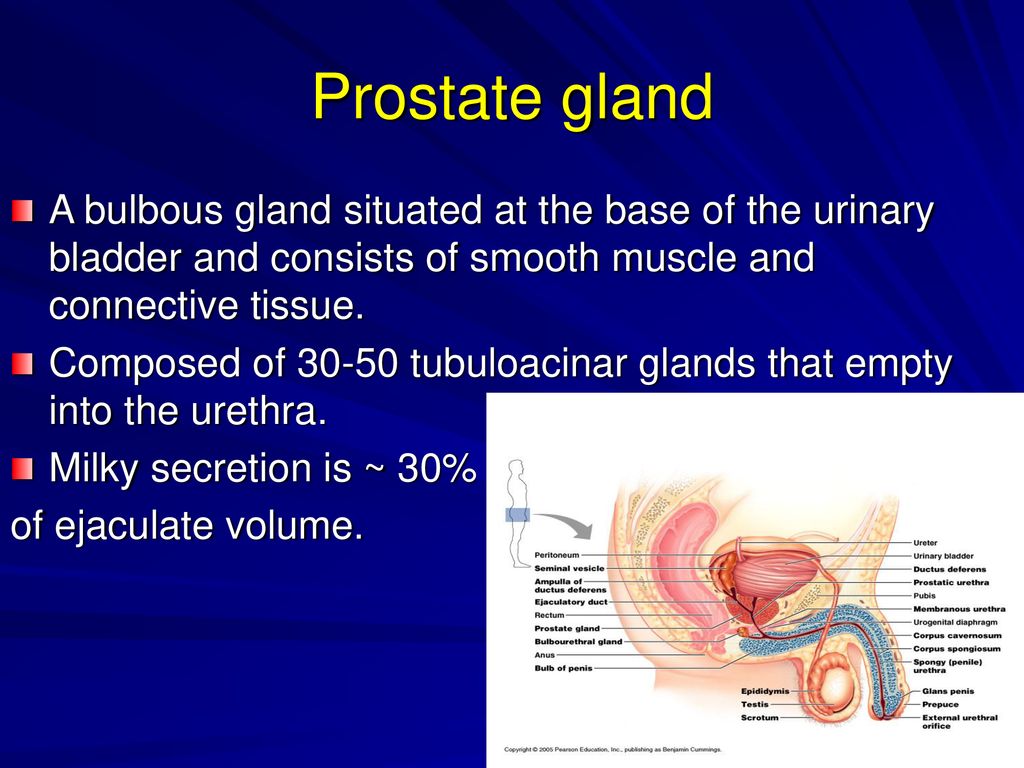
Furthermore, the prostate gland is a critical component in this discussion, as it surrounds the urethra and plays a key role in the production of seminal fluid. Conditions affecting the prostate, such as prostatitis or prostate cancer, can significantly impact both urinary and ejaculatory functions, sometimes leading to symptoms like painful urination or ejaculatory dysfunction. The intricate relationship between these bodily systems highlights the need for comprehensive health approaches that consider the interconnectedness of reproductive and urinary health.

Practical Strategies for Optimization
For individuals looking to optimize their urinary and reproductive health, understanding the potential for interaction between these systems is crucial. Adopting healthy lifestyle habits, such as a balanced diet rich in fruits, vegetables, and whole grains, along with regular physical exercise, can help maintain overall health and potentially reduce the risk of conditions that might affect these functions. Specifically, foods high in zinc, such as oysters, can support testosterone levels and reproductive health, while urinary tract-friendly diets that limit caffeine and alcohol can help prevent issues like urinary incontinence.
Practicing pelvic floor exercises, also known as Kegel exercises, can strengthen the muscles involved in both urination and ejaculation, potentially improving control and function. These exercises involve contracting and then relaxing the muscles that control urine flow, and they can be particularly beneficial for individuals experiencing issues like premature ejaculation or urinary incontinence. Additionally, stress management techniques, such as meditation or yoga, can help reduce the impact of stress on these bodily systems, as high levels of stress can exacerbate conditions affecting both urination and ejaculation.
For those experiencing difficulties with urination or ejaculation, medical consultations are indispensable. Healthcare providers can offer personalized advice and treatments tailored to specific conditions or concerns. This might include medications for conditions like BPH or prostate cancer treatment options that consider the impact on both urinary and reproductive health. Furthermore, lifestyle modifications recommended by healthcare professionals can help manage symptoms and improve quality of life.
Incorporating self-care practices that promote overall well-being can also play a significant role in maintaining healthy urinary and reproductive systems. This includes ensuring adequate hydration to help prevent urinary tract infections (UTIs) and supporting the health of the prostate and other reproductive organs. Similarly, safe sex practices are vital for preventing sexually transmitted infections (STIs) that could affect both urinary and reproductive health.

Frequently Asked Questions
Can urinary issues like UTIs affect ejaculation?
Yes, certain urinary issues can impact ejaculation. For instance, UTIs can cause discomfort and pain, potentially affecting sexual function and ejaculation. Additionally, conditions like prostatitis, which is an inflammation of the prostate gland, can cause pain during ejaculation and affect urinary symptoms like frequency or urgency. Understanding these connections is crucial for addressing any urinary or reproductive health concerns comprehensively.
Treatment of the underlying condition is essential, whether it's through antibiotics for UTIs or other medical interventions for prostatitis. In some cases, symptomatic relief measures like warm baths or over-the-counter pain relievers can help manage discomfort during the treatment period. It's also important to practice good hygiene and safe sex practices to prevent the spread of infections and maintain overall reproductive and urinary health.
How does age affect the ability to ejaculate and urinate?
Age can significantly impact both urinary and reproductive health in men. As men age, the prostate gland often enlarges, which can lead to issues like benign prostatic hyperplasia (BPH), affecting urination. Symptoms can include difficulty starting urination, weak urine flow, frequent urination, and increased risk of urinary retention. Additionally, aging can affect reproductive health, potentially leading to issues like erectile dysfunction or decreased libido, which can impact ejaculation.
Managing age-related changes involves a combination of lifestyle adjustments and, when necessary, medical interventions. Regular check-ups with healthcare providers are crucial for monitoring prostate health and addressing any concerns early. Dietary changes, such as reducing caffeine and alcohol intake, and staying physically active can also help mitigate some age-related urinary symptoms. Furthermore, open communication with sexual partners about any changes in sexual function can help in maintaining healthy relationships.
Can certain foods or supplements impact ejaculation and urination?
Yes, diet plays a significant role in both urinary and reproductive health. Certain foods and supplements can either positively or negatively affect these systems. For example, diuretic foods like asparagus or caffeine can increase urine production, potentially affecting individuals with urinary frequency or incontinence issues. On the other hand, foods rich in zinc, such as oysters, can support reproductive health by boosting testosterone levels and overall sperm quality.
Supplements like saw palmetto are sometimes used to support prostate health, potentially alleviating symptoms of BPH and improving urinary function. However, it's essential to consult with a healthcare provider before starting any supplements, as they can interact with medications or have side effects. A balanced diet that includes a variety of fruits, vegetables, whole grains, and lean proteins can help support overall health, including urinary and reproductive systems. Additionally, staying hydrated by drinking plenty of water can help prevent UTIs and support the health of the prostate and other reproductive organs.
How do mental health and stress affect ejaculation and urination?
Mental health and stress levels can significantly impact both urinary and reproductive functions. High levels of stress can lead to issues like urinary incontinence or erectile dysfunction, affecting ejaculation. The mind-body connection is strong in these areas, with stress and anxiety potentially exacerbating conditions like prostatitis or BPH, which in turn can affect urination and ejaculation.
Practicing stress management techniques, such as meditation, yoga, or deep breathing exercises, can help mitigate the impacts of stress on these bodily functions. Additionally, seeking professional help for mental health concerns, such as anxiety or depression, is crucial. Healthcare providers can offer counseling or recommend therapies that address these issues and their effects on urinary and reproductive health. Building a support network of friends, family, or support groups can also play a significant role in managing stress and maintaining overall well-being.

Can certain medical conditions affect both urination and ejaculation?
Yes, several medical conditions can impact both urinary and reproductive health. Conditions like diabetes can lead to neuropathy, affecting the nerves that control bladder and sexual function, potentially causing issues with urination and ejaculation. Similarly, spinal cord injuries can damage the nerves controlling these functions, leading to difficulties with both urination and sexual performance.
Treatment of the underlying condition is critical, whether through medications, lifestyle changes, or other interventions. For individuals with diabetes, managing blood sugar levels is essential to prevent complications like neuropathy. In cases of spinal cord injuries, rehabilitation programs can help individuals regain as much function as possible, including addressing issues related to urination and ejaculation. It's also important to work closely with healthcare providers to monitor and manage any conditions that could affect these systems.
The science behind the potential for men to ejaculate and urinate at the same time is complex and rooted in the biology and physiology of the male reproductive and urinary systems. By understanding these systems and how they interact, individuals can better navigate issues related to both urination and ejaculation, taking proactive steps towards maintaining their overall health and well-being.
Embracing a holistic approach to health, which considers the interconnectedness of physical, mental, and emotional well-being, is key to optimizing urinary and reproductive health. This includes adopting healthy lifestyle habits, practicing stress management, and seeking medical care when needed. By respecting the science and complexity of our bodies, we can work towards living healthier, more balanced lives, equipped with the knowledge and strategies necessary to address challenges related to urination and ejaculation effectively.


:max_bytes(150000):strip_icc()/azoospermia-overview-4178823-5c5db5ffc9e77c00010a486a.png)
