Are There Foods That Increase Phallus Length

The age-old quest for a bigger phallus has been a silent companion to human history, often whispered about in hushed tones, yet omnipresent in our cultural narratives. From ancient myths to modern-day medical breakthroughs, the allure of enhancing one's phallus length has captivated various societies across time. The fascination itself is a blend of psychological, social, and biological factors, intertwining the concepts of masculinity, virility, and sexual satisfaction. Today, in an era where information flows like rivers and the digitization of everything has made even the most intimate inquiries a casual click away, many still ponder: are there foods that can actually increase phallus length?
This curiosity isn't merely about vanity; it delves into the realms of self-confidence, intimacy, and overall well-being. In many cultures, a larger phallus is perceived as a symbol of masculinity and potency, leading some to believe that size directly correlates with sexual prowess and pleasure. However, it's crucial to navigate these discussions with sensitivity, recognizing that male body image issues, like their female counterparts, are influenced by a complex interplay of societal expectations, personal experiences, and biological realities. Thus, exploring whether diet can influence phallus size isn't just about debunking myths or chasing miracles but also about understanding health, nutrition, and their multifaceted impacts on human physiology.
Unraveling the Mysteries and Myths
Behind the veil of myths and misconceptions, the scientific community approaches the topic with a cautious optimism, suggesting that while there might not be a direct "phallus lengthening" food group, certain nutrients and lifestyle choices can positively affect blood flow, hormone levels, and overall sexual health. Foods rich in nitric oxide, such as leafy greens and beets, can improve blood flow, which is crucial for erection quality, although this doesn't necessarily translate to increased length. Similarly, foods high in antioxidants and low in processed sugars and saturated fats can support better cardiovascular health, indirectly benefiting sexual performance.
Must Read
Culturally, the pursuit of phallus lengthening has been romanticized and demonized in equal measure. In some traditional practices, certain foods and concoctions are believed to possess aphrodisiac properties or the ability to enhance male sexual attributes. For example, oysters have long been a symbol of love and fertility, attributed to their high zinc content, a mineral essential for testosterone production and thus, potentially, sexual health. However, these beliefs are often steeped in folklore rather than scientific evidence, highlighting the need for a balanced perspective that separates fact from fiction.
The psychological aspect of desiring a longer phallus cannot be overlooked, as it often intersects with issues of self-esteem, body image, and sexual anxiety. The media's portrayal of the "ideal" male body, coupled with the airbrushed perfection seen in adult entertainment, can fuel these insecurities. Thus, discussions about phallus length must also consider the emotional and mental health impacts, urging a more nuanced and supportive dialogue around male body image and sexual well-being.
Practical Insights and Realistic Expectations
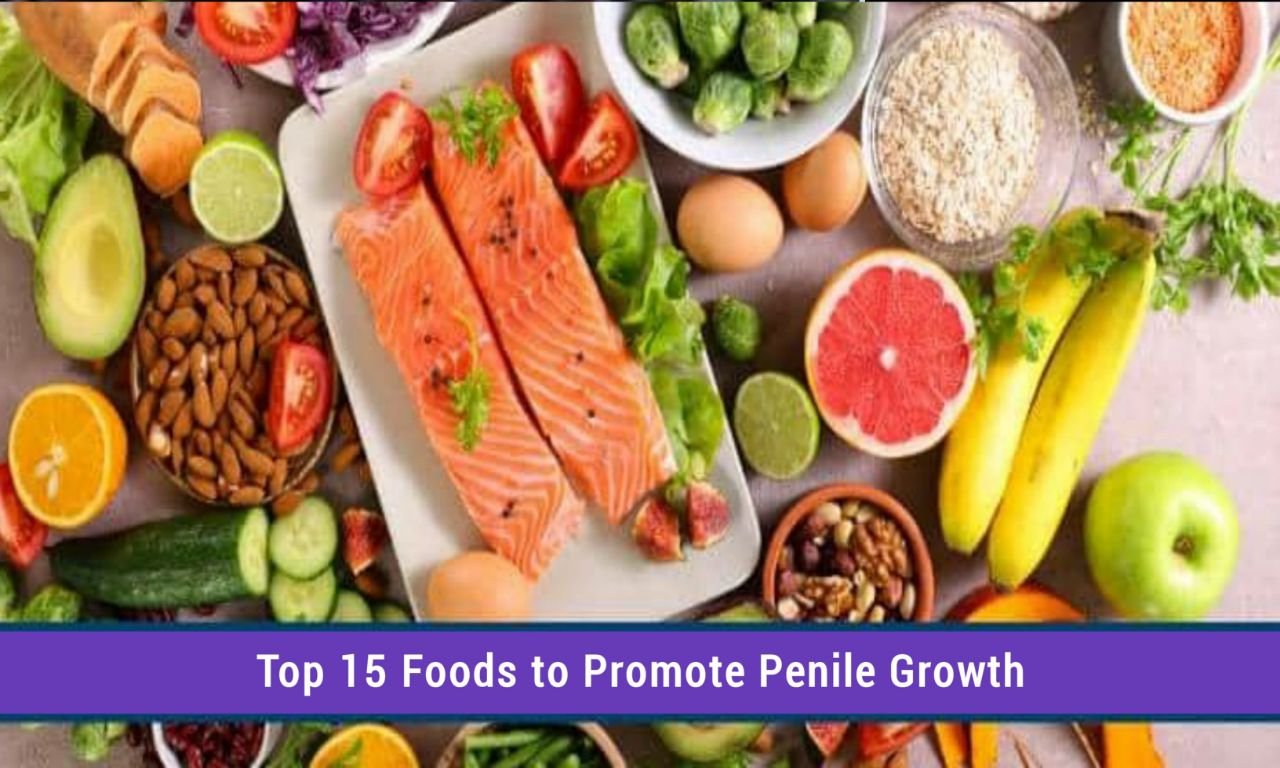
For those seeking to enhance their sexual health through diet, it's essential to have realistic expectations. While certain foods may support better sexual function, the idea of significantly increasing phallus length through dietary means alone is largely unfounded. A balanced diet rich in fruits, vegetables, whole grains, and lean proteins, however, can contribute to overall health, including aspects of sexual well-being. Additionally, maintaining a healthy weight, engaging in regular physical activity, and avoiding smoking and excessive alcohol consumption can also play crucial roles in supporting sexual health.
There are also numerous case studies and anecdotal evidence suggesting that specific supplements, such as those containing L-arginine or ginseng, may improve erection quality by enhancing blood flow. However, these claims are not universally accepted and require further research to fully understand their effects and potential side effects. It's critical for individuals to consult with healthcare professionals before adding any supplements to their regimen, especially considering potential interactions with other medications or underlying health conditions.
In terms of lifestyle modifications, reducing stress and improving sleep quality can have positive impacts on sexual health. High levels of stress can negatively affect libido and sexual performance, while adequate sleep is essential for hormone regulation, including testosterone, which plays a role in sexual desire and function. Engaging in stress-reducing activities such as yoga, meditation, or deep breathing exercises, and practicing good sleep hygiene can thus be beneficial.
Lastly, for individuals dealing with persistent sexual health concerns or body image issues, seeking professional help is a vital step. Therapists, counselors, and healthcare providers can offer guidance, support, and evidence-based treatments that address the physical, emotional, and psychological aspects of sexual well-being. This inclusive approach to health acknowledges that sexual satisfaction and body image are deeply intertwined with mental health and overall quality of life.
Frequently Asked Questions
What role does testosterone play in phallus length, and can dietary changes affect testosterone levels?
Testosterone is a crucial hormone for male sexual development and function, including the regulation of libido and erection quality. While testosterone levels can influence sexual health, the relationship between testosterone and phallus length is more complex. Higher testosterone levels during fetal development and puberty are associated with the formation and growth of male genitalia, but the impact of adult testosterone levels on existing phallus length is minimal. Dietary changes, particularly ensuring adequate zinc and vitamin D intake, can support testosterone production. Foods rich in these nutrients, along with a healthy lifestyle, contribute to optimal hormone levels, which can indirectly benefit sexual health.

It's essential to note, however, that significantly altering testosterone levels in adults through diet alone is challenging, and any concerns about testosterone levels should be discussed with a healthcare provider. They can assess individual situations, recommend appropriate tests, and suggest evidence-based interventions if necessary. In some cases, testosterone replacement therapy might be considered for individuals with clinically diagnosed low testosterone, but this should always be undertaken under medical supervision.
Are there any proven medical treatments for increasing phallus length, and what are their risks and benefits?
Currently, there are limited proven medical treatments specifically aimed at increasing phallus length. Surgical interventions, such as penile enlargement surgery, exist but are generally not recommended due to their high risk of complications, including infection, scarring, and decreased sexual function. These procedures should be approached with caution, and potential candidates must carefully weigh the potential benefits against the significant risks. Non-surgical methods, such as penile extenders or vacuum devices, may offer some increase in length but require consistent use over several months and may not lead to permanent changes.
It's also worth mentioning that the psychological impact of these treatments should not be underestimated. Unrealistic expectations, coupled with the potential for significant side effects, can lead to further dissatisfaction or distress. Thus, a thorough discussion with healthcare professionals is indispensable to understanding the potential outcomes and making informed decisions. Furthermore, addressing underlying psychological or emotional issues through therapy can be a more effective and safer route to improving sexual satisfaction and body image concerns.
How does lifestyle, including diet and exercise, influence sexual health and potentially phallus length?
Lifestyle choices play a critical role in sexual health, affecting factors such as blood flow, hormone levels, and overall physical and mental well-being. A diet rich in fruits, vegetables, whole grains, and lean proteins supports cardiovascular health, which is essential for good blood flow – a critical component of erectile function. Regular physical activity, especially aerobic exercises, can enhance cardiovascular health, reduce obesity, and improve psychological well-being, all of which can positively impact sexual health. However, the direct impact of lifestyle on phallus length is minimal; improvements in sexual health through lifestyle modifications are more closely related to enhanced function and satisfaction rather than physical dimensions.

A balanced lifestyle also includes avoiding harmful substances like tobacco and excessive alcohol, which can negatively affect sexual function and overall health. Managing stress and ensuring adequate sleep are also vital, as chronic stress and sleep deprivation can impair sexual desire and function. By adopting healthy habits, individuals can support their sexual well-being, even if the effects on phallus length are indirect or minimal.
What psychological factors contribute to the desire for a longer phallus, and how can these issues be addressed?
The desire for a longer phallus is often deeply rooted in psychological factors, including body image issues, self-esteem, and the perception of masculinity. Societal pressures, media portrayals of ideal body types, and personal experiences can all contribute to these insecurities. Addressing these psychological aspects requires a compassionate and holistic approach, recognizing that sexual satisfaction and body image are intricately linked with mental health and self-perception.
Seeking help from mental health professionals can provide individuals with the tools and support needed to navigate these complex issues. Therapies such as cognitive-behavioral therapy (CBT) can help individuals challenge and modify negative thought patterns and beliefs about their bodies, leading to improved self-esteem and body image. Additionally, sex therapy can address sexual performance anxieties and relationship issues, further enhancing sexual well-being and satisfaction. Open communication with partners about desires, fears, and expectations can also foster a more supportive and understanding environment, reducing the pressure associated with body image concerns.
Can supplements or specific foods guarantee an increase in phallus length, and what are the potential risks of using these products?
There is no scientific evidence to support the claim that any supplement or food can guarantee an increase in phallus length. Many products marketed for penile enhancement are not regulated by health authorities and may contain harmful ingredients or interact with other medications. The use of these unverified supplements can lead to a range of adverse effects, including allergic reactions, interactions with prescription medications, and psychological effects due to exaggerated claims and subsequent disappointment.

Furthermore, the placebo effect can sometimes lead individuals to believe that a product is effective, even when it has no actual biological impact. This can result in a vicious cycle of trying various unproven products, leading to financial loss and emotional distress. Therefore, it's crucial to approach any claims of phallus lengthening with a healthy dose of skepticism and to consult healthcare professionals before using any supplements or engaging in any treatments aimed at enhancing sexual attributes.
In conclusion, the quest for a longer phallus is a complex issue, intertwined with psychological, cultural, and biological factors. While certain lifestyle choices and nutrients may support sexual health, the notion of significantly increasing phallus length through dietary means or supplements is largely unfounded. Embracing a holistic approach to health, including a balanced diet, regular exercise, stress management, and open dialogue about sexual well-being, can lead to more fulfilling and healthy sexual experiences. By demystifying the myths surrounding phallus length and focusing on what truly enhances sexual satisfaction and overall well-being, individuals can cultivate a more positive and realistic body image, leading to improved self-esteem and a healthier relationship with their sexuality.
The journey towards better sexual health and self-acceptance is deeply personal and unique to each individual. It involves challenging societal norms, addressing psychological insecurities, and embracing evidence-based information over unfounded claims. As we navigate the intricacies of human sexuality and body image, fostering a culture of support, understanding, and factual accuracy is essential. By doing so, we can work towards a future where sexual well-being is discussed openly and honestly, devoid of the misconceptions and pressures that currently surround it.
Ultimately, the pursuit of sexual health and happiness is a lifelong journey, one that requires patience, self-compassion, and a willingness to seek help when needed. By prioritizing factual information, holistic well-being, and emotional support, individuals can move beyond the constraints of societal expectations and misconceptions, embracing a more authentic and satisfying sexual life. This shift in perspective not only enhances personal well-being but also contributes to a broader cultural movement towards inclusivity, acceptance, and the celebration of human diversity in all its forms.