Anti0plastic Bag Policies At Grassroots Level

The use of plastic bags has been a ubiquitous part of our daily lives for decades. However, as we look back, it's astonishing to think about how our relationship with these bags has undergone a significant transformation. 1950s marked the beginning of the plastic bag era, with the invention of the first plastic bag made from polyethylene. Initially, they were seen as a convenient and cheap alternative to paper bags. As the years went by, their usage became widespread, and by the 1980s, they had become an essential item in our daily lives. The initial human necessity behind the use of plastic bags was to provide a cheap and efficient way to carry goods. Little did we know that this convenience would come with a hefty environmental price tag.
As we delve deeper into the history of plastic bags, it's fascinating to see how they were initially perceived as a revolutionary invention. They were seen as a solution to the problem of paper bag shortages and were marketed as a more durable and waterproof alternative. The first plastic bag factory was set up in 1957 in Sweden, and soon, plastic bags were being produced and used all over the world. The 1960s and 1970s saw a significant rise in the use of plastic bags, with supermarkets and stores adopting them as the primary form of packaging. It was during this period that the plight of the plastic bag began to take center stage.
The 1980s and 1990s saw a growing concern about the environmental impact of plastic bags. Reports of plastic bag litter, marine pollution, and the devastating effects on wildlife began to surface. The first anti-plastic bag campaign was launched in 1991 in Australia, and soon, other countries followed suit. The 2000s saw a significant shift in the way people perceived plastic bags, with many countries introducing bag bans and taxes to discourage their use. Today, we see a global movement towards reducing plastic bag usage, with many cities and countries adopting zero-waste policies and promoting the use of reusable bags.
Must Read
Evolution of Anti-Plastic Bag Policies
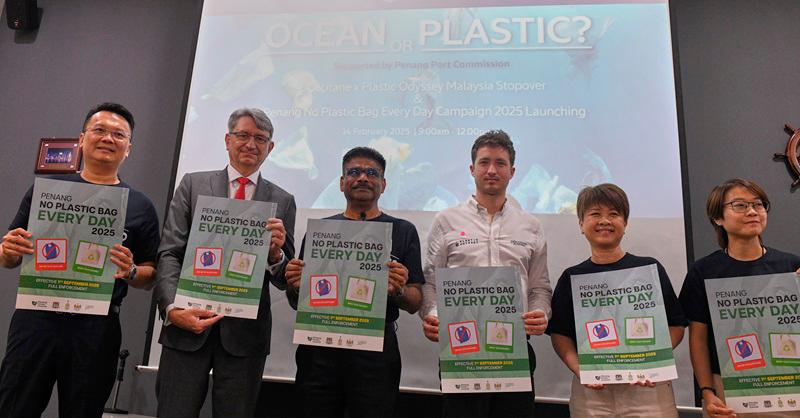
The evolution of anti-plastic bag policies has been a long and winding road. From the early 2000s, when the first bag bans were introduced, to the present day, where we see a global movement towards reducing plastic bag usage. The city of San Francisco was one of the first to introduce a ban on plastic bags in 2007. This move was followed by other cities and countries, with Italy introducing a nationwide ban on plastic bags in 2011. The 2010s saw a significant rise in the number of countries and cities adopting anti-plastic bag policies, with many introducing taxes and fines to discourage their use.
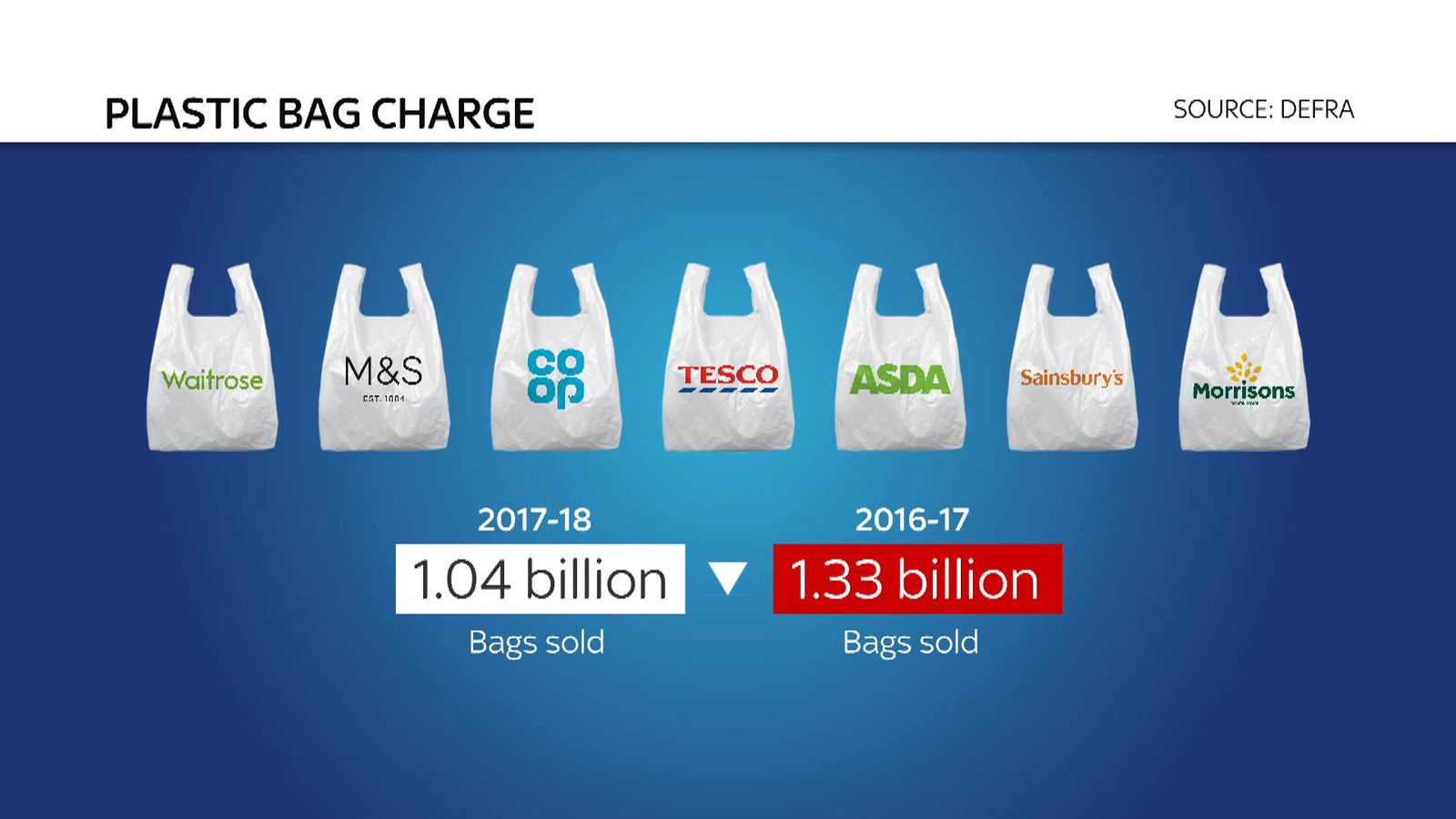
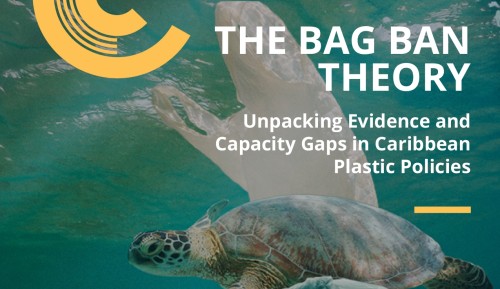
One of the most significant turning points in the evolution of anti-plastic bag policies was the introduction of the 5p plastic bag charge in the UK in 2015. This move led to a significant reduction in plastic bag usage, with reports suggesting a 85% decrease in the use of single-use plastic bags. The success of this policy has inspired other countries to follow suit, with many introducing similar charges and taxes. The 2010s also saw a growing awareness about the impact of plastic bags on marine life, with reports of sea turtles and other marine animals being affected by plastic bag pollution.
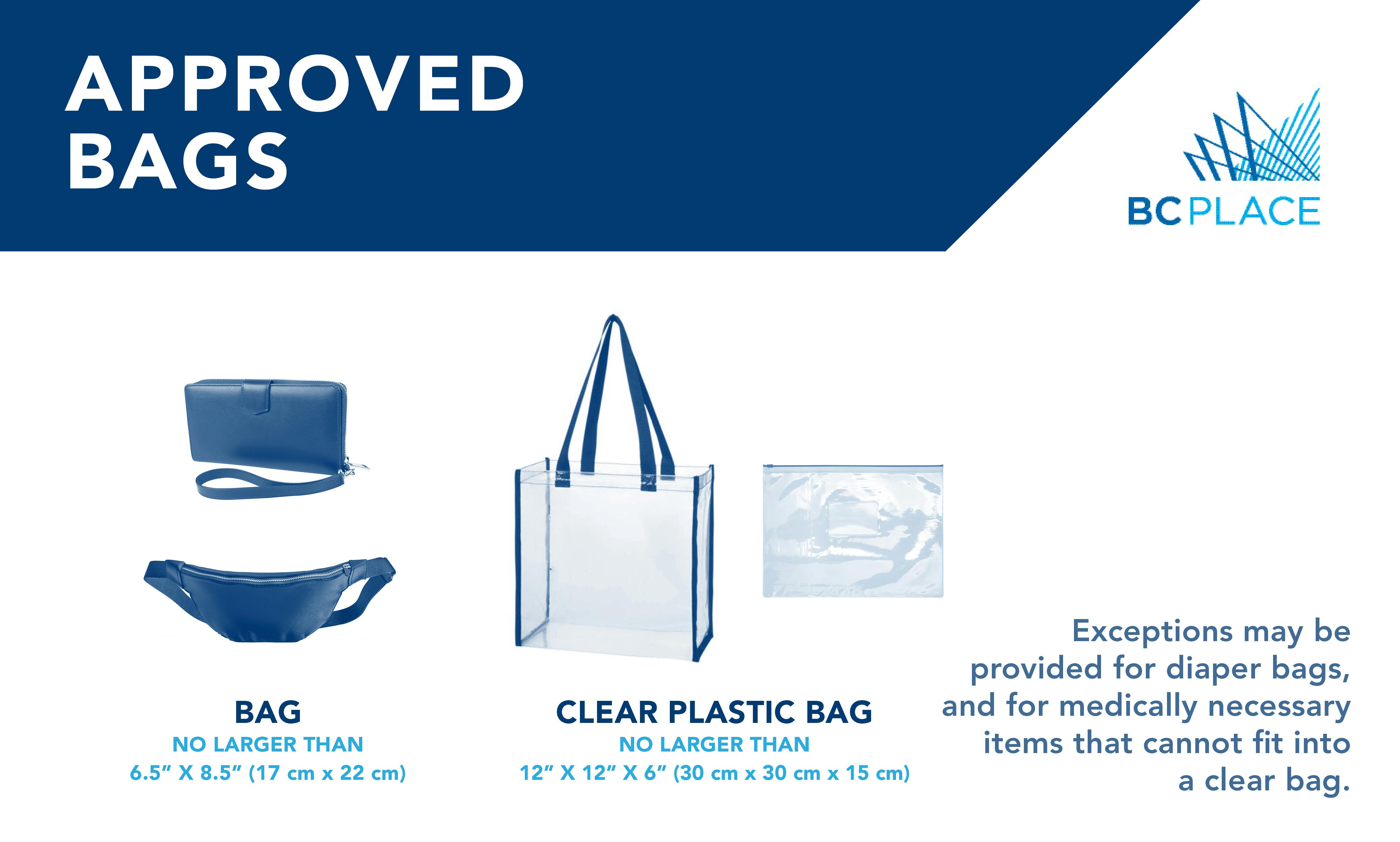
The European Union has also played a significant role in the evolution of anti-plastic bag policies. In 2015, the EU introduced a directive to reduce the use of plastic bags, with a goal of reducing their usage by 50% by 2019. This move has led to a significant reduction in plastic bag usage across the EU, with many countries adopting stricter policies and regulations. The 2020s are expected to see a continued growth in the adoption of anti-plastic bag policies, with many countries and cities aiming to become zero-waste and reduce their reliance on single-use plastics.
As we look back at the evolution of anti-plastic bag policies, it's clear that this movement has been driven by a growing awareness about the environmental impact of plastic bags. The media has played a significant role in raising awareness about the issue, with reports and documentaries highlighting the devastating effects of plastic bag pollution. The 2010s saw a significant rise in the number of environmental campaigns and activist groups focused on reducing plastic bag usage, with many organizations working towards a zero-waste future.
Modernizing Anti-Plastic Bag Policies
Today, we see a growing trend towards modernizing anti-plastic bag policies. Many cities and countries are adopting smart technologies to monitor and reduce plastic bag usage. The use of big data and analytics is helping governments and organizations to track plastic bag usage and identify areas where reduction efforts can be focused. The Internet of Things (IoT) is also being used to develop intelligent packaging solutions that can help reduce plastic bag usage.
The concept of circular economy is also being applied to anti-plastic bag policies. Many organizations are adopting a closed-loop system where plastic bags are collected, recycled, and reused. This approach is helping to reduce waste and promote the use of sustainable materials. The sharing economy is also being used to promote the use of reusable bags, with many companies offering bag-sharing services and rental schemes. As we look to the future, it's clear that technology will play a significant role in shaping the evolution of anti-plastic bag policies.
Frequently Asked Questions
What are the benefits of banning plastic bags?
The benefits of banning plastic bags are numerous. Firstly, it helps to reduce the amount of plastic waste in our oceans and environment. Plastic bags are one of the most common items found in beach cleanups and are a major contributor to marine pollution. By banning plastic bags, we can help to reduce the number of marine animals that are affected by plastic bag pollution. Secondly, banning plastic bags helps to reduce the amount of greenhouse gas emissions associated with their production and transportation. The production of plastic bags requires significant amounts of energy and resources, which can have a negative impact on the environment.
Another benefit of banning plastic bags is that it helps to promote the use of sustainable materials. Many cities and countries are promoting the use of reusable bags made from sustainable materials such as cotton, jute, and canvas. These bags are durable, long-lasting, and can be used multiple times, reducing the need for single-use plastic bags. Additionally, banning plastic bags helps to raise awareness about the importance of reducing plastic usage and promoting a zero-waste lifestyle. By banning plastic bags, we can help to educate people about the impact of their actions on the environment and promote a culture of sustainability.
How effective are taxes and fines in reducing plastic bag usage?
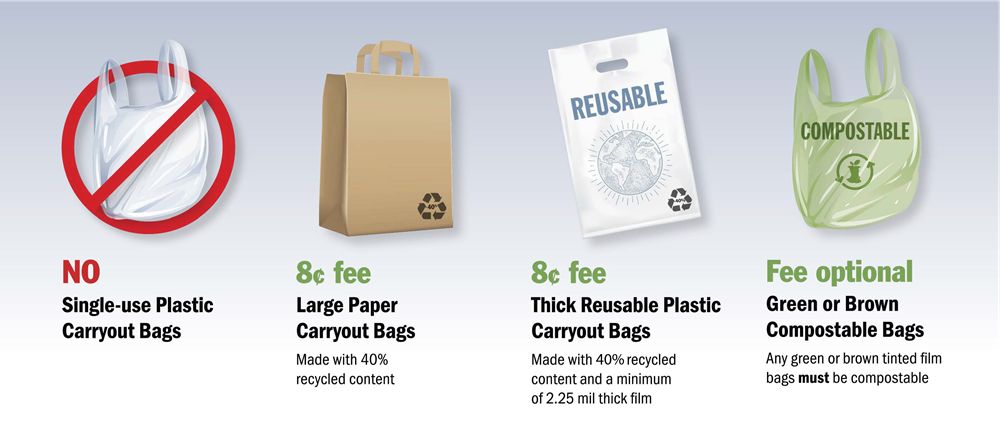
Taxes and fines have been shown to be effective in reducing plastic bag usage. The introduction of the 5p plastic bag charge in the UK in 2015 led to a significant reduction in plastic bag usage, with reports suggesting a 85% decrease in the use of single-use plastic bags. Similarly, the introduction of taxes and fines in other countries has led to a significant reduction in plastic bag usage. The key to the success of these policies is to ensure that the taxes and fines are high enough to discourage people from using plastic bags, but not so high that they become a burden on low-income households.
The revenue generated from taxes and fines can also be used to fund environmental initiatives and promote sustainable practices. Many cities and countries are using the revenue generated from plastic bag taxes to fund waste reduction programs and environmental education initiatives. Additionally, taxes and fines can help to promote the use of sustainable materials and encourage businesses to adopt more environmentally friendly practices. By making plastic bags more expensive, businesses are incentivized to explore alternative packaging options that are more sustainable and environmentally friendly.
What role can individuals play in reducing plastic bag usage?
Individuals can play a significant role in reducing plastic bag usage. One of the simplest ways to reduce plastic bag usage is to use reusable bags. Many people are now using reusable bags made from sustainable materials such as cotton, jute, and canvas. These bags are durable, long-lasting, and can be used multiple times, reducing the need for single-use plastic bags. Additionally, individuals can avoid using plastic bags by choosing products that are not packaged in plastic or by buying in bulk.
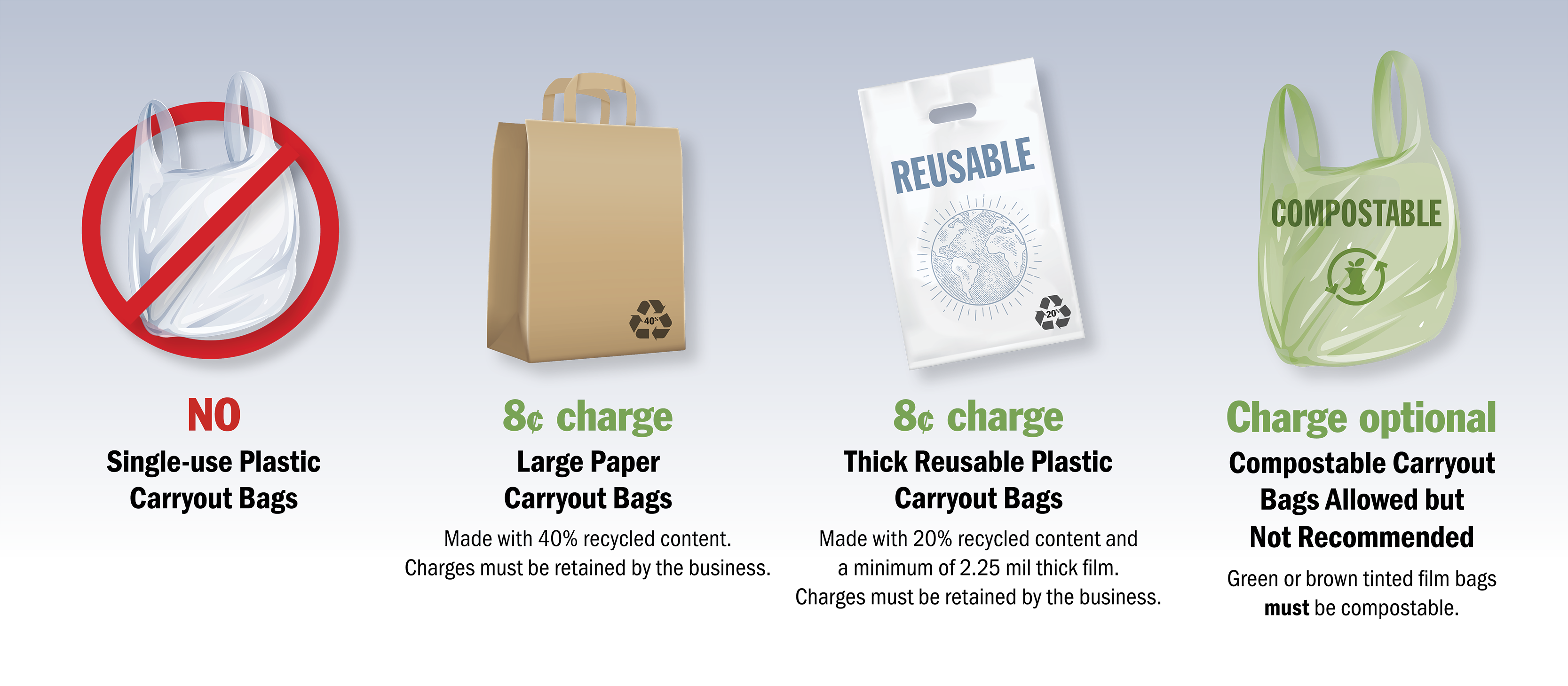
Individuals can also play a role in raising awareness about the impact of plastic bag usage on the environment. By sharing information and educate others about the importance of reducing plastic bag usage, individuals can help to promote a culture of sustainability. Many individuals are now using social media to raise awareness about the issue and promote sustainable practices. By working together, individuals can help to create a movement towards reducing plastic bag usage and promoting a zero-waste lifestyle. Additionally, individuals can support businesses and organizations that are working to reduce plastic bag usage and promote sustainable practices.
As we look to the future, it's clear that the topic of anti-plastic bag policies will continue to evolve. The next 20 years will see a significant shift towards reducing plastic bag usage and promoting sustainable practices. The United Nations has set a goal of reducing plastic bag usage by 50% by 2030, and many cities and countries are working towards this goal. The use of technology, such as big data and analytics, will play a significant role in helping to reduce plastic bag usage and promote sustainable practices.
The future of anti-plastic bag policies will also be shaped by the growing trend towards a circular economy. Many organizations are adopting a closed-loop system where plastic bags are collected, recycled, and reused. This approach is helping to reduce waste and promote the use of sustainable materials. The sharing economy is also being used to promote the use of reusable bags, with many companies offering bag-sharing services and rental schemes. As we look to the future, it's clear that the topic of anti-plastic bag policies will continue to be a major focus of environmental efforts, and individuals, businesses, and governments will need to work together to reduce plastic bag usage and promote a zero-waste lifestyle.