American Airlines Baggage Policy International
When it comes to traveling internationally, one of the most crucial aspects to consider is the baggage policy of your airline. For American Airlines, understanding their baggage policy is essential to avoid any unexpected fees or hassles during your journey. The concept of baggage policies has been around since the early days of commercial aviation, with airlines continually updating and refining their rules to accommodate changing passenger needs and increasing security concerns.
In today's fast-paced, globalized world, traveling with the right luggage and adhering to the airline's baggage policy is not just about convenience; it's about ensuring a smooth, stress-free travel experience. American Airlines, being one of the world's largest airlines, has a comprehensive baggage policy that applies to both domestic and international flights. This policy includes specifics on checked baggage, carry-on bags, special items, and fees associated with excess or oversized luggage. Understanding these details can make a significant difference in how you prepare for your trip.
Understanding the Basics of American Airlines Baggage Policy
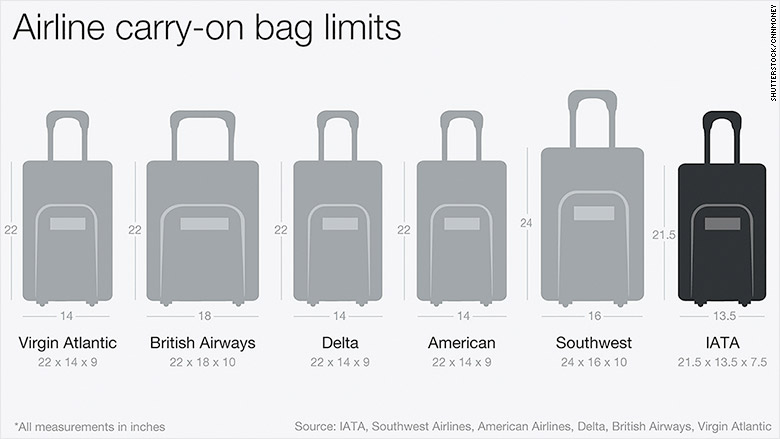
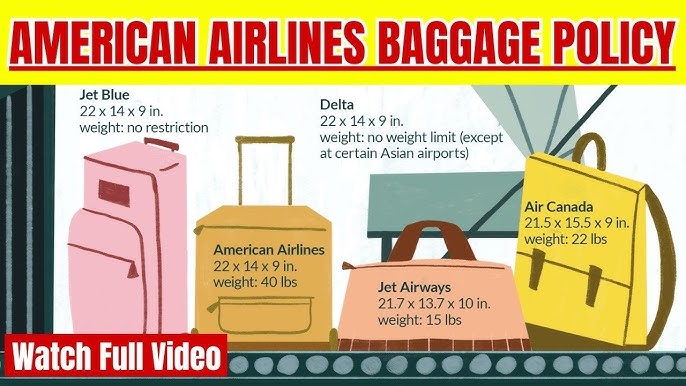
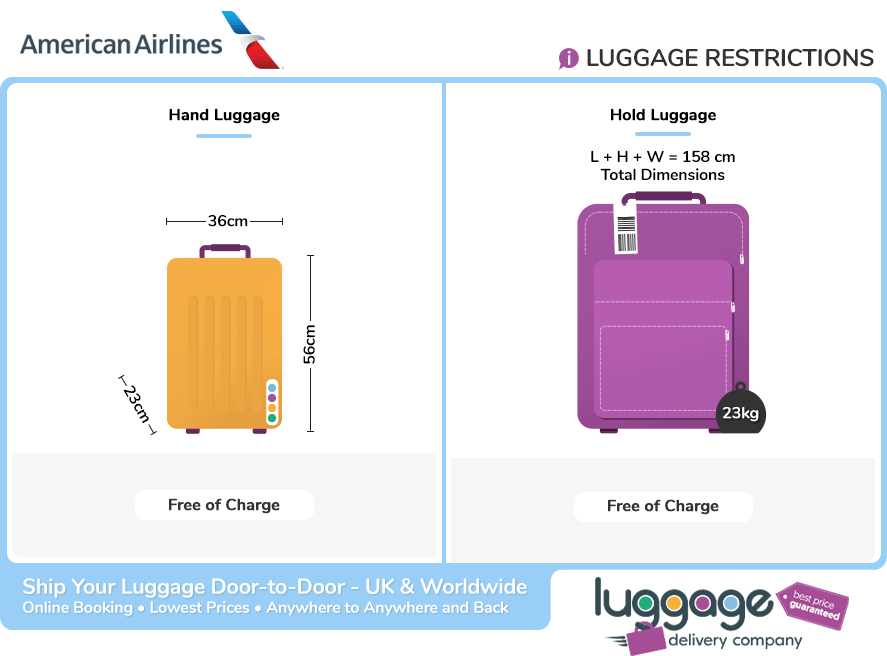
The basics of American Airlines' baggage policy for international flights revolve around the type and size of baggage you can carry or check-in. Generally, passengers are allowed one carry-on bag and one personal item, like a purse or laptop bag, with specific size restrictions. For checked baggage, the policy varies based on the route, class of service, and your elite status or credit card benefits. First Class and Business Class passengers usually have more generous allowances, including additional pieces and higher weight limits, compared to Economy passengers.
Must Read
One of the lesser-known facts about airline baggage policies is how they are influenced by international regulations and agreements. For instance, the Montreal Convention sets standards for liability in case of lost or damaged luggage, affecting how airlines structure their baggage handling and claims processes. This aspect highlights the complex interplay between airlines, regulatory bodies, and passenger rights, underscoring the importance of awareness and proactive planning by travelers.
Culturally, the way people travel and perceive luggage varies significantly. In some cultures, traveling light is preferred for flexibility and simplicity, while in others, carrying specific items is essential for personal or professional reasons. Understanding these cultural nuances can help in navigating the sometimes strict and varied baggage policies of international airlines like American Airlines. By acknowledging these differences, passengers can better align their travel preparations with what is acceptable and advisable.
Practical Insights and Scenarios for International Travelers
Planning ahead is crucial when it comes to baggage for international flights with American Airlines. This includes not just packing wisely but also being aware of any specific requirements or restrictions for your destinations, such as customs regulations or health and safety guidelines. For example, certain electronic devices or liquids may have particular requirements for carry-on versus checked luggage.

Case studies have shown that one of the most common issues faced by travelers is the surprise fees for excess or oversized baggage. To avoid this, American Airlines provides tools and resources on their website for calculating baggage fees and understanding the dimensions and weight limits for different types of luggage. Additionally, considering the class of service or investing in specific credit cards that offer free checked bags as a benefit can significantly reduce travel costs.
For special items like sports equipment or musical instruments, American Airlines has specific guidelines and sometimes requires advance notice or special handling. This highlights the importance of communicating with the airline well before your flight to ensure that your unique needs can be accommodated. Furthermore, being flexible with travel dates or routes can also lead to better baggage allowances or fewer restrictions, especially during off-peak seasons.
Another practical aspect to consider is how to efficiently pack and organize your luggage to maximize space and minimize the risk of damage or loss. Strategies include using packing cubes for better organization, labeling bags clearly, and ensuring that all essential documents and valuables are in your carry-on luggage. By being meticulous about packing and understanding the airline's policy, travelers can reduce stress and ensure a more enjoyable travel experience.
Frequently Asked Questions About American Airlines Baggage Policy
What are the size and weight restrictions for checked and carry-on baggage on American Airlines international flights?
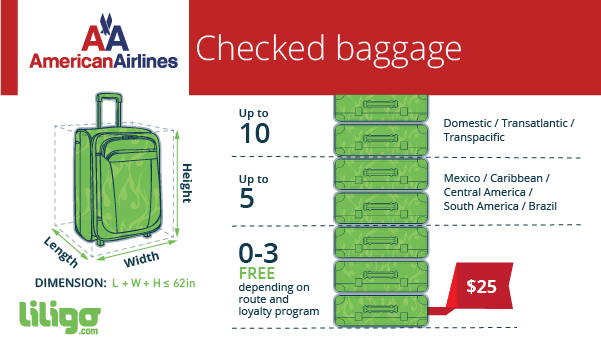
The size and weight restrictions for baggage on American Airlines international flights vary based on the class of service and type of ticket. Generally, carry-on bags should not exceed 22" x 14" x 9" in size, and checked bags typically have a 62" maximum size dimension and a weight limit of 50 pounds for most economy fares. However, First Class and Business Class tickets, as well as certain loyalty program memberships or credit card benefits, may offer more generous allowances.

Understanding these restrictions is critical to avoid additional fees or issues during check-in. American Airlines provides detailed information on their website, including a baggage calculator tool to help passengers determine the costs associated with their luggage. By being informed, travelers can make the most of their baggage allowance and pack accordingly, whether for a short trip or an extended international journey.
How do I calculate the cost of checking a bag on an American Airlines international flight?
Calculating the cost of checking a bag on an American Airlines international flight involves considering several factors, including the route, class of service, and whether you have any elite status or specific credit cards that offer free checked bags as a benefit. The airline's website offers a baggage fee calculator that can provide a precise estimate based on your travel details.
In addition to using the calculator, it's useful to familiarize yourself with the general baggage fee structure. First checked bags are often free for higher classes of service or loyalty members, while Economy passengers may incur a fee, typically in the range of $30 to $100, depending on the route and whether the payment is made online or at the airport. For second checked bags and beyond, or for bags that exceed the size or weight limits, additional fees apply.
Can I travel with special items like musical instruments or sports equipment on American Airlines international flights?
American Airlines allows the transportation of special items like musical instruments or sports equipment, but these often require special handling and may incur additional fees. For smaller instruments that fit in the overhead bin or under the seat, they can usually be carried on without extra charge, provided they comply with the carry-on size restrictions.

Larger items, such as bicycles, surfboards, or musical instruments that exceed carry-on dimensions, must be checked and may be subject to oversize or overweight fees. It's essential to contact American Airlines in advance to confirm their policies and any specific requirements, such as the need for hard-shell cases or advance notice for certain items.
How can I ensure my baggage is handled safely and efficiently by American Airlines during international flights?
To ensure your baggage is handled safely and efficiently by American Airlines, it's crucial to follow the airline's guidelines for labeling, packing, and checking your luggage. This includes using durable luggage tags and ensuring your contact information is clearly visible, as well as packing valuables and essentials in your carry-on bag.
Additionally, utilizing the airline's baggage tracking system can provide real-time updates on the location of your checked bags, giving you peace of mind during your journey. Being present during baggage loading and unloading, when possible, and reporting any issues promptly to the airline's customer service can also help in minimizing the risk of loss or damage.
Are there any specific international destinations where American Airlines has unique baggage restrictions or requirements?
Yes, for certain international destinations, American Airlines may have unique baggage restrictions or requirements due to local regulations, customs restrictions, or operational limitations. For example, some countries have strict regulations on the importation of specific items, such as food, plant, or animal products, which could affect what you can pack in your checked or carry-on baggage.

It's also worth noting that for flights to or from certain regions, additional security screening or baggage handling procedures may apply. American Airlines advises passengers to check the specific travel requirements for their destination and to comply with all local and international regulations. By doing so, travelers can avoid any complications or delays during their journey.
Reflections on the Relevance of Baggage Policies to Daily Life and Human Nature
The concept of baggage policies extends beyond the realm of air travel, reflecting broader aspects of human nature and our daily lives. The way we pack and prepare for trips can reveal our personalities, priorities, and values. For instance, some individuals might prioritize efficiency and minimalism, traveling light to avoid hassle, while others might emphasize comfort and preparedness, packing extensively for every possible scenario.
This dichotomy speaks to deeper psychological aspects, such as our tolerance for uncertainty, our need for control, and how we perceive freedom and flexibility. Understanding and respecting these differences can foster more empathetic and considerate interactions, whether among travelers, airline staff, or in our personal relationships.
Moreover, the experience of dealing with baggage policies can serve as a metaphor for life's challenges and how we approach them. It teaches us about adaptability, planning, and the importance of clear communication. By navigating the complexities of airline baggage policies, we hone skills that are valuable in many other contexts, from professional project management to personal goal setting. In essence, the way we handle our baggage, literal and metaphorical, reflects our capacity to navigate life's obstacles with grace, resilience, and a sense of adventure.