After Having Sex Why Does It Burn To Pee

For many of us, sex is a natural and essential part of life, bringing immense pleasure and intimacy. However, for some, it can also lead to an unexpected and uncomfortable consequence: the burning sensation while urinating after intercourse. This phenomenon, although not uncommon, is shrouded in mystery and often misunderstood. Its origins date back to ancient times, with evidence of similar complaints found in medieval medical texts. Yet, despite its long history, the burning sensation after sex remains a topic of whispers rather than open discussions, affecting individuals across cultures and ages.
The significance of addressing this issue lies not only in alleviating the physical discomfort it causes but also in breaking down the stigma surrounding sexual health. In a world where sexual education often focuses on the basics of contraception and STD prevention, the nuances of sexual health, such as post-intercourse burning, are frequently overlooked. This lack of information can lead to confusion, anxiety, and in some cases, the avoidance of sexual activity altogether. By shedding light on this topic, we aim to normalize discussions about sexual health and provide individuals with the knowledge they need to navigate their bodies with confidence and comfort.
Understanding the Phenomenon
To grasp why it burns to pee after sex, it's essential to understand the physiological and psychological factors at play. Urinary Tract Infections (UTIs) are a common culprit, with symptoms that can be triggered or exacerbated by sexual activity. The friction during intercourse can cause micro-trauma to the urethra, making it more susceptible to bacterial invasion. Moreover, the female urethra's proximity to the anus increases the risk of bacterial transfer, leading to infections. While UTIs are more prevalent in women, men can also experience them, especially if they have an uncircumcised penis or engage in anal sex without proper hygiene.
Another lesser-known fact is the role of hormonal fluctuations in influencing the pH balance of the vagina and, by extension, affecting urinary health. During sexual arousal, the increased blood flow to the genital area can lead to changes in the vaginal environment, potentially affecting the natural barrier that prevents bacteria from ascending into the urinary tract. This complex interplay between sexual activity, hormonal changes, and urinary health underscores the need for a holistic approach to understanding and addressing post-intercourse burning.
Culturally, the stigma surrounding sexual health issues prevents many individuals from seeking help or discussing their symptoms openly. The social stigma attached to sexual problems can lead to feelings of embarrassment, isolation, and even shame, further complicating the issue. It's crucial to recognize that sexual health is an integral part of overall well-being, deserving of the same attention and care as any other aspect of health. By fostering a culture of openness and understanding, we can empower individuals to take control of their sexual health without fear of judgment or repercussions.
Practical Insights and Solutions
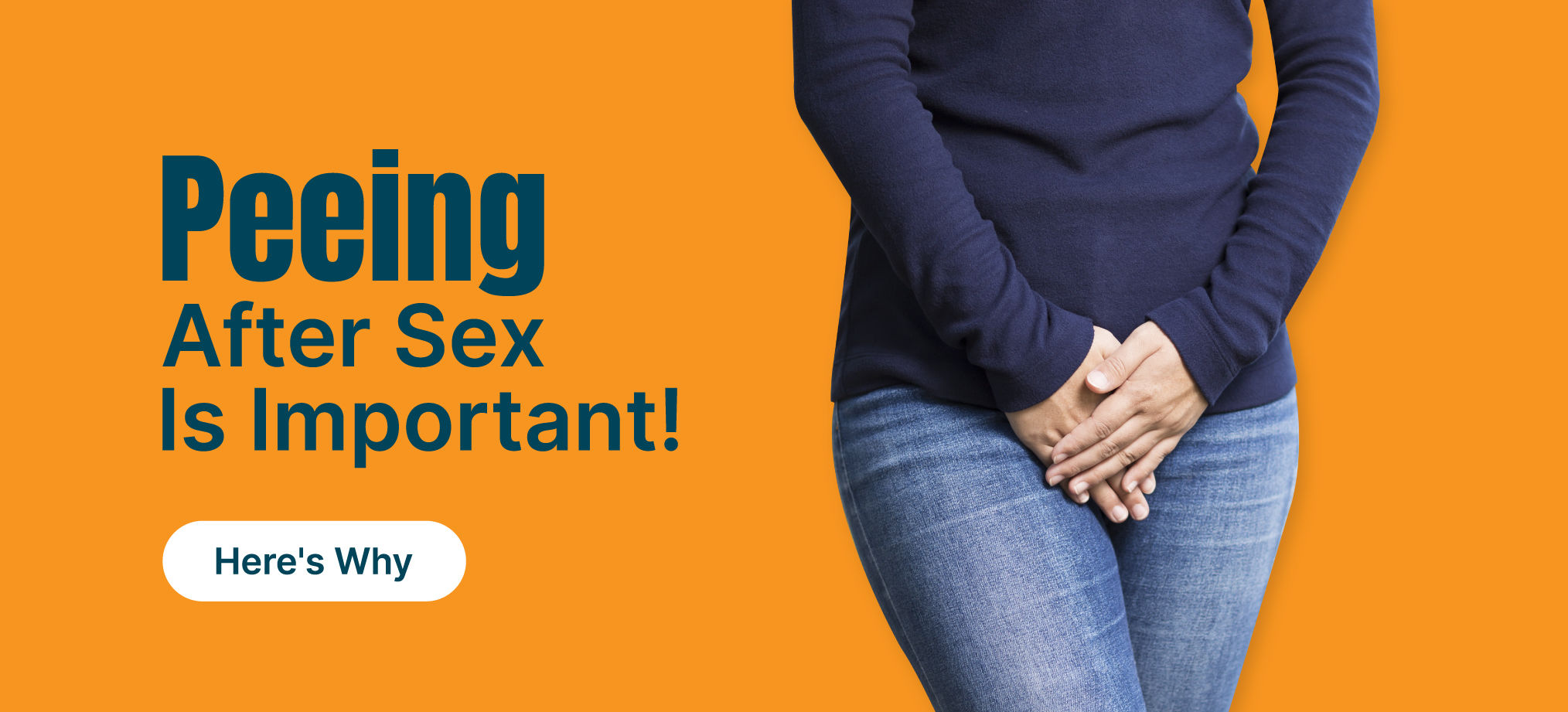
So, what can you do if you experience burning after sex? First and foremost, it's critical to practice good hygiene, ensuring to wipe from front to back to minimize the risk of transferring bacteria from the anus to the urethra. After intercourse, drinking plenty of water can help flush out bacteria and reduce the concentration of urine, which can irritate the urethra and exacerbate burning sensations. Additionally, urinating after sex can help remove bacteria that may have entered the urethra during intercourse.

For women, using lubricants during sex can reduce friction and the risk of micro-trauma to the urethra. It's also essential to avoid using scented soaps or douches, as these can disrupt the natural pH balance of the vagina and increase the risk of infections. In cases where burning persists or is accompanied by other symptoms such as fever, frequent urination, or abdominal pain, seeking medical attention is crucial. A healthcare provider can diagnose the underlying cause and provide appropriate treatment, whether it's antibiotics for a UTI or other interventions for more complex issues.
Incorporating preventative measures into your sexual health routine can significantly reduce the risk of experiencing burning after sex. This includes practicing safe sex, getting regular check-ups, and maintaining open communication with your partner about any discomfort or concerns. By being proactive about your sexual health, you can enjoy a more fulfilling and healthy sex life.
For couples, communication is key. Discussing sexual health openly can help prevent misunderstandings and ensure that both partners are comfortable and aware of each other's needs and boundaries. This open dialogue can also foster a deeper sense of intimacy and trust, enhancing the overall quality of the relationship. Furthermore, educating oneself about sexual health can empower individuals to make informed decisions about their bodies and sexual activities, promoting a healthier and more positive approach to sexuality.
Frequently Asked Questions
What are the most common causes of burning after sex?
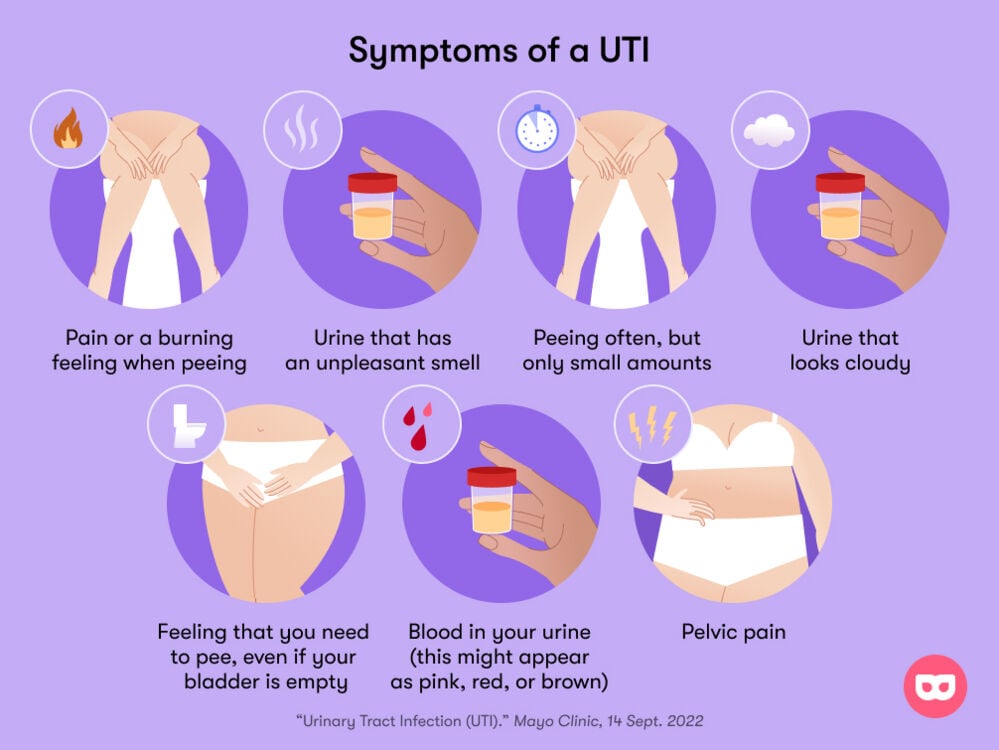
The most common causes of burning after sex include urinary tract infections (UTIs), friction during intercourse leading to urethral irritation, and in some cases, sexually transmitted infections (STIs). UTIs are particularly prevalent due to the proximity of the urethra to the anus in women and the potential for bacterial transfer during sex. Understanding these causes is crucial for effective prevention and treatment. By recognizing the signs of UTIs, such as frequent urination, pelvic pain, and a strong urge to urinate, individuals can seek medical attention promptly, reducing the risk of complications.
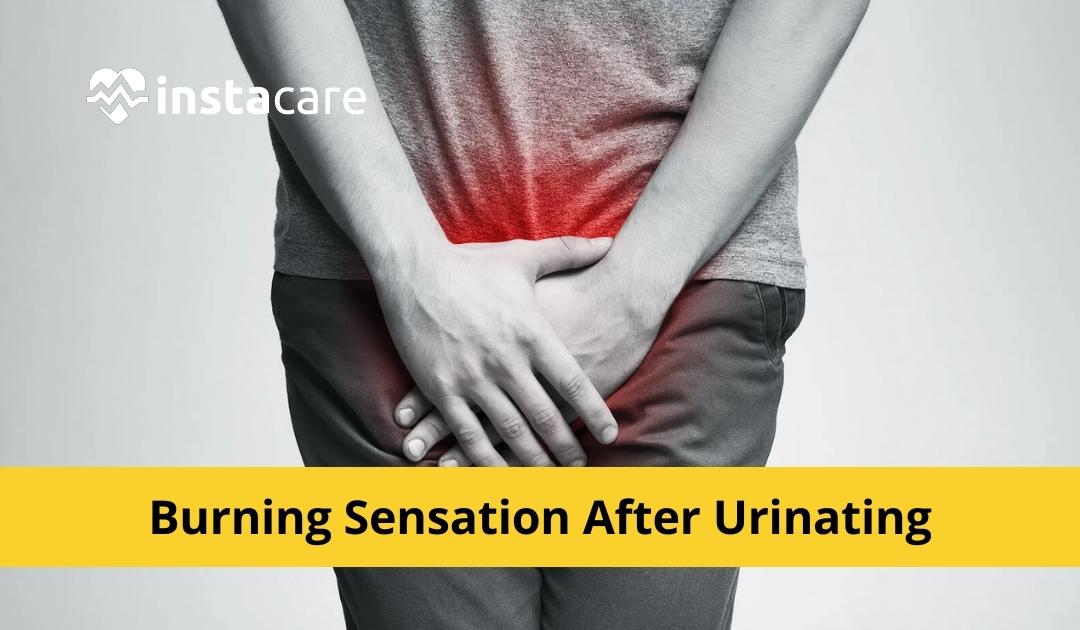
In addition to UTIs, other factors such as dryness or lack of lubrication during sex can contribute to discomfort and burning sensations. Using lubricants can help alleviate this issue, but it's also important to address any underlying infections or conditions that may be contributing to the burning. A healthcare provider can offer guidance on the best course of action, whether it involves antibiotics, lifestyle changes, or other treatments. By addressing the root cause of the burning, individuals can find relief and enjoy a healthier sex life.
How can I prevent burning after sex?
Preventing burning after sex involves a combination of good hygiene practices, safe sex habits, and maintaining a healthy lifestyle. Drinking plenty of water helps to flush out bacteria and keep the urinary tract clean. Avoiding tight clothing and wiping from front to back after using the bathroom can also reduce the risk of bacterial transfer. Additionally, urinating after sex and avoiding holding in urine for too long can help prevent bacteria from multiplying in the urinary tract.
Furthermore, practicing safe sex, including the use of condoms and dental dams, can prevent the spread of STIs that may cause burning sensations. Regular sexual health check-ups can also help identify any potential issues early on, allowing for timely intervention. By incorporating these practices into your routine, you can significantly reduce the risk of experiencing burning after sex and maintain good sexual health.
Is burning after sex a sign of an STI?
Burning after sex can be a symptom of certain sexually transmitted infections (STIs), such as chlamydia, gonorrhea, or herpes. However, it's not exclusively a sign of an STI, as other conditions like UTIs can also cause similar symptoms. If you're experiencing burning after sex, especially if accompanied by other symptoms such as discharge, abdominal pain, or fever, it's essential to consult a healthcare provider for a proper diagnosis and treatment.

A thorough medical examination and testing can determine if an STI is present. In the meantime, practicing safe sex and avoiding sexual contact with others can prevent the potential spread of an infection. It's also crucial to follow the treatment plan recommended by your healthcare provider, as untreated STIs can lead to serious health complications, including infertility and increased risk of HIV transmission.
Can men experience burning after sex?
Yes, men can experience burning after sex, although it's less common than in women due to differences in anatomy. Men may experience burning sensations due to urethritis, an inflammation of the urethra, often caused by bacterial or viral infections. STIs such as gonorrhea and chlamydia are common causes of urethritis in men, leading to symptoms like burning during urination, discharge, and pain during ejaculation.
Other factors, such as prostate issues or urinary tract problems, can also contribute to burning sensations in men. If a man experiences persistent or severe burning after sex, it's vital to seek medical attention to identify and treat the underlying cause. Early intervention can prevent long-term damage and ensure that any infections are properly managed, reducing the risk of complications and promoting sexual health.
How can I talk to my partner about burning after sex?
Discussing sensitive topics like burning after sex with your partner can be challenging, but open communication is key to addressing the issue. Choosing the right time and place for the conversation, where both parties feel comfortable and won't be interrupted, can help set a positive tone for the discussion. It's essential to approach the conversation with empathy and honesty, explaining how the burning affects you and expressing your concerns in a non-accusatory manner.

Using "I" statements instead of "you" statements can help avoid blame and defensiveness, fostering a more constructive dialogue. For example, saying "I've noticed that I sometimes experience burning after sex, and I'm concerned it might be related to our sexual activity" can open up a discussion about mutual comfort and sexual health. By working together and maintaining an open dialogue, couples can find solutions that enhance their sexual experience and strengthen their relationship.
The issue of burning after sex, though often stigmatized, is a common experience for many individuals. It underscores the importance of sexual health education and the need for open, honest discussions about sexuality and bodily experiences. By acknowledging the complexities of sexual health and addressing them with sensitivity and knowledge, we can work towards a society where individuals feel empowered to prioritize their sexual well-being without fear of judgment.
Furthermore, recognizing the interconnectedness of physical and mental health is crucial in addressing burning after sex. The experience can have psychological implications, such as anxiety or embarrassment, which can further complicate the issue. Therefore, a holistic approach that considers both the physical and emotional aspects of sexual health is essential. This includes not only medical treatments but also counseling and educational resources that can help individuals navigate their sexual health with confidence and positivity.
In conclusion, burning after sex is a multifaceted issue that requires a comprehensive understanding of its causes, prevention strategies, and the importance of open communication. By shedding light on this often-overlooked aspect of sexual health, we aim to empower individuals with the knowledge and confidence to manage their sexual well-being effectively. Whether through preventative measures, seeking medical advice when necessary, or fostering a culture of openness about sexual health, we can work towards a future where sexual experiences are characterized by pleasure, intimacy, and mutual respect.