Why Is Joseph Of Arimathea The Patron Of Funeral Directors
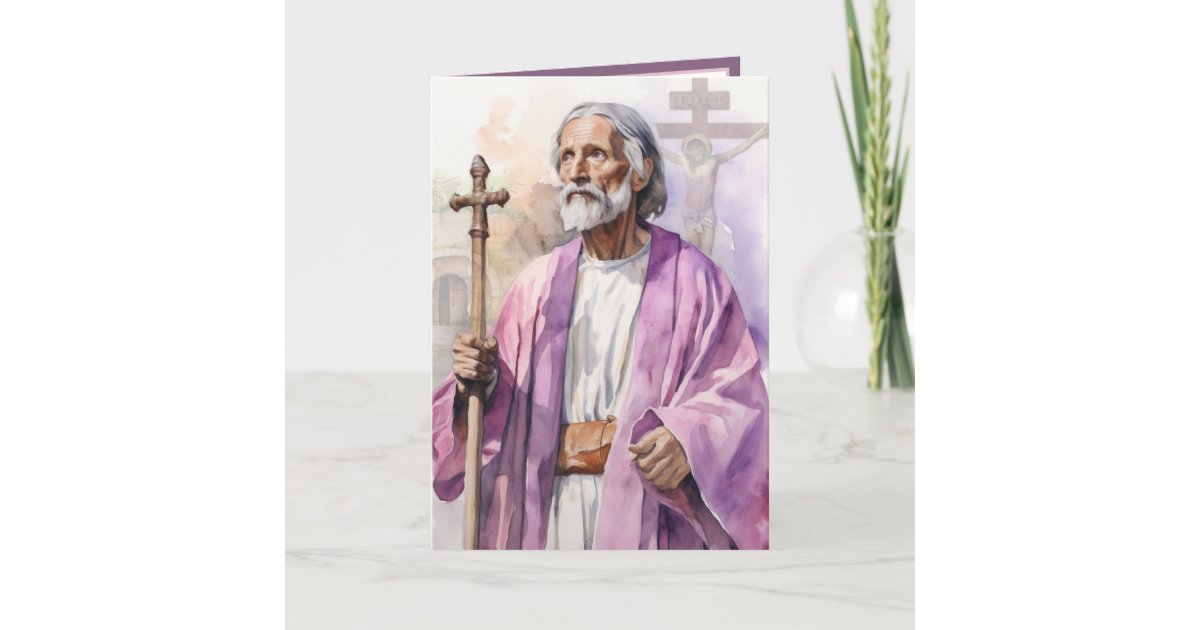
When it comes to funeral directors, there's a patron saint who's often overlooked, but plays a significant role in the profession - Joseph of Arimathea. Little known to many, Joseph of Arimathea is a biblical figure who has been associated with funeral directors for centuries. His story is one of kindness, generosity, and compassion, making him the perfect patron for those in the funeral industry.
Who is Joseph of Arimathea?
Joseph of Arimathea was a wealthy and influential man who lived during the time of Jesus Christ. According to the New Testament, he was a member of the Sanhedrin, a council of Jewish leaders who oversaw the trial of Jesus. Despite being part of the council, Joseph of Arimathea disagreed with the decision to crucify Jesus and instead, showed great compassion and kindness towards him.
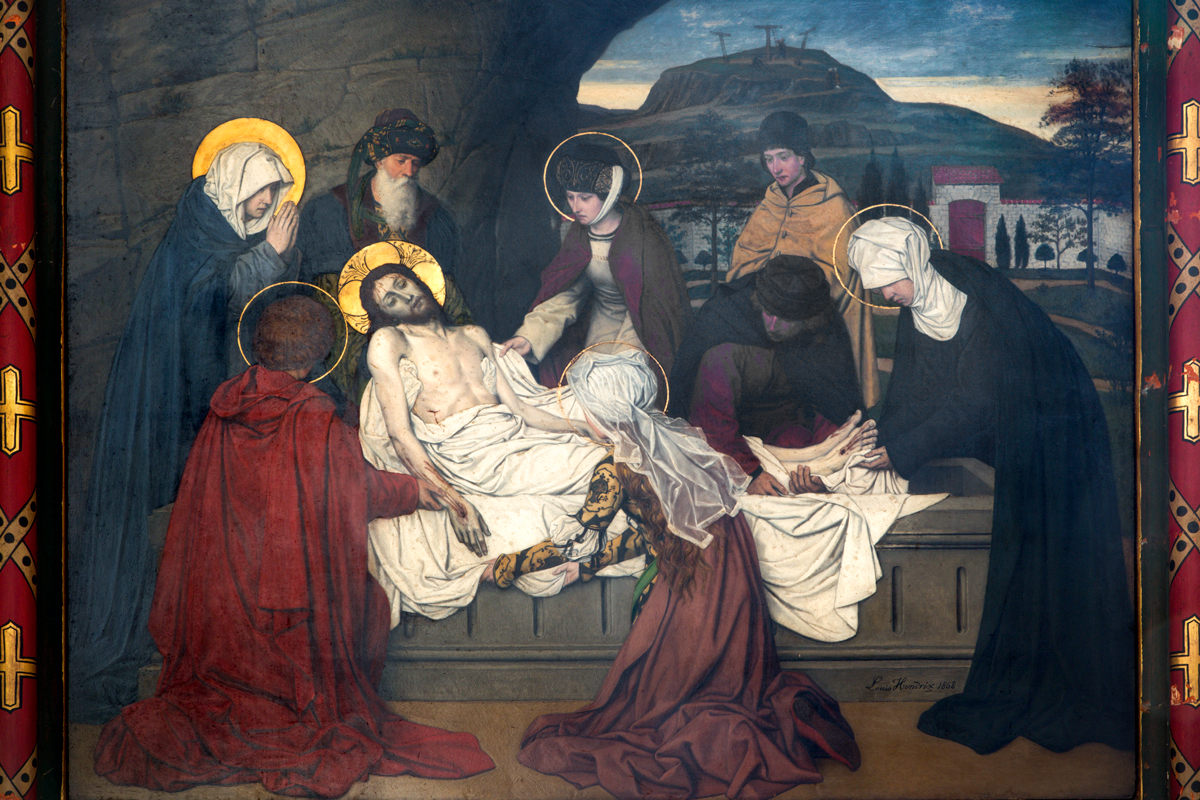
After Jesus' crucifixion, Joseph of Arimathea bravely approached Pontius Pilate, the Roman governor, and requested permission to take Jesus' body for burial. He then laid Jesus in his own tomb, providing a place of rest and dignity for the deceased. This selfless act has made Joseph of Arimathea a revered figure in Christian tradition, and his association with funeral directors a natural fit.
Must Read
- Heart Of Mexico City Football: Pinpointing The Azteca Stadium Location
- Guadalajara Stadium Parking Guide: Avoid The Matchday Traffic
- Houston Stadium Bag Policy: Clear Bag Rules For Visitors
- Sofi Stadium Capacity: How Many Fans It Can Hold
- Reliant Stadium Parking: A Guide To The Old Name And Current Venue
The Symbolism Behind the Patronage
The reasons why Joseph of Arimathea is considered the patron of funeral directors are multifaceted. For one, his actions demonstrate a deep respect for the dead and a commitment to ensuring they are treated with dignity. This is a core value of the funeral profession, where directors work tirelessly to provide comfort and support to grieving families. Additionally, Joseph of Arimathea's bravery in the face of adversity serves as a powerful inspiration for funeral directors, who often have to navigate difficult and emotional situations.
In modern times, the role of funeral directors has evolved, but the core values of compassion, kindness, and respect remain the same. By embracing Joseph of Arimathea as their patron, funeral directors are reminded of the importance of these values in their daily work. Whether it's helping families plan a personalized service or providing emotional support during a difficult time, funeral directors play a vital role in the grieving process.

Cultural References and Fun Facts
Joseph of Arimathea has appeared in various forms of art and literature throughout history, from medieval paintings to modern novels. He's often depicted as a wise and compassionate figure, emphasizing his importance in Christian tradition. Interestingly, the Legends of King Arthur also feature Joseph of Arimathea, who is said to have brought the Holy Grail to Britain, adding a touch of mythology to his already fascinating story.
In popular culture, funeral directors have been portrayed in various ways, from the comedy of Six Feet Under to the drama of The Funeral. While these depictions may not always be accurate, they highlight the complexities and challenges of the profession. By looking to Joseph of Arimathea as a patron, funeral directors can draw inspiration from his examples of kindness, respect, and bravery.

Practical Tips and Reflections
For those interested in learning more about Joseph of Arimathea and his significance in the funeral profession, there are many resources available, from historical texts to online articles. By exploring these resources, individuals can gain a deeper understanding of the values and principles that guide funeral directors in their work. Additionally, funeral directors can reflect on Joseph of Arimathea's example and consider ways to incorporate more compassion, kindness, and respect into their daily practice.
As we go about our daily lives, we can all learn from Joseph of Arimathea's example, whether we're involved in the funeral profession or not. By showing empathy and understanding towards others, we can make a positive impact on those around us. As the ancient Greek philosopher, Aristotle, said, "We are what we repeatedly do. Excellence, then, is not an act, but a habit." By making kindness and compassion a habit, we can create a more supportive and caring community, one that values the dignity and worth of every individual.
In conclusion, Joseph of Arimathea's patronage of funeral directors serves as a powerful reminder of the importance of compassion, kindness, and respect in the profession. By embracing his example and values, funeral directors can provide even more meaningful support to grieving families and help them navigate difficult times. As we reflect on Joseph of Arimathea's story, we're encouraged to think about how we can apply these values in our own lives, creating a ripple effect of kindness and empathy that can have a lasting impact on those around us.