What's The Difference Between A Memorial And A Funeral
The way we bid farewell to our loved ones is a solemn and deeply personal affair. For centuries, humans have been grappling with the best ways to honor the deceased, and two terms often used interchangeably are memorial and funeral. However, there's a significant difference between the two, rooted in history, culture, and the emotional needs of the grieving. Understanding this distinction is crucial in navigating the complex landscape of bereavement and ensuring that we pay our respects in a manner that is both meaningful and healing.
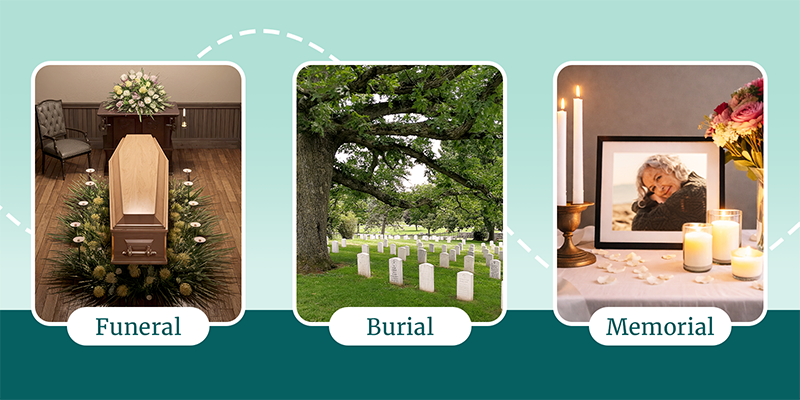
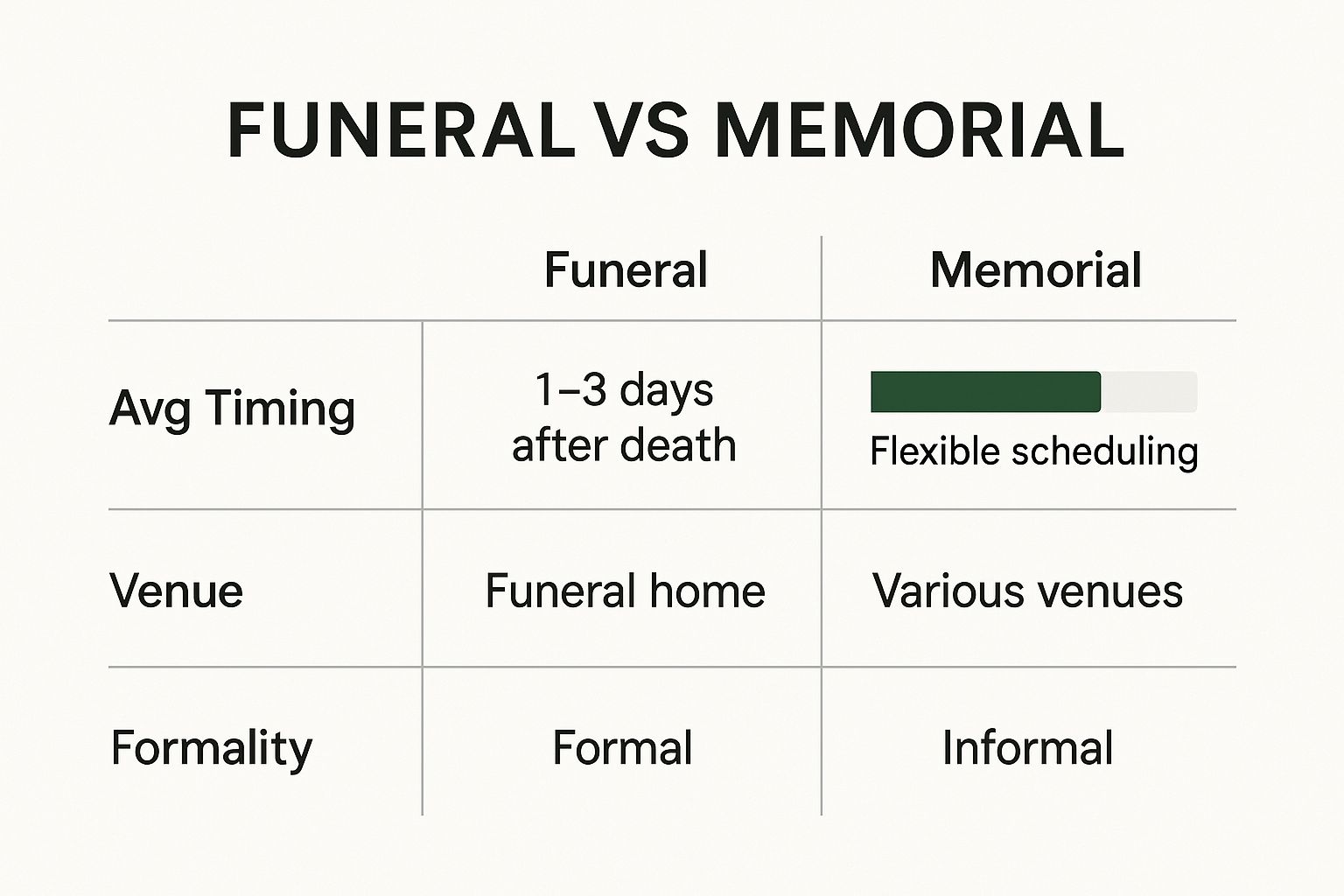
Historically, funerals have been the more traditional and widely practiced form of saying goodbye. Typically involving the physical presence of the deceased, funerals often include a ritual or ceremony where family and friends gather to pay their respects. This can involve viewing the body, listening to eulogies, or participating in religious or cultural practices. On the other hand, a memorial service is a celebration of the person's life, which may or may not include the body. Memorials can be held at any time after the passing and are designed to honor the memory and legacy of the individual. With the evolving nature of societal values and the increasing personalization of life's significant events, the lines between these two have begun to blur, leading to a more tailored approach to mourning.
Exploring the Distinctions
Diving deeper into the nuances of memorials and funerals, it becomes apparent that these services cater to different emotional and psychological needs. Funerals, with their focus on the immediate aftermath of death, serve as a formal acknowledgment of the loss. They provide a structure and a shared experience for the grieving, helping to process the initial shock and disbelief. Memorials, however, offer a space for reflection on the life lived. They are an opportunity to share stories, memories, and the impact the person had on those around them, fostering a sense of community and continuity.
Must Read
- Heart Of Mexico City Football: Pinpointing The Azteca Stadium Location
- Guadalajara Stadium Parking Guide: Avoid The Matchday Traffic
- Houston Stadium Bag Policy: Clear Bag Rules For Visitors
- Sofi Stadium Capacity: How Many Fans It Can Hold
- Reliant Stadium Parking: A Guide To The Old Name And Current Venue
From a cultural perspective, the preference for funerals or memorials can vary significantly. Some cultures place a strong emphasis on the ritual of the funeral, viewing it as an essential step in the transition to the afterlife. In contrast, others may find comfort in the more flexible and personal nature of memorials, which can be tailored to reflect the personality, beliefs, and values of the deceased. Understanding these cultural differences is vital for creating services that are respectful and meaningful to all parties involved.
The psychological aspect of these services should not be overlooked. Funerals provide a clear ritual that can help individuals begin the grieving process. The act of saying goodbye, whether through viewing the body or participating in a ceremony, can be a crucial step in accepting the loss. Memorials, on the other hand, allow for a continued connection with the deceased, celebrating their life and the memories shared. This can offer comfort and solace, especially in the days and weeks following the loss, when the reality of the absence begins to sink in.
Practical Considerations and Modern Trends
In planning either a funeral or a memorial, there are numerous practical considerations to keep in mind. For funerals, decisions regarding the viewing, burial, or cremation must be made, along with choosing a venue, officiant, and any specific rituals or practices to be included. Memorials offer more flexibility but still require thought regarding the location, the sharing of memories, and how to represent the person being honored. Modern trends have seen an increase in personalized services, with elements such as personalized ceremonies, unique venues, and the incorporation of personal items or achievements of the deceased.
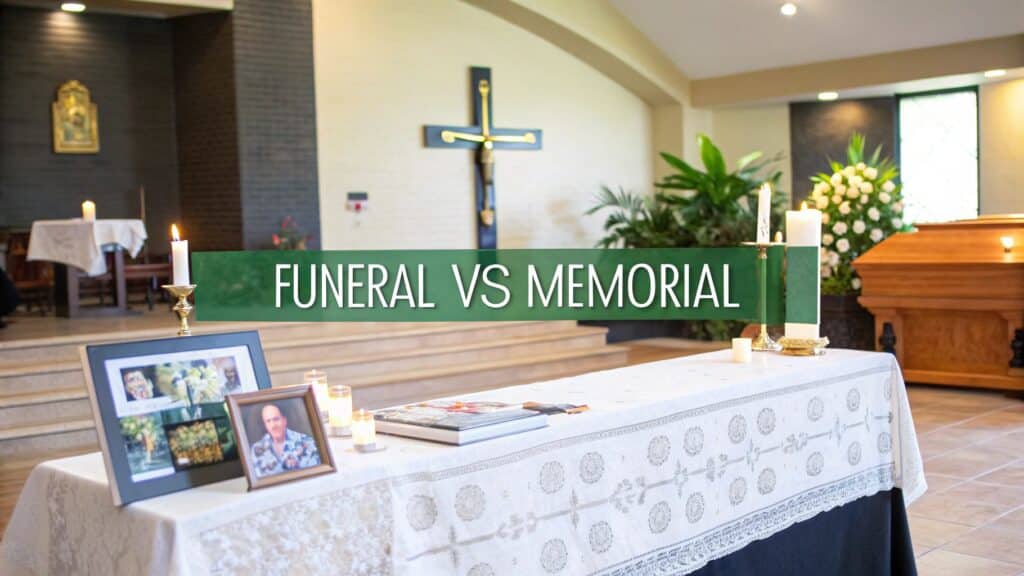
Scenarios where families might choose one over the other can vary. For instance, a family might opt for a memorial if the deceased had expressed a wish for no traditional funeral or if the body was donated to science. Conversely, cultural or religious beliefs may dictate that a funeral is the more appropriate choice. In some cases, families may choose to have both, starting with a funeral to address the immediate need for closure, followed by a memorial at a later date to celebrate the life and legacy of the loved one.
Case studies of individuals and communities coming together to create unique and meaningful services highlight the importance of flexibility and personalization. For example, a service held in a park because it was a favorite spot of the deceased, or incorporating the person's hobbies or passions into the ceremony. These actions not only honor the individual but also provide a sense of comfort and healing to those mourning.
Actionable takeaways for those planning such services include taking the time to understand the wishes of the deceased, if known, and involving family and friends in the planning process to ensure the service is a true reflection of the person being honored. Additionally, being open to new and creative ways to celebrate a life can lead to a more fulfilling and healing experience for all involved.
Frequently Asked Questions
What is the primary difference between a memorial and a funeral?
The primary difference lies in their focus and timing. A funeral is typically held shortly after death and involves the physical presence of the body, with an emphasis on the ritual of saying goodbye. A memorial, on the other hand, is a celebration of life that can be held at any time and focuses on honoring the memory and legacy of the deceased. While funerals are more about the act of grieving and processing the loss, memorials are about remembering and celebrating the life lived.
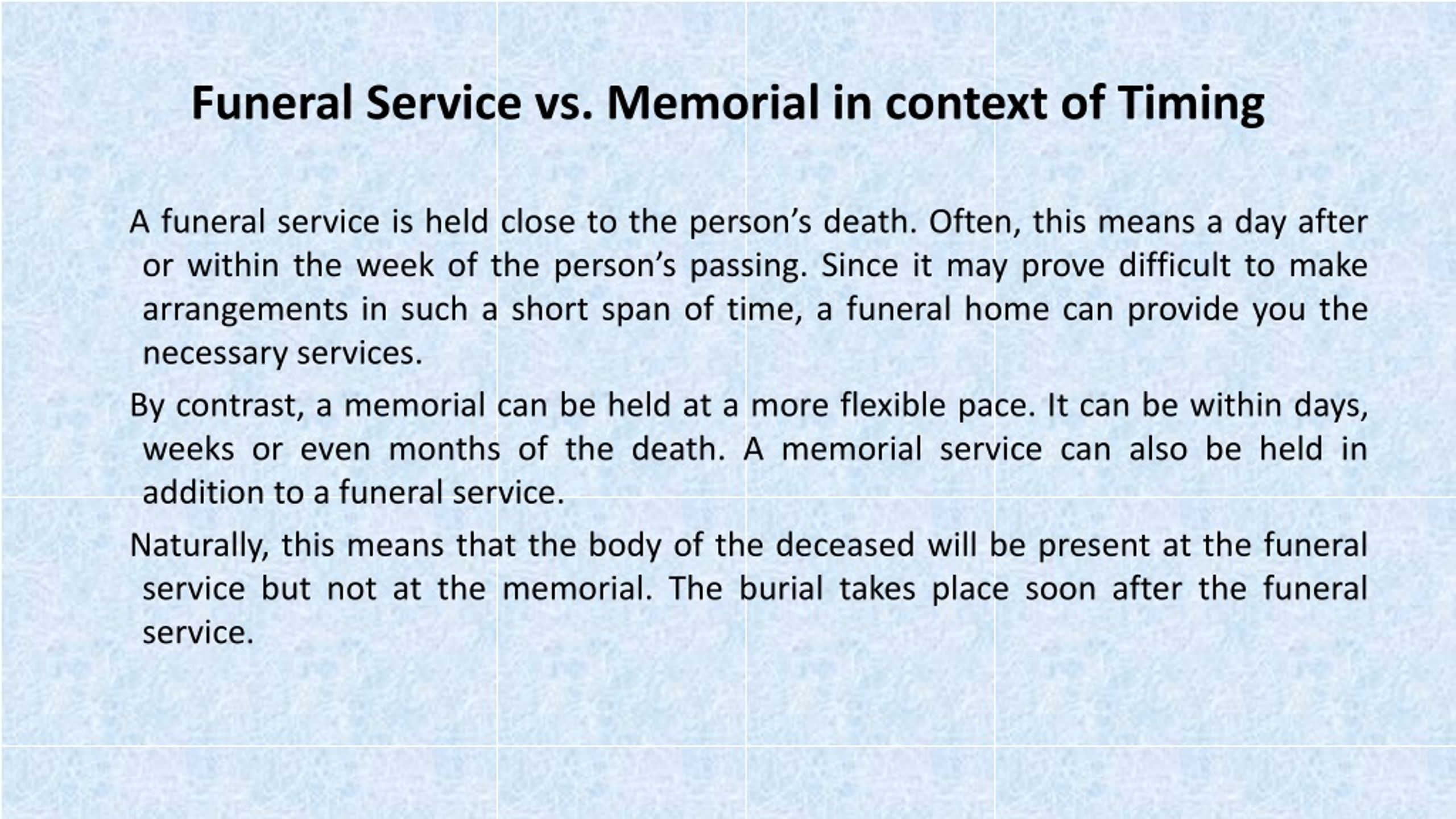
This distinction is crucial as it addresses different needs and provides different benefits to the grieving. Funerals offer a structured and communal experience for immediate mourning, while memorials provide a flexible and personalized platform for reflection and celebration. Understanding and respecting these differences can help in planning services that are both meaningful and healing.
How do cultural and religious beliefs influence the choice between a memorial and a funeral?
Cultural and religious beliefs play a significant role in determining whether a funeral or a memorial is more appropriate. Different cultures and religions have specific rituals, practices, and beliefs surrounding death and the afterlife, which can dictate the type of service that is held. For example, some religions may require certain rites to be performed at the time of death, which would be more in line with a traditional funeral. On the other hand, some cultures may emphasize the celebration of life, making a memorial the preferred choice.
Being respectful and knowledgeable of these beliefs is essential in planning a service. It involves understanding the specific requirements, taboos, and preferences of the family's cultural or religious background. This not only ensures that the service is conducted in a way that is respectful and meaningful to the family and their community but also provides a sense of authenticity and comfort during a difficult time.
Can a memorial and a funeral be combined, and if so, how?
Yes, it is entirely possible to combine elements of both a funeral and a memorial into a single service or to hold them as separate events. This approach can cater to different needs and preferences, offering both the immediate closure of a funeral and the celebratory aspect of a memorial. For instance, a family might hold a small, intimate funeral service at a funeral home or place of worship, followed by a larger, more celebratory memorial service at a later date, possibly in a venue that was significant to the deceased.

Combining these services can be highly beneficial, allowing families and friends to both process their grief and celebrate the life of the loved one in a comprehensive and meaningful way. It requires careful planning to ensure a cohesive and impactful experience, considering the timing, location, and inclusion of specific rituals or personal elements that reflect the person's life and legacy.
What role does personalization play in modern memorials and funerals?
Personalization has become a cornerstone of modern funerals and memorials, allowing services to be tailored to reflect the personality, achievements, and values of the deceased. This can involve anything from playing the person's favorite music, displaying personal items or achievements, to holding the service in a location that held special meaning. Personalization makes the service more relatable and engaging for mourners, providing a deeper connection to the deceased and facilitating a more meaningful grieving process.
The trend towards personalization also reflects broader societal shifts towards individualism and the desire for unique experiences. In the context of funerals and memorials, this means moving away from traditional, one-size-fits-all services towards more bespoke celebrations of life. By incorporating personal elements, families can create services that not only honor their loved one but also provide a sense of comfort and healing through the celebration of shared memories and experiences.
How can technology be incorporated into memorials and funerals to enhance the experience?
Technology has begun to play a significant role in funerals and memorials, offering new ways to celebrate a life and connect with others. This can range from live streaming services for those who cannot attend in person, to creating digital memorials or memory books where people can share stories, photos, and memories of the deceased. Technology can also be used to personalize the service, such as through customized videos, slideshows, or music playlists that reflect the person's life and interests.
The incorporation of technology can enhance the experience by making it more accessible, interactive, and enduring. It provides a platform for people to engage with the service and the memory of the deceased in new and innovative ways, whether through sharing memories on social media, visiting a virtual memorial, or participating in online ceremonies. As technology continues to evolve, it is likely that we will see even more creative and meaningful ways to integrate it into funerals and memorials, further personalizing and enriching the experience for all involved.
Reflecting on the distinction and the evolving nature of memorials and funerals, it becomes clear that these services are not just about the deceased but also about the living. They provide a framework for navigating the complex emotions of grief, for celebrating the connections we make in life, and for finding ways to heal and move forward. As society continues to evolve, so too will the ways in which we honor our loved ones, blending tradition with innovation to create meaningful and personalized experiences.
The human experience is marked by moments of joy, sorrow, and everything in between. Funerals and memorials serve as poignant reminders of the significance of human connection and the impact one life can have on others. By embracing the diversity of human experience and the myriad ways we can choose to honor it, we open ourselves up to deeper levels of understanding, empathy, and healing. In the end, whether through a funeral or a memorial, the act of coming together to acknowledge a life is a powerful testament to the enduring power of love and memory.
As we navigate the complexities of life and death, the distinction between memorials and funerals reminds us of the importance of taking the time to reflect on our values, beliefs, and the kind of legacy we wish to leave behind. It invites us to think creatively about how we want to be remembered and how we can honor those who have passed in a way that is both authentic and meaningful. In doing so, we not only ensure that our goodbyes are meaningful but also that the memories and lessons of those who have come before us continue to inspire and guide us as we move forward.