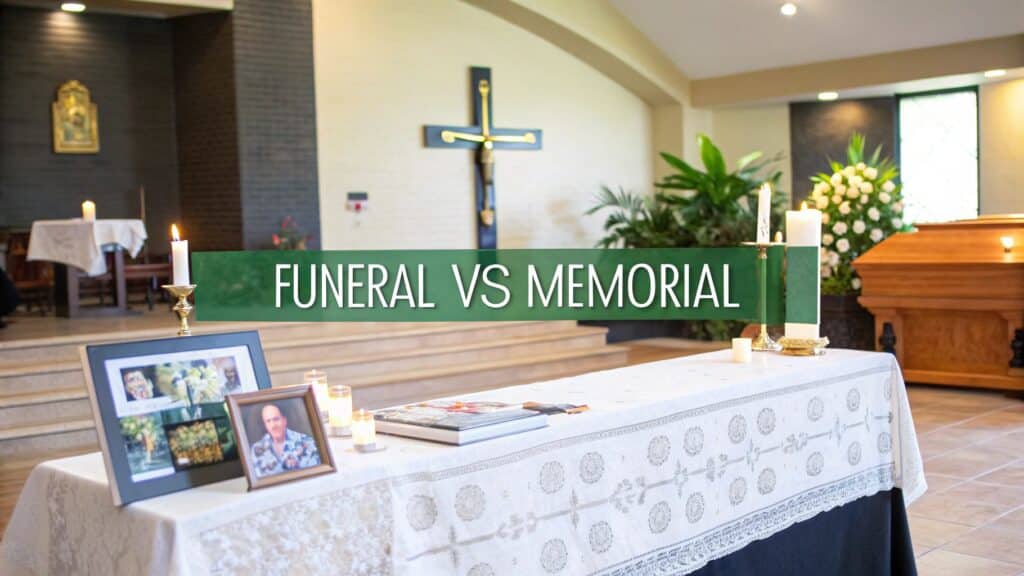
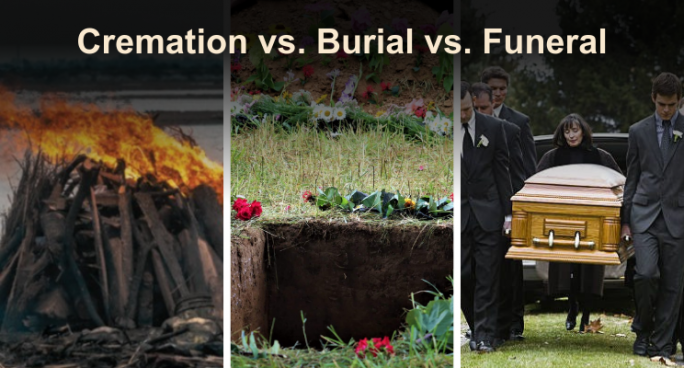
What's The Difference Between A Funeral And A Memorial
The concept of honoring the deceased has been an integral part of human culture for centuries, with roots dating back to ancient civilizations. The earliest recorded funeral practices date back to around 60,000 years ago, during the Middle Paleolithic era, where our ancestors would bury their loved ones with personal belongings and ornaments. This tradition was not only a way to pay respects but also to ensure the deceased person's journey into the afterlife was comfortable and well-equipped. As time passed, the rituals and customs surrounding death evolved, branching out into various forms, including funerals and memorials. The distinction between these two terms, although often used interchangeably, holds significant differences, reflecting the changing values, beliefs, and technological advancements of human society.
Historically, funerals were the most common practice, involving the physical presence of the deceased, with the body being the central focus of the ceremony. This tradition was deeply rooted in religious beliefs, where the funeral served as a means to ensure the soul's safe passage into the afterlife. The ancient Egyptians, for instance, were known for their elaborate funeral practices, which included mummification and the construction of grand tombs to house the deceased. In contrast, memorials, which originated much later, were primarily held to commemorate individuals who had died in distant locations or whose bodies were never recovered. Over time, the purposes and practices of both funerals and memorials have evolved, reflecting the societal, cultural, and personal preferences of the era.
The evolution of funerals and memorials can be closely tied to the Victorian era, where death became a more public and sentimental affair. The Industrial Revolution brought about significant changes in how people lived and died, with urbanization leading to increased mortality rates and a greater need for formalized death rituals. This period saw the rise of the funeral industry, with undertakers and funeral homes becoming integral parts of the mourning process. Memorials, too, began to take on a more formalized role, especially during World War I, when many soldiers died in combat, and their bodies were never returned home. The construction of war memorials and the holding of memorial services became a way for communities to come together and honor their fallen heroes.
Must Read
- Heart Of Mexico City Football: Pinpointing The Azteca Stadium Location
- Guadalajara Stadium Parking Guide: Avoid The Matchday Traffic
- Houston Stadium Bag Policy: Clear Bag Rules For Visitors
- Sofi Stadium Capacity: How Many Fans It Can Hold
- Reliant Stadium Parking: A Guide To The Old Name And Current Venue
A Historical Perspective: Funerals vs. Memorials
Delving deeper into the history of funerals and memorials reveals a complex and often bizarre array of practices. In ancient Greece and Rome, for example, funerals were grand affairs, with processions, eulogies, and even gladiatorial contests held in honor of the deceased. The concept of memorials, however, was less prevalent, with exceptions such as the construction of tombstones and mausoleums for esteemed individuals. The Middle Ages saw a significant shift towards more religious and ritualistic funeral practices, with the Catholic Church playing a central role in shaping these customs. Memorials during this period were often simple and unadorned, reflecting the focus on religious rites over personal remembrance.
The 19th and 20th centuries witnessed a plethora of transformations in funeral and memorial practices. The advent of embalming and modern funeral homes made funerals more accessible and formalized. Memorials, on the other hand, became more prevalent, especially after World War II, with the construction of national memorials and the establishment of memorial days. The 1960s and 1970s saw a countercultural movement that challenged traditional funeral practices, leading to a rise in unconventional and personalized memorials. This period also marked the beginning of a more therapeutic approach to grief, with grief counseling and support groups becoming more mainstream.
One of the most fascinating aspects of the evolution of funerals and memorials is the influence of technology. With the advent of photography in the 19th century, mourners could now hold onto visual memories of their loved ones, adding a new layer of personalization to memorials. The 20th century saw the rise of video and audio recordings, allowing for more dynamic and interactive memorial services. Today, digital memorials and online tributes have become increasingly popular, enabling global communities to come together and share in the grieving process.
Despite these advancements, the debate over the role and significance of funerals versus memorials continues. Some argue that funerals, with their focus on the physical body, provide a necessary closure and respect for the deceased. Others contend that memorials, by celebrating the life and legacy of the individual, offer a more positive and enduring tribute. The lines between these two practices have become increasingly blurred, with many modern services incorporating elements of both, such as holding a memorial service in conjunction with a funeral, or using technology to create virtual memorials that can be attended by people worldwide.
Modernizing Tradition: The Evolution of Funerals and Memorials
In today's fast-paced world, the traditional principles of funerals and memorials are being reimagined and modernized. One of the most significant trends is the shift towards personalization and customization. Individuals and families are now seeking unique and meaningful ways to honor their loved ones, reflecting their personalities, interests, and achievements. This has led to the creation of themed funerals and memorials, where the service is designed around a particular theme or hobby of the deceased. Technology also plays a crucial role in this modernization, with digital legacy management and online memorial platforms becoming essential tools for those looking to preserve and share memories of their loved ones.

The modern approach to funerals and memorials also emphasizes sustainability and environmental awareness. With growing concerns over climate change and the environmental impact of traditional funeral practices, many are opting for eco-friendly burials and biodegradable caskets. Additionally, virtual reality and augmented reality technologies are being explored as innovative ways to create immersive and interactive memorial experiences. These advancements not only cater to the diverse needs and preferences of modern society but also pave the way for a more inclusive, sustainable, and technologically integrated approach to honoring the deceased.
Frequently Asked Questions: Understanding Funerals and Memorials
What is the primary difference between a funeral and a memorial service?
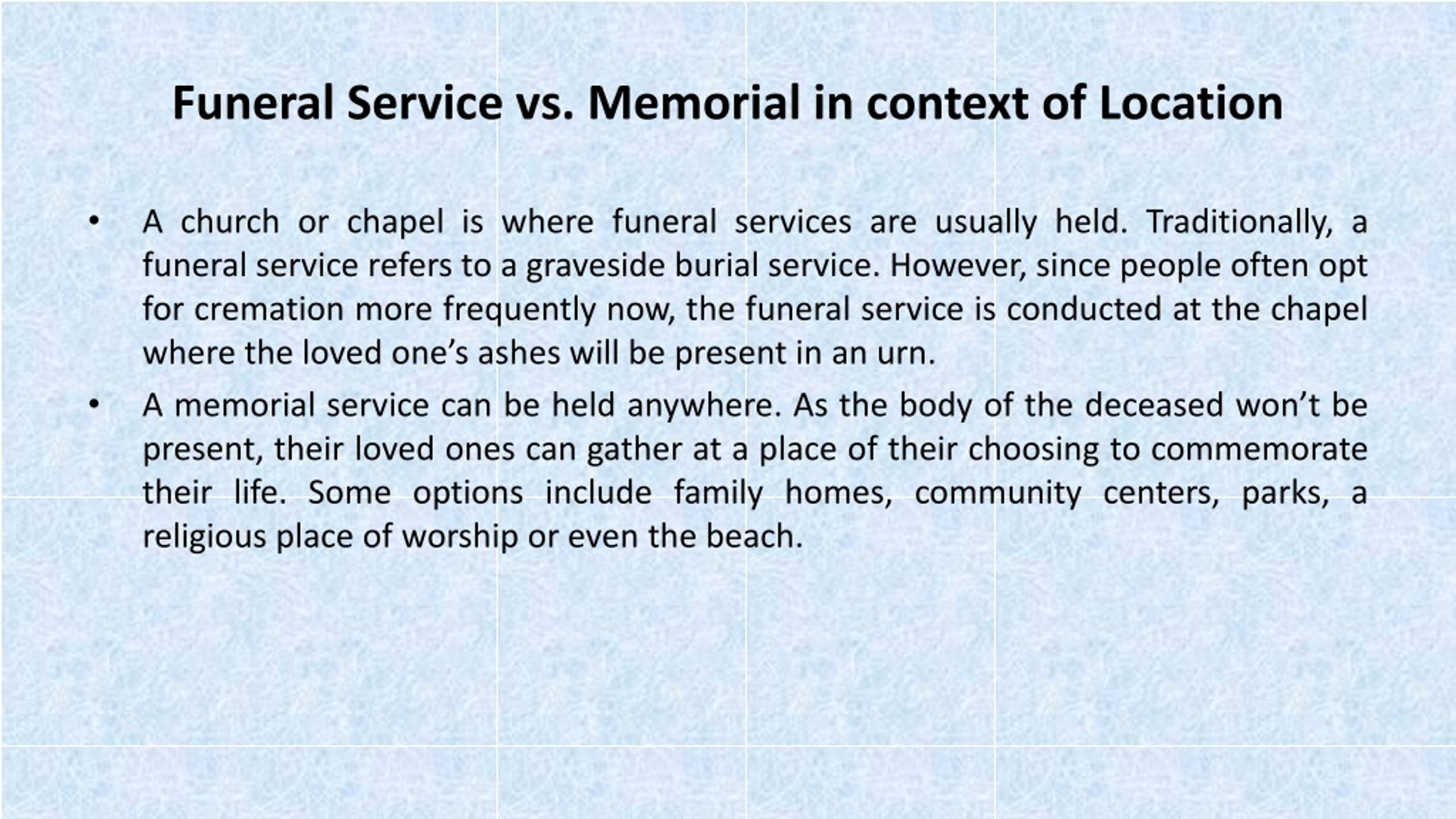
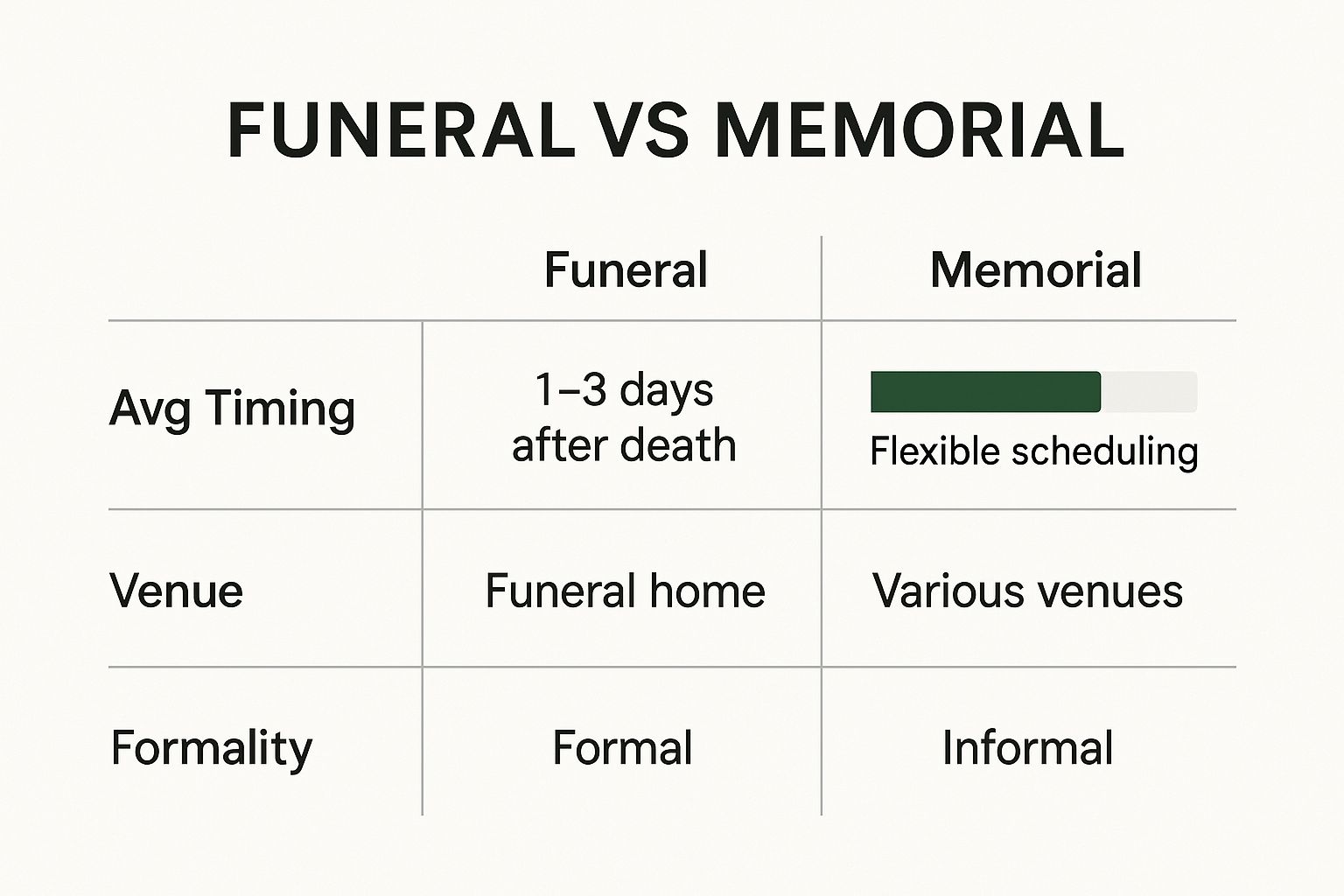
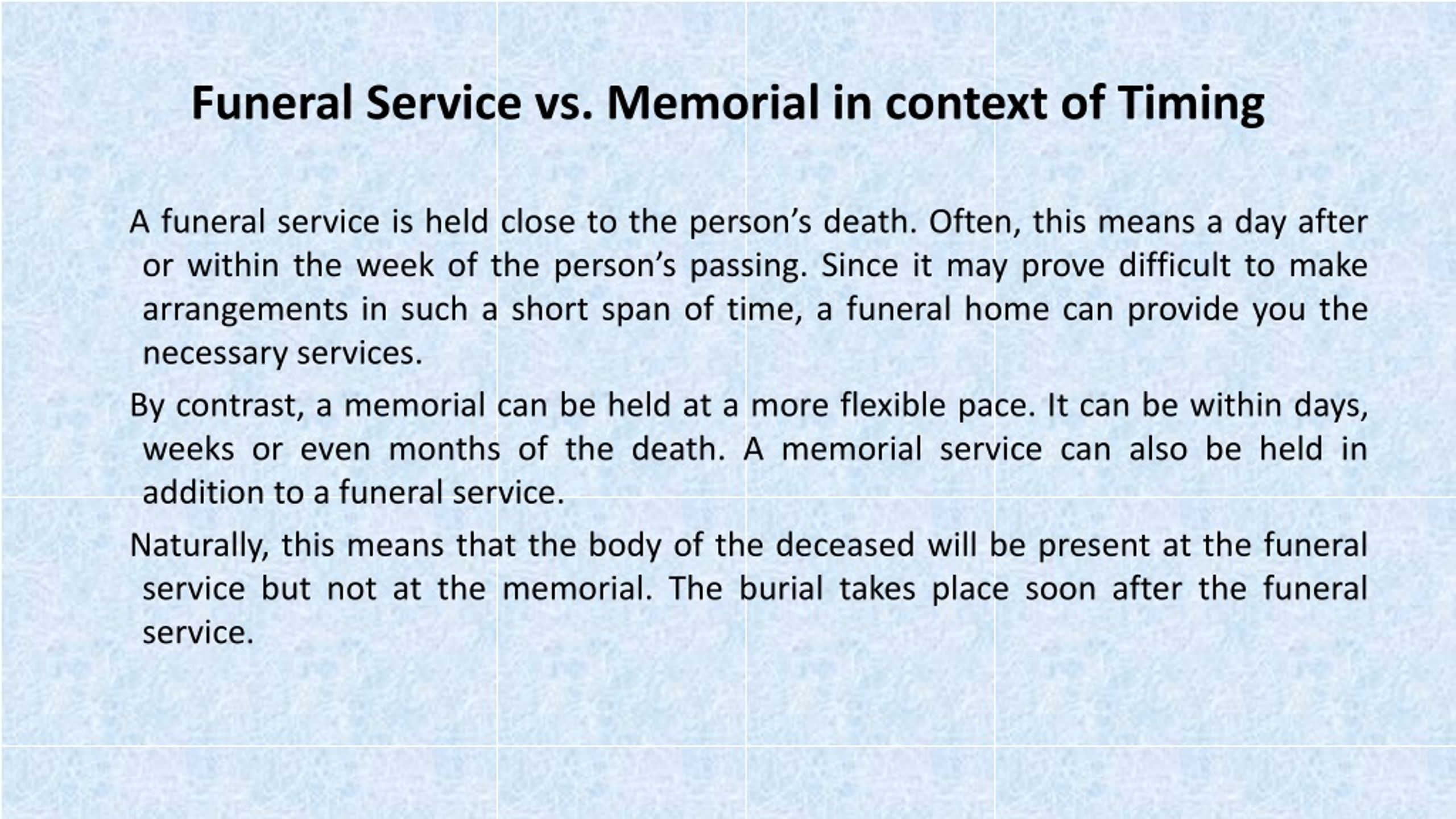
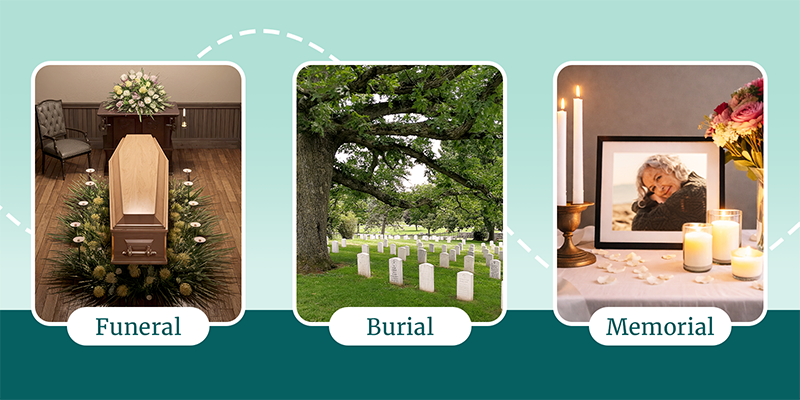
The primary difference between a funeral and a memorial service lies in the presence or absence of the deceased's body. A funeral typically involves the physical body of the deceased, with the service often taking place before the burial or cremation. In contrast, a memorial service is held without the body present, focusing instead on celebrating the life, achievements, and legacy of the individual. This fundamental distinction shapes the nature of the service, the rituals involved, and the overall experience for the mourners. Throughout history, the choice between a funeral and a memorial has been influenced by a range of factors, including religious beliefs, cultural traditions, and personal preferences.
Despite these differences, both funerals and memorials serve the universal purpose of providing a platform for loved ones to grieve, share memories, and find closure. The evolution of these practices over time reflects societal changes, technological advancements, and shifting attitudes towards death and mourning. In ancient times, for example, funerals were often elaborate affairs, designed to ensure the deceased person's safe passage into the afterlife. Memorials, on the other hand, emerged as a means to honor those whose bodies were lost or unrecovered. Today, the lines between funerals and memorials are increasingly blurred, with many services combining elements of both to create a unique and meaningful tribute to the deceased.

How have funeral and memorial practices been influenced by technology?
Technology has profoundly impacted the way we approach funerals and memorials, introducing new and innovative methods for honoring the deceased. The advent of digital media has enabled the creation of virtual memorials, where friends and family can share memories, photographs, and stories about their loved ones. Live streaming has also become a common practice, allowing those who cannot attend a funeral or memorial in person to participate remotely. Moreover, social media platforms have transformed the way we share news of a passing, with online obituaries and tribute pages becoming essential tools for spreading the word and collecting condolences.
The use of virtual and augmented reality is another area where technology is redefining the funeral and memorial landscape. These immersive technologies offer new possibilities for creating interactive and experiential memorials, where mourners can engage with the deceased's life story in unprecedented ways. For instance, a virtual reality memorial might allow individuals to revisit significant locations from the deceased's life or relive cherished memories in a fully immersive environment. As technology continues to advance, we can expect even more innovative approaches to emerge, further blurring the boundaries between the physical and digital realms of mourning and remembrance.
What does the future hold for funerals and memorials?
The future of funerals and memorials is likely to be shaped by a combination of technological innovation, environmental consciousness, and shifting societal values. As sustainability becomes an increasingly important concern, we can expect to see more eco-friendly funeral practices, such as biodegradable caskets and natural burials. The integration of artificial intelligence and data analytics may also play a role, enabling more personalized and efficient funeral and memorial services. Furthermore, the rise of space funeral services, where ashes are launched into space, represents a new frontier in the way we approach the final goodbye.
Looking ahead, the distinction between funerals and memorials may become even more fluid, with services incorporating elements of both to create unique and meaningful tributes. The personalization of memorialization will continue to be a driving force, with individuals seeking bespoke ways to honor their loved ones. As we embark on this journey into the future, it is essential to balance tradition with innovation, ensuring that our practices remain respectful, inclusive, and meaningful. By embracing change while honoring the past, we can create a new era of funeral and memorial practices that not only reflect our evolving values but also provide comfort, solace, and a sense of community to those who are grieving.
As we reflect on the journey of funerals and memorials from their ancient origins to their modern, technologically driven forms, it becomes clear that the way we honor our deceased loved ones is a mirror of our society's values, beliefs, and advancements. Over the next 20 years, we can expect these practices to continue evolving, influenced by technological breakthroughs, environmental concerns, and the diverse needs of a global community. The integration of virtual reality, artificial intelligence, and biotechnology may introduce new dimensions to the mourning process, enabling more immersive, personalized, and sustainable ways to remember and honor the deceased.
The future of funerals and memorials also holds the promise of greater inclusivity and accessibility. With the help of technology, individuals from all over the world can come together to share in the grieving process, regardless of their geographical location. This global connectivity can foster a sense of community and shared humanity, underscoring the universal experience of loss and remembrance. As we move forward, it is crucial to ensure that our funeral and memorial practices are not only technologically savvy but also environmentally conscious, socially responsible, and true to the enduring spirit of human connection and remembrance.