
What You Are Not Allowed To Bring On A Plane
The notion of what you are not allowed to bring on a plane has undergone a significant transformation since the inception of commercial air travel. The earliest days of flying, dating back to the 1920s, were marked by a sense of excitement and adventure, with passengers often bringing unusual items on board, such as live animals and fresh produce. As air travel became more accessible and widespread, the need for regulations and restrictions on items brought on planes became increasingly apparent. The 1930s saw the introduction of the first set of guidelines, which were largely focused on ensuring the safety of passengers and crew.
The 1940s and 1950s witnessed a significant expansion of air travel, with the introduction of larger aircraft and more frequent flights. This led to a growing concern about the potential risks posed by certain items being brought on board. The 1950s saw the introduction of the first restrictions on flammable liquids and explosive materials. As the years went by, the list of prohibited items continued to grow, with the 1960s seeing the addition of sharp objects and weapons to the list.
Despite the growing list of restrictions, the 1970s and 1980s were marked by a sense of relative laxity when it came to enforcing these rules. It wasn't until the 1990s, with the advent of increased security measures, that the enforcement of these regulations became more stringent. The September 11 attacks in 2001 marked a significant turning point in the evolution of air travel security, with the introduction of enhanced screening procedures and a substantial expansion of the list of prohibited items.
Must Read
- Heart Of Mexico City Football: Pinpointing The Azteca Stadium Location
- Guadalajara Stadium Parking Guide: Avoid The Matchday Traffic
- Houston Stadium Bag Policy: Clear Bag Rules For Visitors
- Sofi Stadium Capacity: How Many Fans It Can Hold
- Reliant Stadium Parking: A Guide To The Old Name And Current Venue
Evolution of Prohibited Items
The list of items prohibited on planes has evolved significantly over the years, reflecting changes in technology, societal norms, and the perceived threats to air travel security. In the early days, the focus was largely on safety, with restrictions on items such as flares and fireworks. As air travel became more widespread, the focus shifted to security, with the introduction of restrictions on weapons and explosive materials. The 1980s saw the addition of chemicals and biological agents to the list, while the 1990s witnessed a growing concern about electronic devices and lithium batteries.
The 2000s saw a significant expansion of the list of prohibited items, with the introduction of restrictions on liquids, gels, and aerosols. The 2010s witnessed a growing concern about electronic devices, with the introduction of restrictions on laptops and tablets in 2017. Today, the list of prohibited items is more extensive than ever, with restrictions on everything from sharp objects to smart luggage. Despite the challenges posed by these restrictions, they have played a crucial role in ensuring the safety and security of air travel.

One of the most significant challenges in enforcing these restrictions is the evolving nature of threats. As new technologies emerge, so too do new potential threats to air travel security. The 2020s have seen a growing concern about drone technology, with the potential for drones to be used to disrupt air travel or even hijack planes. As such, the list of prohibited items is likely to continue to evolve in the years to come, reflecting the ever-changing landscape of air travel security.
Despite the many challenges posed by these restrictions, they have also had a profound impact on the way we travel. The introduction of enhanced screening procedures has led to a significant reduction in the number of security breaches. The restrictions on electronic devices have also led to a growing awareness of the potential risks posed by these items. As such, the evolution of prohibited items has played a crucial role in shaping the modern air travel experience.
Modernizing Air Travel Security
In recent years, there has been a growing focus on modernizing air travel security, using new technologies and innovative approaches to enhance the safety and security of air travel. One of the key areas of focus has been the use of artificial intelligence and machine learning to enhance security screening. This has involved the development of advanced algorithms and computer vision systems, capable of detecting and identifying potential threats more effectively.
Another area of focus has been the use of biometric technologies, such as facial recognition and fingerprint scanning, to enhance identity verification. This has involved the development of advanced sensors and databases, capable of verifying the identity of passengers more effectively. The use of blockchain technology has also been explored, with the potential to enhance supply chain security and prevent the introduction of counterfeit goods onto planes.
Frequently Asked Questions
What are the most common items that are not allowed on a plane?
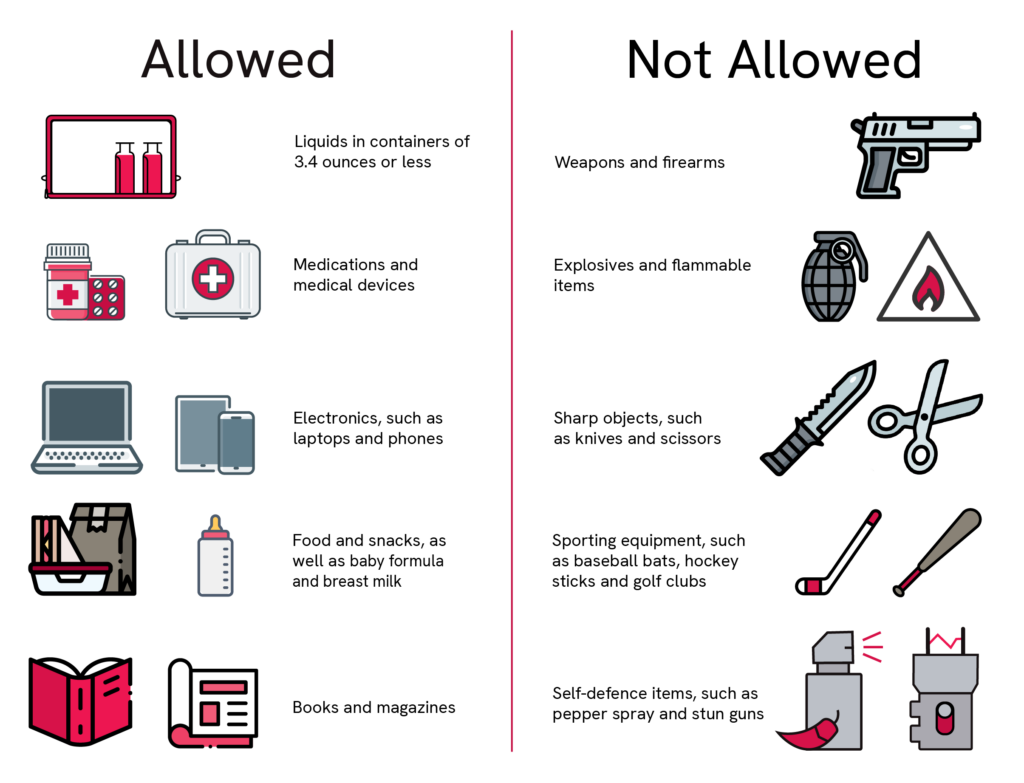
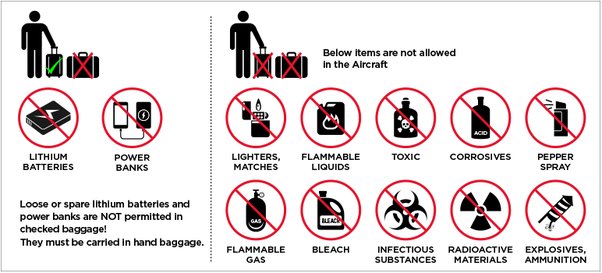
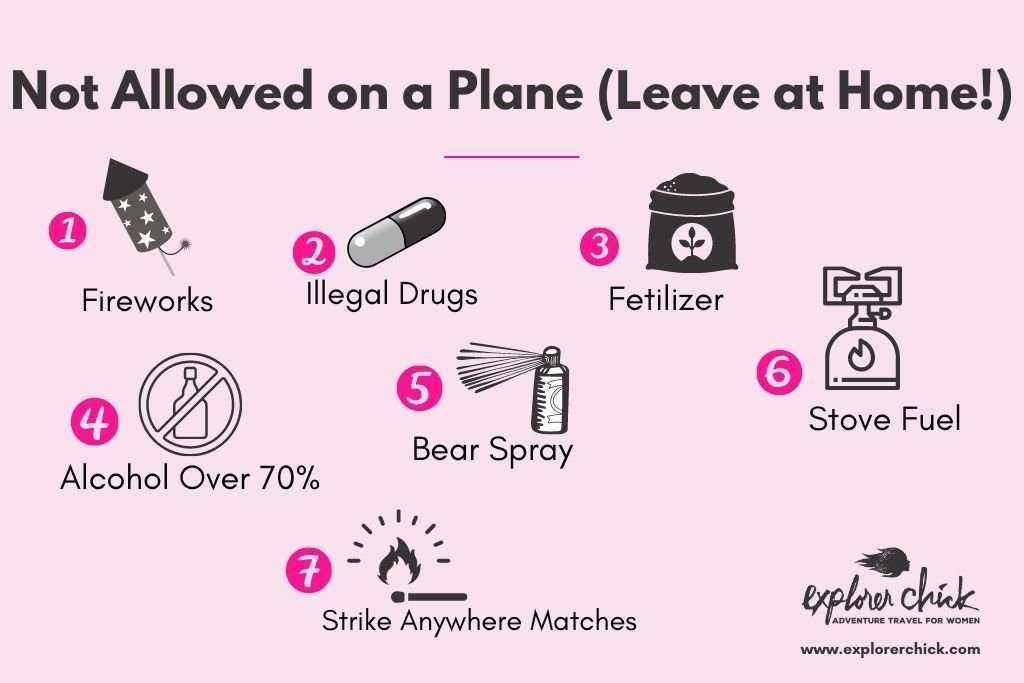
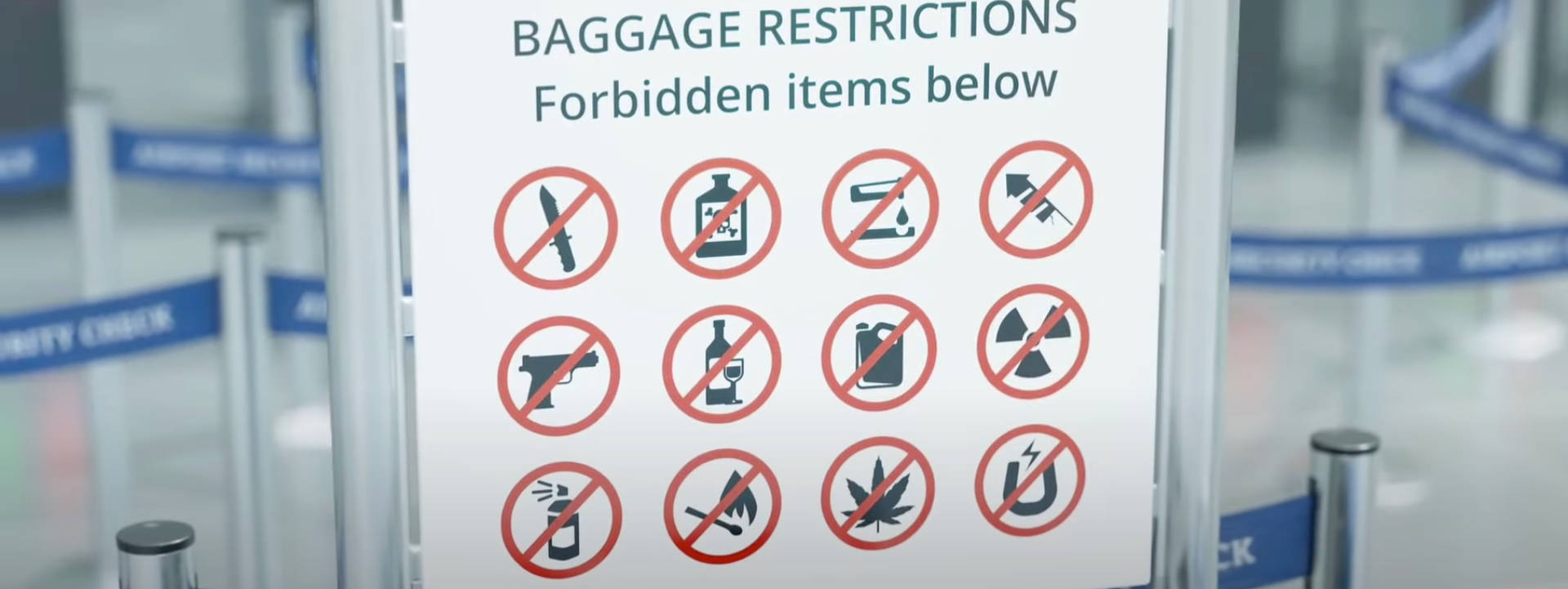
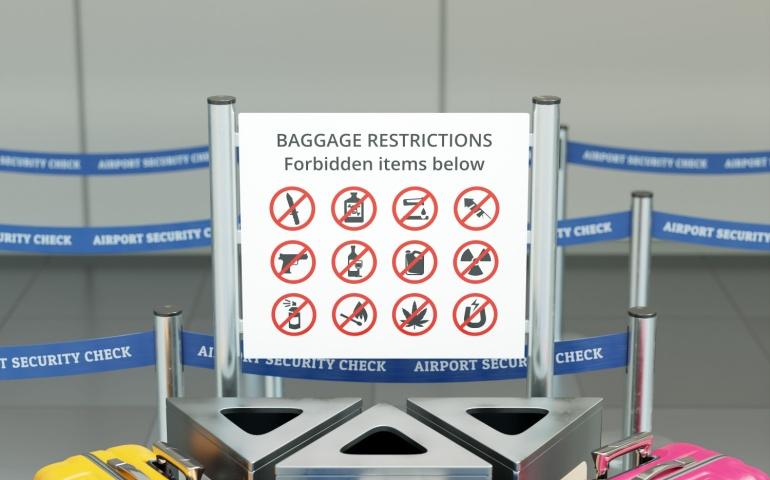
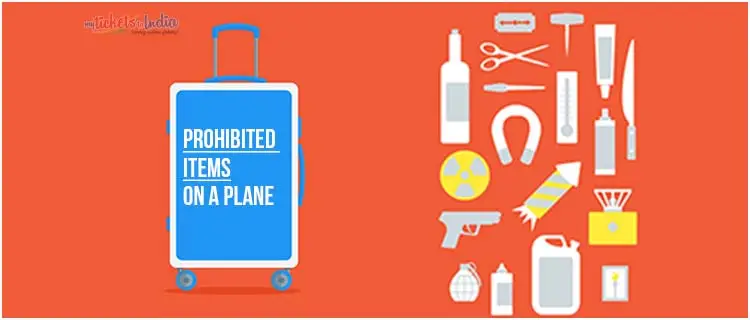
The list of prohibited items is extensive and varied, reflecting the ever-changing landscape of air travel security. Some of the most common items that are not allowed on a plane include sharp objects, weapons, explosive materials, and flammable liquids. There are also restrictions on electronic devices, such as laptops and tablets, which must be placed in .checked luggage or gate-checked. Additionally, there are restrictions on liquids, gels, and aerosols, which must be in containers of 3.4 ounces or less.
Despite the many challenges posed by these restrictions, they have played a crucial role in ensuring the safety and security of air travel. The evolving nature of threats means that the list of prohibited items is likely to continue to change in the years to come. As such, it is essential for passengers to stay informed about the latest restrictions and to plan accordingly. The Transportation Security Administration (TSA) provides a comprehensive list of prohibited items on its website, which can be a valuable resource for passengers looking to stay up-to-date on the latest restrictions.
How have the rules changed over time, and what sparked these changes?
The rules governing what you can and cannot bring on a plane have undergone significant changes over the years, reflecting changes in technology, societal norms, and the perceived threats to air travel security. The September 11 attacks in 2001 marked a significant turning point in the evolution of air travel security, with the introduction of enhanced screening procedures and a substantial expansion of the list of prohibited items. The 2000s saw a growing concern about electronic devices, with the introduction of restrictions on laptops and tablets in 2017.
Despite the many challenges posed by these restrictions, they have played a crucial role in ensuring the safety and security of air travel. The evolving nature of threats means that the list of prohibited items is likely to continue to change in the years to come. The Transportation Security Administration (TSA) has played a crucial role in shaping the modern air travel security landscape, working to balance security concerns with the need for passenger convenience. As such, the rules governing what you can and cannot bring on a plane are likely to continue to evolve in the years to come, reflecting the ever-changing landscape of air travel security.
What does the future hold for air travel security, and how might it impact what we can and cannot bring on a plane?
The future of air travel security is likely to be shaped by new technologies and innovative approaches, such as artificial intelligence, machine learning, and biometric technologies. These technologies have the potential to enhance security screening, identity verification, and supply chain security, making air travel safer and more secure. The 2020s are likely to see a growing focus on drone technology, with the potential for drones to be used to disrupt air travel or even hijack planes.
Despite the many challenges posed by these technologies, they also offer a number of potential benefits, including enhanced security, convenience, and efficiency. The use of biometric technologies, for example, has the potential to enhance identity verification, making it easier for passengers to pass through security checkpoints. The use of artificial intelligence and machine learning also has the potential to enhance security screening, making it easier to detect and identify potential threats. As such, the future of air travel security is likely to be shaped by a complex interplay of technological, social, and economic factors.
As we look to the future, it is clear that the evolution of prohibited items will continue to play a crucial role in shaping the modern air travel experience. The 2020s are likely to see a growing focus on new technologies and innovative approaches, such as artificial intelligence, machine learning, and biometric technologies. These technologies have the potential to enhance security, convenience, and efficiency, making air travel safer and more secure. Despite the many challenges posed by these technologies, they also offer a number of potential benefits, including enhanced security, convenience, and efficiency.
The next 20 years are likely to be marked by significant changes in the air travel security landscape, with the introduction of new technologies and innovative approaches. The use of biometric technologies, for example, has the potential to enhance identity verification, making it easier for passengers to pass through security checkpoints. The use of artificial intelligence and machine learning also has the potential to enhance security screening, making it easier to detect and identify potential threats. As such, the future of air travel security is likely to be shaped by a complex interplay of technological, social, and economic factors.

:max_bytes(150000):strip_icc()/liquids-on-a-plane-4046937-FINAL-5ba3d35d4cedfd002506643d.png)