What To Take Out Of Bag At Tsa
The journey through a Transportation Security Administration (TSA) checkpoint is a ritual familiar to millions of travelers around the world. The process, which includes removing specific items from your bag, has become an integral part of air travel, a necessary step in ensuring the safety of all passengers. However, the evolution of what to take out of your bag at TSA checkpoints is a story that spans decades, punctuated by significant events, technological advancements, and shifts in global security paradigms.
In the early 1970s, the concept of airport security as we know it today was virtually non-existent. The first security checks were instituted after a series of hijackings, including the
The 1980s saw a significant escalation in airport security measures following a series of high-profile incidents, including the Air India Flight 182 bombing in 1985. This led to the introduction of X-ray machines for screening carry-on bags. However, it wasn't until the 1990s that the practice of removing certain items from bags for separate screening began to take shape, particularly after the Bojinka plot was uncovered in 1995, revealing plans to blow up multiple airliners.
Must Read
- Heart Of Mexico City Football: Pinpointing The Azteca Stadium Location
- Guadalajara Stadium Parking Guide: Avoid The Matchday Traffic
- Houston Stadium Bag Policy: Clear Bag Rules For Visitors
- Sofi Stadium Capacity: How Many Fans It Can Hold
- Reliant Stadium Parking: A Guide To The Old Name And Current Venue
A Historical Perspective
The 9/11 attacks in 2001 marked a pivotal moment in the history of airline security. The creation of the Transportation Security Administration (TSA) in November 2001 centralized and standardized security procedures across U.S. airports. One of the key changes was the requirement for passengers to remove laptops and liquids from their carry-on bags for separate screening. The early 2000s also saw the introduction of _explosive detection systems for checked luggage and the use of metal detectors was universally adopted.
The years following 9/11 saw a flurry of technological innovations aimed at improving security without hindering the travel experience. The introduction of Advanced Imaging Technology (AIT) in 2007 allowed for the scanning of passengers without physical pat-downs, although its use has been controversial due to privacy concerns. The TSA also began to use behavior detection officers to identify potentially suspicious passengers through behavioral analysis.

By the 2010s, the TSA had implemented a risk-based, intelligence-driven approach to security, which included the Pre-Check program launched in 2011. This program allowed low-risk travelers to undergo expedited screening, keeping their shoes, belts, and light jackets on and laptops and compliant liquids in their bags. This period also saw significant advancements in bag screening technology, including the use of computed tomography (CT) scanners for carry-on bags, which can provide detailed 3D images of bag contents.
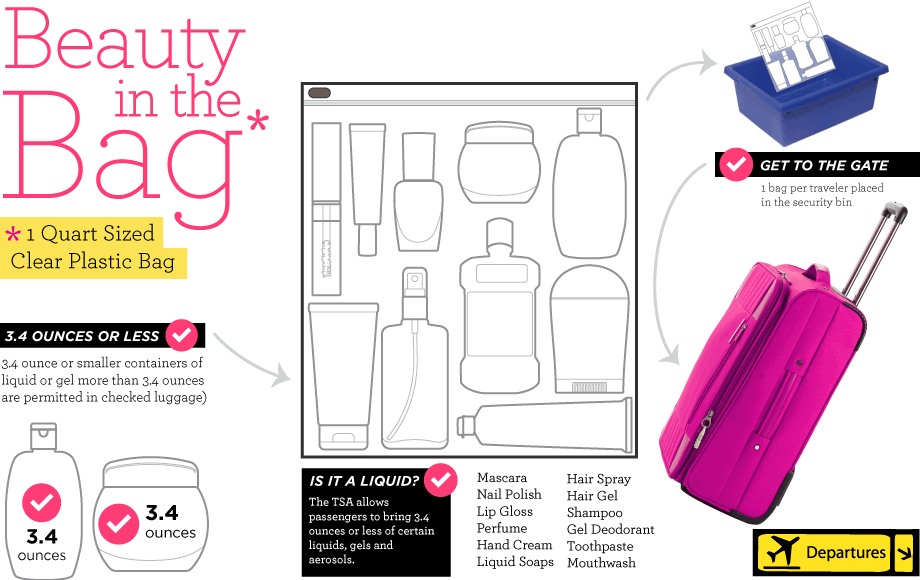
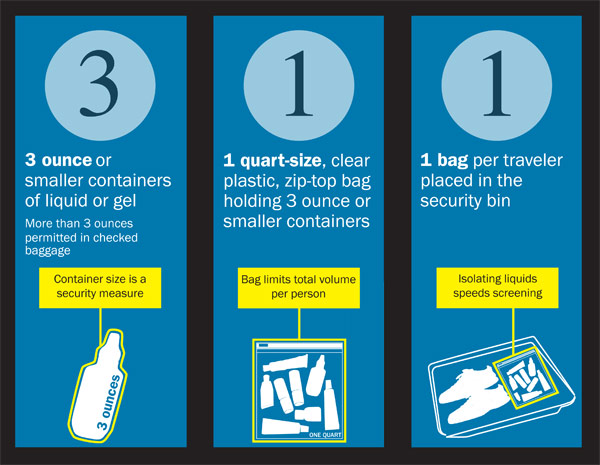
Today, the list of items to remove from bags at TSA checkpoints includes laptops, liquids, gels, and aerosols in containers larger than 3.4 ounces (except for medications and baby formula), as well as certain foods and powders, depending on the quantity. The process is designed to be efficient and effective, leveraging technology to minimize manual searches and reduce wait times for passengers.
Evolving Security Measures
As we move forward, classic principles of security are being modernized with technological innovations. One notable trend is the integration of artificial intelligence (AI) and machine learning (ML) into security screening processes. These technologies can help in detecting threats more accurately and efficiently, potentially reducing the need for manual searches and enhancing the overall travel experience.

The use of biometric technologies, such as facial recognition, is also becoming more widespread. Introduced in 2018 with the Biometric Exit program, facial recognition technology is being used to verify the identities of travelers at various points in their journey, from check-in to boarding. This not only enhances security but also offers the potential for a more streamlined and personalized travel experience.
Frequently Asked Questions
What Are the Most Common Items Forgotten at TSA Checkpoints?
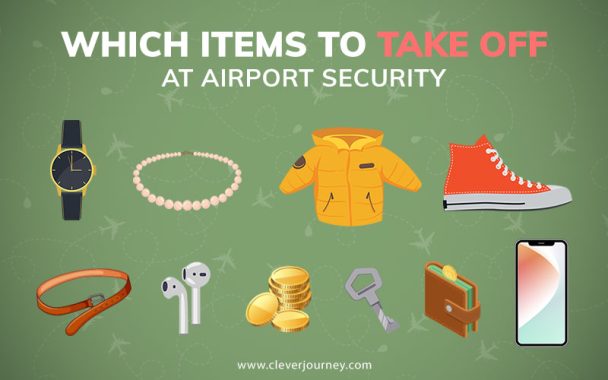
The most common items forgotten at TSA checkpoints include laptops, liquids, and belts. These items are routinely removed for screening, and in the rush to gather belongings after passing through security, they can easily be left behind. Travelers should make it a habit to double-check their belongings before leaving the security area to avoid losing valuable items.
In addition to these items, phones and wallets are also frequently forgotten. Given the personal and sensitive nature of these items, forgetting them can be particularly problematic. To mitigate this risk, travelers can consider using a specific pouch or bag for items that need to be removed for screening, making it easier to keep track of everything.
:max_bytes(150000):strip_icc()/preparing-for-airport-security-2972587-Final-5bce3a5746e0fb00268f7334.png)
How Is the TSA Adapting to New Threats and Technologies?
The TSA is continuously adapting to new threats and technologies by investing in research and development of security technologies. This includes the use of 3D printing to simulate threats and test detection capabilities, as well as collaborations with private companies to develop more advanced screening technologies. The TSA also engages with international partners to share intelligence and best practices, ensuring a unified and robust approach to aviation security globally.
A key aspect of the TSA's adaptation to new threats and technologies is its emphasis on innovation. The agency hosts innovation tournaments and partners with startups and academia to leverage cutting-edge technologies, such as AI-powered screening tools and advanced materials for security equipment. By staying at the forefront of technological advancement, the TSA aims to enhance security while also improving the passenger experience.
What Does the Future of Air Travel Security Look Like?
The future of air travel security will be characterized by seamless, technology-driven processes that balance security with convenience. The integration of biometrics, AI, and Internet of Things (IoT) devices will enable real-time threat detection and personalized security screening. Passengers may experience contactless checkpoints where their identity, background, and belongings are verified without the need for physical documents or manual searches.

Looking ahead, 2025 and beyond is expected to see the widespread adoption of automated screening lanes that can handle more passengers more quickly, reducing wait times. Additionally, the use of cybersecurity measures will become more critical as the aviation industry becomes increasingly dependent on digital systems. The future of security will be about harnessing technology to make air travel safer, more efficient, and more enjoyable for all passengers.
As we look to the next 20 years, the evolution of what to take out of your bag at TSA checkpoints will continue to be shaped by technological innovation, global security threats, and the quest for a seamless travel experience. With advancements in AI, biometrics, and screening technologies, the process is likely to become even more streamlined, with the potential for completely automated security checks in the future.
The future of air travel security is not just about protecting against known threats but also about anticipating and adapting to new and emerging risks. As the world becomes increasingly interconnected, the importance of robust, intelligent security measures cannot be overstated. Whether through the development of new screening technologies or the implementation of advanced data analytics to predict and prevent security breaches, the TSA and its international counterparts will play a critical role in shaping the future of air travel.