What Size Should A Carry On Bag Be
Traveling can be a thrilling experience, and one of the most important aspects to consider is the size of your carry-on bag. Choosing the right size can make all the difference in ensuring a smooth and stress-free journey. Whether you're a seasoned traveler or embarking on your first adventure, understanding the ideal size for a carry-on bag is essential.
The purpose of a carry-on bag is to provide a convenient and accessible way to store your essential items during a flight. The benefits of having a well-sized carry-on bag include being able to keep your valuables close, having easy access to snacks and entertainment, and avoiding the hassle of checking in luggage. By selecting the right size, you can ensure that your bag fits comfortably in the overhead compartment or under the seat in front of you.
Understanding Size Restrictions
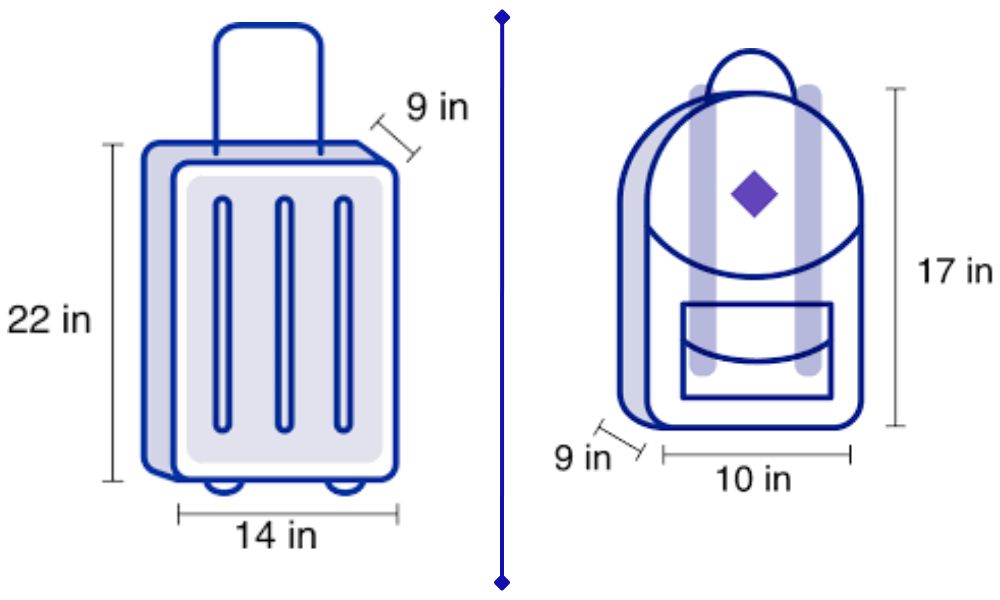
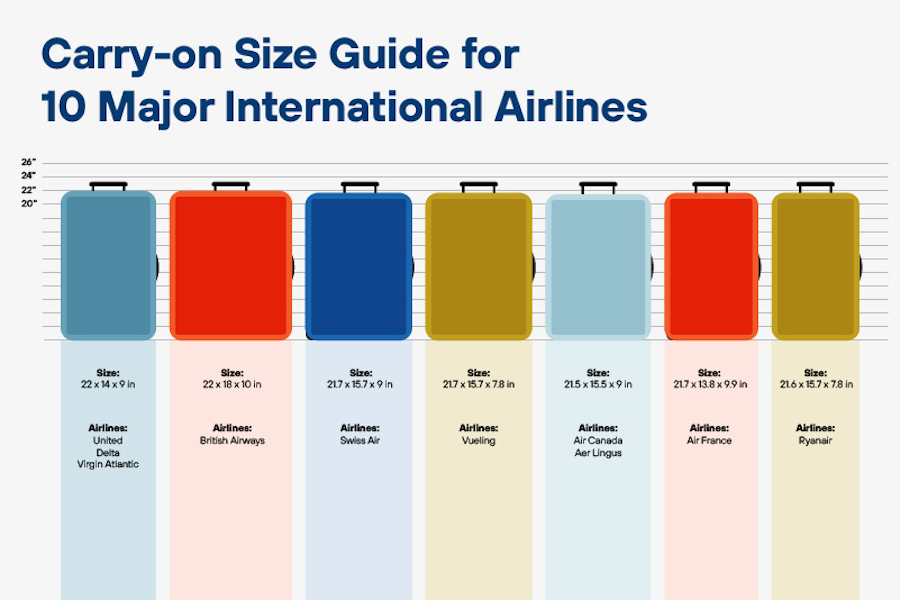
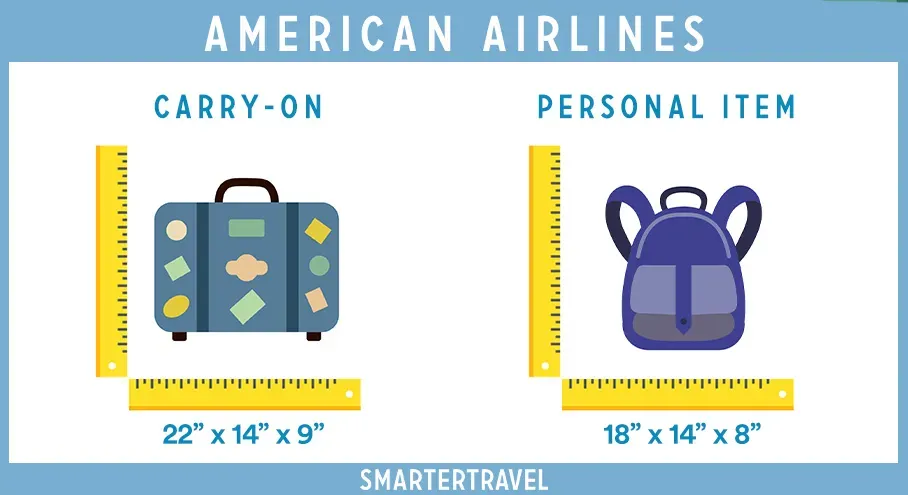
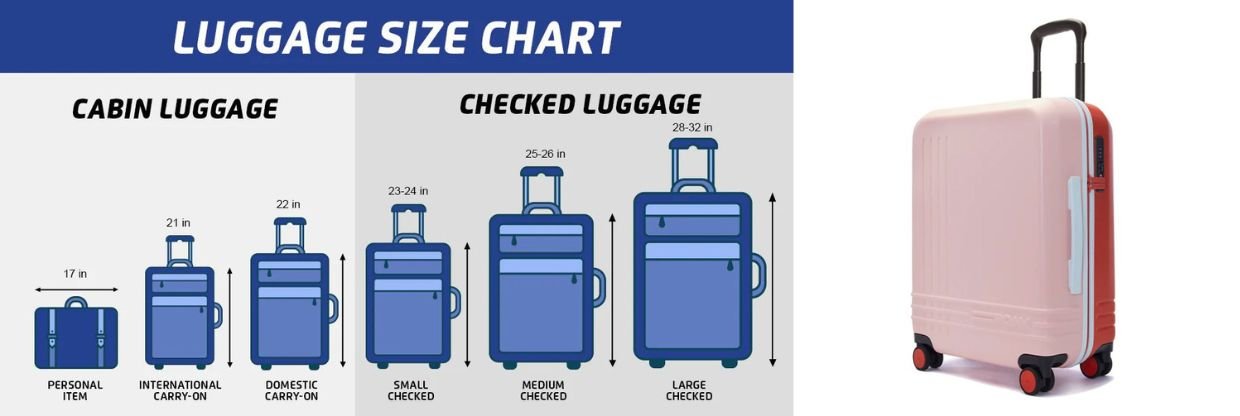
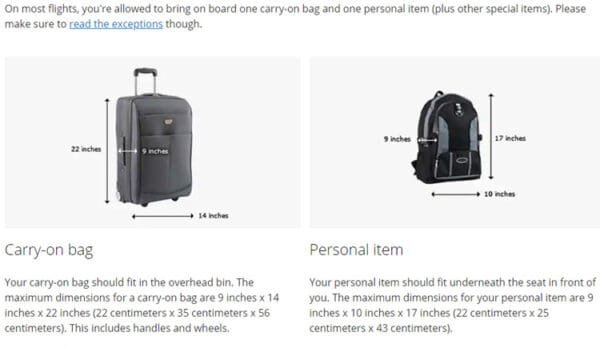
Airlines have specific size restrictions for carry-on bags, which can vary depending on the carrier. Typically, the maximum size for a carry-on bag is around 22 inches tall, 14 inches wide, and 9 inches deep. It's crucial to check with your airline before your flight to confirm their size restrictions and avoid any potential issues.
Must Read
The International Air Transport Association (IATA) provides guidelines for carry-on bag sizes, but it's essential to note that these can vary between airlines.For example, some airlines may have stricter size restrictions, while others may be more lenient. To avoid any confusion, it's always best to check with your airline directly for their specific size requirements.
When choosing a carry-on bag, consider the type of items you plan to pack and the length of your trip. If you're taking a short weekend getaway, a smaller bag may suffice, while a longer trip may require a larger bag. Packing wisely is also essential, as you'll want to ensure that your bag is not too heavy or bulky.
Measuring Your Bag
To ensure that your carry-on bag meets the size requirements, measure it carefully before your flight. Use a tape measure to check the height, width, and depth of your bag, and compare it to the airline's size restrictions. Don't forget to include any handles, wheels, or other protrusions in your measurements.
Soft-sided bags can be more forgiving when it comes to size restrictions, as they can be compressed to fit into smaller spaces. However, hard-sided bags are more rigid and may be more challenging to fit into tight spaces. Consider the type of bag you have and plan accordingly to avoid any issues during your flight.

In addition to size restrictions, it's also essential to consider the weight of your carry-on bag. Airlines may have weight limits for carry-on bags, and exceeding these limits can result in additional fees or even having to check your bag. Be mindful of the weight of your bag and pack accordingly to avoid any potential issues.
Choosing the Right Bag
With so many carry-on bags available on the market, choosing the right one can be overwhelming. Consider the size, material, and features that are important to you, such as multiple compartments, USB charging ports, or TSA-approved locks. By selecting a bag that meets your needs and adheres to size restrictions, you can ensure a smooth and enjoyable flight.
Ultimately, the key to a successful flight is being prepared and informed. By understanding the size restrictions for carry-on bags and choosing a bag that meets your needs, you can avoid any potential issues and focus on enjoying your journey. Whether you're a seasoned traveler or just starting to explore the world, a well-sized carry-on bag is an essential companion for any adventure.
So next time you're planning a trip, remember to consider the size of your carry-on bag and choose one that meets the airline's size restrictions. With a little planning and research, you can ensure a stress-free and enjoyable flight, and arrive at your destination feeling refreshed and ready for whatever comes next. Happy travels!


:max_bytes(150000):strip_icc()/TAL-illustrated-chart-CARRYSIZE0325-35ad53e34fe94833b370f432af602978.jpg)