What Size Liquid Allowed On Plane
In today's fast-paced world, air travel has become an integral part of our lives. Whether it's for business or leisure, millions of people take to the skies every day. However, with the increase in air travel, there's also a growing concern about safety and security. One aspect that has gained significant attention in recent years is the size of liquids allowed on planes. The rules and regulations surrounding this issue can be confusing, to say the least. In this article, we'll delve into the world of liquid restrictions and explore the history, psychology, and practical implications behind them.
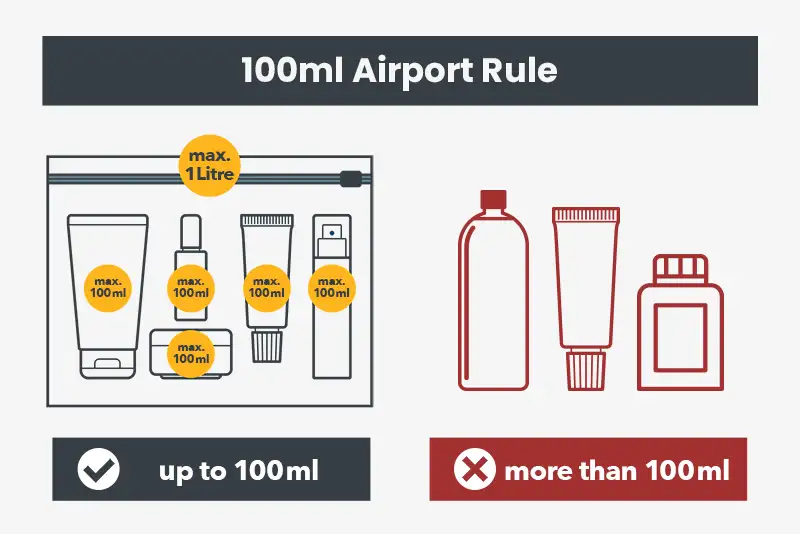
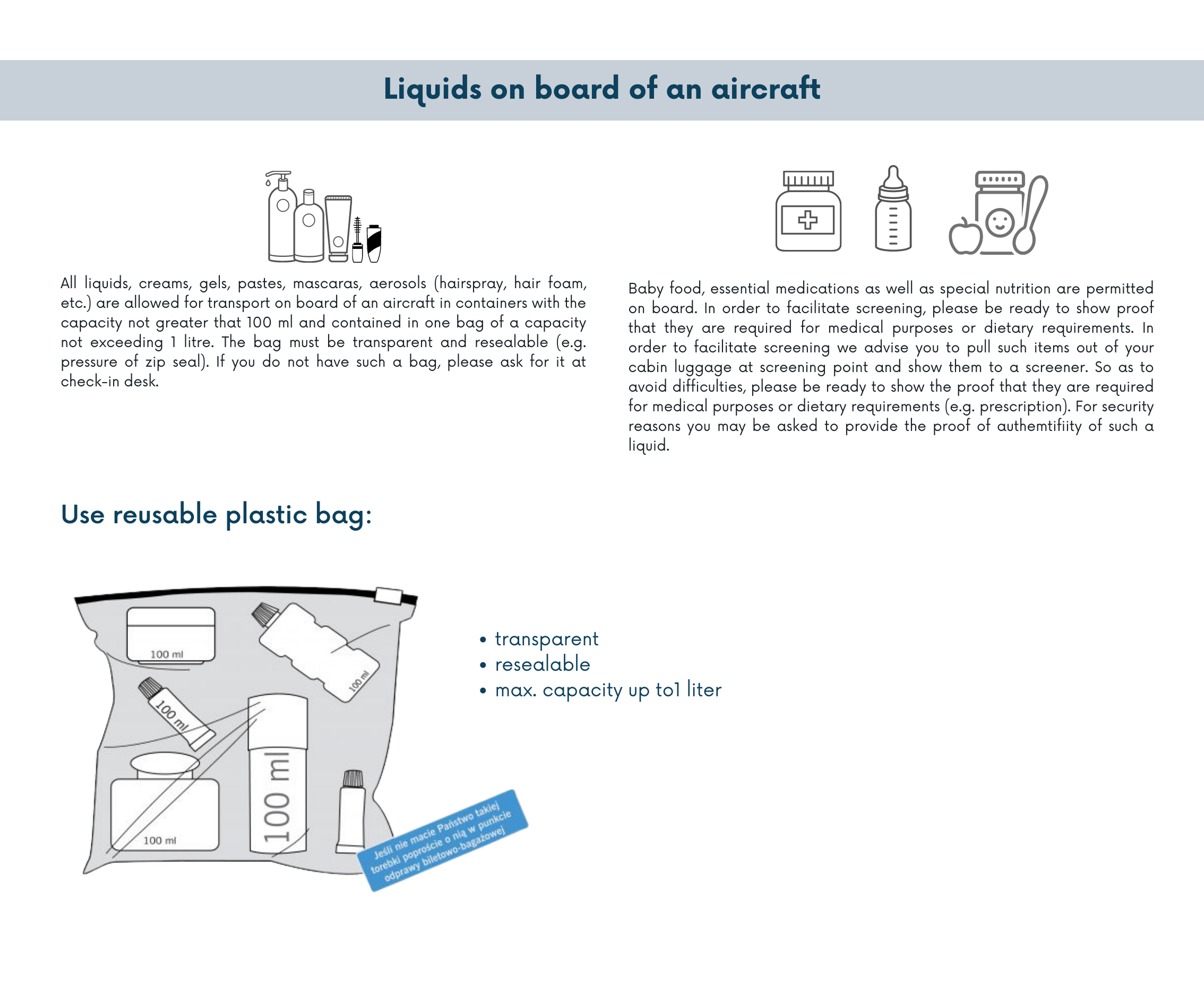
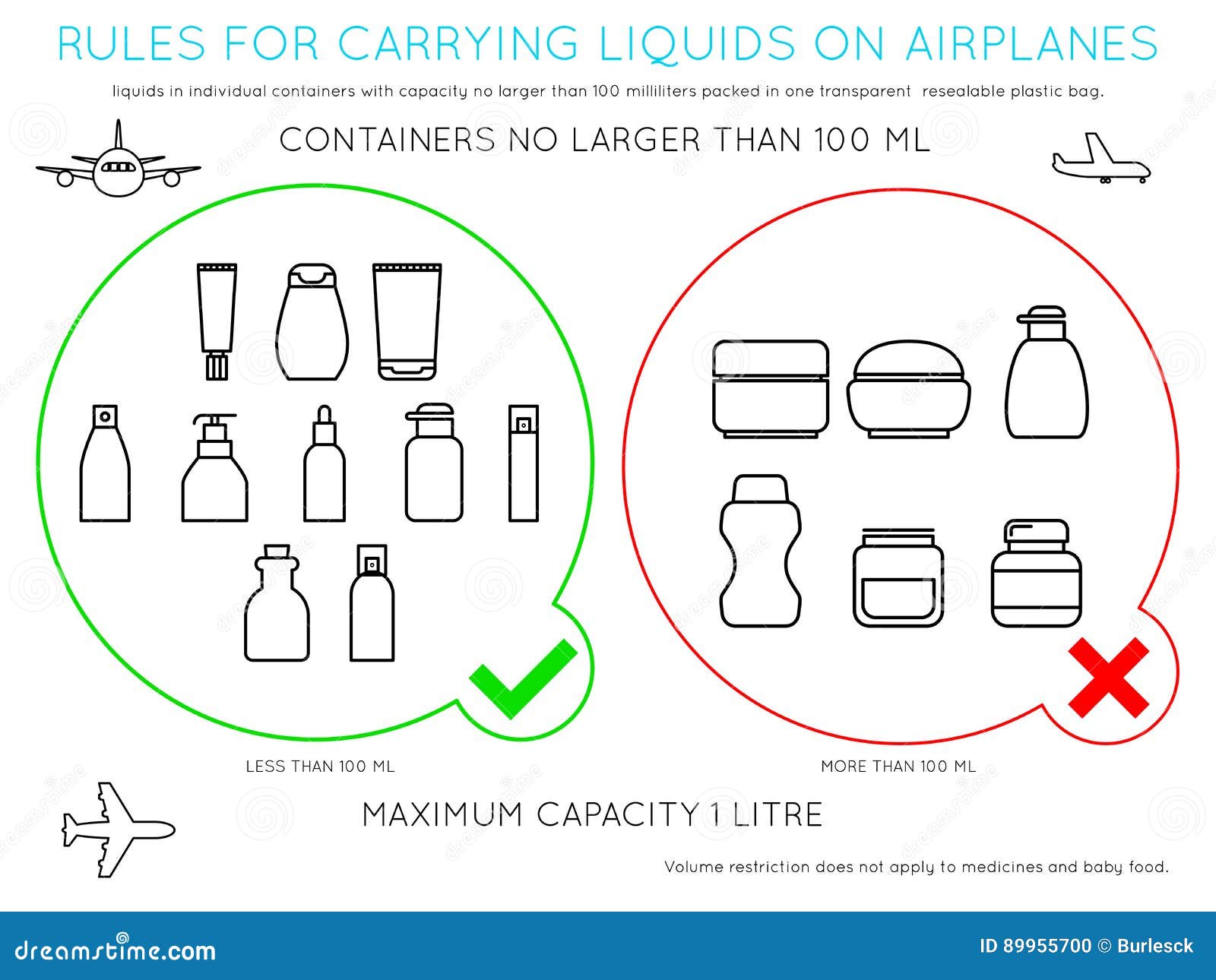
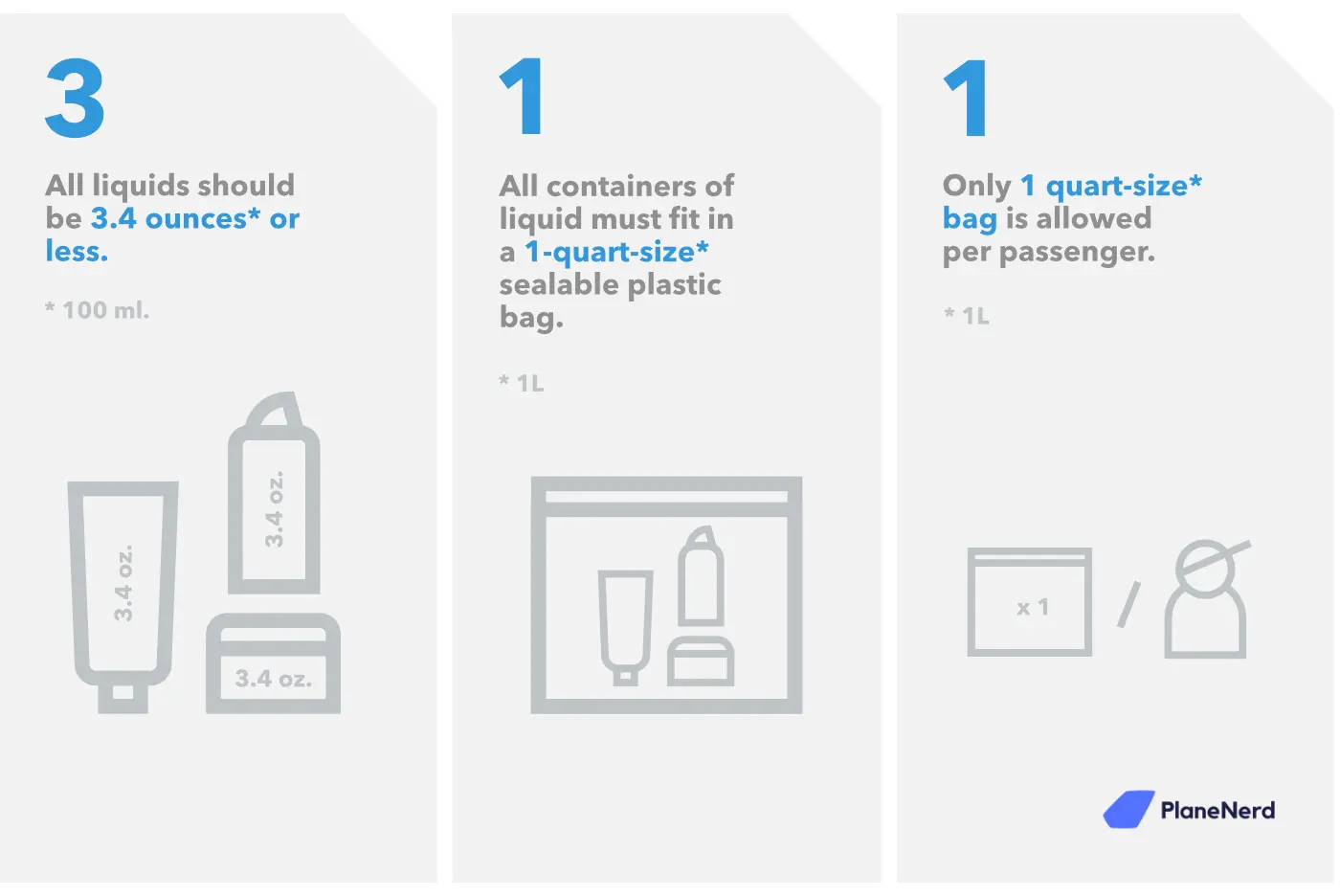
The concept of restricting liquids on planes is not new. In fact, it dates back to 2006 when a plot to blow up multiple planes using liquid explosives was foiled. Since then, the Transportation Security Administration (TSA) has implemented stringent rules to ensure passenger safety. The rules state that liquids, gels, and aerosols must be in containers of 3.4 ounces or less and fit in a clear, quart-sized zip-top bag. While these rules may seem straightforward, they can be confusing, especially for infrequent travelers.
Understanding the Rules
When it comes to liquids on planes, there are several exceptions and exemptions. For instance, medications, baby formula, and breast milk are allowed in reasonable quantities, but they must be declared at security checkpoints. Additionally, liquids purchased after passing through security are also allowed, as long as they are in a secure, tamper-evident bag. Understanding these rules is crucial to avoid any hassle or inconvenience during travel. It's also worth noting that different countries have different regulations, so it's essential to check with the airline or airport before traveling.
Must Read
- Heart Of Mexico City Football: Pinpointing The Azteca Stadium Location
- Guadalajara Stadium Parking Guide: Avoid The Matchday Traffic
- Houston Stadium Bag Policy: Clear Bag Rules For Visitors
- Sofi Stadium Capacity: How Many Fans It Can Hold
- Reliant Stadium Parking: A Guide To The Old Name And Current Venue
The psychological impact of these rules should not be underestimated. For many travelers, the thought of being restricted or having their belongings confiscated can be stressful. Moreover, the process of screening and checking liquids can be time-consuming, leading to frustration and anxiety. Airlines and airports have recognized this issue and are working to improve the passenger experience through streamlined security processes and clear communication.
From a cultural perspective, the rules surrounding liquids on planes reflect our societal values and fears. The emphasis on security and safety is a testament to our desire for control and protection in an uncertain world. At the same time, the restrictions on liquids can be seen as a symbol of our throwaway culture, where convenience and speed are prioritized over sustainability and environmental concerns. As we navigate these complex issues, it's essential to consider the broader implications and how they shape our daily lives.
Practical Applications
So, how can travelers navigate the complex world of liquid restrictions? One approach is to plan ahead and research the specific rules and regulations for their airline and destination. This can include checking the TSA's website, consulting with travel agents, or reading reviews from fellow travelers. By being informed, passengers can avoid any last-minute surprises or hassles.
Another strategy is to pack smart. This means using travel-sized containers and choosing products that are specifically designed for air travel. Many companies now offer travel-friendly packaging that meets the TSA's requirements, making it easier for passengers to comply with the rules. Additionally, travelers can consider using reusable containers or refillable bottles to reduce waste and minimize their environmental impact.
In terms of case studies, there are numerous examples of how the rules surrounding liquids on planes have affected travelers. For instance, a passenger who forgets to declare a liquid medication may be forced to abandon it at security or face additional screening. On the other hand, a traveler who takes the time to research and prepare may be able to navigate the security process with ease, saving time and reducing stress.
Finally, it's worth noting that the rules surrounding liquids on planes are not set in stone. As technology advances and new threats emerge, the TSA and other regulatory bodies must adapt and evolve. This means that travelers must stay informed and be prepared for changes in the rules or new restrictions. By being flexible and resilient, passengers can ensure a smooth and enjoyable travel experience, even in the face of uncertainty.
Frequently Asked Questions
What is the maximum size of a liquid container allowed on a plane?
The maximum size of a liquid container allowed on a plane is 3.4 ounces or 100 milliliters. This applies to all liquids, gels, and aerosols, with the exception of medications, baby formula, and breast milk, which are allowed in reasonable quantities. It's essential to note that these containers must fit in a clear, quart-sized zip-top bag, and only one bag is allowed per passenger.

In practice, this means that travelers must be mindful of the size of their liquid containers and ensure they meet the TSA's requirements. This can be challenging, especially for those who are used to carrying larger containers or have specific needs, such as contact lens solution or lotion. However, by planning ahead and using travel-sized containers, passengers can comply with the rules and avoid any inconvenience or hassle.
Can I bring a liquid that is not in a container of 3.4 ounces or less?
In general, no, you cannot bring a liquid that is not in a container of 3.4 ounces or less. However, there are some exceptions, such as medications, baby formula, and breast milk, which are allowed in reasonable quantities. If you have a liquid that is not in a container of 3.4 ounces or less, you may be able to bring it, but you will need to declare it at security and be prepared for additional screening.
It's also worth noting that some airlines and airports may have more lenient rules or additional exemptions. For instance, some airlines may allow passengers to bring larger containers of liquids in their checked luggage or provide special accommodations for passengers with specific needs. In these cases, it's essential to check with the airline or airport before traveling to ensure compliance with their rules and regulations.
What happens if I forget to declare a liquid at security?
If you forget to declare a liquid at security, you may be subject to additional screening or have your item confiscated. In some cases, you may be allowed to return to the security checkpoint and declare the item, but this is not always possible. It's essential to remember that forgetting to declare a liquid is not an excuse and can result in serious consequences, including fines or penalties.
:max_bytes(150000):strip_icc()/tsa-liquid-rules-carry-on-checked-bag-TSALIQUIDS0622-841fded886324b3e99b7713c8b8ae94b.jpg)
To avoid this scenario, it's crucial to double-check your belongings before passing through security and to declare any liquids, gels, or aerosols. You can also consider using a checklist or reminder to ensure you don't forget any essential items. By being proactive and informed, you can minimize the risk of forgetting to declare a liquid and ensure a smooth travel experience.
Can I bring a liquid that I purchased after passing through security?
Yes, you can bring a liquid that you purchased after passing through security, as long as it is in a secure, tamper-evident bag. This applies to liquids, gels, and aerosols purchased from duty-free shops or airport retailers. However, it's essential to note that these items must be in a secure, tamper-evident bag and must meet the TSA's requirements.
In practice, this means that travelers can enjoy their favorite duty-free products or airport shopping without worrying about the liquid restrictions. However, it's crucial to ensure that the products are in a secure, tamper-evident bag and meet the TSA's requirements to avoid any issues during travel.
Are there any exceptions to the liquid restrictions for passengers with special needs?
Yes, there are exceptions to the liquid restrictions for passengers with special needs. For example, passengers with medical conditions or disabilities may be allowed to bring larger quantities of liquids or specialized equipment. Additionally, passengers with infants or young children may be allowed to bring breast milk or formula in reasonable quantities.

It's essential to note that these exceptions are subject to specific rules and regulations, and passengers must declare their special needs and provide documentation or evidence to support their request. By being informed and prepared, passengers with special needs can ensure a smooth and comfortable travel experience, and airlines and airports can provide the necessary accommodations and support.
Reflections and Connections
As we reflect on the topic of liquid restrictions on planes, it's clear that this issue connects to our daily lives in many ways. From the environmental impact of single-use plastics to the psychological effects of security screening, the rules surrounding liquids on planes have far-reaching implications. By considering these connections, we can gain a deeper understanding of the complex issues at play and develop more effective solutions to the challenges we face.
In terms of human nature, the rules surrounding liquids on planes reveal our desire for control and security in an uncertain world. At the same time, they highlight our capacity for adaptability and resilience in the face of changing circumstances. By embracing these traits, we can navigate the complexities of air travel and create a more compassionate and inclusive environment for all passengers.
Ultimately, the topic of liquid restrictions on planes serves as a microcosm for our global community. It reflects our shared values and concerns, from safety and security to sustainability and environmental stewardship. As we move forward, it's essential to consider the broader implications of these rules and to work towards creating a more harmonious and equitable world, where all passengers can travel safely, comfortably, and with dignity.
:max_bytes(150000):strip_icc()/liquids-on-a-plane-4046937-FINAL-5ba3d35d4cedfd002506643d.png)