What Size Bag For Carry On Liquids

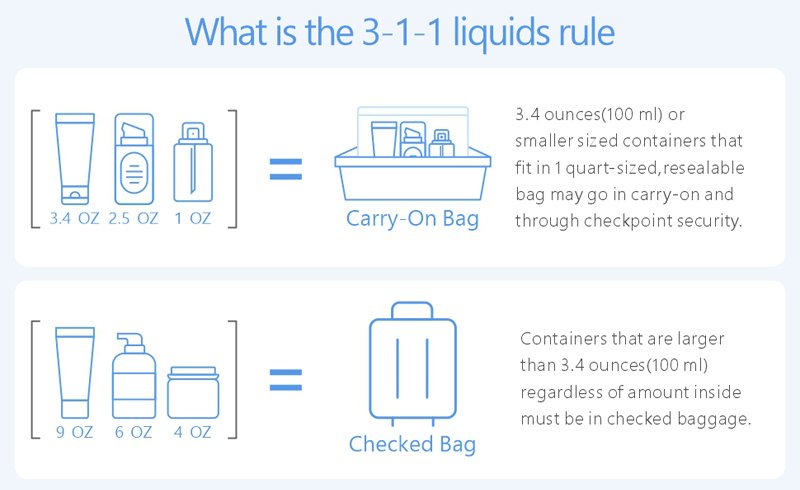
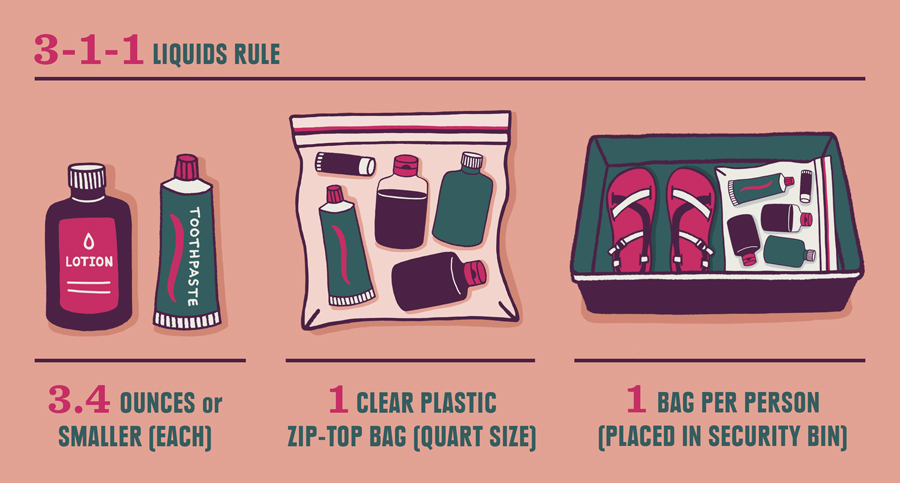
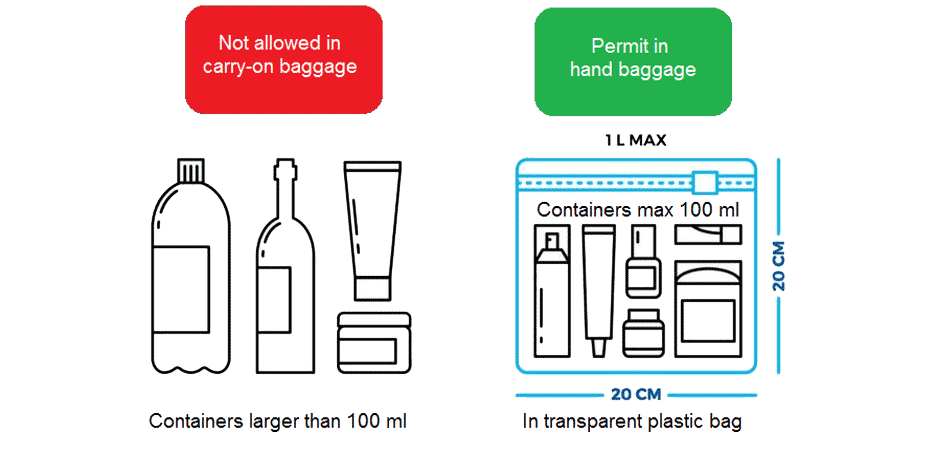
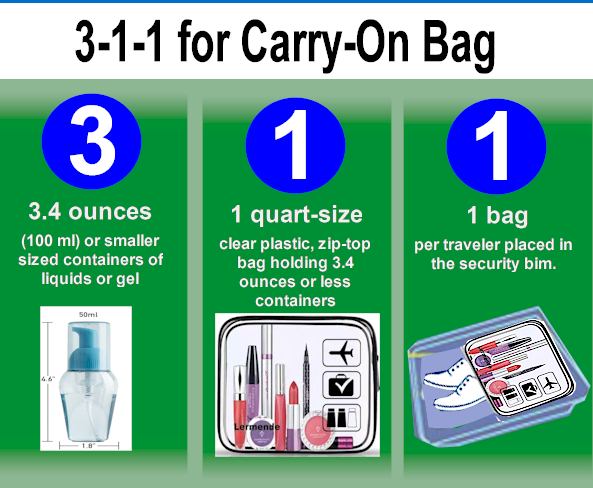
When it comes to navigating the world of air travel, one of the most crucial pieces of information to grasp is the regulations surrounding carry-on liquids. The rules, which have been in place since 2006, dictate that any liquids, gels, or aerosols brought on board must be in containers of 3.4 ounces (100 milliliters) or less and fit within a clear, quart-sized zip-top bag. This may seem like a straightforward guideline, but the reality is that the size of the bag for carry-on liquids is a topic of much debate and confusion among travelers.
The history of these regulations dates back to a foiled terrorist plot in 2006, where individuals attempted to use liquid explosives to blow up multiple flights. In response, the Transportation Security Administration (TSA) swiftly implemented the 3-1-1 liquids rule, which has since become a standard aspect of airport security. However, as with any rule, there are nuances and exceptions, and understanding these is key to avoiding unnecessary hassle and frustration at the security checkpoint. For instance, did you know that medically necessary liquids are exempt from the 3.4-ounce limit, provided they are declared and inspected? This oversight can lead to a more streamlined security process for those who need it most.
Understanding the Regulations
Delving deeper into the world of carry-on liquids reveals a complex landscape of rules and exceptions. One of the lesser-known facts is that the TSA allows for reasonable quantities of medically necessary items, such as breast milk, formula, and juice for infants, even if they exceed the 3.4-ounce limit. This not only highlights the flexibility within the system but also underscores the importance of clear communication between passengers and security personnel. However, the psychological aspect of these regulations cannot be overlooked. The anxiety of uncertainty can lead to significant stress for travelers, especially those unfamiliar with the rules or who have had negative experiences in the past. This anxiety is further compounded by the subjective nature of the inspections, where the decision to allow or confiscate an item can sometimes seem arbitrary.
Must Read
Culturally, the regulations on carry-on liquids have become a symbolic part of the air travel experience, representing both the need for security and the inconvenience it entails. The act of carefully measuring and packaging liquids has become a ritual for many, a necessary step in the pre-flight routine that serves as a reminder of the world we live in. Moreover, the economic impact of these regulations should not be underestimated. The sales of travel-sized toiletries have seen a significant boost, catering to the demand for compliant products. This shift in consumer behavior highlights the broader cultural adaptation to security measures, illustrating how societal norms can evolve in response to new challenges.
The implementation of these regulations has also had a profound impact on the aerosol and cosmetic industries, forcing companies to rethink their product lines and packaging. The emergence of travel-friendly products has opened up new market opportunities, with many brands now offering a range of 3.4-ounce or less versions of their bestselling items. This adaptation not only reflects the resilience of businesses in the face of regulatory change but also speaks to the collaborative effort between industries and governments to enhance security without stifling innovation.
Real-Life Applications and Strategies
In practice, understanding the size requirements for carry-on liquids can significantly ease the travel experience. For frequent flyers, investing in a high-quality, quart-sized zip-top bag can be a wise decision, providing a dedicated and compliant container for liquids. Moreover, planning ahead is key; travelers should ensure they purchase travel-sized versions of their essentials or decant full-sized products into compliant containers. This proactive approach can save time and reduce stress at security checkpoints, making the overall travel experience more enjoyable.
Case studies of airlines and airports that have implemented streamlined security processes offer valuable insights into how technology and innovation can enhance security efficiency. For instance, the use of automated screening lanes and advanced imaging technology can significantly reduce wait times and improve the detection of prohibited items. These advancements underscore the potential for security and convenience to coexist, providing a win-win scenario for both travelers and security agencies.
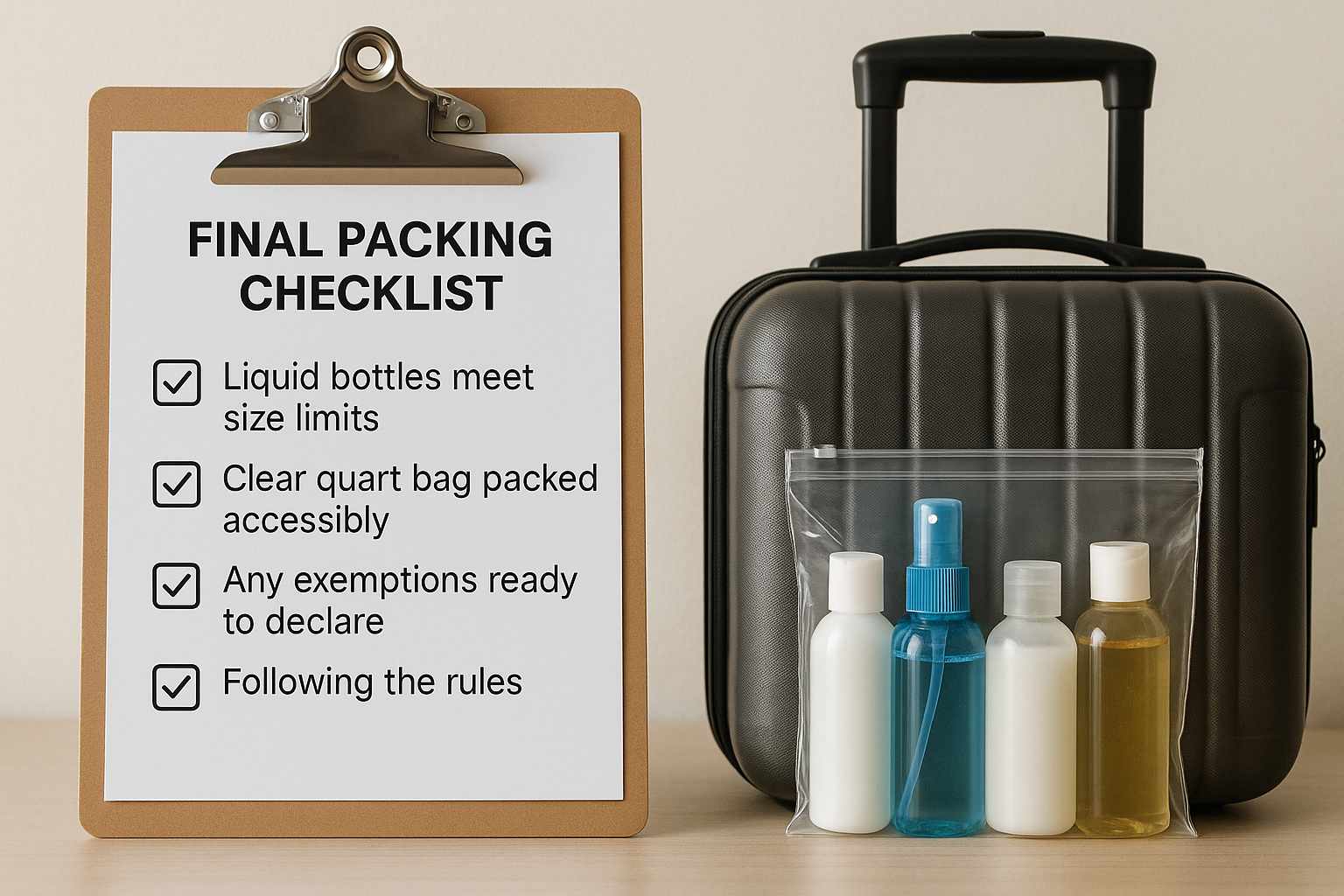
For those traveling with special requirements, such as infant formula or medication, it's crucial to understand the exceptions to the 3-1-1 rule. Declaring these items at security checkpoints and being prepared to provide additional information or documentation can facilitate a smoother process. Furthermore, packing strategically—for example, placing liquids in an easily accessible part of your carry-on—can save time and hassle during security screening.
In addition to personal strategies, airlines and travel companies are also stepping up to provide more user-friendly guidance and tools for navigating carry-on liquid regulations. From detailed websites and mobile apps to in-flight magazines and boarding announcements, the information dissemination has improved significantly, aiming to educate travelers and reduce confusion. This collaborative approach emphasizes the shared responsibility between travelers, airlines, and security agencies in ensuring both safety and convenience.
Frequently Asked Questions
What Happens If I Accidentally Bring a Liquid Over 3.4 Ounces?
In the event that you accidentally bring a liquid over 3.4 ounces, the consequences can vary depending on the specific circumstances and the discretion of the security officer. In many cases, you will be given the option to either return the item to your vehicle or checked luggage if you have time and it's feasible, or dispose of it if not. However, it's worth noting that some items, especially if they are of significant value or are essential, might be allowed through after additional screening, though this is not guaranteed. The key to handling such situations graciously is cooperation and understanding, acknowledging the security protocols in place and the role they play in ensuring air travel safety.
The best strategy to avoid such dilemmas is, of course, preparation and awareness. Familiarizing yourself with the TSA's 3-1-1 liquids rule and planning your packing accordingly can prevent the inconvenience and potential financial loss of having to dispose of items at security checkpoints. Moreover, staying informed about any updates to the regulations can help you navigate the security process more efficiently, contributing to a less stressful travel experience.
Can I Bring Liquids in Containers Larger Than 3.4 Ounces for Medical Purposes?
Furthermore, having documentation or a letter from your physician explaining your medical condition and the necessity of the items can be beneficial, though not always required. This documentation can help in expediting the process and reducing the likelihood of any issues or misunderstandings during security screening. The TSA also recommends informing the security officer if you have any special needs or require additional assistance, further emphasizing the importance of open communication in navigating the security process effectively.
How Do the Regulations Differ for International Flights?
The core principle of the 3-1-1 liquids rule applies internationally as well, but there can be variations in how different countries enforce these regulations. For instance, the European Union has similar rules, known as the 100ml rule, which mirrors the TSA's 3.4-ounce limit. However, some countries might have stricter or slightly different regulations, so it's crucial for travelers to research the specific requirements for their destination and any layovers to avoid issues during their journey.

A key strategy for international travelers is to pack smart, considering the regulations of all countries involved in their travel plans. This might involve packing essential liquids in compliant containers from the outset or purchasing travel-sized toiletries specifically designed for air travel. Staying informed and adapting to the requirements of each leg of your journey can help in minimizing travel stress and ensuring compliance with varying international regulations.
Are There Any Exemptions to the 3-1-1 Rule for Certain Types of Liquids?
Yes, there are exemptions to the 3-1-1 rule for certain types of liquids, particularly those that are deemed medically necessary or for infant and child care. For example, formula, breast milk, and juice for infants or toddlers are allowed in reasonable quantities exceeding 3.4 ounces, provided they are declared. Additionally, prescription medications and certain medical equipment may also be exempt from the 3-1-1 rule, though it's advisable to check with the TSA or your airline for specific guidance on these items.
Understanding these exemptions is crucial for travelers who require these items, as it allows them to navigate security with greater ease and confidence. The TSA's approach to these exemptions highlights the balance between security and passenger need, aiming to accommodate the diverse requirements of travelers while maintaining rigorous security standards. This balanced approach underscores the importance of flexibility and understanding in the application of security regulations.
How Often Do the Regulations Regarding Carry-On Liquids Change?
The regulations regarding carry-on liquids can change, though not frequently. Updates or changes to the rules are typically made in response to new security threats or the evolution of screening technologies. The TSA and other international security agencies continually assess and refine their policies to ensure they remain effective and relevant in the face of emerging challenges. Travelers can stay informed about any changes by visiting the TSA's website or following reputable travel and security updates.
In addition to official sources, travel communities and forums can provide valuable insights and firsthand experiences regarding changes to the regulations and how they are enforced in practice. This combination of official information and practical advice can help travelers stay ahead of any changes, ensuring they are always prepared and compliant with the latest security requirements. By being proactive and informed, travelers can contribute to a safer and more efficient air travel environment.
Reflecting on the topic of carry-on liquids and their size requirements, it becomes clear that this aspect of air travel is deeply intertwined with our daily lives, influencing how we plan, pack, and experience journeys. The regulations, while seemingly mundane, touch on broader themes of security, convenience, and consumer behavior, highlighting the complex interplay between individual needs, technological advancements, and societal norms. As travelers, understanding and adapting to these regulations not only ensures compliance but also contributes to a smoother, more enjoyable travel experience.
The psychological and cultural dimensions of carry-on liquids regulations also offer a fascinating glimpse into human nature and our responses to rules and restrictions. The anxiety of security checks and the creative solutions people devise to navigate these rules speak to fundamental aspects of human behavior, including our desire for control, our ability to adapt, and our innate need for security and safety. By exploring these dimensions, we can gain a deeper appreciation for the intricate dance between security, technology, and human experience that defines modern air travel.
In conclusion, the size requirements for carry-on liquids are more than just a security regulation; they represent a crossroads of technology, culture, and human experience. As we continue to navigate the evolving landscape of air travel, understanding and embracing these regulations will be key to creating a safer, more efficient, and more enjoyable experience for all. By doing so, we not only comply with the rules but also contribute to the ongoing conversation about what it means to travel securely and conveniently in the modern world.
:max_bytes(150000):strip_icc()/Liquids-in-carry-on-468595-v2-334131c6ffdf498f9503f6e0480f6efe.png)