What Is The Weight Limit On Checked Bags
The concept of checked bags and their weight limits has been a topic of discussion for decades, with its roots dating back to the early days of commercial air travel in the 1920s. During this time, passengers were allowed to check in bags, but there was no standard weight limit in place. Airlines would often have their own rules and regulations regarding checked luggage, which would lead to confusion among travelers. As air travel became more popular, the need for standardized weight limits arose, and by the 1950s, most airlines had introduced weight limits for checked bags.
In the early days, the weight limit for checked bags was around 40 pounds, but this varied depending on the airline and the class of travel. The introduction of weight limits was not just about safety, but also about practicality. Airlines needed to ensure that their planes were not overloaded, and that the luggage handling systems could cope with the weight of the bags. The weight limit also had an impact on the design of luggage, with manufacturers creating bags that were not only stylish but also durable and lightweight.
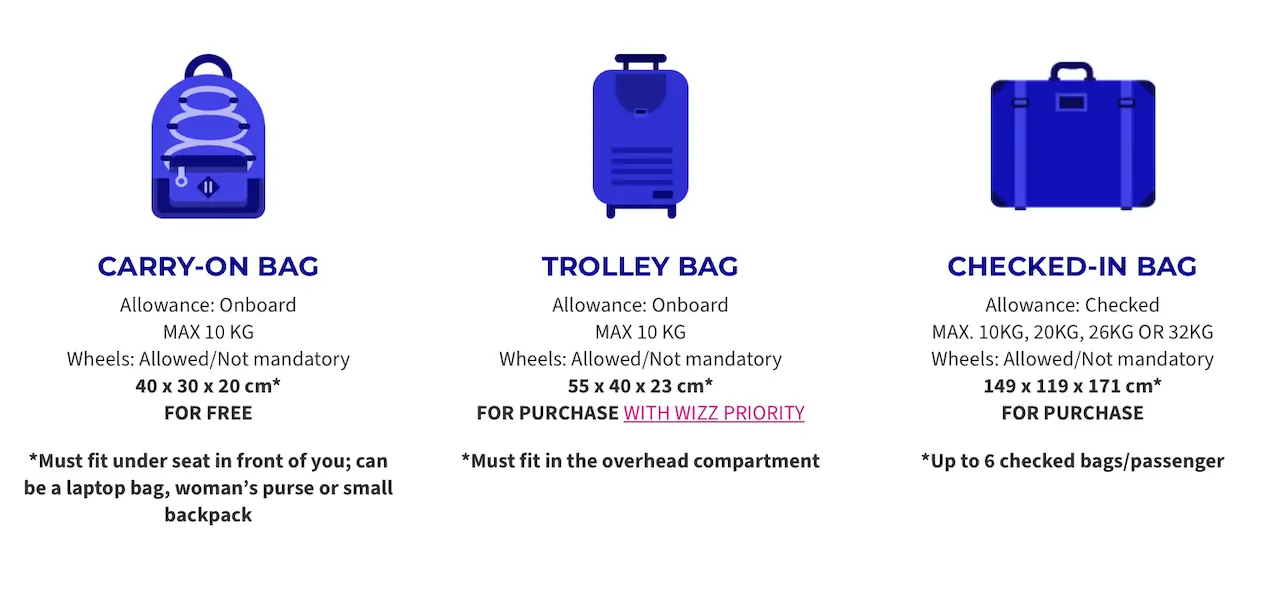
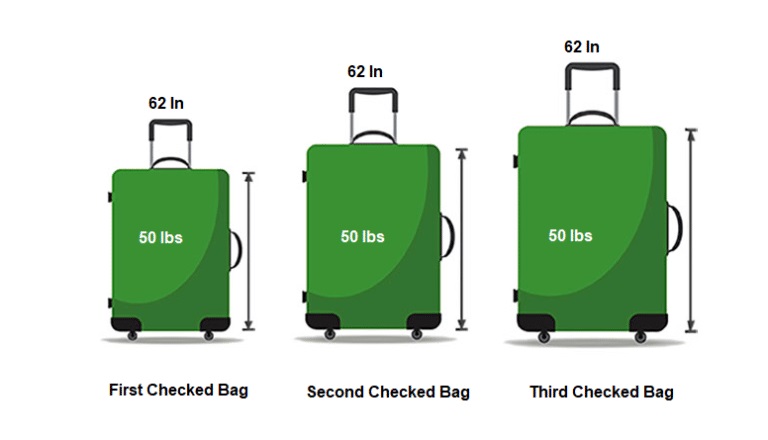
As air travel continued to evolve, so did the weight limits for checked bags. In the 1970s, many airlines increased their weight limits to 50 pounds, and by the 1990s, some airlines were allowing passengers to check in bags weighing up to 70 pounds. However, with the increasing cost of fuel and the need for airlines to reduce their carbon footprint, weight limits began to decrease. Today, most airlines have a standard weight limit of 50 pounds for checked bags, although some may have lower or higher limits depending on the class of travel and the destination.
Must Read
A History of Transformation
The evolution of weight limits for checked bags has been shaped by a combination of factors, including advances in technology, changes in consumer behavior, and the need for airlines to reduce costs. In the 1980s, the introduction of computerized luggage handling systems made it easier for airlines to track and manage checked bags. This led to a reduction in lost luggage and an increase in efficiency, but it also meant that airlines could impose stricter weight limits. The 1990s saw the rise of low-cost carriers, which often had lower weight limits for checked bags in order to keep costs down.
One of the most significant transformations in the history of weight limits for checked bags was the introduction of baggage fees in the 2000s. Airlines began to charge passengers for checking in bags, which led to a decrease in the number of bags being checked in. This, in turn, led to a reduction in weight limits, as airlines sought to minimize the weight of their planes and reduce fuel costs. The introduction of baggage fees also led to a shift in consumer behavior, with passengers becoming more mindful of the weight of their bags and seeking to avoid additional fees.
Another significant factor that has impacted weight limits for checked bags is the rise of premium economy and business class travel. As more passengers began to travel in these classes, airlines introduced higher weight limits for checked bags, often up to 70 pounds or more. This has led to a two-tier system, where passengers in higher classes of travel are allowed to check in heavier bags, while those in economy class are subject to stricter weight limits.
Despite the many changes that have taken place in the history of weight limits for checked bags, there are still many vintage facts that are worth remembering. For example, did you know that in the 1950s, airlines would often allow passengers to check in unusual items, such as bicycles and surfboards, as long as they were properly packaged? Or that in the 1970s, some airlines had a no-weight-limit policy for first-class passengers, as long as the bags were not excessively large?
Modernizing the Classics
Today, the classic principles of weight limits for checked bags are being hacked and modernized for the fast-paced world of air travel. With the rise of digital luggage scales and mobile check-in, passengers can now easily weigh and check in their bags from the comfort of their own homes. This has led to a reduction in queues at airports and a decrease in the number of bags that are overweight. Airlines are also using artificial intelligence and data analytics to optimize their luggage handling systems and reduce the risk of lost or damaged bags.
Another way in which classic principles are being modernized is through the use of biometric technology and radio-frequency identification (RFID). Airlines are using biometric technology, such as facial recognition, to identify passengers and their bags, while RFID is being used to track bags throughout the travel journey. This has led to a significant reduction in the number of lost bags and an increase in efficiency. As technology continues to evolve, it will be interesting to see how weight limits for checked bags adapt to meet the changing needs of passengers and airlines.
Frequently Asked Questions
What is the standard weight limit for checked bags?
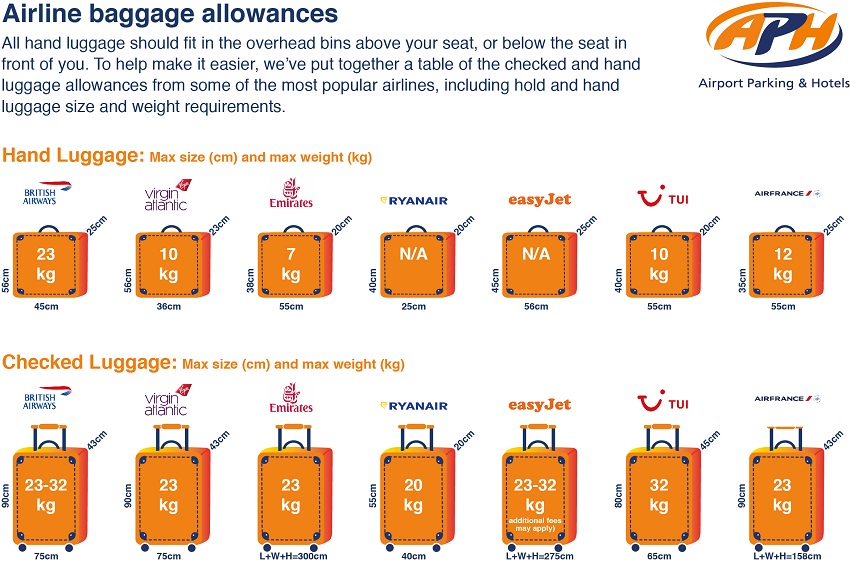
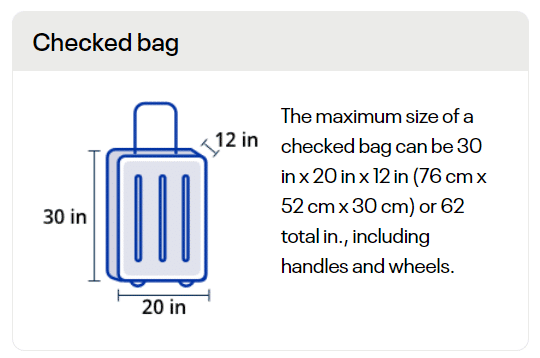
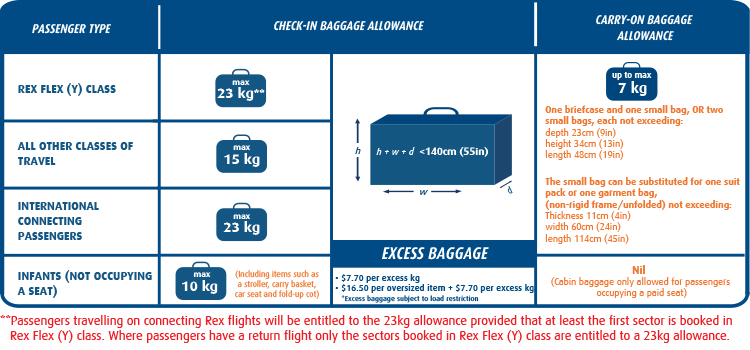
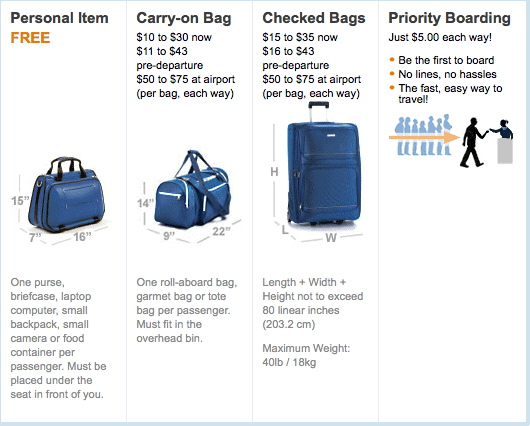
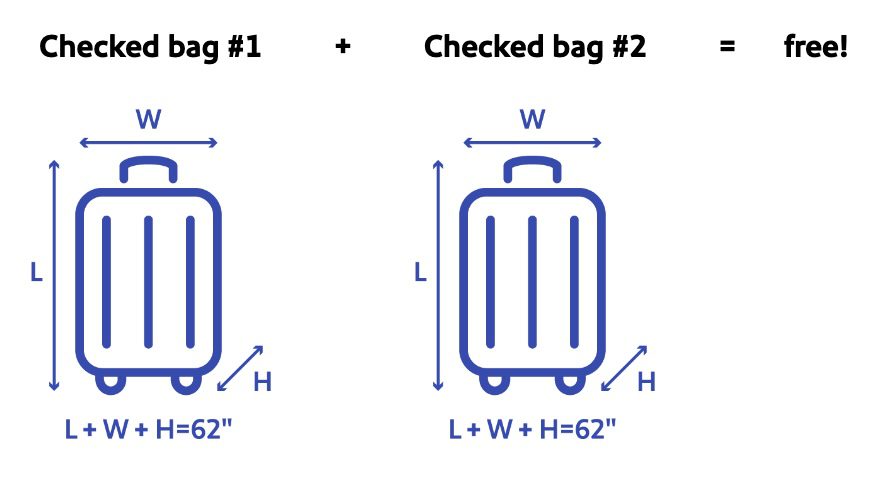
The standard weight limit for checked bags varies depending on the airline and the class of travel. However, most airlines have a standard weight limit of 50 pounds for checked bags. It's worth noting that some airlines may have lower or higher weight limits, so it's always best to check with the airline before traveling. In the past, weight limits were often higher, with some airlines allowing passengers to check in bags weighing up to 70 pounds or more. However, with the increasing cost of fuel and the need for airlines to reduce their carbon footprint, weight limits have decreased over time.
Despite the decrease in weight limits, there are still many factors that can affect the weight limit for checked bags. For example, passengers traveling in business class or first class may be allowed to check in heavier bags, while those traveling in economy class may be subject to stricter weight limits. Additionally, some airlines may have special policies for sports equipment or musical instruments, which may be allowed to exceed the standard weight limit. It's always best to check with the airline before traveling to ensure that you are aware of their weight limit policies.
How do airlines enforce weight limits for checked bags?
Airlines enforce weight limits for checked bags through a combination of methods, including digital luggage scales and manual weighing. When passengers check in their bags, they are typically weighed using a digital luggage scale, which provides an accurate reading of the bag's weight. If the bag exceeds the weight limit, the passenger may be required to pay an additional fee or remove items from the bag to bring it within the weight limit. In some cases, airlines may also use manual weighing methods, such as placing the bag on a scale, to verify the weight of the bag.
The enforcement of weight limits for checked bags has become increasingly sophisticated over time. In the past, airlines may have relied on manual weighing methods, which could be time-consuming and prone to error. Today, digital luggage scales provide a quick and accurate way to weigh bags, and airlines can use data analytics to track and manage weight limits. Additionally, airlines are using artificial intelligence and machine learning to optimize their luggage handling systems and reduce the risk of lost or damaged bags. By enforcing weight limits, airlines can ensure that their planes are not overloaded and that they can reduce their fuel costs and carbon footprint.
What happens if my checked bag exceeds the weight limit?
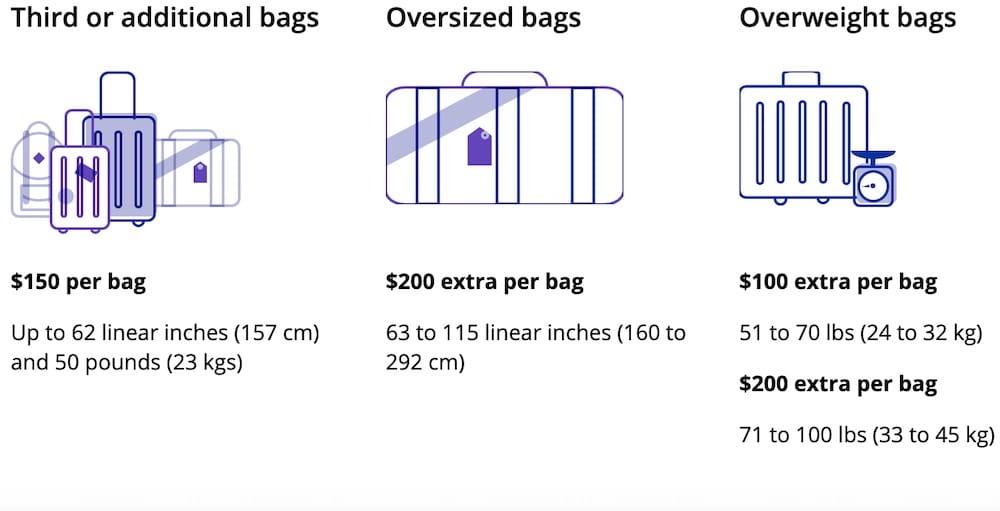
If your checked bag exceeds the weight limit, you may be required to pay an additional fee or remove items from the bag to bring it within the weight limit. The fee for overweight bags varies depending on the airline and the weight of the bag, but it can range from $50 to $200 or more. In some cases, airlines may also offer to check in the bag as is, but this may require an additional fee and may result in the bag being handled separately from other luggage. It's worth noting that some airlines may have different policies for overweight bags, so it's always best to check with the airline before traveling.

Exceeding the weight limit for checked bags can have serious consequences, including delays and additional fees. If a bag exceeds the weight limit, it may be removed from the plane and checked in separately, which can result in delays and additional fees. In some cases, the bag may be left behind and sent on a later flight, which can be inconvenient for passengers. To avoid these consequences, it's always best to check the weight of your bag before traveling and to remove any unnecessary items to bring it within the weight limit. By doing so, you can ensure a smooth and stress-free journey.
As we look to the future, it's clear that weight limits for checked bags will continue to evolve. With the rise of sustainable air travel and the need for airlines to reduce their carbon footprint, it's likely that weight limits will decrease even further. Additionally, advances in technology, such as digital luggage scales and artificial intelligence, will continue to play a major role in shaping the future of weight limits for checked bags. As passengers, we can expect to see more efficient and streamlined processes for checking in bags, as well as increased transparency and communication from airlines regarding weight limits and fees.
In the next 20 years, we can expect to see significant changes in the way that weight limits for checked bags are enforced and managed. With the rise of electric and hybrid aircraft, airlines may be able to reduce their weight limits even further, while still maintaining the safety and efficiency of their planes. Additionally, advances in materials science and luggage design may lead to the creation of lighter and more durable luggage, which could reduce the need for strict weight limits. As the air travel industry continues to evolve, it will be exciting to see how weight limits for checked bags adapt to meet the changing needs of passengers and airlines.
![Checked Luggage Size Chart And Allowances [2025]](https://www.thepointsanalyst.com/wp-content/uploads/2025/08/Image-9-1.jpeg)