What Is The Tsa Size Limit For Liquids

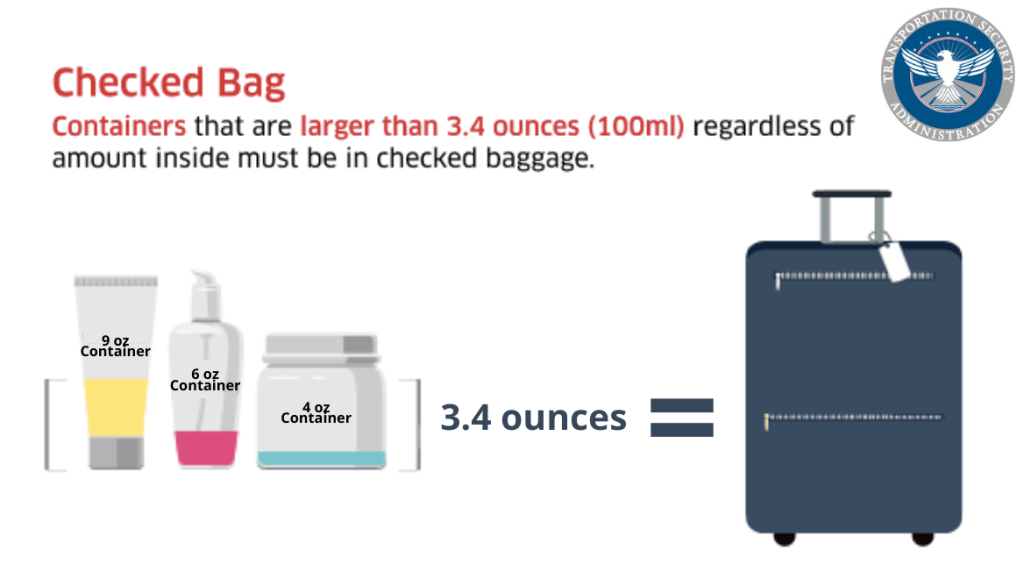
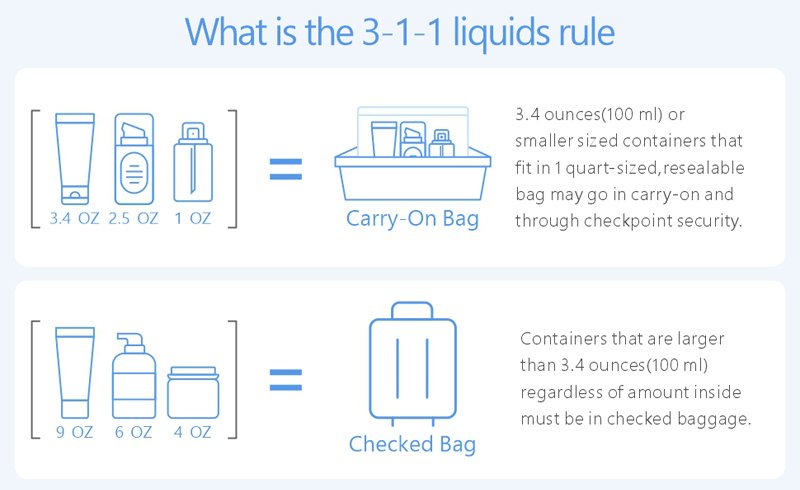
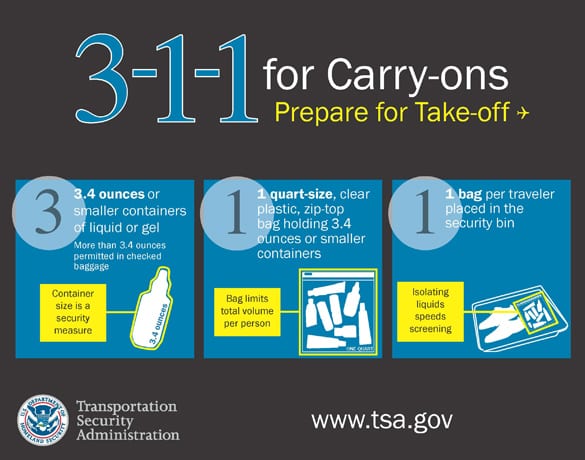
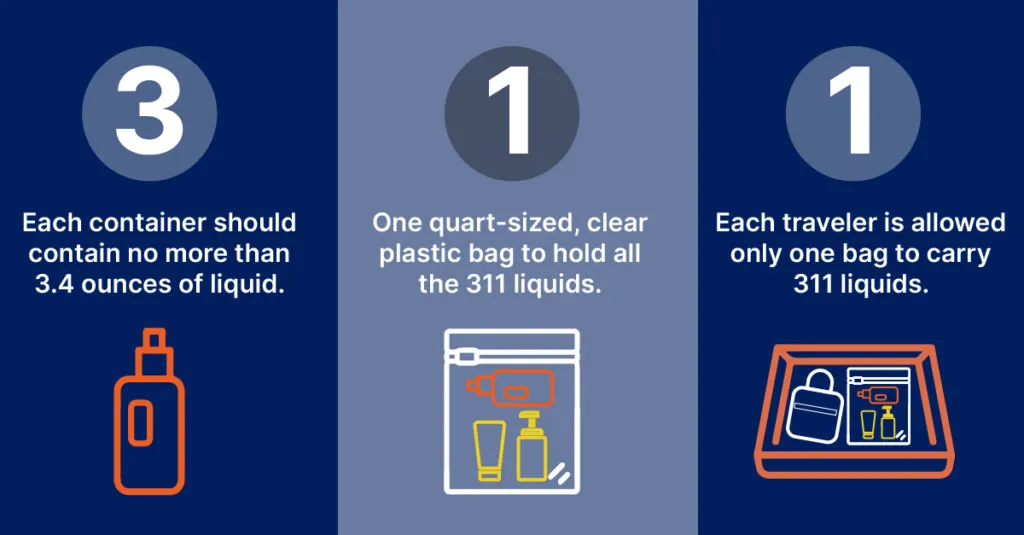
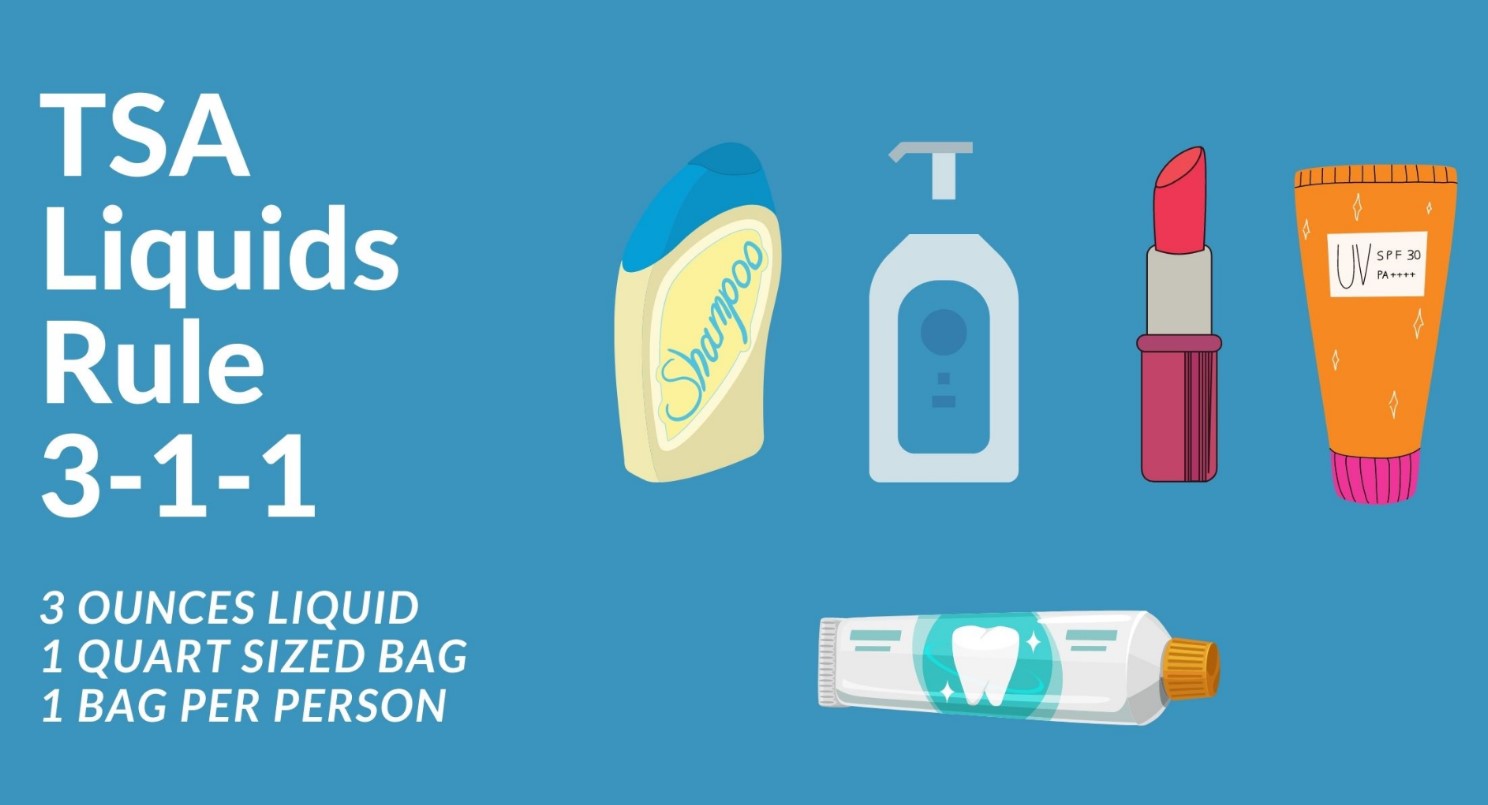
The world of air travel has become a complex, yet necessary, part of modern life. With millions of people flying every day, the Transportation Security Administration (TSA) plays a crucial role in ensuring the safety of passengers and crew. One of the most mundane, yet frustrating, aspects of air travel is the TSA's liquid size limit. Who among us hasn't stood in line, nervously wondering if our toiletries will make it through security? The 3-1-1 liquids rule has been in place since 2006, dictating that liquids, gels, and aerosols must be in containers of 3.4 ounces or less, fit in a clear quart-sized zip-top bag, and only one bag is allowed per passenger.
The origins of this rule date back to a foiled terror plot in 2006, in which a group of individuals attempted to detonate liquid explosives on a flight from the UK to the US. The subsequent crackdown on liquids led to the implementation of the 3-1-1 rule, which has been in place ever since. Today, the TSA size limit for liquids remains a vital aspect of airport security, with thousands of passengers being affected by it every day. Whether you're a frequent flyer or an occasional traveler, understanding the rules and regulations surrounding liquids can make all the difference in your airport experience.
Understanding the Rules
Delving deeper into the world of TSA regulations, it becomes clear that the rules surrounding liquids are more complex than they initially seem. For instance, medications and baby formula are exempt from the 3-1-1 rule, but must be declared and screened separately. Additionally, the TSA has a long list of prohibited items, including bleach, tear gas, and certain types of batteries. It's not just about the size of the container, but also the type of substance and its potential uses. The TSA's website provides a wealth of information on the rules and regulations, but it's up to the passenger to stay informed and plan accordingly.
Must Read
- Heart Of Mexico City Football: Pinpointing The Azteca Stadium Location
- Guadalajara Stadium Parking Guide: Avoid The Matchday Traffic
- Houston Stadium Bag Policy: Clear Bag Rules For Visitors
- Sofi Stadium Capacity: How Many Fans It Can Hold
- Reliant Stadium Parking: A Guide To The Old Name And Current Venue
One of the most fascinating aspects of the TSA's liquid size limit is the psychological impact it has on passengers. The stress of navigating security checkpoints, combined with the uncertainty of whether your liquids will be allowed, can be overwhelming. It's not uncommon to see passengers frantically repacking their bags or arguing with TSA agents over the size of a particular container. The anxiety surrounding the 3-1-1 rule has become a cultural phenomenon, with many travelers sharing their own horror stories and tips for navigating the system.
Despite the challenges, the TSA's liquid size limit has also had a profound impact on the beauty and cosmetics industry. With the rise of travel-sized toiletries, companies have capitalized on the trend, offering a wide range of products specifically designed to fit within the 3.4-ounce limit. From miniature shampoo bottles to sample-sized fragrances, the market has adapted to the demands of the modern traveler. It's a testament to human ingenuity and the ability to find opportunity in even the most mundane aspects of life.
Real-Life Scenarios
In the real world, the TSA's liquid size limit can have serious consequences for passengers. Imagine being a business traveler on your way to an important meeting, only to have your expensive hair gel confiscated at security. Or picture a family on vacation, struggling to find replacement toiletries for their young children after theirs were taken away. These scenarios may seem trivial, but they can have a significant impact on our travels and our overall well-being.
For frequent flyers, the TSA's liquid size limit can be a major hassle. Constantly having to repack and rearrange their bags can be time-consuming and frustrating. However, many have developed strategies to navigate the system, from using clear toiletry bags to preparing their liquids in advance. It's a testament to human adaptability and our ability to find ways to work around even the most challenging rules and regulations.
In certain cases, the TSA's liquid size limit can also have health implications. For example, diabetics may need to carry large quantities of insulin or other medications, which can be affected by the 3-1-1 rule. In these situations, it's essential to declare your medications and work with the TSA to find a solution. By being prepared and informed, passengers can minimize the impact of the liquid size limit and ensure a smooth journey.
Finally, the TSA's liquid size limit has also led to the rise of innovative products and services. From reusable toiletry bags to portable refill containers, companies are finding new ways to help passengers navigate the 3-1-1 rule. It's a growing market, with many entrepreneurs and inventors looking to capitalize on the trend. As the travel industry continues to evolve, it will be interesting to see how the TSA's liquid size limit adapts and changes over time.
Frequently Asked Questions
What is the TSA's policy on medications and liquids?
The TSA allows medications and baby formula to be carried in containers larger than 3.4 ounces, but they must be declared and screened separately. It's essential to inform the TSA agent about your medications and to have them clearly labeled. Additionally, the TSA recommends that passengers carry a prescription or doctor's note to verify the authenticity of their medications. By being prepared and informed, passengers can minimize delays and ensure a smooth journey.

In certain cases, the TSA may require additional screening or testing of medications and liquids. This can include X-raying or swabbing the container to detect any potential threats. It's essential to cooperate with the TSA and to follow their instructions to ensure a safe and secure flight. By working together, passengers and the TSA can verify the safety of medications and liquids, while also respecting the needs and requirements of all travelers.
Can I carry liquids in my checked luggage?
The TSA allows liquids to be carried in checked luggage, but it's essential to check with your airline for their specific policies. Some airlines may have restrictions on the types of liquids that can be carried in checked luggage, while others may have special procedures for handling certain types of substances. It's always best to check with your airline before packing any liquids in your checked luggage.
In general, it's safer to carry essential liquids in your carry-on luggage, in case your checked luggage is delayed or lost. However, if you need to carry large quantities of liquids, checked luggage may be a better option. Just be sure to follow the TSA's guidelines and your airline's policies to avoid any issues or delays. By being informed and prepared, you can ensure a safe and hassle-free journey.
How do I pack my liquids to ensure they make it through security?
To ensure that your liquids make it through security, it's essential to pack them in a clear quart-sized zip-top bag. This will make it easier for the TSA to screen your liquids and verify their safety. You should also limit yourself to one bag per passenger and make sure that each container is 3.4 ounces or less.
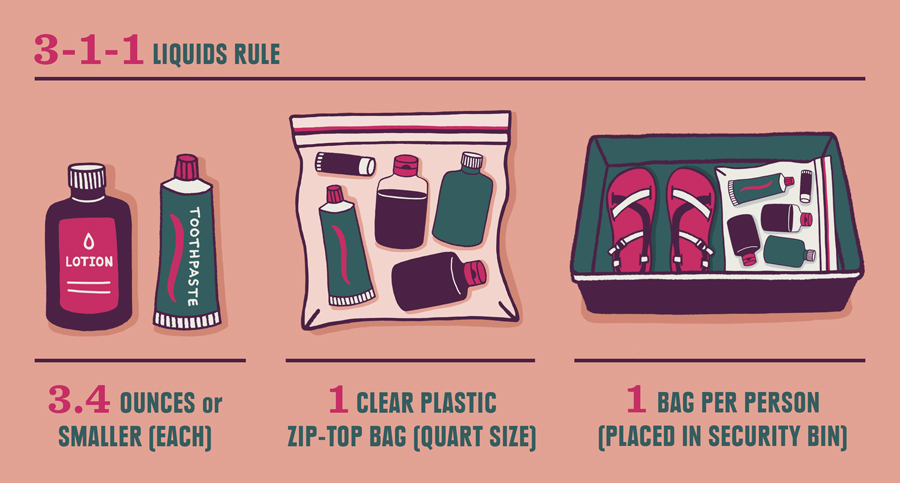
Additionally, it's a good idea to prepare your liquids in advance, by transferring them to travel-sized containers and labeling them clearly. This will help you to avoid any delays or issues at security checkpoints. By being organize and prepared, you can minimize the risk of your liquids being confiscated or delayed.
Can I bring empty containers through security and fill them up after?
The TSA allows empty containers to be carried through security, but it's essential to check with your airline and the TSA for their specific policies. Some airlines may have restrictions on the types of containers that can be carried, while others may have special procedures for handling empty containers. It's always best to check with your airline and the TSA before carrying any empty containers through security.
In general, it's safest to fill your containers before passing through security, to avoid any issues or delays. However, if you need to carry empty containers, be sure to declare them and follow the TSA's guidelines to avoid any problems. By being informed and prepared, you can ensure a safe and hassle-free journey.
How do I know if a liquid is allowed or prohibited by the TSA?
The TSA has a long list of prohibited items, including bleach, tear gas, and certain types of batteries. To determine if a liquid is allowed or prohibited, you should check the TSA's website or consult with a TSA agent. They can provide you with the most up-to-date information on the rules and regulations surrounding liquids and other substances.

In general, it's best to err on the side of caution when it comes to carrying liquids and other substances. If you're unsure about a particular item, it's always safer to leave it behind or check with the TSA before carrying it through security. By being informed and prepared, you can minimize the risk of your liquids being confiscated or delayed, and ensure a safe and hassle-free journey.
The TSA's liquid size limit may seem like a minor aspect of air travel, but it has a significant impact on our daily lives. Whether we're frequent flyers or occasional travelers, we've all been affected by the 3-1-1 rule at some point. By understanding the rules and regulations, we can minimize stress and maximize our travel experience. The next time you're packing your bags, remember to check the TSA's website and to pack your liquids wisely.
In the grand scheme of things, the TSA's liquid size limit is a small price to pay for the safety and security of air travel. While it may be inconvenient at times, it's a vital aspect of protecting passengers and crew from potential threats. As we continue to navigate the complexities of modern air travel, it's essential to stay informed and adapt to the changing rules and regulations. By doing so, we can ensure a safe and enjoyable travel experience, while also respecting the needs and requirements of all travelers.
Ultimately, the TSA's liquid size limit is a reflection of our global society and the challenges we face in the 21st century. As we continue to evolve and adapt to new threats and technologies, it's essential to stay vigilant and work together to ensure the safety and security of all travelers. By doing so, we can create a safer and more harmonious world, where air travel is a positive and enjoyable experience for all.