What Is The Size For A Carry-on

When it comes to traveling, one of the most important things to consider is the size of your carry-on luggage. Most airlines have specific size restrictions for carry-on bags, and if yours is too big, you might be forced to check it. This can be a real hassle, especially if you're trying to avoid checked baggage fees.
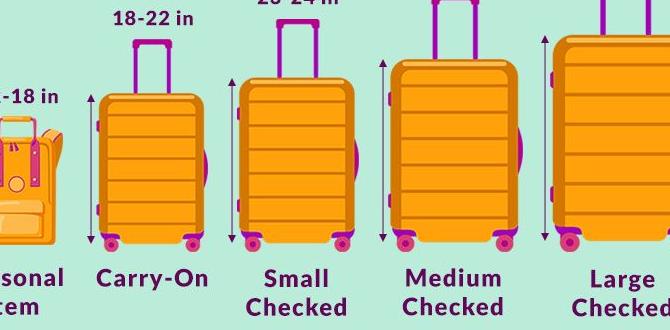
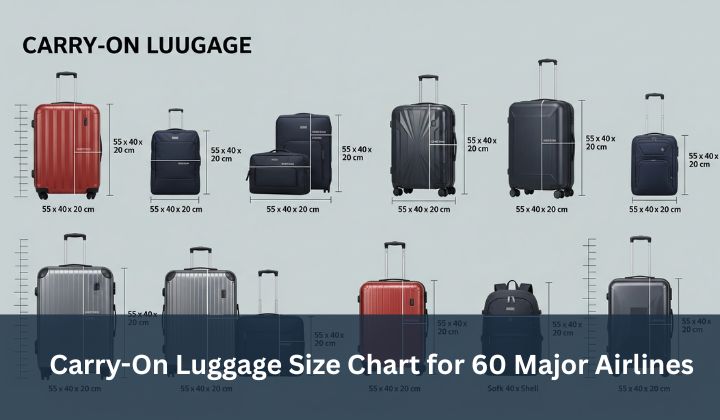
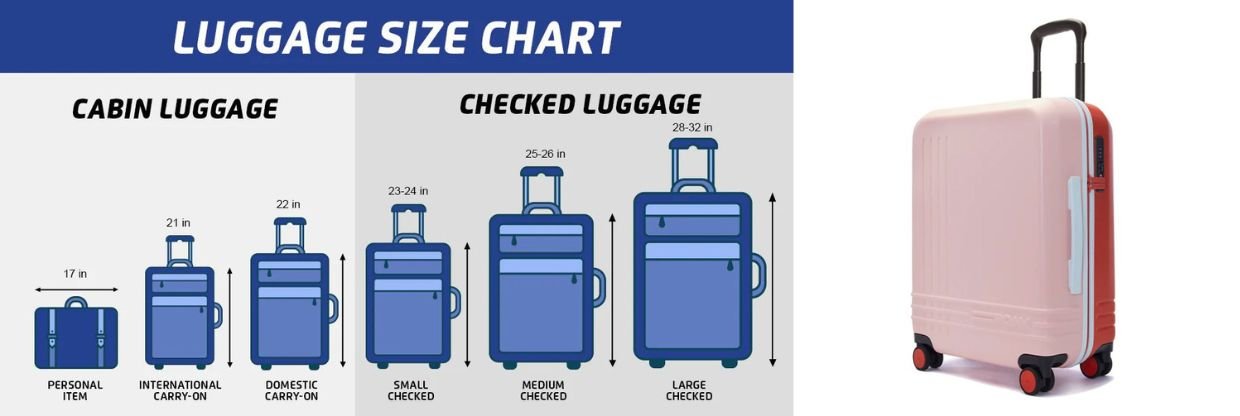
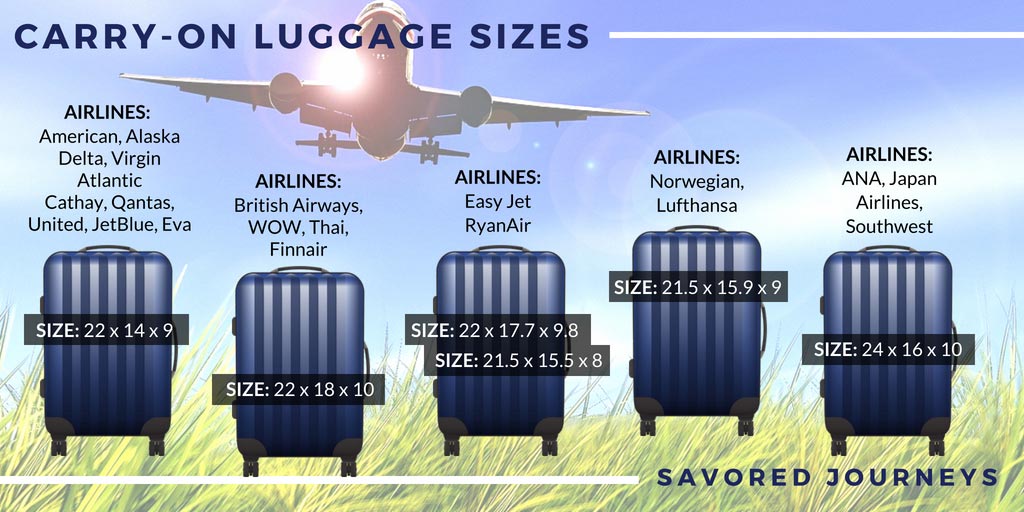
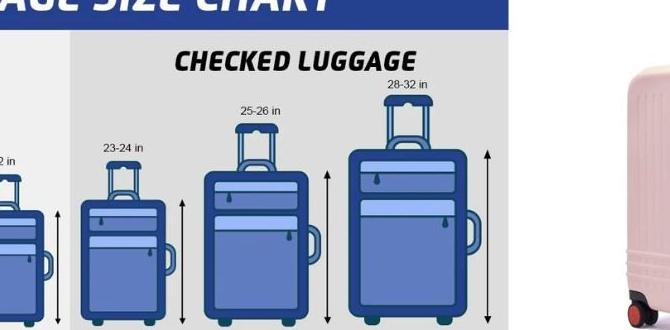
A typical carry-on size is around 22 inches tall, 14 inches wide, and 9 inches deep, but it's always best to check with your airline for their specific size restrictions. Some airlines, like Spirit Airlines, have very strict size restrictions, while others, like Southwest Airlines, are a bit more lenient. Be sure to measure your bag carefully before your trip to avoid any issues.
Why Size Matters
The size of your carry-on is important because it needs to fit in the overhead bin or under the seat in front of you. If your bag is too big, it won't fit, and you'll have to gate check it, which can be a real pain.
A good rule of thumb is to choose a bag that is sturdy, yet compact, and has multiple compartments to keep your belongings organized.
Must Read
- Heart Of Mexico City Football: Pinpointing The Azteca Stadium Location
- Guadalajara Stadium Parking Guide: Avoid The Matchday Traffic
- Houston Stadium Bag Policy: Clear Bag Rules For Visitors
- Sofi Stadium Capacity: How Many Fans It Can Hold
- Reliant Stadium Parking: A Guide To The Old Name And Current Venue
Airlines are very particular about the size of carry-on bags, and some even have size check stations at the gate to ensure that your bag meets their requirements. If your bag is too big, you'll be forced to check it, and that can be a real hassle, especially if you're on a tight connection. It's always better to err on the side of caution and choose a carry-on that meets the airline's size restrictions.
When shopping for a carry-on, look for one that is made of durable materials, like nylon or polyester, and has a sturdy handle and wheels. A good carry-on should also have multiple compartments and pockets to keep your belongings organized, and a TSA-approved lock to keep your valuables safe. Samsonite and Tumi are two popular brands that make high-quality carry-on bags.
Tips for Packing
Once you have a carry-on that meets the airline's size restrictions, it's time to start packing.
Packing lightis key, so try to avoid overstuffing your bag with too many clothes or electronics. Instead, choose a few essential items, like a change of clothes, a phone charger, and a snack, and pack them in a way that makes the most of your bag's space.
A good packing strategy is to roll your clothes to save space, and to use packing cubes to keep your belongings organized. You should also try to wear your heaviest or bulkiest items, like your coat or boots, on the plane to save space in your bag. By packing smart, you can fit everything you need into a small carry-on and avoid checked baggage fees.
:max_bytes(150000):strip_icc()/TAL-illustrated-chart-CARRYSIZE0325-35ad53e34fe94833b370f432af602978.jpg)
Another thing to consider when packing your carry-on is the liquid rule. Most airlines have strict rules about the size of liquids and gels that you can carry on, so be sure to check the TSA website for the most up-to-date information. You should also try to pack your liquids and gels in a clear, quart-sized zip-top bag to make them easy to screen.
Conclusion
In conclusion, the size of your carry-on is a critical factor to consider when traveling. By choosing a bag that meets the airline's size restrictions, packing light, and using a good packing strategy, you can avoid checked baggage fees and make your trip a whole lot easier.
Happy travels, and don't forget to measure your bag before you leave for the airport!


:max_bytes(150000):strip_icc()/carryon-infographic-one-CARRYON1220-cf8c04725c154902b9904f2ef5f257f5.jpg)