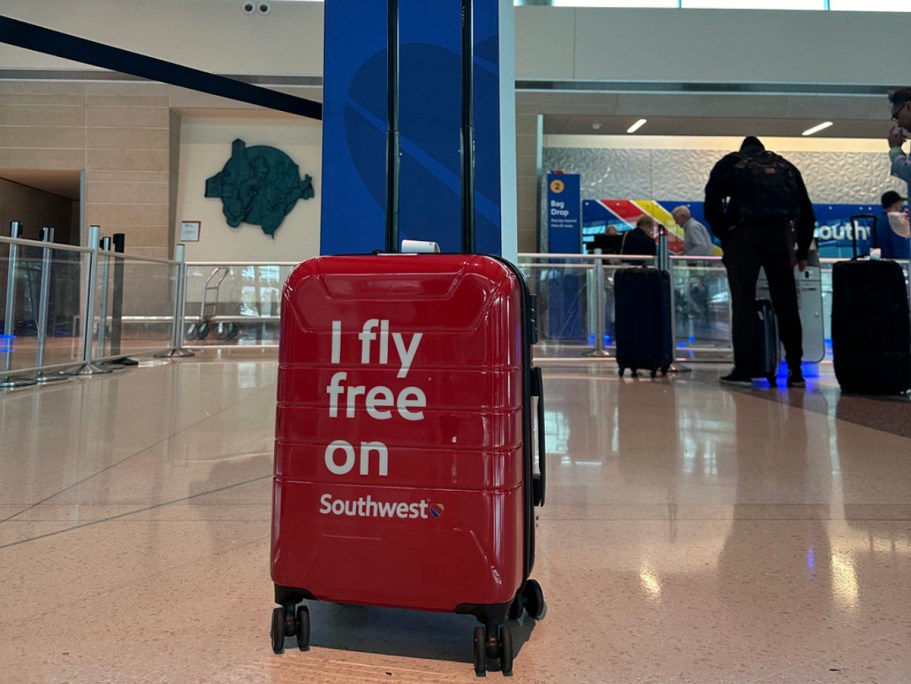
What Is The New Southwest Bag Policy
The concept of baggage policies has been around for as long as commercial air travel itself, with the first paid flights taking to the skies in the early 1900s. However, it wasn't until the deregulation of the airline industry in 1978 that the modern era of baggage policies as we know them today began to take shape. This period marked a significant shift, as airlines started to compete more aggressively on pricing and services, including how they handled passengers' luggage. The Southwest Airlines, known for its customer-centric approach and efficient operations, has been at the forefront of this evolution, adapting its baggage policy to meet the changing needs and expectations of travelers.
In the early days of Southwest Airlines, which dates back to 1967, the airline focused on providing a no-frills service that was both reliable and affordable. The baggage policy, like many aspects of the airline's operations, was straightforward and simple, reflecting the company's emphasis on efficiency and customer satisfaction. Over the years, as air travel became more accessible and the number of passengers increased, airlines, including Southwest, had to revisit and refine their baggage policies to accommodate growing demand and changing consumer behaviors.
The 1980s and 1990s saw significant changes in the airline industry, with advancements in technology and shifts in consumer preferences. Airlines began to differentiate their services, and baggage policies became a key area of focus. Southwest Airlines, in particular, maintained its commitment to simplicity and transparency, characteristics that have been central to its appeal. As the airline industry continued to evolve through the 2000s, with the rise of low-cost carriers and the impact of 9/11 on security measures, baggage policies continued to adapt, reflecting both the practical needs of airlines and the regulatory environment.
Must Read
Evolution of Baggage Policies
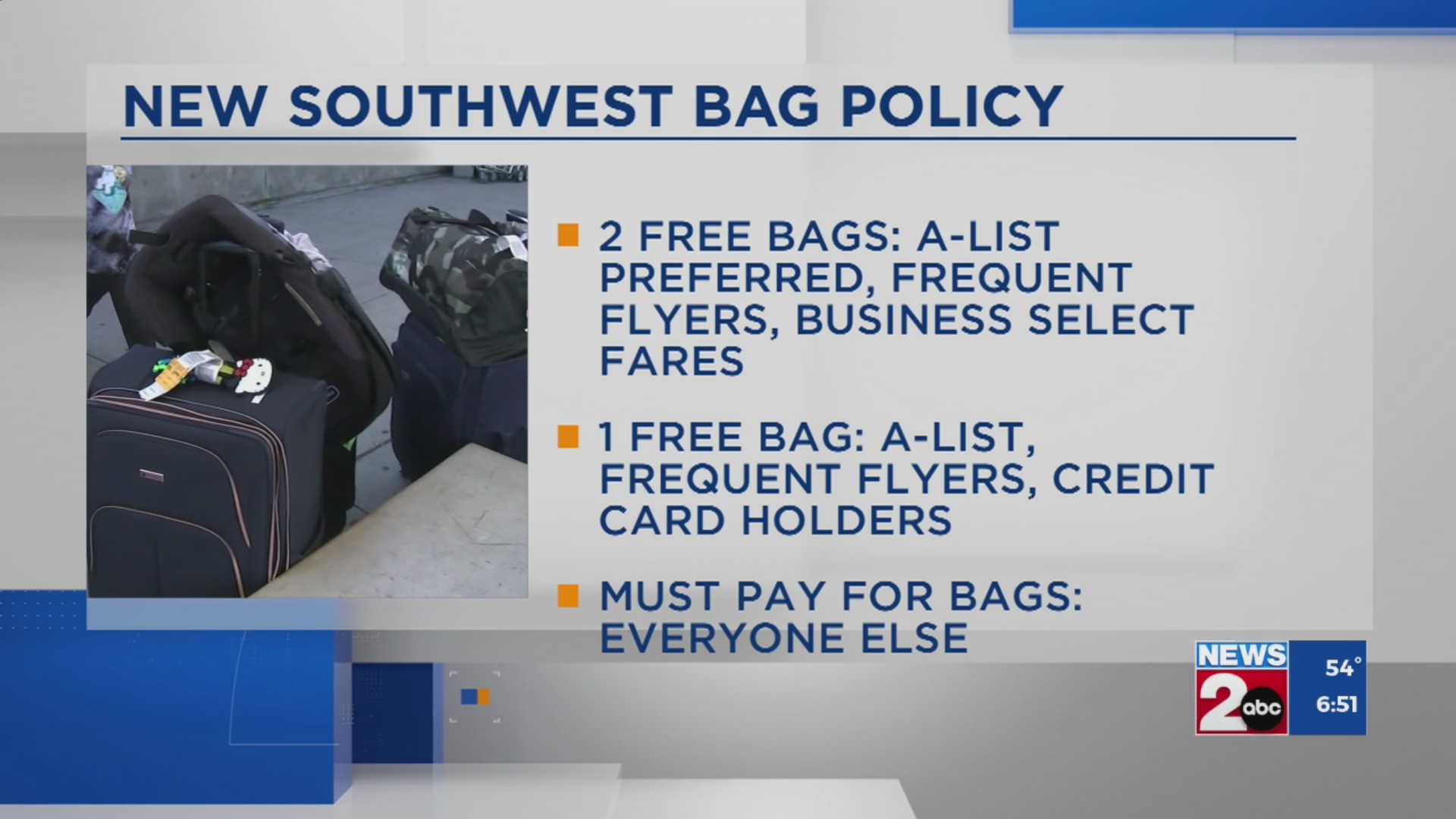
Looking back, the first decade of the 2000s was pivotal for baggage policies, as airlines started to implement fees for checked bags, a move initially met with resistance but eventually became the norm. Southwest Airlines, however, retained its policy of allowing passengers to check two bags for free, a decision that set it apart from its competitors and reinforced its brand identity. This period also saw the introduction of stricter security measures, affecting how luggage was handled and screened, further complicating the landscape of baggage policies.
The 2010s brought about even more changes, with the rise of budget airlines and the proliferation of ancillary fees. The way airlines managed baggage became a critical aspect of their business model, influencing not just operational costs but also customer loyalty. Amidst these changes, Southwest's approach to baggage remained relatively unchanged, though the airline did start to charge for additional services, such as priority boarding and extra legroom seats. This strategy allowed Southwest to balance its commitment to simplicity with the financial realities of operating in a highly competitive market.

One of the bizarre vintage facts about airline baggage policies is how, in the early days of commercial aviation, there were virtually no restrictions on what could be carried on board, reflecting a more relaxed attitude towards safety and security. Over the decades, as incidents occurred and regulations evolved, so too did the rules governing baggage, leading to the strict and sometimes confusing policies we see today. The transformations in baggage policies over the years have been driven by a mix of factors, including technological advancements, changes in consumer behavior, and regulatory requirements.
Forgotten vintage facts also include how certain items, now strictly prohibited, were once commonly carried in luggage. The 1970s and 1980s saw a significant number of incidents related to unchecked items in luggage, leading to the tightening of security protocols. Today, airlines and regulatory bodies place a high emphasis on what can and cannot be transported in luggage, underlining the evolution of baggage policies as a response to historical events and emerging threats.
Modernization of Baggage Policies
In recent years, there has been a significant push towards modernizing baggage policies, driven in part by technological innovations and changing consumer expectations. Airlines are now exploring ways to streamline the baggage handling process, reduce wait times, and offer more personalized services to passengers. The use of RFID tags for luggage tracking, for instance, represents a significant leap forward, providing real-time updates and minimizing the risk of lost bags. Such advancements are set to revolutionize the travel experience, making it more efficient and enjoyable for passengers.
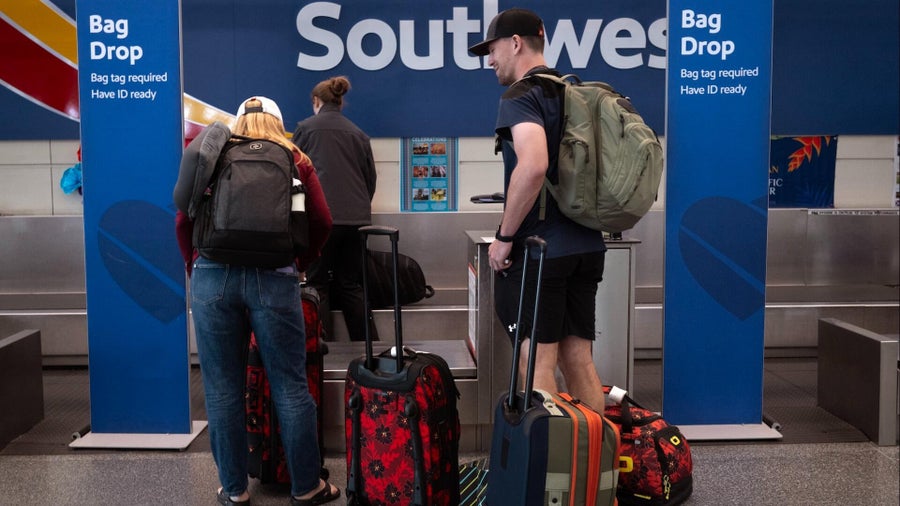
The classic principles of baggage policies are being hacked or modernized in various ways to suit today's fast-paced world. One notable trend is the shift towards more flexible and personalized baggage options, allowing passengers to choose services that best fit their needs. This could range from priority baggage handling to the ability to purchase additional baggage allowance online. Furthermore, the integration of digital technologies, such as mobile check-in and automated baggage drop-offs, is simplifying the travel process and reducing friction points for passengers.
Frequently Asked Questions
What are the current checked baggage policies for Southwest Airlines?
The current policy for Southwest Airlines allows passengers to check two bags for free, with certain size and weight restrictions. This policy has been a cornerstone of the airline's service, distinguishing it from many of its competitors who charge for the first checked bag. However, the airline does charge for additional services, such as checking more than two bags or items that exceed the standard size and weight limits. Understanding these policies is crucial for passengers to plan their travel effectively and avoid any unexpected charges.
In practice, this means that passengers can pack two suitcases or similar items without incurring additional costs, provided they comply with the airline's requirements. The policy has been widely praised for its simplicity and generosity, reflecting Southwest's commitment to customer satisfaction. As the airline industry continues to evolve, the appeal of such a policy remains strong, especially for travelers who prefer the straightforward approach that Southwest offers. By maintaining this policy, Southwest reinforces its brand values and attracts a loyal customer base.
How have baggage policies influenced the travel experience over the years?
Baggage policies have had a profound impact on the travel experience, shaping everything from how passengers pack for their trips to their overall satisfaction with the airline. The introduction of fees for checked bags, for example, led to a significant increase in the use of carry-on luggage, sometimes resulting in overcrowded overhead bins and more complex boarding processes. In response, airlines have had to adjust their policies and operations, implementing measures such as priority boarding for passengers who are willing to pay extra to ensure they have space for their carry-on items.
The influence of baggage policies extends beyond the immediate travel experience, affecting consumer behavior and airline profitability. By understanding and adapting to these policies, travelers can better navigate the complexities of air travel, making informed decisions that enhance their journey. For airlines, getting the baggage policy right is crucial, as it directly impacts customer loyalty and the bottom line. The evolution of baggage policies, therefore, is not just about operational efficiency but also about creating a positive and hassle-free travel experience.
What futuristic possibilities are there for baggage handling and policies?
The futuristic possibilities for baggage handling and policies are vast and exciting, driven by technological advancements and innovative thinking. One potential development is the widespread use of autonomous robots for baggage handling, which could significantly reduce the risk of lost or mishandled bags. Additionally, advancements in material science could lead to the creation of smart luggage that can track itself and navigate through airports autonomously, further simplifying the travel process.
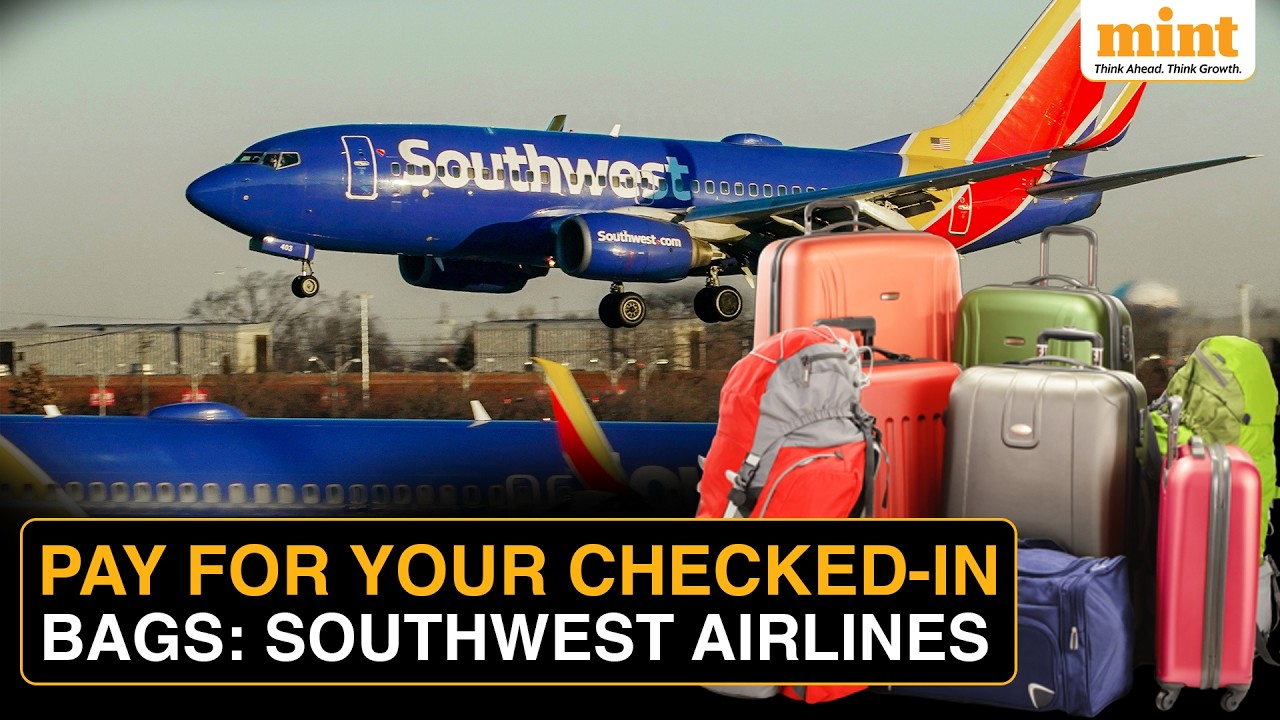
Another area of focus is the integration of artificial intelligence (AI) and machine learning (ML) into baggage systems, allowing for more efficient sorting, tracking, and delivery of luggage. Such technologies could also enable more personalized services, such as predictive baggage loading and unloading, reducing wait times for passengers. The futuristic vision for baggage handling is one of seamlessness and efficiency, where technology works behind the scenes to ensure that passengers and their luggage reach their destinations quickly and effortlessly. As airlines and airports invest in these technologies, we can expect to see significant improvements in the travel experience.
Reflecting on where the topic of baggage policies will take humanity in the next 20 years, it's clear that technology will play a pivotal role. The integration of AI, robotics, and the Internet of Things (IoT) will transform the way baggage is handled, from check-in to arrival. This shift will not only enhance efficiency and reduce costs but also lead to a more personalized and satisfying travel experience for passengers. As the world becomes increasingly interconnected, the importance of efficient and reliable baggage handling will only grow, driving innovation and investment in this critical aspect of air travel.
The next two decades will also see a focus on sustainability in baggage policies and practices, as airlines and airports seek to reduce their environmental footprint. This could involve the use of more eco-friendly materials in luggage handling, the optimization of baggage loading to reduce fuel consumption, and the implementation of recycling programs for discarded luggage and packaging materials. By embracing sustainability, the aviation industry can work towards a more environmentally conscious future, aligning with the values of an increasingly eco-aware consumer base. As we look to the future, it's evident that the evolution of baggage policies will be shaped by technological innovation, consumer expectations, and the imperative for sustainability.
![How Early Can You Check Bags Southwest? [Air Travel Guideline]](https://logds.com/wp-content/uploads/2023/07/Understanding-Southwest-Airlines-Baggage-Policy.webp)