What Is The Largest Carry On Luggage Size
The world of travel has become an integral part of our lifestyles, with millions of people flying every day. One of the most crucial aspects of traveling is the luggage we carry, and more specifically, the carry-on luggage. The size of carry-on luggage has been a topic of discussion for many travelers, as it can be the difference between a smooth and stressful flight experience. But have you ever wondered, what is the largest carry-on luggage size? To answer this question, we must delve into the history of carry-on luggage and its evolution over the years.
The concept of carry-on luggage dates back to the early days of air travel, when passengers would carry small bags and suitcases onboard. However, it wasn't until the 1960s and 1970s that carry-on luggage became a standard aspect of air travel. During this time, airlines began to impose size and weight restrictions on carry-on luggage, which led to the development of standardized sizes. Today, the largest carry-on luggage size is a topic of much debate, with different airlines having their own specific requirements. But why is it so important to know the largest carry-on luggage size? The answer lies in the fact that it can make all the difference in our travel experience, from avoiding checked baggage fees to ensuring that our belongings are safe and secure onboard.
Understanding the Largest Carry-On Luggage Size
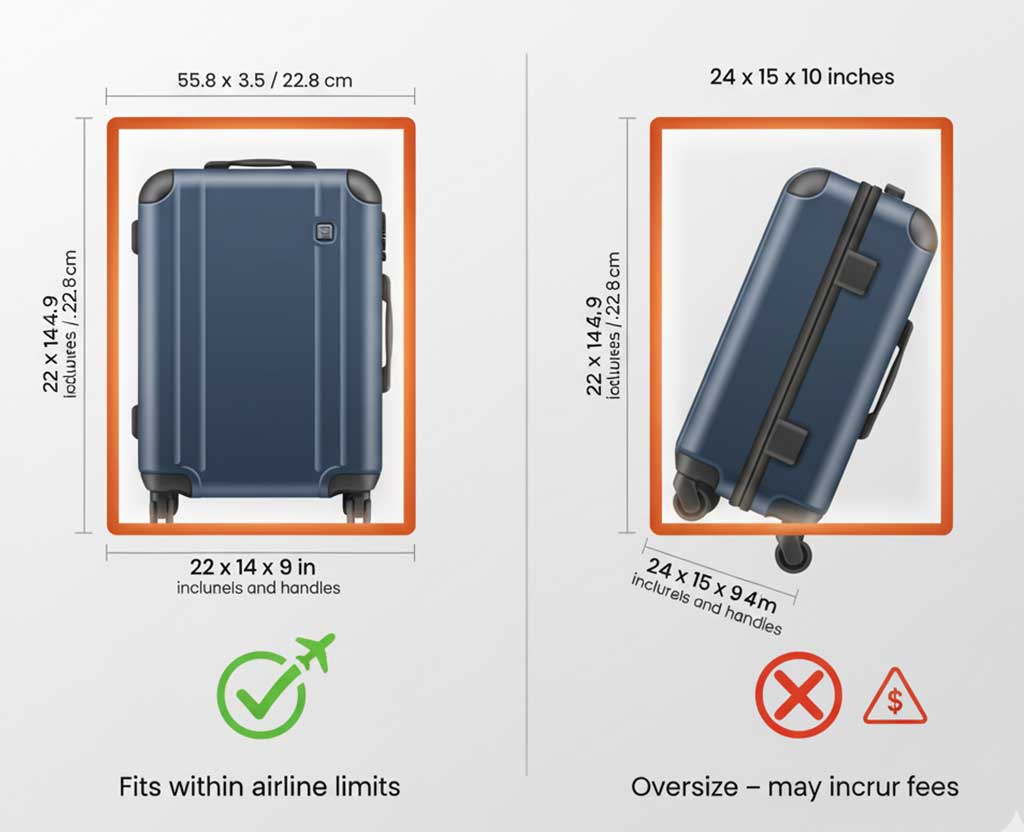
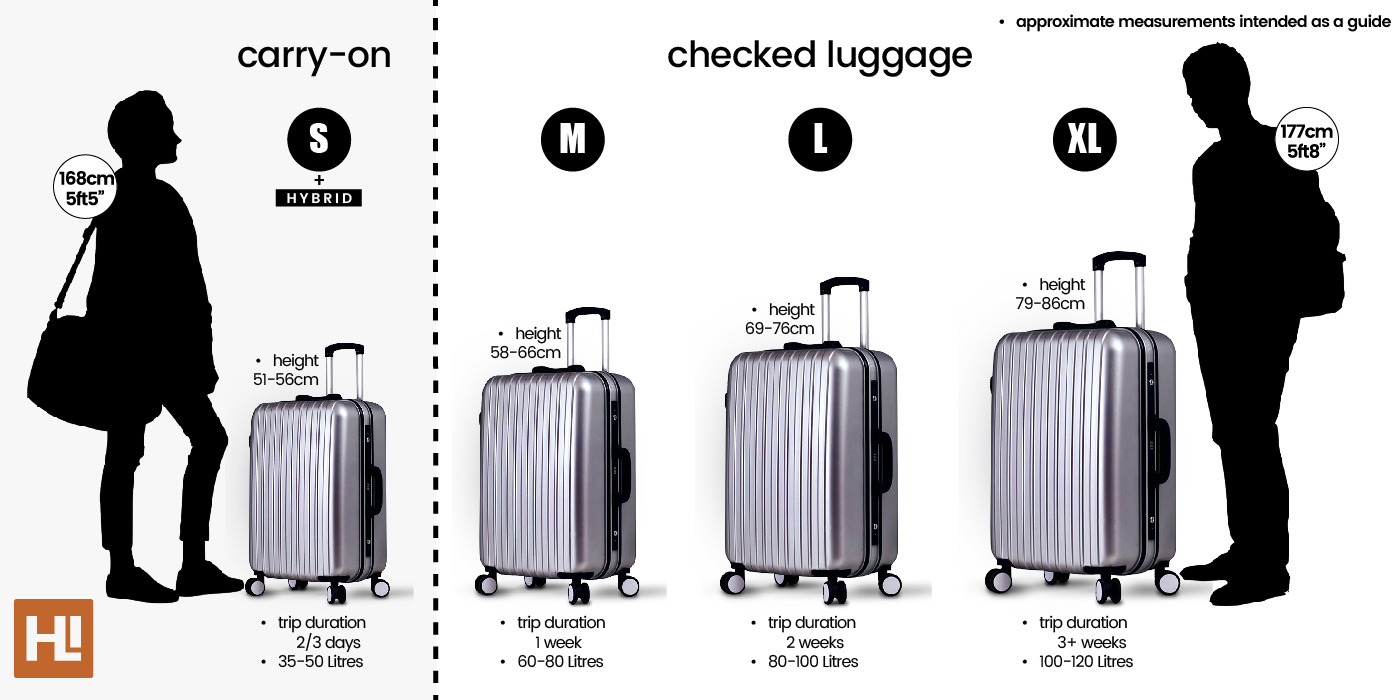
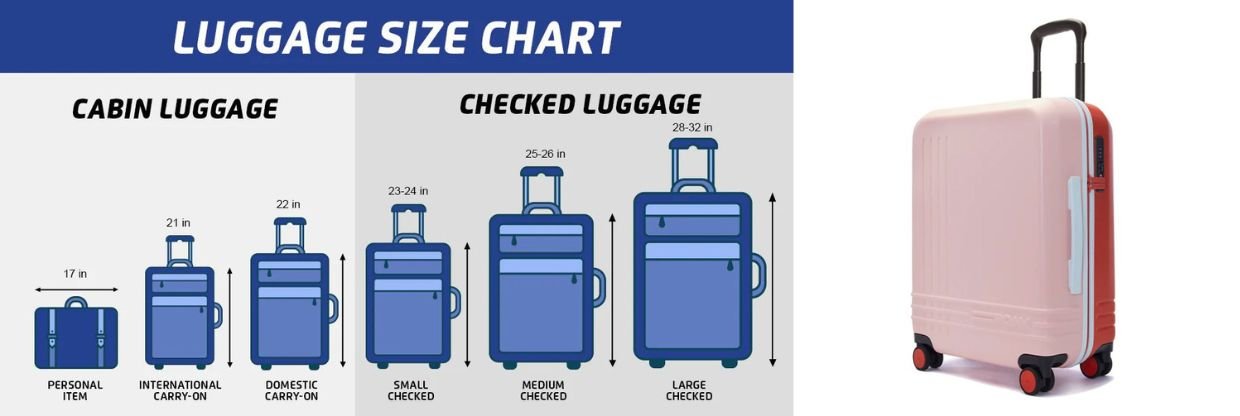
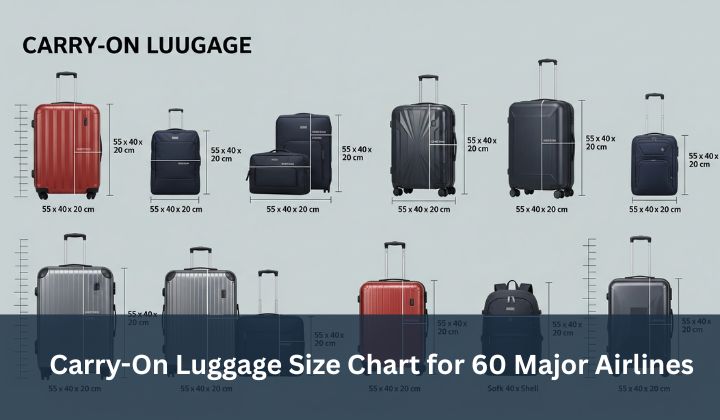
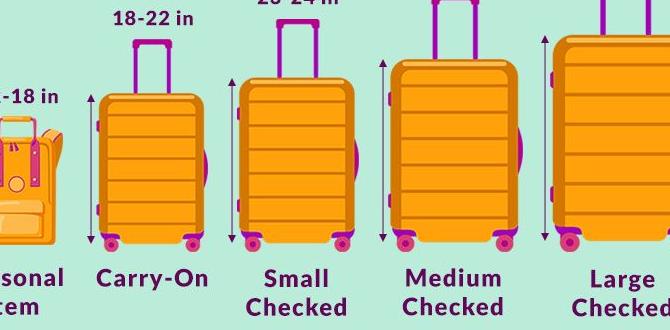
The largest carry-on luggage size is typically defined as 22 inches in height, 14 inches in width, and 9 inches in depth. However, it's essential to note that these dimensions can vary depending on the airline and the type of aircraft. For example, some airlines may have smaller or larger size restrictions, so it's crucial to check with your airline before your flight. But what's behind these size restrictions? The answer lies in the safety and security of passengers and crew members. Airlines need to ensure that carry-on luggage can fit safely in the overhead compartments and under the seats, without obstructing emergency exits or aisles.
Beyond the practical aspects, the largest carry-on luggage size also has a psychological impact on travelers. Think about it - when we're able to fit all our essentials in our carry-on luggage, we feel more in control and prepared for our journey. On the other hand, when we're forced to check our luggage, we can feel anxious and unsure about the safety of our belongings. This emotional connection to our luggage is deeply rooted in our human nature, as we tend to associate our belongings with a sense of security and comfort.
The cultural impact of the largest carry-on luggage size is also worth exploring. In recent years, there has been a growing trend towards minimalist travel, where travelers aim to pack light and avoid checking luggage altogether. This movement has been driven in part by the rise of budget airlines, which often charge extra fees for checked baggage. As a result, travelers have become more creative and resourceful in their packing strategies, using techniques such as rolling clothes and packing cubes to maximize their carry-on space.
Practical Applications and Scenarios
So, what does the largest carry-on luggage size mean for travelers in practice? Let's consider a few scenarios. Imagine you're a business traveler who needs to pack a suit, laptop, and other essentials for a week-long trip. In this case, knowing the largest carry-on luggage size can help you choose the right luggage and pack accordingly. Or, suppose you're a family traveler with multiple children, each with their own carry-on luggage. In this scenario, understanding the size restrictions can help you plan and pack more efficiently, avoiding any last-minute complications at the airport.
Another scenario to consider is the adventurer traveler who needs to pack specialized gear, such as hiking boots or scuba diving equipment. In this case, the largest carry-on luggage size can be a major constraint, requiring the traveler to get creative with their packing strategy or consider checking their luggage. By understanding the size restrictions and planning ahead, travelers can avoid any surprises or complications at the airport, and focus on enjoying their journey.
In addition to these scenarios, there are also several actionable takeaways for travelers to consider. For example, choosing a carry-on luggage with a telescoping handle can make it easier to maneuver in tight spaces, while a multi-directional wheel system can provide greater flexibility and control. By considering these factors and planning ahead, travelers can make the most of their carry-on luggage and enjoy a more stress-free travel experience.
Finally, it's worth noting that the largest carry-on luggage size can also have a significant impact on the environment. By packing light and avoiding checked luggage, travelers can reduce their carbon footprint and contribute to a more sustainable travel industry. This is especially important in today's world, where climate change and environmental degradation are major concerns. By making a few simple changes to our travel habits, we can all play a role in reducing our impact on the planet.
Frequently Asked Questions
What is the standard size for carry-on luggage?
The standard size for carry-on luggage is typically defined as 22 inches in height, 14 inches in width, and 9 inches in depth. However, it's essential to note that these dimensions can vary depending on the airline and the type of aircraft. For example, some airlines may have smaller or larger size restrictions, so it's crucial to check with your airline before your flight. By understanding the standard size for carry-on luggage, travelers can plan and pack more efficiently, avoiding any last-minute complications at the airport.
In addition to understanding the standard size, it's also important to consider the type of luggage you're using. For example, a soft-sided luggage may be more flexible and able to fit in smaller spaces, while a hard-sided luggage may provide greater protection for your belongings. By choosing the right type of luggage and understanding the standard size, travelers can make the most of their carry-on luggage and enjoy a more stress-free travel experience.

Can I bring a carry-on luggage that is larger than the standard size?
It's generally not recommended to bring a carry-on luggage that is larger than the standard size, as it may not fit in the overhead compartments or under the seats. However, some airlines may allow larger carry-on luggage, so it's essential to check with your airline before your flight. If you do need to bring a larger carry-on luggage, consider using a luggage cart or portable luggage rack to make it easier to maneuver in tight spaces.
In addition to considering the size of your carry-on luggage, it's also important to think about the weight and balance of your luggage. A well-balanced luggage can make it easier to maneuver and reduce the risk of injury or damage. By choosing the right type of luggage and understanding the size and weight restrictions, travelers can enjoy a more comfortable and convenient travel experience.
How do I measure my carry-on luggage to ensure it fits in the overhead compartment?
To measure your carry-on luggage, start by checking the dimensions of your luggage against the standard size restrictions. You can use a measuring tape or ruler to measure the height, width, and depth of your luggage. It's also a good idea to check the weight of your luggage, as some airlines may have weight restrictions for carry-on luggage. By measuring your carry-on luggage and understanding the size and weight restrictions, travelers can avoid any last-minute complications at the airport.
In addition to measuring your carry-on luggage, it's also important to consider the shape and design of your luggage. A slim and sleek design can make it easier to fit in tight spaces, while a curved or rounded design may provide greater flexibility and maneuverability. By choosing the right type of luggage and understanding the size and weight restrictions, travelers can enjoy a more stress-free travel experience.
What are the consequences of bringing a carry-on luggage that is too large?
The consequences of bringing a carry-on luggage that is too large can be significant, ranging from delayed flights to additional fees. If your carry-on luggage is too large, you may be required to check it, which can result in additional fees and a longer wait time at the airport. In some cases, you may even be denied boarding if your luggage is deemed too large or heavy. By understanding the size restrictions and planning ahead, travelers can avoid these consequences and enjoy a more smooth and convenient travel experience.
In addition to the consequences of bringing a carry-on luggage that is too large, it's also important to consider the impact on other passengers. A large or oversized luggage can obstruct emergency exits or aisles, posing a risk to the safety and security of all passengers. By choosing the right type of luggage and understanding the size restrictions, travelers can help ensure a safe and comfortable travel experience for everyone.
Can I use a carry-on luggage with a removable bag or pocket?
Yes, you can use a carry-on luggage with a removable bag or pocket, but it's essential to ensure that the removable bag or pocket meets the size and weight restrictions for carry-on luggage. Some airlines may have specific requirements for removable bags or pockets, so it's crucial to check with your airline before your flight. By understanding the size and weight restrictions, travelers can make the most of their carry-on luggage and enjoy a more stress-free travel experience.
In addition to using a carry-on luggage with a removable bag or pocket, it's also important to consider the type of materials used in your luggage. A durable and water-resistant material can provide greater protection for your belongings, while a breathable and lightweight material can make it easier to maneuver and reduce the risk of damage. By choosing the right type of luggage and understanding the size and weight restrictions, travelers can enjoy a more comfortable and convenient travel experience.
How do I pack my carry-on luggage to maximize space and minimize wrinkles?
To pack your carry-on luggage and maximize space, consider using packing cubes or rolling clothes to make the most of your luggage space. You can also use packing accessories such as luggage straps or packing folders to keep your belongings organized and secure. By packing your carry-on luggage efficiently, travelers can minimize wrinkles and reduce the risk of damage to their belongings.
In addition to packing your carry-on luggage efficiently, it's also important to consider the type of clothing you're packing. A quick-drying and wrinkle-free fabric can make it easier to pack and reduce the risk of damage, while a delicate or fragile item may require special care and attention. By choosing the right type of clothing and packing your carry-on luggage efficiently, travelers can enjoy a more stress-free travel experience and arrive at their destination feeling fresh and prepared.
The concept of the largest carry-on luggage size is deeply connected to our daily lives and human nature. When we travel, we often feel a sense of excitement and anticipation, but also a sense of anxiety and uncertainty. By understanding the largest carry-on luggage size and planning ahead, we can reduce our stress levels and enjoy a more comfortable and convenient travel experience. This is especially important in today's world, where travel has become an integral part of our lifestyles.
Moreover, the largest carry-on luggage size also reflects our cultural values and preferences. In many Western cultures, there is a strong emphasis on individualism and self-reliance, which can manifest in our travel habits. For example, some travelers may prefer to pack light and avoid checking luggage, while others may prioritize convenience and comfort over practicality and efficiency. By understanding these cultural differences and preferences, we can better appreciate the complexities of the largest carry-on luggage size and its impact on our travel experiences.
Finally, the largest carry-on luggage size has significant implications for the travel industry and society as a whole. As more people travel and the demand for air travel increases, airlines and airports must adapt to meet the needs of passengers. This can involve improving infrastructure and services, such as increasing the size of overhead compartments or providing more efficient baggage handling systems. By understanding the largest carry-on luggage size and its impact on the travel industry, we can work towards creating a more sustainable and efficient travel system that meets the needs of all passengers.
:max_bytes(150000):strip_icc()/TAL-illustrated-chart-CARRYSIZE0325-35ad53e34fe94833b370f432af602978.jpg)