What Is The Fluid Limit For Tsa

The TSA has a set of rules that can be a bit confusing, especially when it comes to fluids. If you're planning a trip, you're probably wondering what the fluid limit is and how it applies to your favorite toiletries. From shampoo to mouthwash, it's essential to know the rules to avoid any hassle at the airport.
Understanding the 3-1-1 Rule
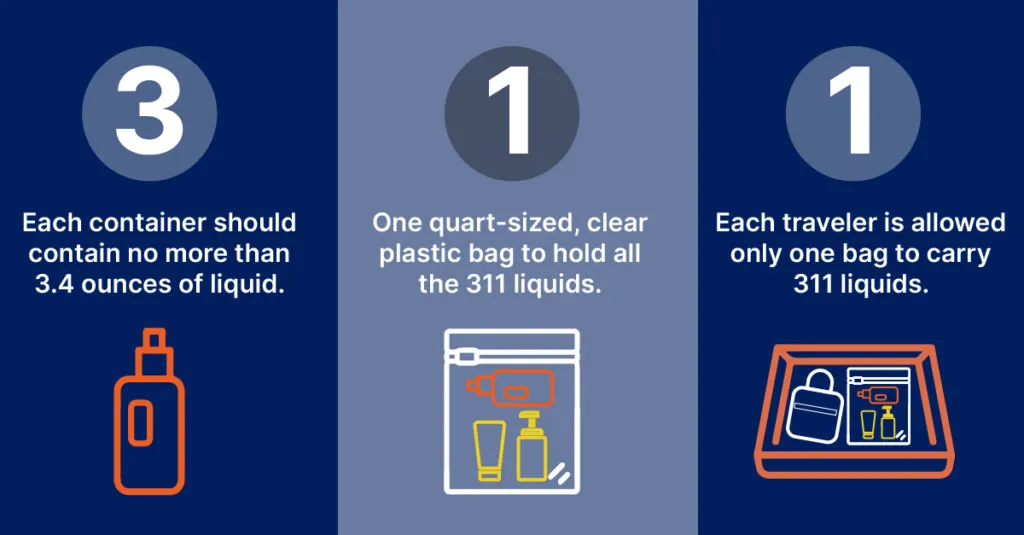
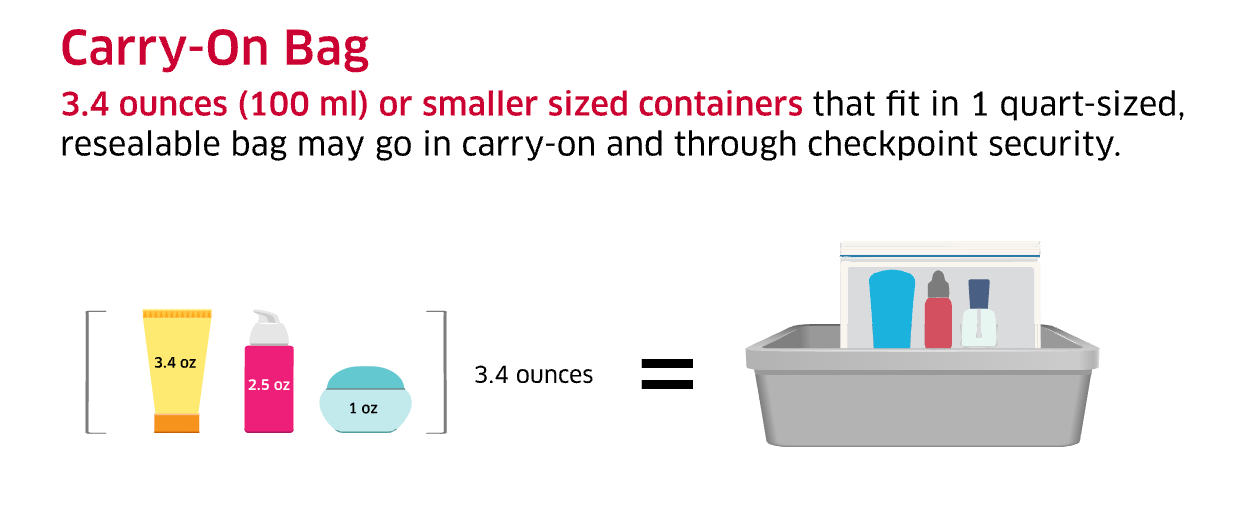
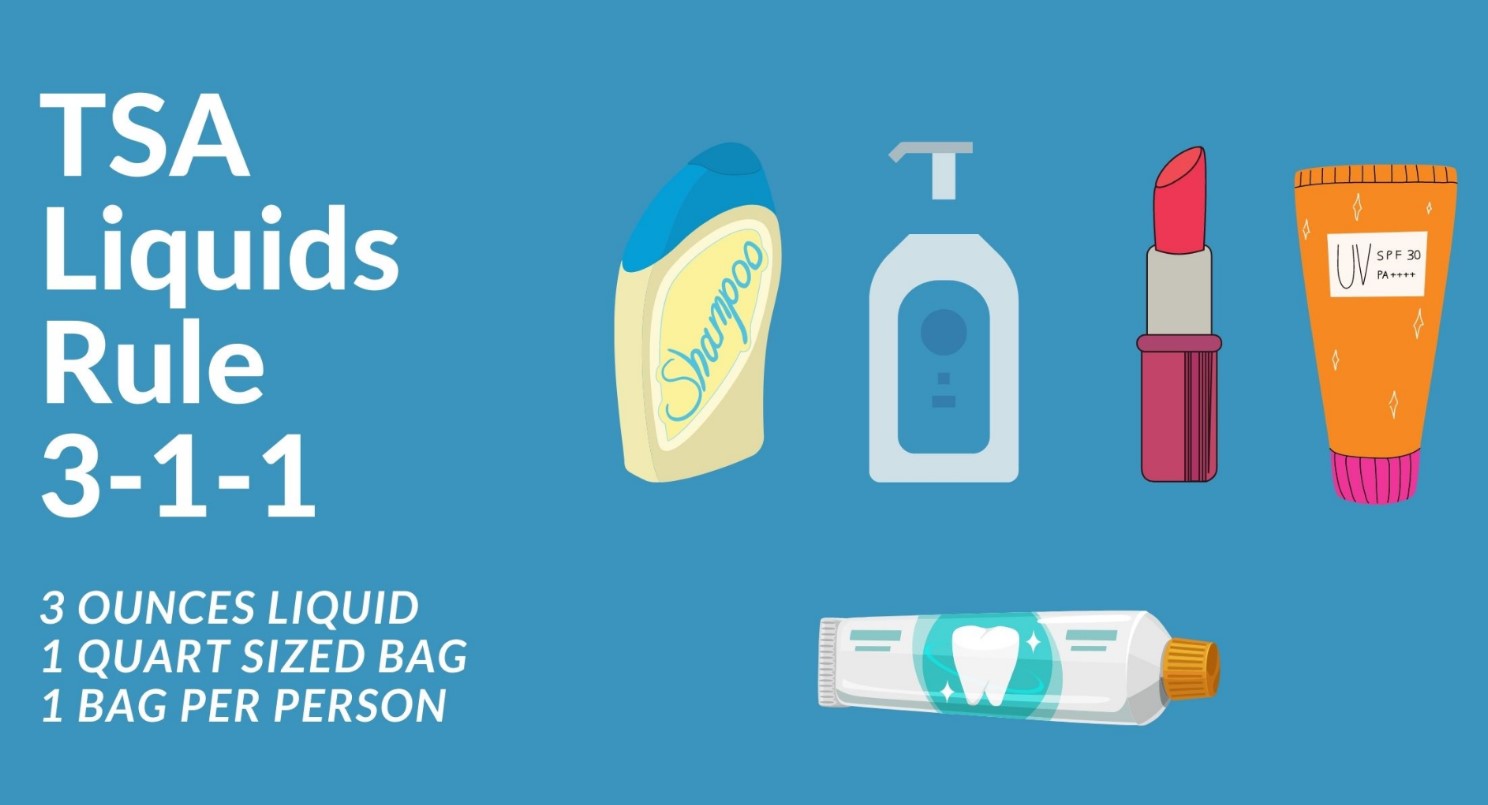
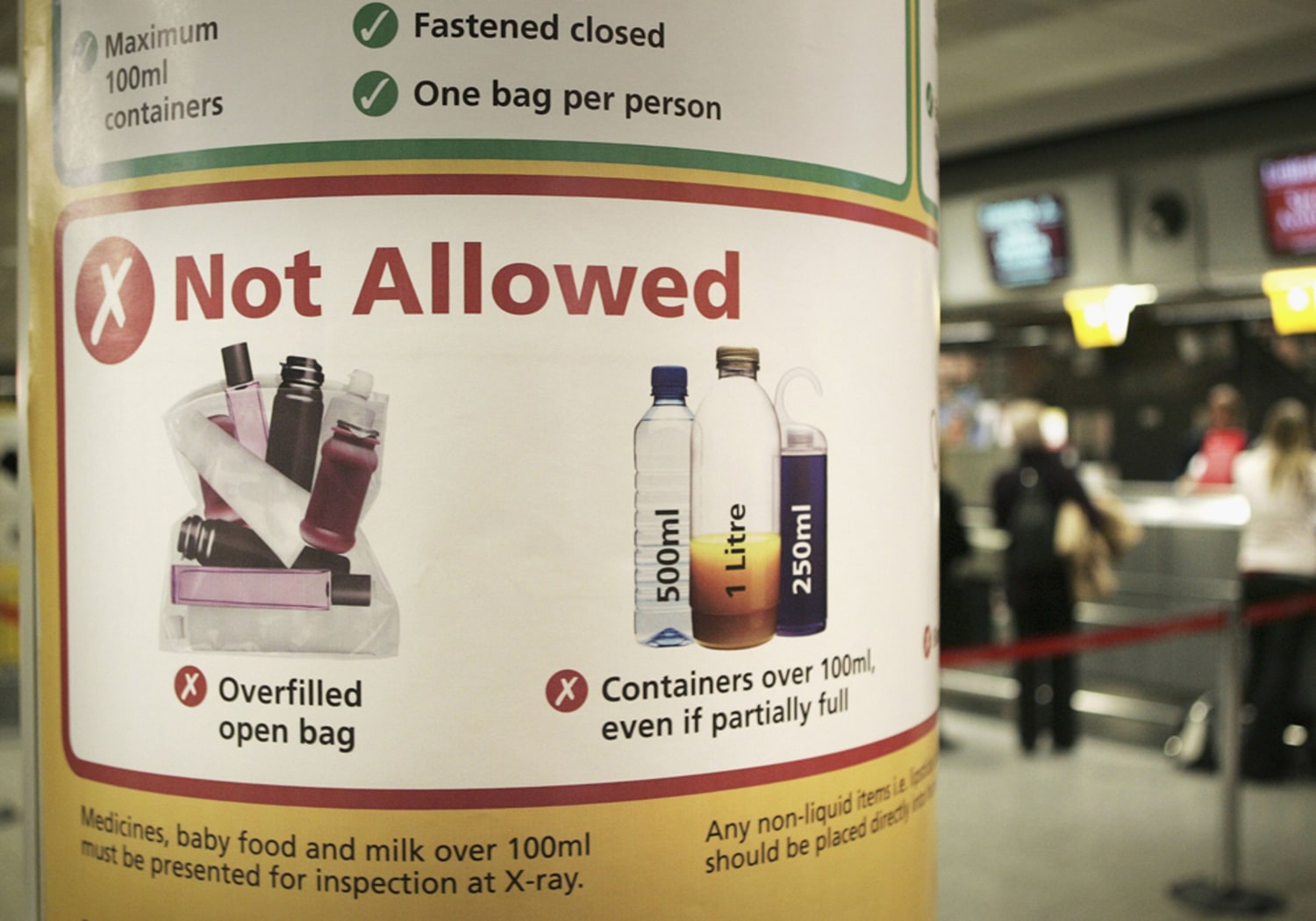
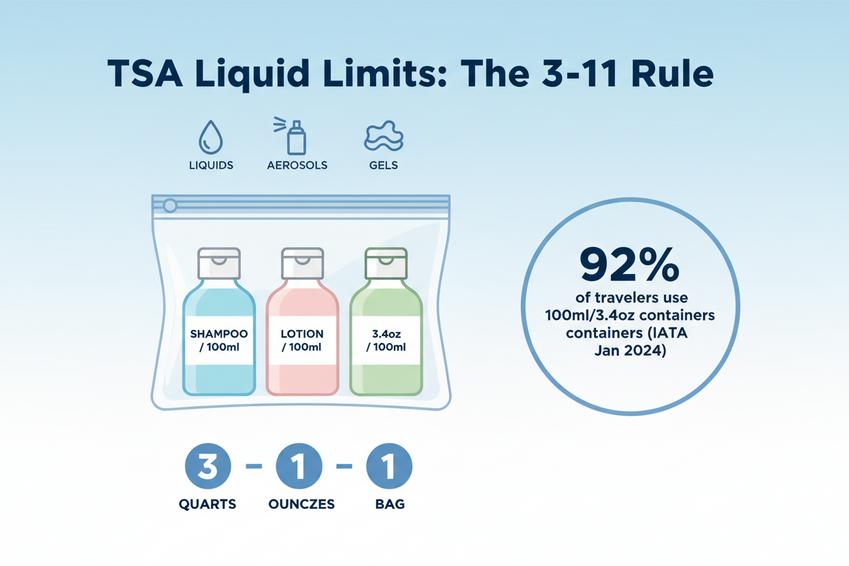
is key to navigating the TSA's fluid limit. The 3-1-1 rule states that liquids, gels, and aerosols must be in containers of 3.4 ounces or less, fit in a clear quart-sized zip-top bag, and only one bag is allowed per passenger. This rule is in place to ensure the safety of all passengers, and it's crucial to follow it to avoid any issues.One of the most common fluids that people have questions about is water. You can bring an empty water bottle through security, but it must be empty and then refilled once you pass through the checkpoint.
It's always a good idea to check with your airline for their specific fluid restrictions, as they may have additional rules in place.
Must Read
- Heart Of Mexico City Football: Pinpointing The Azteca Stadium Location
- Guadalajara Stadium Parking Guide: Avoid The Matchday Traffic
- Houston Stadium Bag Policy: Clear Bag Rules For Visitors
- Sofi Stadium Capacity: How Many Fans It Can Hold
- Reliant Stadium Parking: A Guide To The Old Name And Current Venue
If you have any medications or special items that are liquids, gels, or aerosols, it's essential to declare them at the security checkpoint. The TSA has a list of acceptable medical items that are exempt from the 3-1-1 rule, so be sure to check their website for more information. Don't worry, the TSA is there to help, and they want to make sure you have a smooth and safe travel experience.
Makeup and skincare products are also subject to the 3-1-1 rule, so be sure to pack them in containers of 3.4 ounces or less. If you have any special or high-end products, you may want to consider packing them in your checked luggage to avoid any issues at security. Remember, it's always better to be safe than sorry, so take the time to check the TSA's website for the most up-to-date information.

When it comes to food and drink items, there are some exceptions to the rule. For example, baby formula, breast milk, and juice are allowed in reasonable quantities, but you'll need to declare them at the security checkpoint.
It's also a good idea to pack any food and drink items in your carry-on luggage, in case your checked luggage is delayed or lost.
In addition to the 3-1-1 rule, there are some other restrictions you should be aware of when it comes to fluids. For example, lighters and matches are subject to certain restrictions, and flammable liquids are not allowed in carry-on or checked luggage. Always check with your airline for their specific rules and regulations, as they may have additional restrictions in place.
If you're planning to travel with electronic devices that contain liquids or gels, such as laptops or tablets, you'll need to remove them from your carry-on luggage and place them in a bin for screening. This is a standard security procedure, and it's designed to ensure the safety of all passengers. Don't worry, it's a quick and easy process, and you'll be back on your way in no time.

When it comes to fluids and the TSA, it's all about being prepared and knowing the rules. By taking the time to understand the 3-1-1 rule and other restrictions, you can ensure a smooth and stress-free travel experience.
So next time you're packing for a trip, remember to check the TSA's website for the most up-to-date information on fluids and other security restrictions.
In conclusion, the fluid limit for the TSA is an important security measure that's in place to protect all passengers. By understanding the 3-1-1 rule and other restrictions, you can avoid any hassle at the airport and ensure a safe and enjoyable travel experience. So be sure to pack wisely, and don't hesitate to reach out to the TSA if you have any questions or concerns about fluids or other security procedures.
:max_bytes(150000):strip_icc()/tsa-liquid-rules-carry-on-checked-bag-TSALIQUIDS0622-841fded886324b3e99b7713c8b8ae94b.jpg)
As you prepare for your next trip, remember to stay informed and up-to-date on the latest security restrictions. The TSA is always working to improve security procedures, so it's essential to check their website regularly for any changes or updates. By doing so, you can ensure a smooth and safe travel experience, and you'll be able to focus on the fun parts of your trip – like exploring new destinations and experiencing different cultures.
Whether you're a seasoned traveler or just starting to plan your next adventure, it's essential to understand the fluid limit for the TSA. By knowing the rules and regulations, you can avoid any issues at the airport and ensure a safe and enjoyable travel experience. So take the time to learn about the 3-1-1 rule and other security restrictions, and don't hesitate to reach out to the TSA if you have any questions or concerns.
Finally, remember that the TSA is there to help, and they want to ensure that all passengers have a safe and enjoyable travel experience. By understanding the fluid limit and other security restrictions, you can play an important role in maintaining the safety and security of our airports. So be sure to pack wisely, stay informed, and enjoy your next trip – and don't forget to thank the TSA for all their hard work in keeping us safe.