What Is The Estimated Salary Range For A Funeral Director

The role of a funeral director is one that requires a unique blend of emotional intelligence, organizational skills, and attention to detail. As the individual responsible for coordinating and executing funeral services, a funeral director must be able to provide comfort and support to grieving families while also managing the logistical aspects of the funeral process. But have you ever wondered what kind of salary range a funeral director can expect? In this article, we'll delve into the estimated salary range for funeral directors and explore the various factors that can influence their earnings.
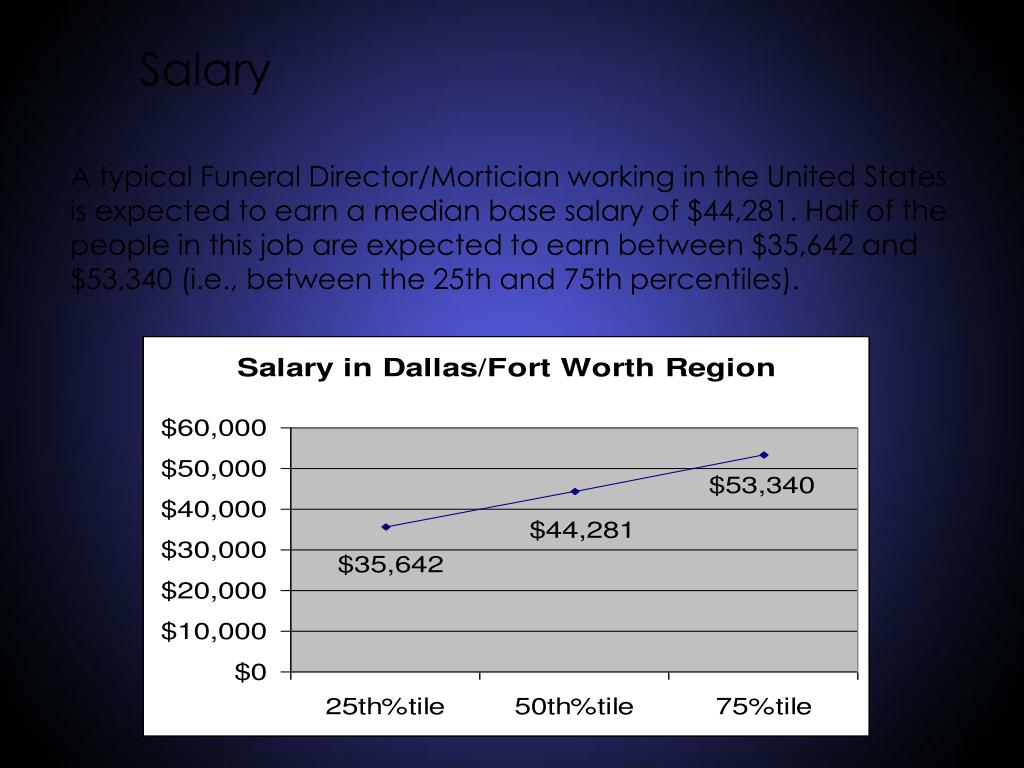
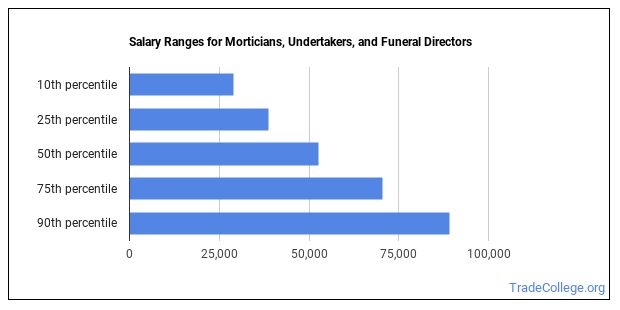
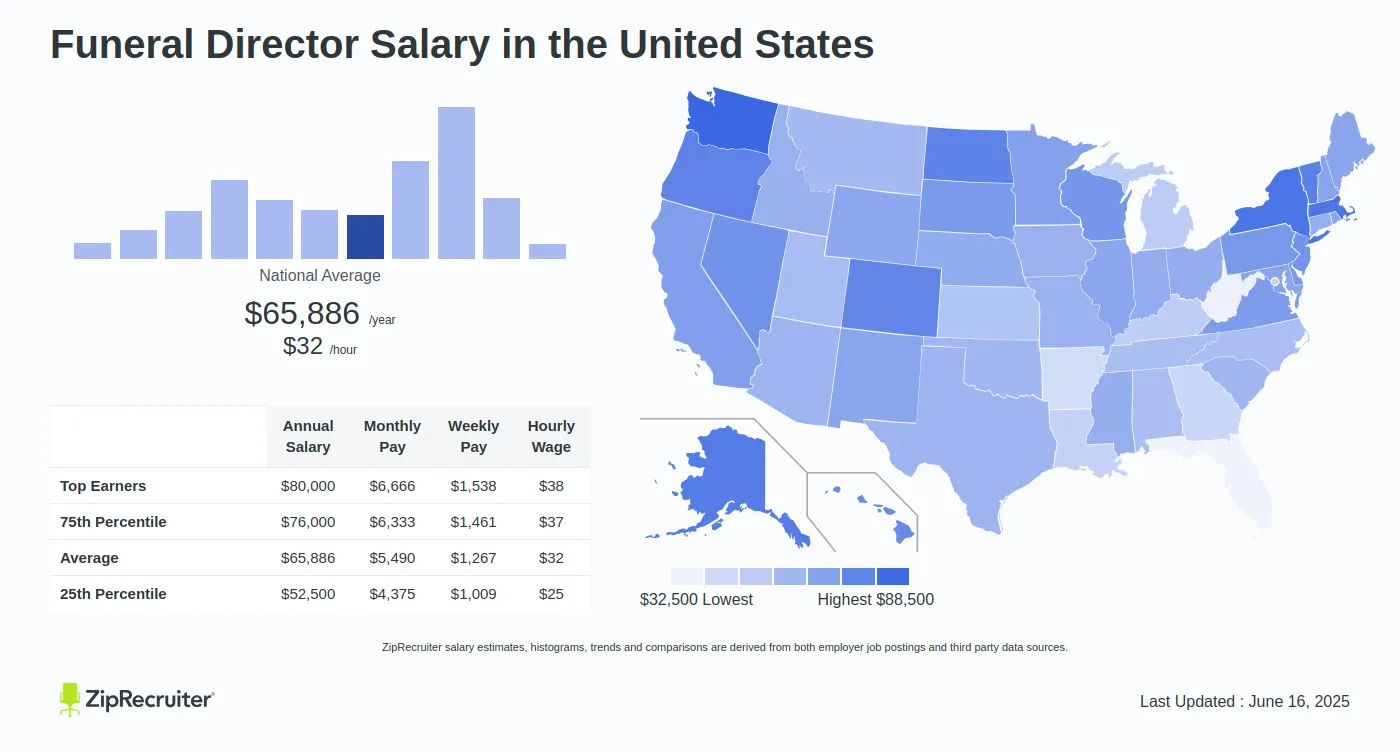
From a purely economic perspective, the salary range for funeral directors can vary widely depending on factors such as location, experience, and type of employer. According to the Bureau of Labor Statistics, the median annual salary for funeral directors was $54,770 in May 2020. However, salaries can range from around $30,000 to over $100,000 per year, depending on the specific circumstances. For example, funeral directors working in urban areas tend to earn higher salaries than those working in rural areas, due to the higher cost of living and greater demand for funeral services.
In addition to location and experience, the type of employer can also play a significant role in determining a funeral director's salary. For example, funeral directors working for large funeral homes or corporations may earn higher salaries than those working for smaller, family-owned businesses. This is because larger funeral homes often have more resources and can afford to pay their employees higher wages. On the other hand, smaller funeral homes may offer more flexibility and autonomy to their employees, which can be an attractive option for some funeral directors.
Must Read
- Heart Of Mexico City Football: Pinpointing The Azteca Stadium Location
- Guadalajara Stadium Parking Guide: Avoid The Matchday Traffic
- Houston Stadium Bag Policy: Clear Bag Rules For Visitors
- Sofi Stadium Capacity: How Many Fans It Can Hold
- Reliant Stadium Parking: A Guide To The Old Name And Current Venue
Understanding the Science of Funeral Directing
While the role of a funeral director may seem straightforward, it actually involves a complex interplay of psychological, sociological, and biological factors. For example, funeral directors must be able to understand and manage the grief response in themselves and others, which involves a range of emotional and physiological processes. They must also be able to navigate the complex social dynamics of funeral services, which can involve coordinating with families, clergy, and other stakeholders.
From a biological perspective, funeral directors must also be aware of the physical and emotional toll of their work. For example, they may be exposed to infectious diseases, chemicals, and other hazards associated with handling human remains. They must also be able to manage the stress and emotional demands of their work, which can include long hours, high pressure, and exposure to traumatic events.
Despite these challenges, many funeral directors find their work highly rewarding and meaningful. By understanding the science of grief and the psychology of bereavement, funeral directors can provide more effective support to grieving families and help them navigate the funeral process. They can also use this knowledge to develop strategies for self-care and stress management, which are essential for maintaining their own physical and emotional well-being.
Mastering the Art of Funeral Directing
So, how can aspiring funeral directors master their craft and succeed in this rewarding and challenging field? One key strategy is to develop strong communication skills, which are essential for working with families, clergy, and other stakeholders. This involves being able to listen actively, empathize with others, and communicate effectively in a range of situations.
Another key strategy is to stay organized and manage time effectively. Funeral directors must be able to coordinate multiple tasks and responsibilities, including preparing funeral services, managing funeral home operations, and providing support to grieving families. By using tools and technology such as calendars, to-do lists, and project management software, funeral directors can stay on top of their work and provide more effective support to their clients.
In addition to developing strong communication and organizational skills, funeral directors must also be able to manage their own stress and emotional well-being. This involves developing self-care strategies such as exercise, meditation, and spending time with loved ones. It also involves being able to recognize and manage burnout, which can be a major challenge in this field.
Finally, funeral directors must be able to stay up-to-date with industry trends and developments. This involves attending conferences and workshops, reading industry publications, and participating in online forums and discussions. By staying current with the latest research, technologies, and best practices, funeral directors can provide more effective support to their clients and stay ahead of the curve in their field.
Frequently Asked Questions
What is the average salary range for funeral directors in the United States?
The average salary range for funeral directors in the United States can vary widely depending on factors such as location, experience, and type of employer. However, according to the Bureau of Labor Statistics, the median annual salary for funeral directors was $54,770 in May 2020. Salaries can range from around $30,000 to over $100,000 per year, depending on the specific circumstances.
In addition to location and experience, the type of employer can also play a significant role in determining a funeral director's salary. For example, funeral directors working for large funeral homes or corporations may earn higher salaries than those working for smaller, family-owned businesses. This is because larger funeral homes often have more resources and can afford to pay their employees higher wages. On the other hand, smaller funeral homes may offer more flexibility and autonomy to their employees, which can be an attractive option for some funeral directors.
How do I become a funeral director?
Becoming a funeral director typically involves completing a degree program in funeral service or a related field, such as mortuary science or thanatology. These programs are usually offered at the associate's or bachelor's level and cover topics such as funeral directing, embalming, and grief counseling. In addition to completing a degree program, aspiring funeral directors must also obtain licensure in their state, which typically involves passing a licensing exam and completing a certain number of hours of practicum or internship.
Once you have completed your degree program and obtained licensure, you can begin applying for jobs as a funeral director. This may involve networking with other professionals in the field, building a strong resume and cover letter, and preparing for interviews. It's also a good idea to gain experience by volunteering or interning at a funeral home, which can help you build connections and develop your skills.

What are the most important skills for a funeral director to have?
The most important skills for a funeral director to have include strong communication skills, empathy, and organizational abilities. Funeral directors must be able to listen actively, communicate effectively, and provide emotional support to grieving families. They must also be able to manage multiple tasks and responsibilities, stay organized, and work well under pressure.
In addition to these skills, funeral directors must also be able to manage their own stress and emotional well-being. This involves developing self-care strategies such as exercise, meditation, and spending time with loved ones. It also involves being able to recognize and manage burnout, which can be a major challenge in this field.
How do I choose the right funeral home or employer?
Choosing the right funeral home or employer involves considering a range of factors, including location, size, and culture. You may also want to consider the type of services offered, the level of support provided to employees, and the opportunities for professional development. It's also a good idea to research the employer online, read reviews, and talk to current or former employees to get a sense of what it's like to work there.
Once you have narrowed down your options, you can begin applying for jobs and preparing for interviews. This may involve building a strong resume and cover letter, practicing your responses to common interview questions, and developing a list of questions to ask the employer. By doing your research and being prepared, you can increase your chances of finding the right fit and succeeding in your career as a funeral director.

What are the biggest challenges facing funeral directors today?
The biggest challenges facing funeral directors today include changing consumer preferences, increased competition, and regulatory requirements. Funeral directors must be able to adapt to new trends and technologies, differentiate themselves from other funeral homes, and stay up-to-date with changing laws and regulations. They must also be able to manage their own stress and emotional well-being, which can be a major challenge in this field.
Despite these challenges, many funeral directors find their work highly rewarding and meaningful. By staying focused on their mission and providing excellent service to their clients, funeral directors can build trust and loyalty with their communities and succeed in their careers. They can also use strategies such as marketing and networking to promote their services and attract new clients.
By respecting the science behind funeral directing, we can gain a deeper understanding of the complex psychological, sociological, and biological factors that are involved. This can help us develop more effective strategies for supporting grieving families and providing excellent service to our clients. It can also help us manage our own stress and emotional well-being, which is essential for succeeding in this challenging and rewarding field.
In conclusion, the role of a funeral director is one that requires a unique blend of emotional intelligence, organizational skills, and attention to detail. By understanding the science behind funeral directing and developing effective strategies for mastering the art, we can provide more effective support to grieving families and succeed in our careers. Whether you are just starting out or are a seasoned professional, there is always room to learn and grow in this field.