What Is The Difference Between Funeral And Memorial Service
The loss of a loved one is a universal human experience that can evoke a wide range of emotions, from sorrow and grief to guilt and regret. Our brains are wired to respond to death with a complex mix of psychological and emotional reactions, which can be both intensely personal and deeply influenced by cultural and social norms. As we navigate the process of saying goodbye to someone who has passed away, we are often faced with a fundamental decision: whether to hold a funeral or a memorial service. While these two types of ceremonies may seem similar on the surface, they reflect distinct approaches to honoring the deceased and coping with loss.
In modern times, the way we approach death and mourning is evolving, with many people seeking more personalized and non-traditional ways to celebrate the life of a loved one. This shift is driven in part by changing societal attitudes towards death, as well as a growing recognition of the importance of mental health and emotional well-being in the face of loss. As we explore the difference between funeral and memorial service, we will delve into the psychological aspects of grief, the emotional triggers that can arise during the mourning process, and the ways in which we can cultivate resilience and healing in the midst of sorrow.
Understanding the Emotional Landscape
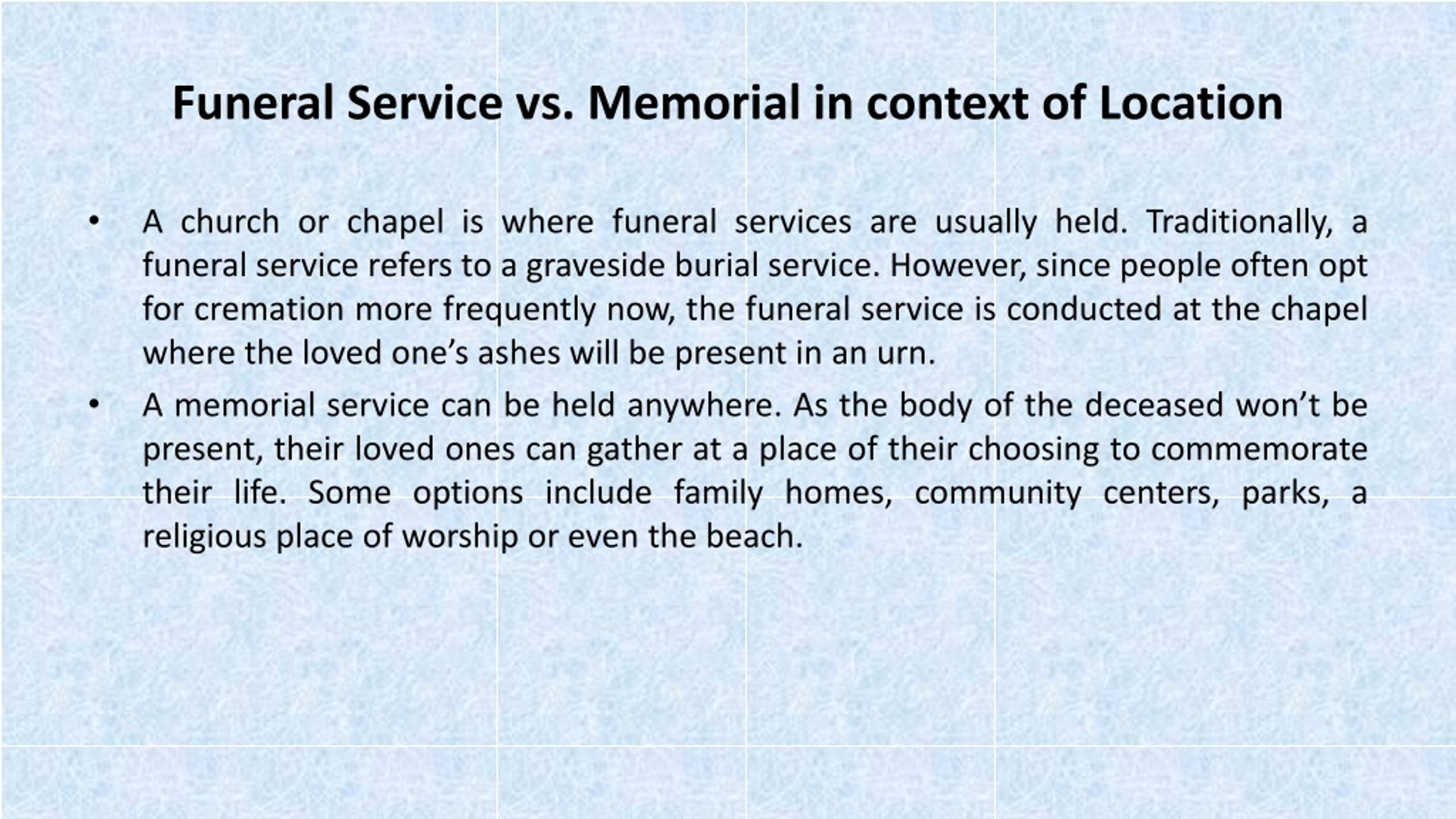
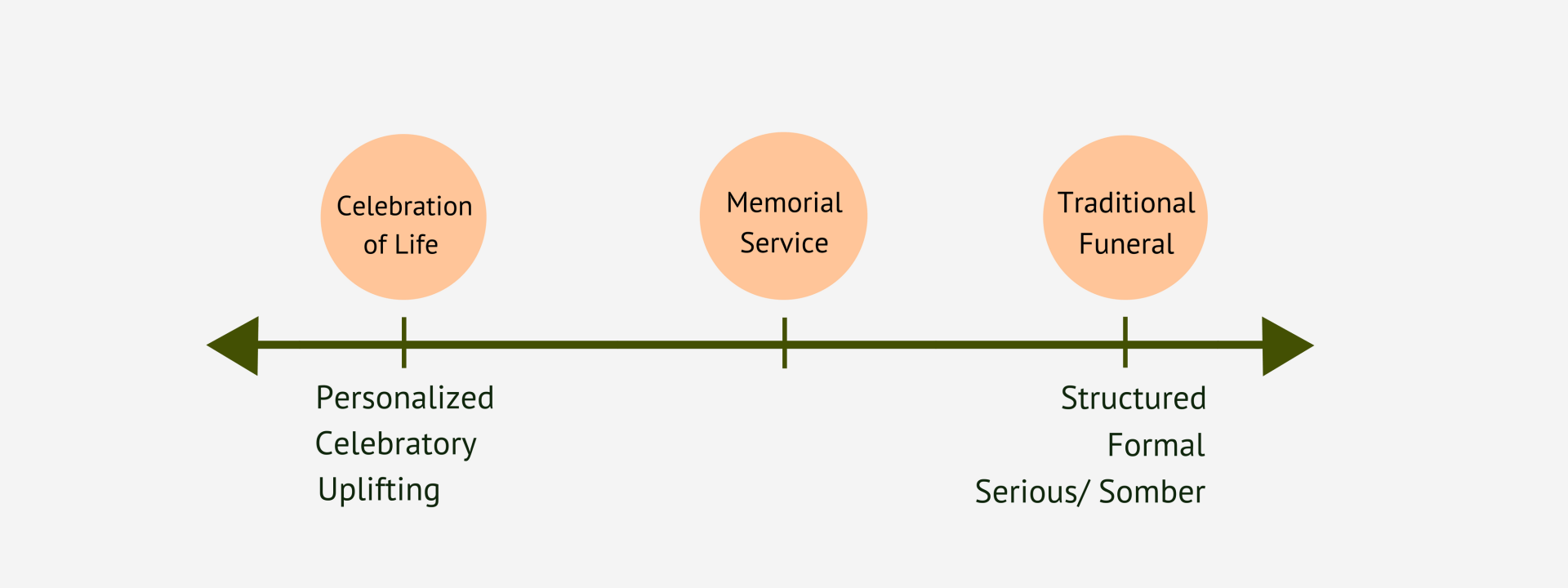
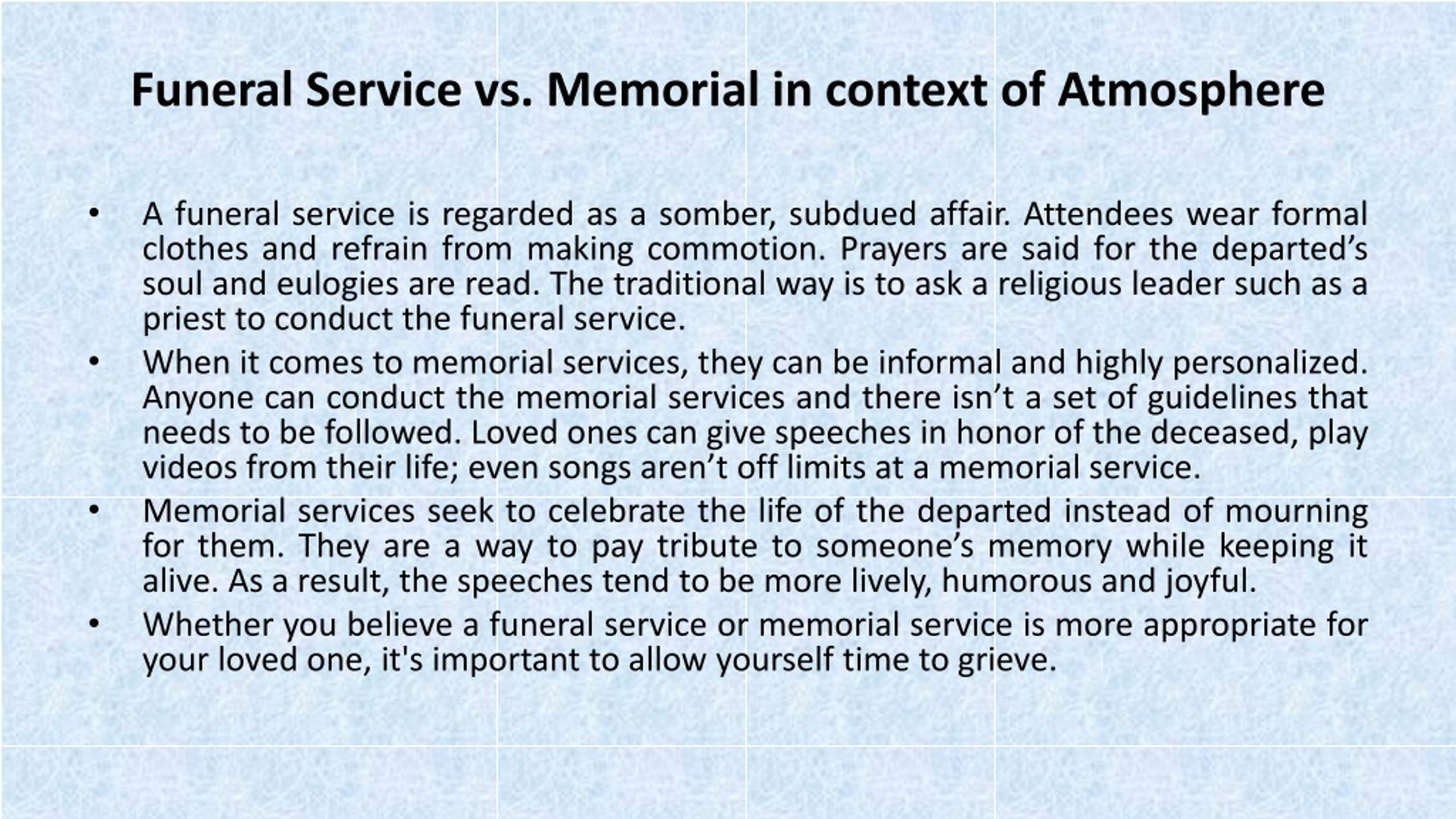
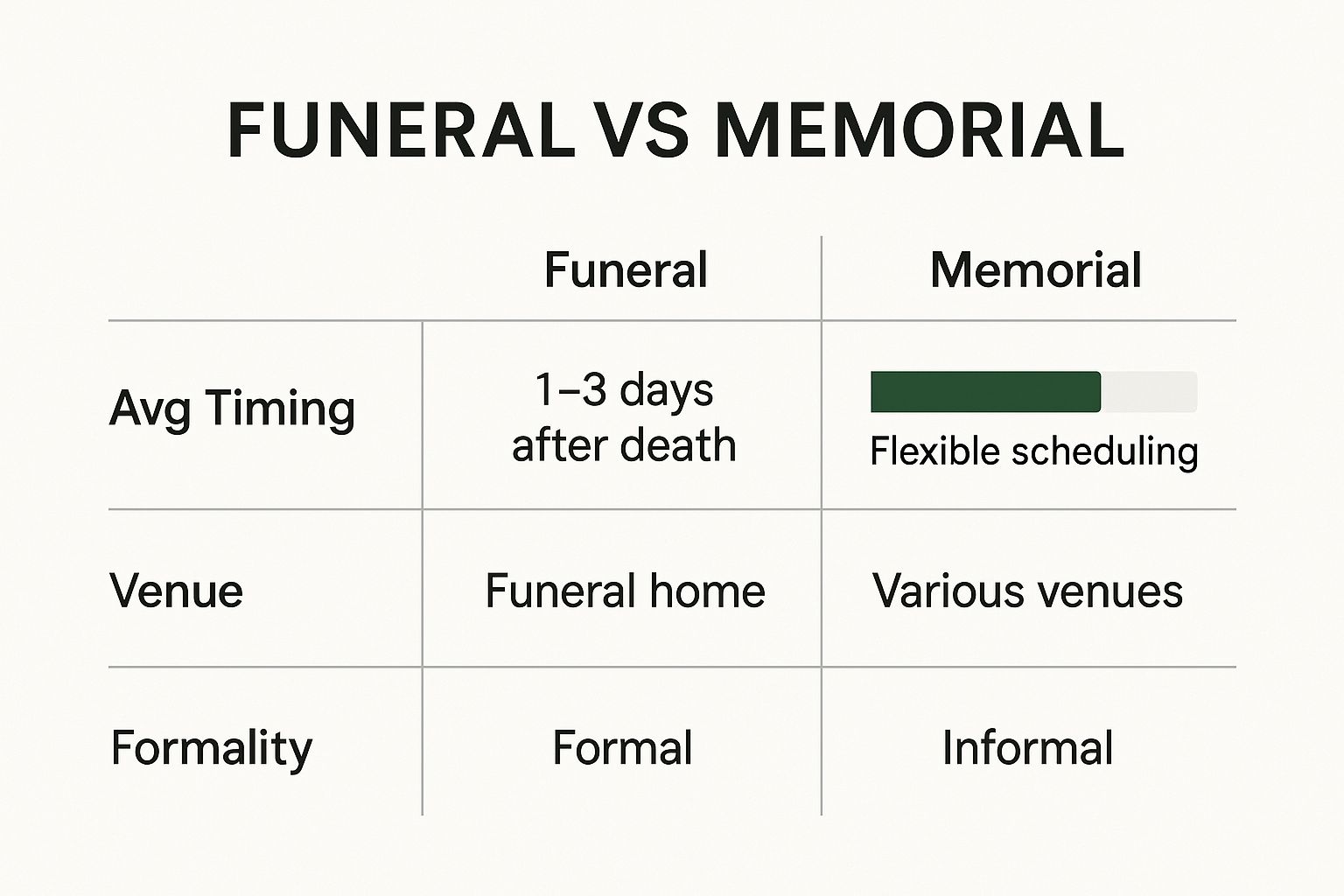
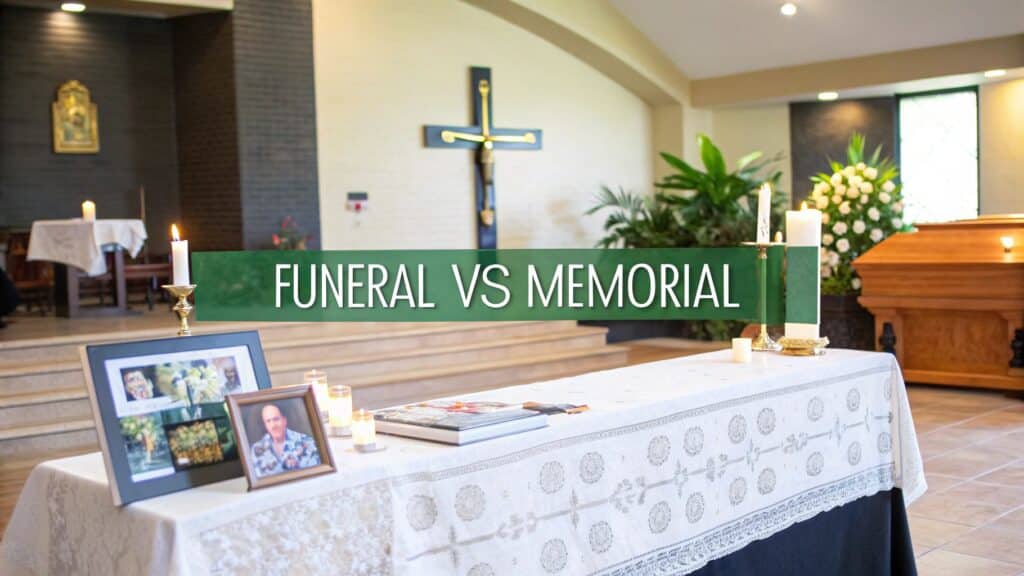
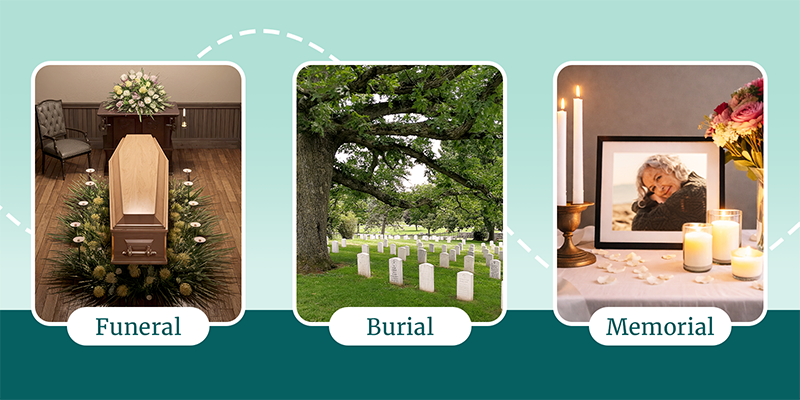
The decision to hold a funeral or memorial service is often influenced by a range of emotional factors, including family traditions, personal preferences, and cultural expectations. A funeral typically involves a more formal, structured ceremony, often with a focus on the deceased's body or cremated remains. This can provide a sense of closure and finality for those who are grieving, as well as an opportunity to pay respects and say goodbye in a traditional and familiar way. On the other hand, a memorial service is often more flexible and adaptable, allowing family and friends to create a personalized celebration of the deceased's life.
Must Read
- Heart Of Mexico City Football: Pinpointing The Azteca Stadium Location
- Guadalajara Stadium Parking Guide: Avoid The Matchday Traffic
- Houston Stadium Bag Policy: Clear Bag Rules For Visitors
- Sofi Stadium Capacity: How Many Fans It Can Hold
- Reliant Stadium Parking: A Guide To The Old Name And Current Venue
One of the key emotional triggers associated with the decision to hold a funeral or memorial service is the need for control and agency in the face of loss. When we are grieving, we may feel a strong desire to take charge of the mourning process, to make decisions that will honor the deceased and help us to heal. A funeral can provide a sense of structure and predictability, which can be comforting in a time of uncertainty and chaos. However, a memorial service can offer more flexibility and creativity, allowing us to express our emotions and celebrate the deceased's life in a more personalized and meaningful way.
Another important emotional consideration is the role of ritual and tradition in the mourning process. Funerals and memorial services often involve certain rituals and customs, such as eulogies, music, and symbolic objects, which can provide a sense of comfort and familiarity for those who are grieving. These rituals can also serve as a way to connect with others who are experiencing similar emotions, to build a sense of community and support in the face of loss.
Coping with Grief and Finding Healing
When it comes to coping with grief and finding healing, there are several strategies that can be helpful, regardless of whether you choose to hold a funeral or memorial service. One of the most important things you can do is to allow yourself to feel your emotions, to acknowledge and validate your grief. This can involve talking to a therapist or support group, journaling or expressing yourself creatively, or simply reaching out to loved ones for support and connection.
Another key aspect of coping with grief is to take care of your physical health, to nurture your body and mind during this challenging time. This can involve getting enough rest, eating a healthy diet, and engaging in regular exercise or relaxation techniques such as meditation or yoga. By prioritizing your physical health, you can help to build resilience and reduce stress, which can make it easier to navigate the emotional challenges of grief.
In addition to these practical strategies, it can also be helpful to reflect on the meaning and significance of the deceased's life, to celebrate their legacy and find ways to honor their memory. This can involve creating a memorial or ritual, writing a letter or journal entry, or simply talking to others about the deceased and the impact they had on your life.
Finally, it's essential to be patient and compassionate with yourself as you navigate the grieving process, to remember that healing is a journey that takes time, effort, and support. By allowing yourself to feel your emotions, taking care of your physical health, reflecting on the meaning and significance of the deceased's life, and seeking support from others, you can begin to find healing and closure, to move forward with greater peace and understanding.
Frequently Asked Questions
What is the main difference between a funeral and a memorial service?
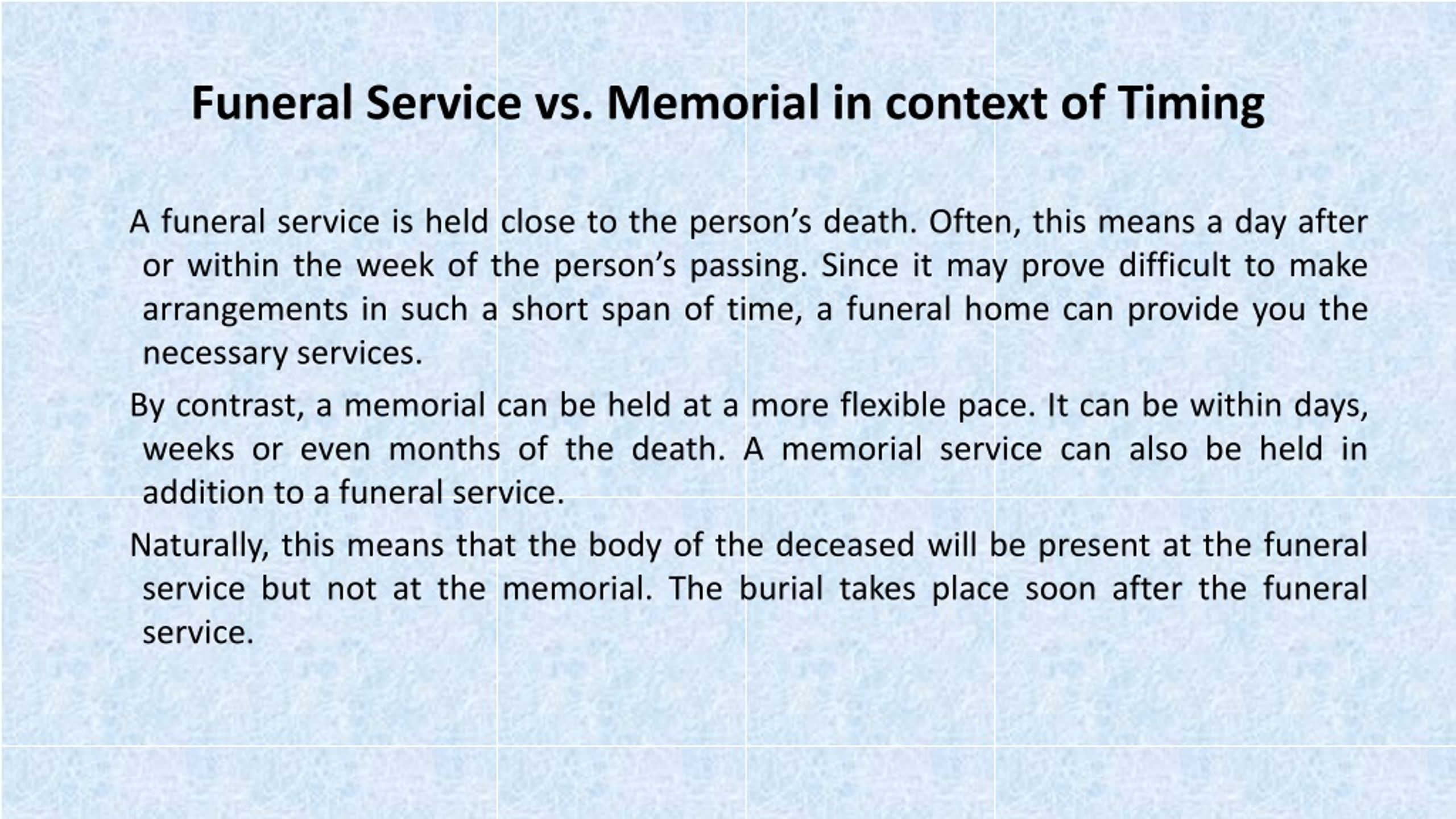
The main difference between a funeral and a memorial service is the presence or absence of the deceased's body or cremated remains. A funeral typically involves a more formal, structured ceremony, often with a focus on the deceased's body or cremated remains, while a memorial service is often more flexible and adaptable, allowing family and friends to create a personalized celebration of the deceased's life. This difference can have significant emotional implications, as the presence of the body or cremated remains can provide a sense of closure and finality for those who are grieving.
In addition to this key difference, there are many other factors to consider when deciding between a funeral and a memorial service. For example, cost and logistics may be important considerations, as well as personal preferences and cultural expectations. Ultimately, the decision to hold a funeral or memorial service should be based on what feels most meaningful and comforting to you and your loved ones, and what will help you to honor the deceased's memory and find healing and closure.
How can I make sure that my loved one's memorial service is personalized and meaningful?
To make sure that your loved one's memorial service is personalized and meaningful, it's essential to reflect on their life and legacy, to think about their interests, values, and passions. You can also talk to family and friends about their memories and experiences with the deceased, and gather stories, photos, and mementos that can be used to create a personalized and meaningful celebration of their life.
In addition to these personal touches, you can also consider the setting and atmosphere of the memorial service, to think about how you can create a warm and welcoming space that reflects the deceased's personality and style. This can involve choosing a meaningful location, selecting music and other elements that were significant to the deceased, and incorporating symbolic objects or rituals that hold emotional significance.

What role can ritual and tradition play in the mourning process?
Ritual and tradition can play a significant role in the mourning process, providing a sense of comfort and familiarity for those who are grieving. Funerals and memorial services often involve certain rituals and customs, such as eulogies, music, and symbolic objects, which can help to create a sense of community and connection among those who are mourning.
In addition to these emotional benefits, ritual and tradition can also provide a sense of structure and predictability in a time of uncertainty and chaos. By following established customs and rituals, we can tap into a sense of collective experience and shared meaning, which can be a powerful source of comfort and solace in the face of loss.
How can I support a loved one who is grieving?
To support a loved one who is grieving, it's essential to be present and attentive, to listen without judgment or expectation. You can also offer practical help and support, such as cooking meals, running errands, or providing emotional support through phone calls or visits.
In addition to these practical forms of support, you can also encourage your loved one to seek professional help, such as therapy or counseling, if they are struggling to cope with their emotions. By being a supportive and caring presence in your loved one's life, you can help them to feel less alone and more supported as they navigate the grieving process.
How can I take care of my own mental health and well-being during the grieving process?
To take care of your own mental health and well-being during the grieving process, it's essential to prioritize self-care, to make time for activities and practices that nourish your mind, body, and spirit. This can involve getting enough rest, eating a healthy diet, and engaging in regular exercise or relaxation techniques such as meditation or yoga.
In addition to these practical strategies, you can also seek support from others, such as friends, family, or a therapist, who can provide a listening ear and a supportive presence during this challenging time. By taking care of your own mental health and well-being, you can build resilience and reduce stress, which can make it easier to navigate the emotional challenges of grief.
As we reflect on the difference between funeral and memorial service, it's clear that this decision is not just about logistics or tradition, but about honoring the deceased's memory and finding healing and closure. By understanding the emotional triggers and cognitive biases that can arise during the mourning process, we can begin to develop a more compassionate and empathetic approach to grief, one that prioritizes the needs and well-being of those who are mourning.
Ultimately, mastering the art of coping with grief and finding healing is a journey that requires patience, self-awareness, and support. By being gentle with ourselves, seeking help when we need it, and cultivating a sense of meaning and purpose in the face of loss, we can begin to find peace and understanding, to move forward with greater clarity and resilience. As we navigate the complexities of grief and mourning, we can emerge stronger, wiser, and more compassionate, with a deeper appreciation for the preciousness and beauty of human life.