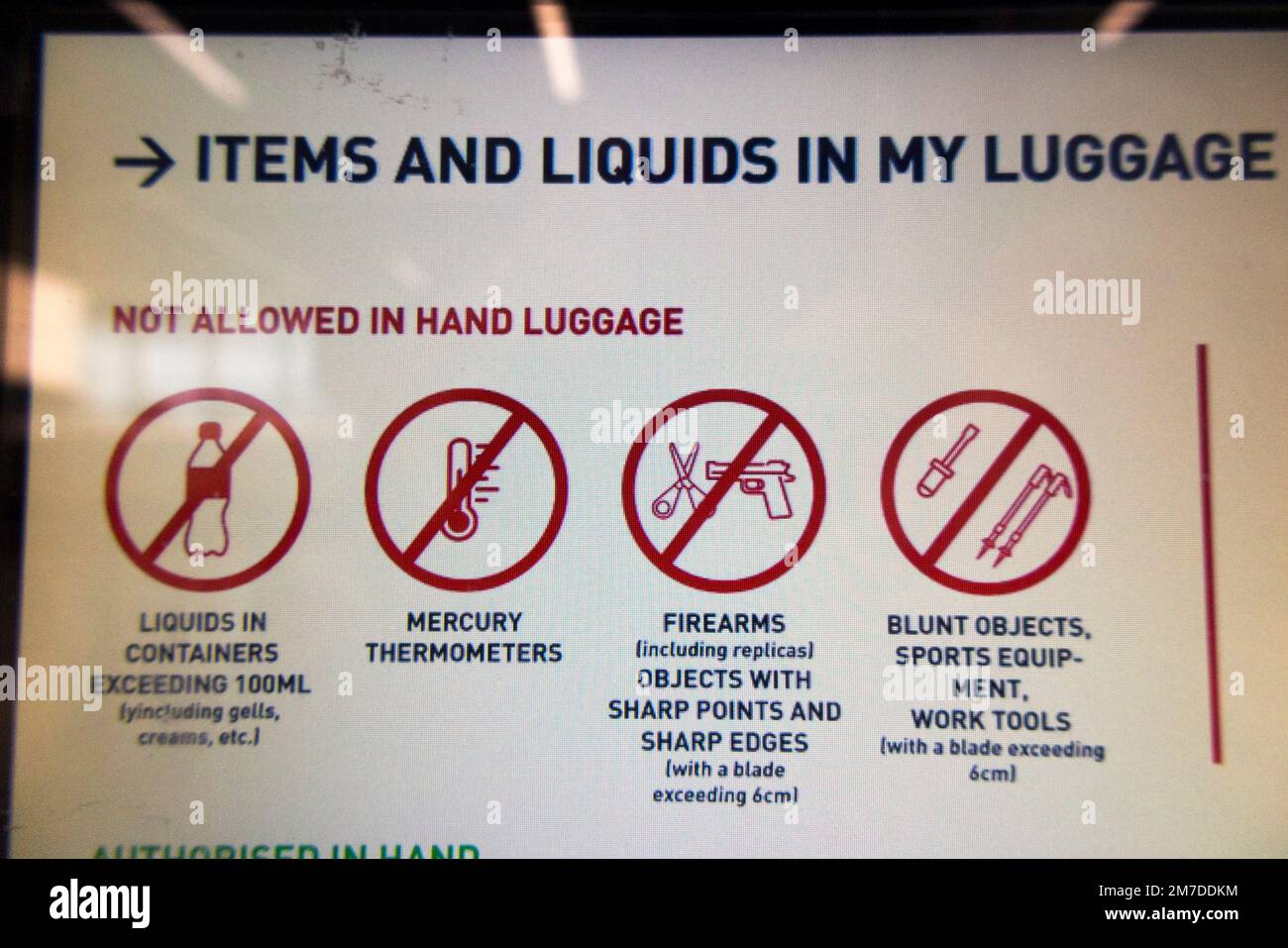
What Is Banned From Carry On Luggage

The concept of carry-on luggage has been around for nearly a century, with the first commercial airlines emerging in the 1920s. During this time, passengers were allowed to bring small bags and personal items on board with minimal restrictions. As the aviation industry grew, so did the need for regulations and safety protocols. The 1940s saw the introduction of the first carry-on luggage restrictions, primarily focused on ensuring the safety of passengers and crew. These early restrictions were relatively lenient, with passengers allowed to bring items such as small suitcases, purses, and briefcases on board.
As air travel became more accessible and popular, the need for stricter regulations increased. The 1960s and 1970s saw a significant rise in air travel, and with it, the introduction of more stringent carry-on luggage restrictions. The 1970s also saw the introduction of the first airport security screening protocols, which further restricted the types of items that could be carried on board. This period marked a significant turning point in the evolution of carry-on luggage restrictions, with a greater emphasis on safety and security.
Despite the restrictions, passengers continued to push the boundaries of what was allowed in carry-on luggage. The 1980s and 1990s saw a rise in the use of oversized and overweight carry-on bags, which often caused congestion and safety issues on board. In response, airlines and regulatory bodies introduced stricter guidelines and penalties for non-compliance. This period also saw the introduction of the first carry-on luggage size and weight restrictions, which have continued to evolve to this day.
Evolution of Carry-On Luggage Restrictions
The 2000s saw a significant shift in carry-on luggage restrictions, with a greater emphasis on security and safety. The introduction of the Transportation Security Administration (TSA) in the United States marked a major turning point in the evolution of carry-on luggage restrictions. The TSA introduced stricter guidelines and protocols for screening carry-on luggage, including the use of X-ray machines and explosives detection systems. This period also saw the introduction of the 3-1-1 liquids rule, which restricts the amount of liquids, gels, and aerosols that can be carried on board.
As technology continued to evolve, so did the restrictions on carry-on luggage. The 2010s saw the introduction of advanced security screening technologies, including computed tomography (CT) scanners and millimeter wave scanners. These technologies have enabled more efficient and effective screening of carry-on luggage, reducing the need for manual searches and minimizing the risk of security breaches. This period also saw the introduction of stricter restrictions on electronic devices, including laptops and tablets, which must now be removed from carry-on bags and screened separately.

Despite the advancements in security screening technologies, there are still many bizarre and forgotten facts surrounding carry-on luggage restrictions. For example, did you know that umbrellas were once considered a restricted item due to concerns over their potential use as a weapon? Or that snow globes were once banned due to concerns over their liquid content? These restrictions may seem amusing today, but they highlight the ever-changing nature of carry-on luggage restrictions and the need for ongoing vigilance and adaptability.
The 2020s have seen a significant increase in the use of artificial intelligence and machine learning technologies to enhance carry-on luggage screening. These technologies have enabled more efficient and effective screening of carry-on bags, reducing the need for manual searches and minimizing the risk of security breaches. As technology continues to evolve, it is likely that carry-on luggage restrictions will continue to adapt and change, with a greater emphasis on safety, security, and convenience.
Modernizing Carry-On Luggage Restrictions
As the world becomes increasingly interconnected, the need for efficient and effective carry-on luggage restrictions has never been greater. The classic principles of carry-on luggage restrictions, such as the 3-1-1 liquids rule and the restriction on sharp objects, are being hacked and modernized for today's fast-paced world. For example, many airlines now offer pre-screening programs that enable passengers to undergo security screening before arriving at the airport, reducing wait times and minimizing congestion.

The use of biometric technologies, such as facial recognition and fingerprint scanning, is also becoming increasingly prevalent in carry-on luggage screening. These technologies enable more efficient and effective identification of passengers and their carry-on bags, reducing the risk of security breaches and minimizing the need for manual searches. As technology continues to evolve, it is likely that carry-on luggage restrictions will continue to adapt and change, with a greater emphasis on safety, security, and convenience.
Frequently Asked Questions
What Items Are Restricted in Carry-On Luggage?
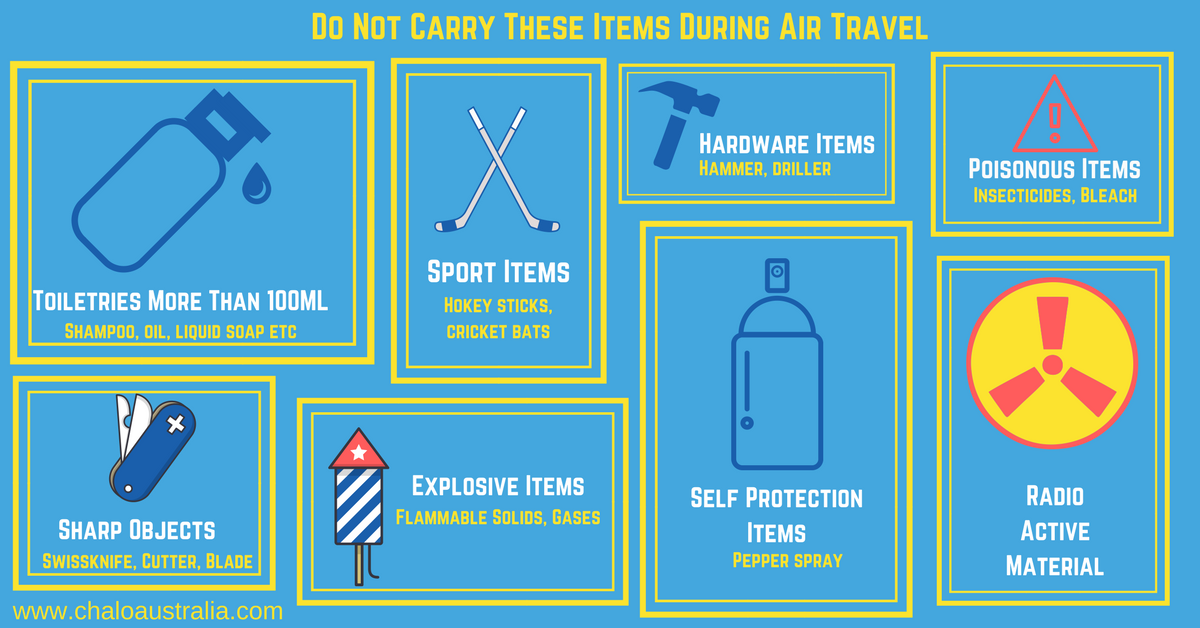
The types of items restricted in carry-on luggage vary depending on the airline and the destination. However, there are some common items that are generally restricted, including sharp objects, liquids, gels, and aerosols, and electronic devices. It is essential to check with the airline and the relevant regulatory bodies before traveling to ensure compliance with carry-on luggage restrictions. The 1970s saw the introduction of the first airport security screening protocols, which further restricted the types of items that could be carried on board.
As air travel has evolved, so have the restrictions on carry-on luggage. The 1980s and 1990s saw a rise in the use of oversized and overweight carry-on bags, which often caused congestion and safety issues on board. In response, airlines and regulatory bodies introduced stricter guidelines and penalties for non-compliance. This period also saw the introduction of the first carry-on luggage size and weight restrictions, which have continued to evolve to this day. The 2000s saw a significant shift in carry-on luggage restrictions, with a greater emphasis on security and safety.
How Have Carry-On Luggage Restrictions Changed Over Time?
Carry-on luggage restrictions have undergone significant changes over the years, driven by advances in technology, changes in passenger behavior, and evolving security concerns. The 1920s saw the introduction of the first commercial airlines, with minimal restrictions on carry-on luggage. As air travel grew, so did the need for regulations and safety protocols. The 1940s saw the introduction of the first carry-on luggage restrictions, primarily focused on ensuring the safety of passengers and crew.
The 1960s and 1970s saw a significant rise in air travel, and with it, the introduction of more stringent carry-on luggage restrictions. The 1970s also saw the introduction of the first airport security screening protocols, which further restricted the types of items that could be carried on board. This period marked a significant turning point in the evolution of carry-on luggage restrictions, with a greater emphasis on safety and security. The 2020s have seen a significant increase in the use of artificial intelligence and machine learning technologies to enhance carry-on luggage screening.
What Does the Future Hold for Carry-On Luggage Restrictions?
The future of carry-on luggage restrictions is likely to be shaped by advances in technology, changing passenger behavior, and evolving security concerns. The use of biometric technologies, such as facial recognition and fingerprint scanning, is likely to become increasingly prevalent in carry-on luggage screening. Additionally, the introduction of artificial intelligence and machine learning technologies is likely to enhance the efficiency and effectiveness of carry-on luggage screening, reducing the need for manual searches and minimizing the risk of security breaches.
The 2030s and beyond are likely to see significant advancements in carry-on luggage restrictions, with a greater emphasis on safety, security, and convenience. The introduction of new technologies, such as quantum computing and nanotechnology, is likely to further enhance the efficiency and effectiveness of carry-on luggage screening. As the world becomes increasingly interconnected, the need for efficient and effective carry-on luggage restrictions has never been greater. The classic principles of carry-on luggage restrictions, such as the 3-1-1 liquids rule and the restriction on sharp objects, are likely to continue to evolve and adapt to the changing needs of the aviation industry.
As we look to the future, it is likely that carry-on luggage restrictions will continue to play a critical role in ensuring the safety and security of air travel. The next 20 years will likely see significant advancements in carry-on luggage restrictions, with a greater emphasis on technology, innovation, and passenger experience. The introduction of new technologies, such as artificial intelligence and biometric identification, will likely enhance the efficiency and effectiveness of carry-on luggage screening, reducing the need for manual searches and minimizing the risk of security breaches.
The future of carry-on luggage restrictions is likely to be shaped by the ongoing evolution of the aviation industry, with a greater emphasis on safety, security, and convenience. As the world becomes increasingly interconnected, the need for efficient and effective carry-on luggage restrictions has never been greater. The 2030s and beyond will likely see significant advancements in carry-on luggage restrictions, with a greater emphasis on technology, innovation, and passenger experience. The classic principles of carry-on luggage restrictions, such as the 3-1-1 liquids rule and the restriction on sharp objects, will likely continue to evolve and adapt to the changing needs of the aviation industry.