What Counts As A Liquid For Tsa
:max_bytes(150000):strip_icc()/tsa-liquid-rules-carry-on-checked-bag-TSALIQUIDS0622-841fded886324b3e99b7713c8b8ae94b.jpg)
Have you ever found yourself wondering what exactly counts as a liquid when you're going through security at the airport? You're not alone! It's a question that has puzzled many a traveler, and the answers can be surprisingly nuanced.
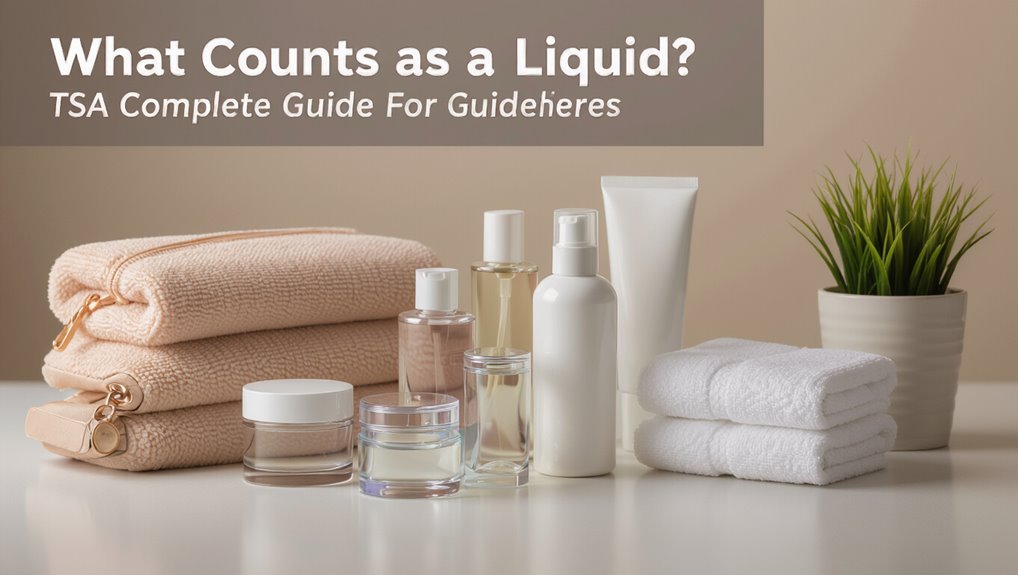
So, what does the TSA consider a liquid, anyway? The short answer is that it's not just limited to water or juice - any substance that's viscous or has a liquid consistency can be considered a liquid. This includes things like shampoo, toothpaste, and even certain types of makeup.
Understanding the Rules
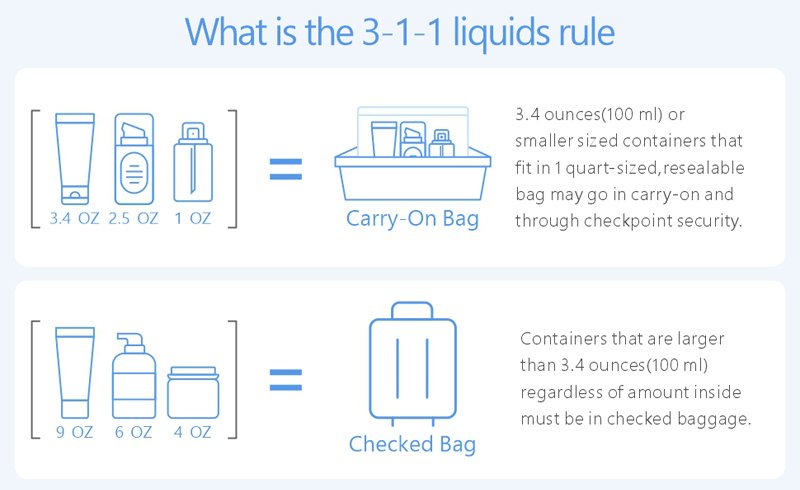
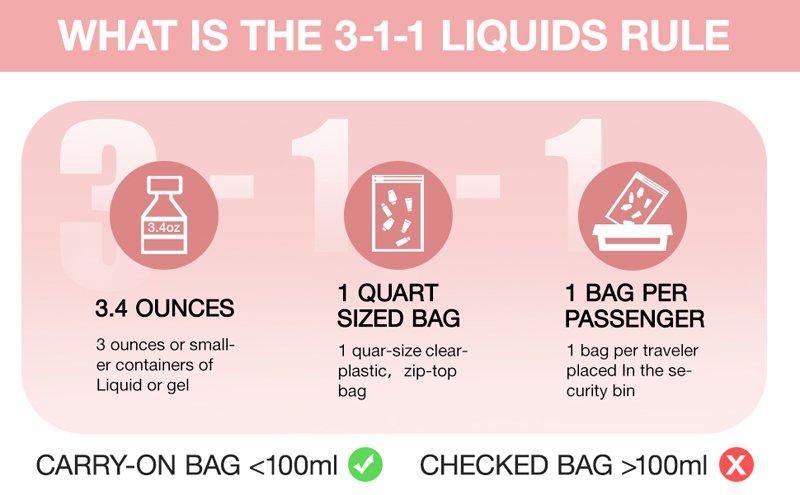
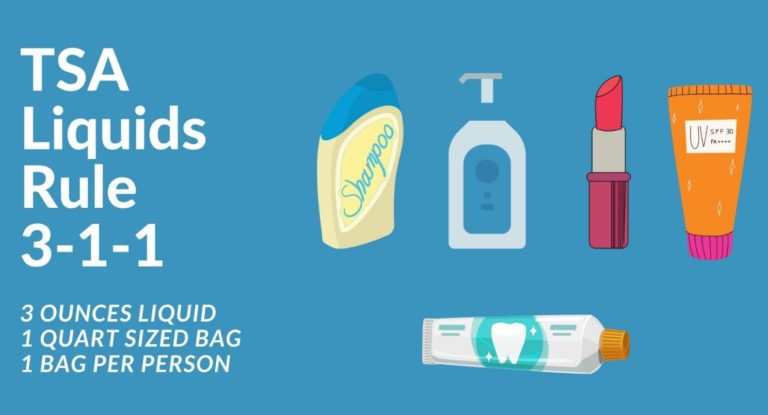
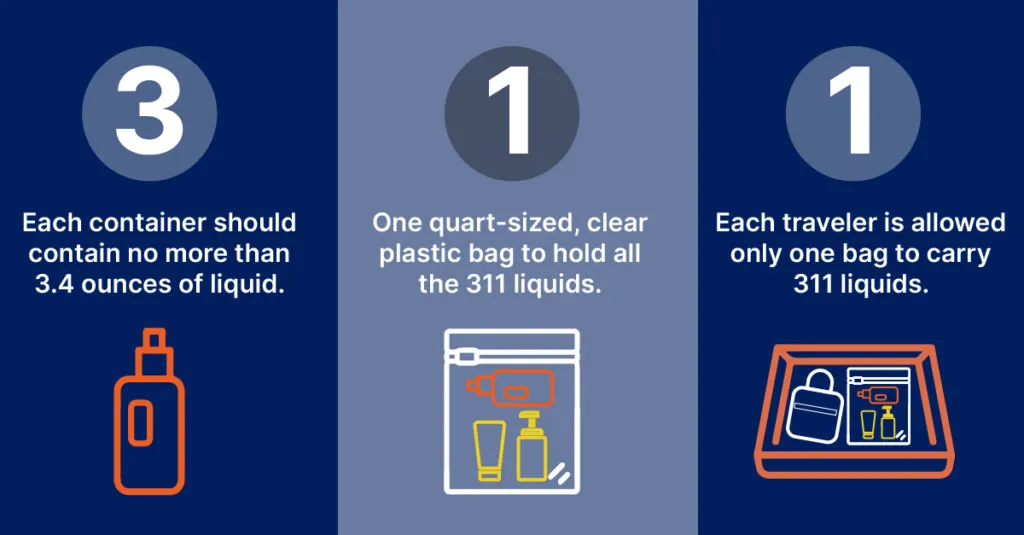
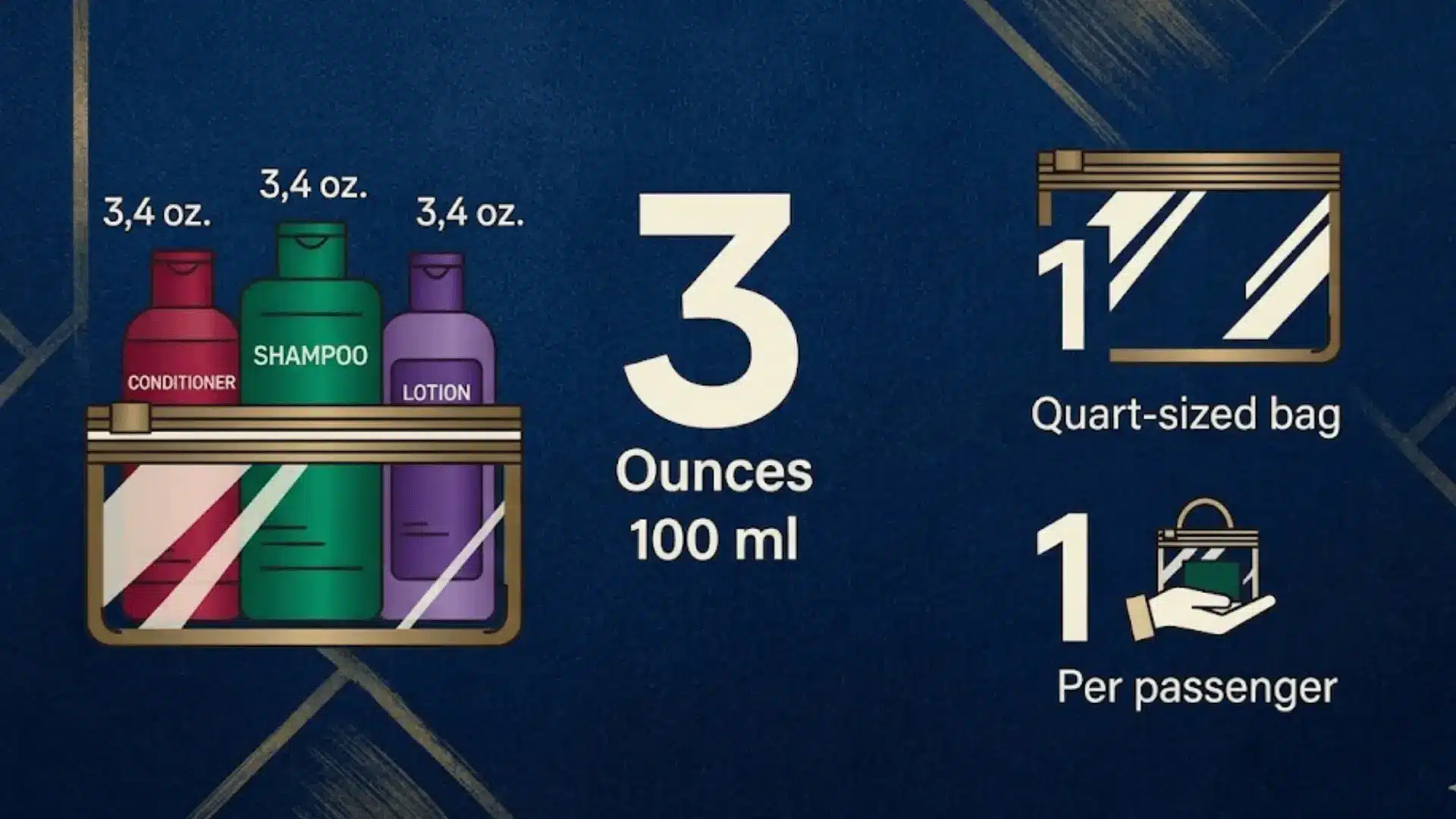
The TSA has a 3-1-1 rule that's supposed to make things clearer - but does it really? Essentially, the rule states that you can bring liquids, gels, and aerosols in containers that are 3.4 ounces or less, as long as they fit in a clear quart-sized zip-top bag. But what about things like honey or peanut butter - are those liquids or solids?
Must Read
- Heart Of Mexico City Football: Pinpointing The Azteca Stadium Location
- Guadalajara Stadium Parking Guide: Avoid The Matchday Traffic
- Houston Stadium Bag Policy: Clear Bag Rules For Visitors
- Sofi Stadium Capacity: How Many Fans It Can Hold
- Reliant Stadium Parking: A Guide To The Old Name And Current Venue
It's worth noting that the TSA uses a pretty broad definition of what constitutes a liquid. They consider anything that can be poured or squirted to be a liquid - which is why you'll often see toothpaste and shampoo getting flagged at security checkpoints. But what about -solid items that have a liquid component - like cosmetics or food products?
Grey Areas
One of the most interesting things about the TSA's liquid rules is how they handle grey areas. For example, what about coconut oil - is that a liquid or a solid? The answer, it turns out, is that it depends on the temperature - if it's in a solid state, it's not considered a liquid, but if it's melted, it is.
Another fascinating example is breast milk - which is considered a medically necessary item and is therefore exempt from the usual liquid rules. But what about formula or juice for babies - are those considered liquids, and if so, how do you pack them for a flight?
Practical Applications
So, why is it important to understand what counts as a liquid for the TSA? For one thing, it can save you time and hassle at security checkpoints - if you know what's allowed and what's not, you can pack accordingly. It can also help you avoid any awkward or embarrassing situations at the airport - like having to dump out your favorite shampoo or toothpaste.

But beyond the practicalities, it's also just cool to learn about the science behind the TSA's liquid rules. Like, did you know that some liquids can be more dense than solids? Or that temperature can affect the viscosity of a liquid - making it more or less likely to be considered a liquid by the TSA?
Fun Comparisons
Let's compare the TSA's liquid rules to something we're all familiar with - like cooking. Think about it - when you're baking, you need to measure out your ingredients carefully, or the whole recipe can be thrown off. It's kind of like that with the TSA's liquid rules - you need to measure out your liquids carefully, or you might end up with a mess on your hands.
Or consider music - where the right rhythm can make all the difference. It's kind of like that with the TSA's liquid rules - where the right combination of liquids and container sizes can make all the difference between a smooth security experience and a frustrating one.