
What Can't You Take On An Airplane

The thrill of traveling by air can be exhilarating, but it's essential to understand what can and cannot be taken on an airplane. This knowledge is not just about following rules but also about respecting the science behind air travel. Every item we bring aboard must comply with strict regulations designed to ensure the safety and comfort of all passengers. As we delve into the world of air travel, it's crucial to grasp the core mechanics of what is permissible and what is not, driven by factors such as flammability, biological hazards, and security threats.
At the heart of what can't be taken on an airplane lies a complex interplay of chemical reactions and physical principles. For instance, items like liquids, gels, and aerosols are regulated due to their potential to be used as explosive precursors or to cause fires under certain conditions. Similarly, batteries and electronic devices are subject to strict guidelines to prevent thermal runaway and electrical fires. Understanding these principles empowers travelers to make informed decisions about their luggage, ensuring compliance with airline regulations and contributing to a safer flying environment.
The biological aspect of air travel restrictions is equally important. Certain food items and plants may be prohibited due to the risk of spreading pests or diseases. Furthermore, medications and medical equipment must be carefully evaluated to ensure they do not pose health risks to other passengers or interfere with the aircraft's systems. By recognizing the biological implications of what we carry on planes, we can better appreciate the necessity of these regulations and the role they play in safeguarding public health.
Understanding Air Travel Restrictions
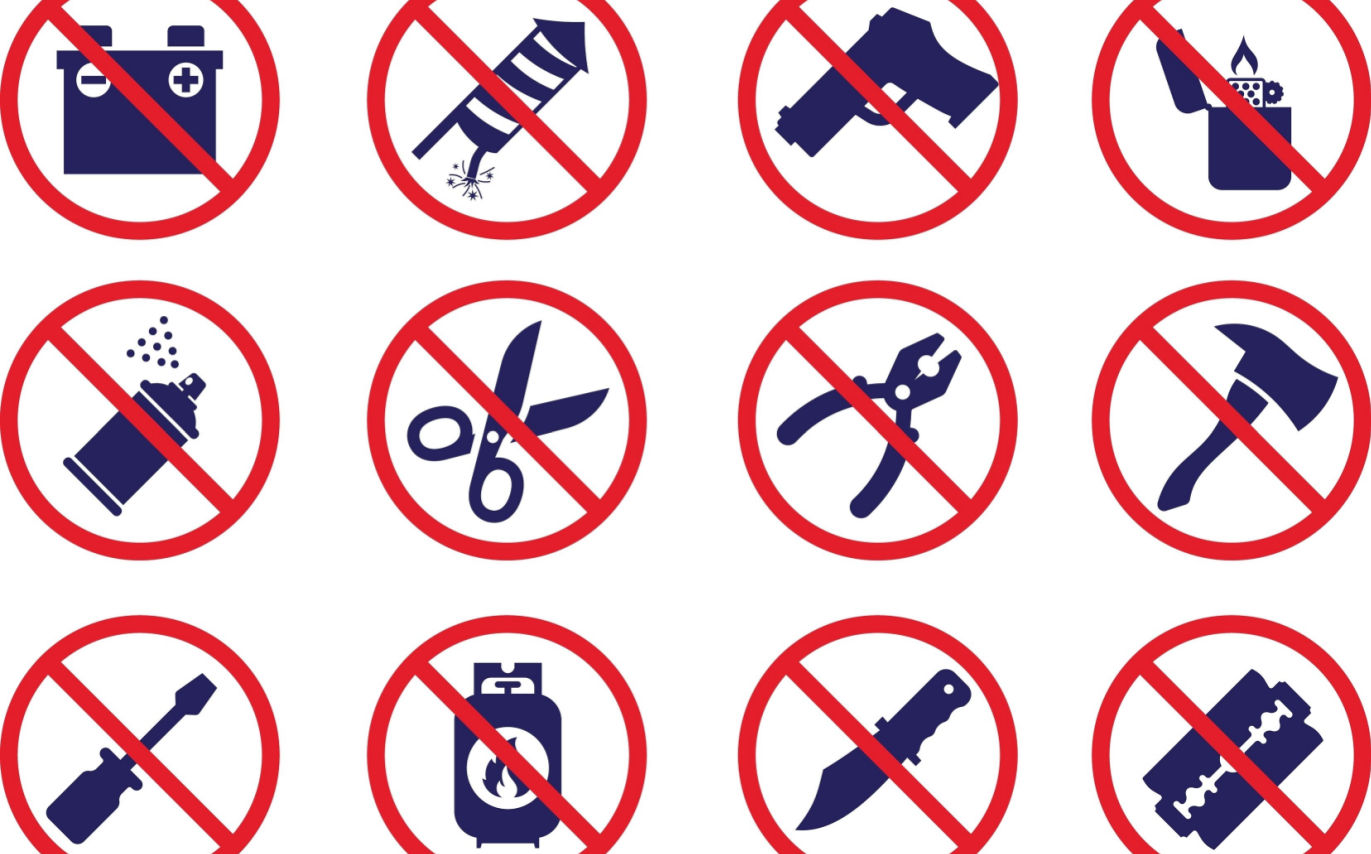
Delving deeper into the world of air travel restrictions, it becomes clear that the regulations are not arbitrary but are grounded in scientific research and historical incidents. The Transportation Security Administration (TSA) and similar bodies around the world continually update their lists of prohibited items based on threat assessments and security breaches. For example, the restriction on sharp objects and tools is a direct response to the potential for these items to be used as weapons. Understanding these motivations can help travelers navigate the often-complex web of regulations with greater ease.
The chemical properties of substances play a significant role in determining what can be carried on a plane. Certain chemicals and compounds are regulated or outright banned due to their potential to react dangerously under the pressure and temperature conditions found at high altitudes. This is a critical consideration for passengers carrying cosmetics, cleaning supplies, or other chemical-based products. By grasping the basic chemistry behind these restrictions, individuals can better plan their packing and avoid potential issues at security checkpoints.
In addition to chemical and physical considerations, biological factors also influence air travel regulations. The risk of invasive species and pests being transported to new regions is a significant concern, prompting restrictions on plants and live animals. Moreover, foods and agricultural products may be subject to regulations to prevent the spread of diseases and pests. This biological aspect of air travel restrictions highlights the interconnectedness of ecosystems and the importance of responsible travel practices.
Mastering Air Travel: Practical Strategies
To navigate the complexities of air travel restrictions effectively, passengers can employ several strategies and life hacks. First, it's essential to check the latest regulations before packing, as these can change frequently. Utilizing Checkpoint Friendly bags and clear toiletry bags can simplify the security process. Additionally, being mindful of liquid limits and electronic device restrictions can prevent unnecessary delays. By adopting these practices, travelers can ensure a smoother, less stressful journey.
Another vital aspect of mastering air travel is understanding how to pack efficiently and utilize space effectively. This involves choosing multi-purpose items, rolling clothing to save space, and making the most of carry-on allowances. Furthermore, labeling luggage clearly and tracking bags can help prevent loss or misdirection. By optimizing their packing, travelers can reduce stress and make the most of their travel experience.
For passengers with specific needs or medical requirements, it's crucial to plan ahead. This includes notifying the airline about special equipment or medications and understanding the procedures for security screening. By taking these steps, individuals can ensure their needs are met while also complying with air travel regulations. This proactive approach can significantly enhance the travel experience for those with unique requirements.
Lastly, staying informed and up-to-date with the latest travel advisories and restrictions is key to successful air travel. This involves subscribing to airline newsletters, following travel blogs, and regularly checking government travel websites. By being well-informed, travelers can anticipate and prepare for any changes in regulations, making their journey more enjoyable and hassle-free.
![What You Can and Can’t Take on a Plane [Essential List]](https://takeonaplane.com/_nuxt/img/cd63766.png)
Frequently Asked Questions
What Items Are Completely Prohibited On Airplanes?
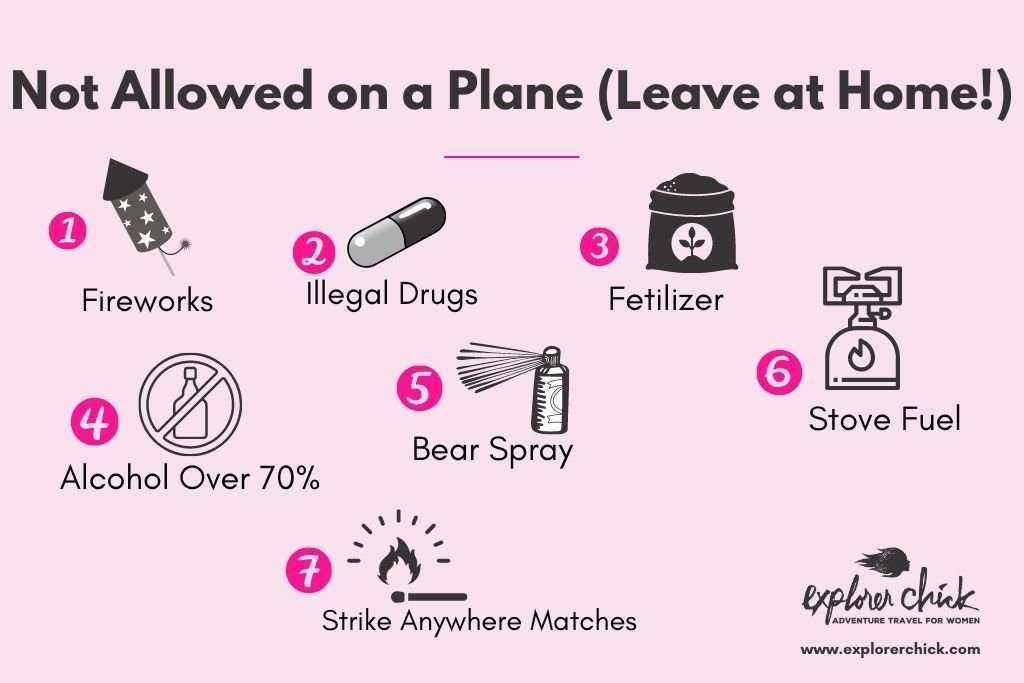
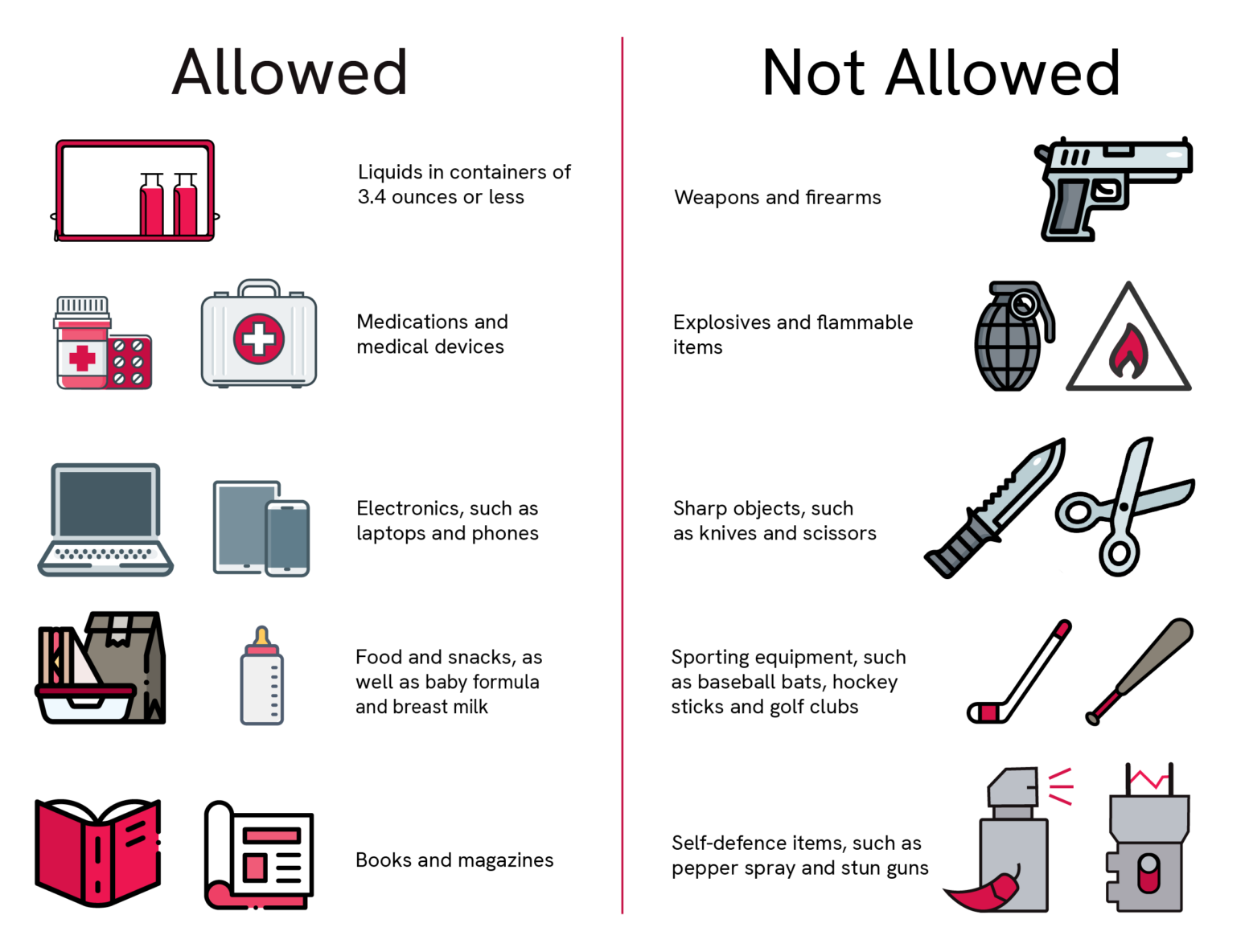
This question is often on the minds of travelers, especially those who are not frequent flyers. Completely prohibited items include firearms, explosives, sharp objects like knives and scissors, and certain chemicals and flammable materials. It's also important to note that while some items may not be entirely banned, they might be subject to specific regulations or restrictions. For example, batteries and electronic devices have particular guidelines to prevent thermal runaway and fires.
To ensure compliance, it's advisable to check the TSA's website or consult with the airline directly for the most current and detailed information. This proactive approach can help prevent any issues during security checks and ensure a smooth travel experience. Furthermore, understanding the rationale behind these prohibitions—often related to safety and security concerns—can foster a sense of community and shared responsibility among travelers, contributing to a safer and more considerate flying environment.
How Do Air Travel Restrictions Impact Passengers With Medical Conditions?
Passengers with medical conditions often face unique challenges when it comes to air travel. Understanding the regulations surrounding medications, medical equipment, and assistance devices is crucial. Generally, travelers are allowed to carry essential medications and medical devices in their carry-on luggage, but it's vital to declare these items at security checkpoints and to have documentation from a healthcare provider if necessary.
The science behind these accommodations is rooted in the principle of ensuring that all passengers, regardless of their health status, can travel safely and comfortably. Airlines and regulatory bodies work together to provide guidelines and support for passengers with medical needs, reflecting a broader commitment to accessibility and inclusivity in air travel. By being aware of these provisions, individuals with medical conditions can better plan their travel, ensuring they receive the necessary accommodations and support throughout their journey.
:max_bytes(150000):strip_icc()/image-1-1-2000-eb5fdee489b6435c96102d40eced97c0.jpg)
Can I Bring Food On An Airplane, And Are There Any Restrictions?
Bringing food on an airplane can enhance the travel experience, especially for those with dietary restrictions or preferences. While solid foods are generally allowed, liquids, gels, and aerosols are subject to the 3-1-1 liquids rule. This means that these items must be in containers of 3.4 ounces or less, fit in a clear, quart-sized zip-top bag, and be removed from carry-on bags for screening.
The biological and chemical considerations behind these regulations are centered on preventing contamination and foodborne illnesses, as well as ensuring the safety of perishable items. By understanding these guidelines, travelers can enjoy their favorite snacks while adhering to the necessary protocols. Moreover, being mindful of food allergies and intolerances among fellow passengers promotes a considerate and safe flying environment, highlighting the importance of collective responsibility in air travel.
What Happens If I Accidentally Bring A Prohibited Item To The Security Checkpoint?
In the event that a traveler accidentally brings a prohibited item to the security checkpoint, it's essential to remain calm and cooperate with security personnel. The item will likely be confiscated, and in some cases, the passenger might face additional screening or questioning. To avoid this situation, double-checking luggage before arriving at the airport and being aware of the most current prohibited items list can prevent unnecessary delays and complications.
The practical step of pre-flight planning and understanding the consequences of carrying prohibited items underscores the value of preparation and awareness in air travel. By taking the time to educate oneself on what can and cannot be taken on a plane, travelers not only ensure their own compliance but also contribute to a more streamlined and secure travel process for everyone. This proactive approach reflects a broader commitment to safety and responsibility, key pillars of enjoyable and successful air travel.
How Can I Stay Informed About Changes In Air Travel Restrictions?
Staying informed about changes in air travel restrictions is crucial for a hassle-free travel experience. Travelers can subscribe to airline newsletters, follow travel blogs, and regularly check government travel websites for the latest updates. Social media platforms and travel apps also provide real-time information and alerts about changes in regulations, making it easier for passengers to stay abreast of the latest developments.
The science of staying informed is closely tied to the concept of information literacy and the ability to navigate and evaluate digital sources effectively. By being proactive and leveraging these resources, travelers can anticipate and prepare for any changes in air travel restrictions, reflecting a savvy and adaptable approach to navigating the complexities of modern air travel. This empowerment through knowledge fosters a sense of control and confidence, making the travel experience more enjoyable and less stressful.
Embracing the science behind air travel restrictions not only makes us more efficient and compliant travelers but also underscores our role as stewards of safety and security in the flying community. By respecting and adhering to these regulations, we contribute to a collective environment of trust and consideration, where every passenger can feel secure and valued. This mindset of mutual respect and cooperation is fundamental to the success and enjoyment of air travel, highlighting the importance of awareness, education, and responsibility in our daily lives.
Ultimately, the journey to mastering what can't be taken on an airplane is a journey of discovery and empowerment. Through understanding the complex interplay of scientific principles, regulatory requirements, and personal responsibility, travelers can navigate the world of air travel with confidence and ease. By adopting this informed and proactive approach, we not only ensure our own safety and compliance but also enhance the travel experience for everyone, fostering a community of travelers who value knowledge, respect, and the joy of exploration.
:max_bytes(150000):strip_icc()/liquids-on-a-plane-4046937-FINAL-5ba3d35d4cedfd002506643d.png)


