What Can You Take With You On A Plane
/taking-food-on-a-flight-2972600_v4-5b48e7e246e0fb00373312be.png)
The thrill of taking to the skies has captured human imagination since the early days of aviation. As we soar through the air, we often find ourselves pondering what we can bring along to make our journey more comfortable, enjoyable, and memorable. The evolution of what we can take with us on a plane is a fascinating story that spans decades, reflecting changing societal values, technological advancements, and shifting regulatory landscapes. From the 1920s, when air travel was a luxury reserved for the elite, to the present day, the list of permissible items has undergone significant transformations, influenced by historical events, notable figures, and everyday human necessities.
Initially, the primary concern was safety, with regulations focusing on ensuring that items brought on board did not pose a risk to the aircraft or its occupants. As air travel became more accessible and frequent, the focus began to shift towards comfort and convenience. The 1950s and 1960s saw the introduction of more personal items, such as luggage, clothing, and personal care products, reflecting the growing demand for air travel and the emergence of commercial airlines as we know them today. This period also marked the beginning of a complex relationship between passengers, airlines, and regulatory bodies, each playing a role in determining what could be taken on a plane.
The golden age of air travel, which spanned from the 1950s to the 1970s, was characterized by luxury and indulgence. Passengers could expect fine dining, exquisite service, and the ability to bring a variety of items on board, from cigarettes to perfume, without much scrutiny. However, as security concerns grew, particularly following the 1970s and the 9/11 attacks in 2001, the list of prohibited items expanded significantly, affecting everything from liquids and gels to electronic devices and tools. This shift marked a significant turning point in the history of air travel, balancing the need for security with the desire for comfort and convenience.
Evolution of Air Travel Regulations
The evolution of what can be taken on a plane is closely tied to the development of aviation regulations. In the early days, these regulations were minimal and often vague, reflecting the infancy of the industry. As air travel became more popular, governments and international bodies began to establish more stringent guidelines to ensure safety and security. The International Civil Aviation Organization (ICAO), established in 1947, plays a crucial role in setting global standards for aviation, including what can be carried on board. Over the years, these regulations have become more detailed, covering a wide range of items from luggage and personal effects to hazardous materials and prohibited items.
One of the most significant transformations in recent decades has been the response to security threats. The 9/11 attacks marked a watershed moment, leading to a global overhaul of aviation security. The subsequent banning of items like scissors, knives, and certain types of liquids from carry-on luggage was a direct response to these threats. The TSA (Transportation Security Administration) in the United States, established in 2001, has been at the forefront of enforcing these regulations, using advanced screening techniques and technologies to ensure the safety of air travel.
Despite these advancements, there remains a degree of confusion and inconsistency regarding what can be taken on a plane. Different airlines and countries have their own rules, which can be confusing for travelers. Moreover, the rapid evolution of technology has introduced new challenges, such as the regulation of electronic devices, lithium batteries, and smart luggage. The FAA (Federal Aviation Administration) and other regulatory bodies around the world are continually updating guidelines to address these issues, reflecting the dynamic nature of air travel and the items we wish to bring with us.
The impact of these regulations on passengers and the aviation industry as a whole cannot be overstated. From the perspective of passengers, understanding what can and cannot be taken on a plane is crucial for planning and preparing for travel. For airlines, adherence to these regulations is not only a matter of compliance but also of ensuring the safety and satisfaction of their customers. As travel becomes increasingly global and interconnected, the harmonization of these regulations across borders will be essential for facilitating smooth and secure air travel.
Modernizing the Travel Experience
In today's fast-paced world, the concept of what can be taken on a plane is being redefined by technology and innovation. The rise of digital travel documents, such as electronic boarding passes and digital visas, is streamlining the travel process, reducing the need for physical items. Moreover, advancements in luggage design, such as smart bags with GPS tracking and charging capabilities, are enhancing the travel experience, offering more convenience and peace of mind for travelers.

The integration of classic principles with modern technology is also transforming the way we approach air travel. For instance, the use of biometrics for security screening is not only enhancing security but also speeding up the boarding process. Similarly, the development of in-flight entertainment systems and wireless connectivity is redefining how we spend our time on planes, allowing for a more personalized and engaging experience. These advancements are not just about comfort; they reflect a broader shift towards making air travel more accessible, efficient, and enjoyable for all.
Frequently Asked Questions
What are the current restrictions on liquids, gels, and aerosols in carry-on luggage?
The restrictions on liquids, gels, and aerosols in carry-on luggage, commonly referred to as the 3-1-1 liquids rule, have been in place since 2006. This rule, mandated by the TSA, dictates that liquids, gels, and aerosols must be in containers of 3.4 ounces or less, placed in a clear, quart-sized zip-top bag, with only one bag allowed per passenger. These restrictions were implemented in response to a 2006 plot to detonate liquid explosives on board several flights, highlighting the ongoing need for vigilance and adaptable security measures in aviation.
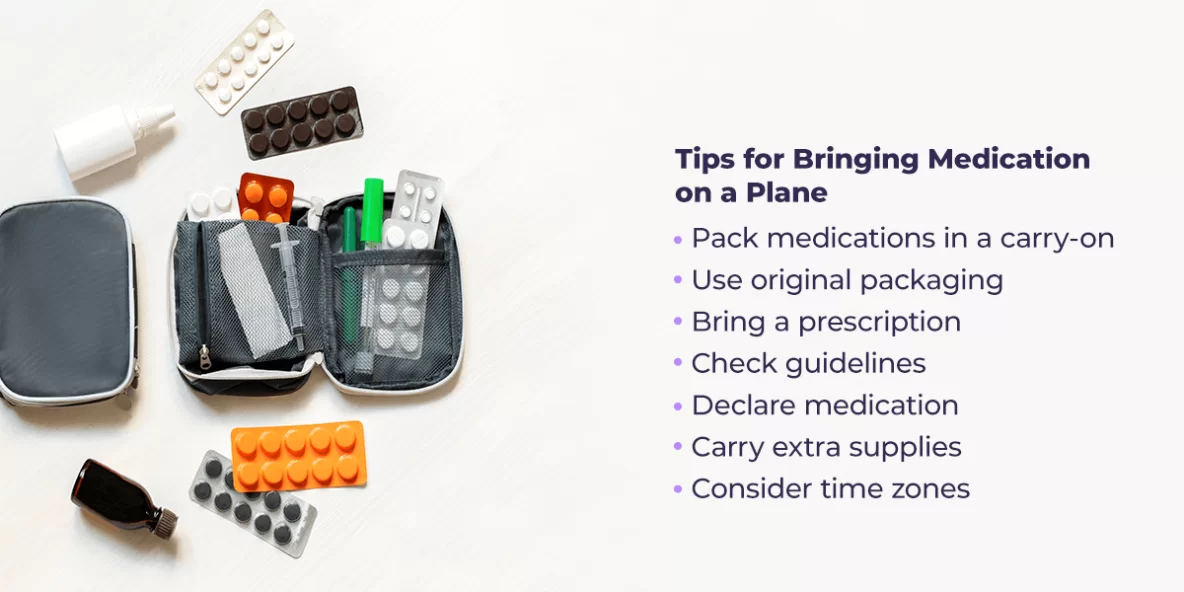
Despite the initial confusion and complaints, the 3-1-1 rule has become a standard aspect of air travel planning. Passengers are advised to check the TSA website for the most current information, as exceptions exist for certain items like medications and baby formula. The rule has also spurred innovation in travel-sized products, making it easier for passengers to comply while still enjoying their favorite toiletries and cosmetics during travel. The balance between security and convenience is delicate, and the 3-1-1 rule represents a significant effort to maintain this balance in the face of evolving security threats.

Can electronic devices be taken on a plane, and are there any specific guidelines?
Electronic devices, including laptops, tablets, smartphones, and portable chargers, are allowed on planes but are subject to certain guidelines. In 2017, the United States imposed a ban on large electronic devices in carry-on luggage on flights from certain countries, citing security concerns. Although this ban was later lifted, it highlighted the importance of staying informed about the latest regulations. The TSA recommends keeping electronic devices easily accessible for screening and powering them on if requested by security personnel.
The use of electronic devices during flight is also regulated, with most airlines allowing their use in airplane mode once the aircraft reaches a certain altitude. However, the FAA and airlines have strict rules about the use of devices during takeoff and landing, reflecting concerns about potential interference with aircraft communications systems. The rise of in-flight Wi-Fi and the ability to stay connected digitally during flights has transformed the travel experience, enabling passengers to work, entertain themselves, or stay in touch with loved ones from 30,000 feet.
How are hazardous materials regulated when it comes to air travel?
The regulation of hazardous materials in air travel is stringent and complex, overseen by the DOT (Department of Transportation) and the FAA. Passengers are generally prohibited from carrying hazardous materials in either checked or carry-on luggage, with exceptions for certain items like batteries, when packaged and protected properly. The International Air Transport Association (IATA) provides detailed guidelines for the transport of dangerous goods by air, which airlines and passengers must adhere to.

The reasons behind these regulations are multifaceted, reflecting concerns about safety, environmental protection, and compliance with international standards. Hazardous materials can pose significant risks, including fires, explosions, and toxic releases, which could compromise the safety of the aircraft, its occupants, and the environment. As such, passengers are advised to carefully review what constitutes a hazardous material and to declare such items appropriately to avoid confiscation or legal repercussions. The evolution of these regulations will continue to be influenced by advances in technology, changes in consumer behavior, and the ongoing quest for safer, more sustainable air travel.
As we look to the future, the question of what can be taken on a plane will continue to evolve, driven by technological innovation, shifting societal values, and the imperative for sustainability. The next 20 years will likely see significant advancements in biometric security, autonomous luggage handling, and personalized travel experiences. The integration of artificial intelligence and Internet of Things (IoT) technologies will enhance security, efficiency, and passenger satisfaction, offering real-time monitoring of luggage, predictive maintenance of aircraft, and tailored in-flight services.
The futuristic possibilities of air travel are exciting and expansive, from hypersonic flights that could dramatically reduce travel times to electric and hybrid-electric aircraft that promise a more sustainable future for aviation. As we embark on this journey into the future, the items we can take with us on a plane will reflect not just our personal needs and desires but also our collective aspirations for a safer, greener, and more interconnected world. The legacy of aviation's past will continue to inform its future, as we learn from historical turning points, adapt to technological advancements, and strive to make air travel an experience that is both memorable and responsible.