What Can You Bring On The Airplane
/taking-food-on-a-flight-2972600_v4-5b48e7e246e0fb00373312be.png)
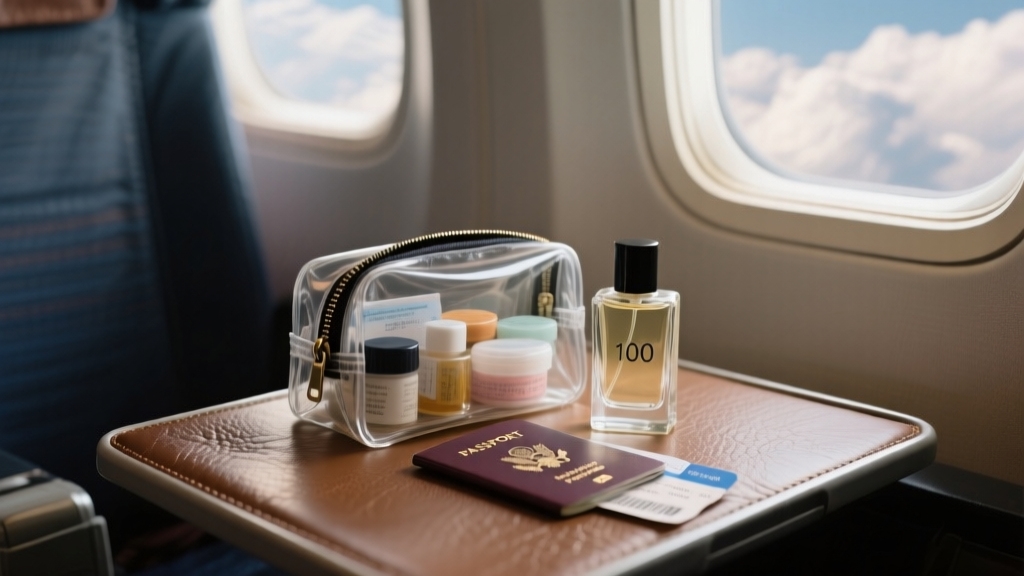
When it comes to traveling by air, understanding what you can and cannot bring on the airplane is crucial for a smooth and hassle-free experience. The basics are well-known: liquids, gels, and aerosols in containers of 3.4 ounces or less, electronics, and personal items like medication and keys are generally allowed in carry-on bags. However, the nuances of airline regulations and the science behind why certain items are restricted can be complex and fascinating. For instance, liquids and gels are subject to the 3-1-1 rule due to concerns about explosive materials and the difficulty in detecting them in larger quantities.
Beyond the security checkpoints, the items you bring on board can also impact your comfort and well-being during the flight. Dehydration is a common issue due to the low humidity environment inside the aircraft cabin. Understanding how to combat this through the items you choose to bring, such as electrolyte-rich drinks or moisturizers, can make a significant difference in your flying experience. Furthermore, awareness of air pressure changes and their effects on the body, like ear popping or joint pain, can help you prepare with items like earplugs or pain relievers.
The biological effects of flight, including jet lag, circadian rhythm disruption, and the impact of altitude on blood oxygen levels, are also important considerations. Bringing items that help mitigate these effects, such as melatonin for sleep regulation or supplements to aid in adjusting to new time zones, can be beneficial. Understanding these aspects not only enhances your travel experience but also equips you with knowledge to navigate the complexities of air travel more effectively.
Must Read
Unlocking the Science of Air Travel
Diving deeper into the biological and chemical aspects of air travel reveals a complex interplay of factors affecting both the traveler and the items they bring on board. The science of jet lag, for example, involves the suprachiasmatic nucleus (SCN), the part of the brain that regulates our circadian rhythms. When we cross multiple time zones, our SCN struggles to adjust, leading to fatigue, digestive issues, and other symptoms. By bringing items like light therapy devices or melatonin supplements, travelers can help their bodies adjust more quickly to the new time zone.
The physical environment of an airplane cabin also presents unique challenges. The air pressure at cruising altitudes is lower than at sea level, which can cause gas expansion in items like luggage or bottles. Moreover, the humidity level is typically very low, leading to dehydration if not adequately addressed. Bringing hydrating masks or moisturizing creams can help combat these effects. Understanding these physical and biological principles empowers travelers to make informed decisions about what to bring on a flight to ensure their comfort and health.
In addition to personal comfort, the items brought on board can also impact the ecological footprint of air travel. Choosing eco-friendly or sustainable products, such as refillable water bottles or biodegradable packaging, can contribute to reducing the environmental impact of travel. This awareness not only benefits the individual but also aligns with broader efforts to make air travel more sustainable.

Practical Strategies for Mastering Air Travel
To optimize your air travel experience, it's essential to have practical strategies for what to bring and how to prepare. First, plan ahead by checking the weather forecast of your destination and packing accordingly. Bringing versatile clothing items that can be easily mixed and matched can help reduce luggage space and make your travel more efficient. For longer flights, consider packing entertainment such as books, tablets, or portable games to keep you occupied.
Another critical aspect is health and hygiene. Packing hand sanitizers, face masks, and any personal medications is crucial. Additionally, bringing snacks like nuts or dried fruits can help maintain your energy levels during the flight. For those prone to anxiety or motion sickness, consider bringing calming supplements or motion sickness bands.
For frequent travelers, investing in travel accessories like packing cubes, travel wallets, or portable chargers can greatly enhance the travel experience. These items can help keep your belongings organized, secure, and accessible throughout your journey. Moreover, understanding how to pack efficiently can reduce stress and make the security check process smoother.
Lastly, being aware of airline policies and regulations can save you time and hassle. Familiarize yourself with the carry-on size restrictions and prohibited items list to avoid any issues during boarding. By being prepared and knowledgeable, you can turn what might be a daunting experience into a manageable and even enjoyable one.
:max_bytes(150000):strip_icc()/image-1-1-2000-eb5fdee489b6435c96102d40eced97c0.jpg)
Frequently Asked Questions
What are the restrictions on carrying liquids, gels, and aerosols in carry-on bags?
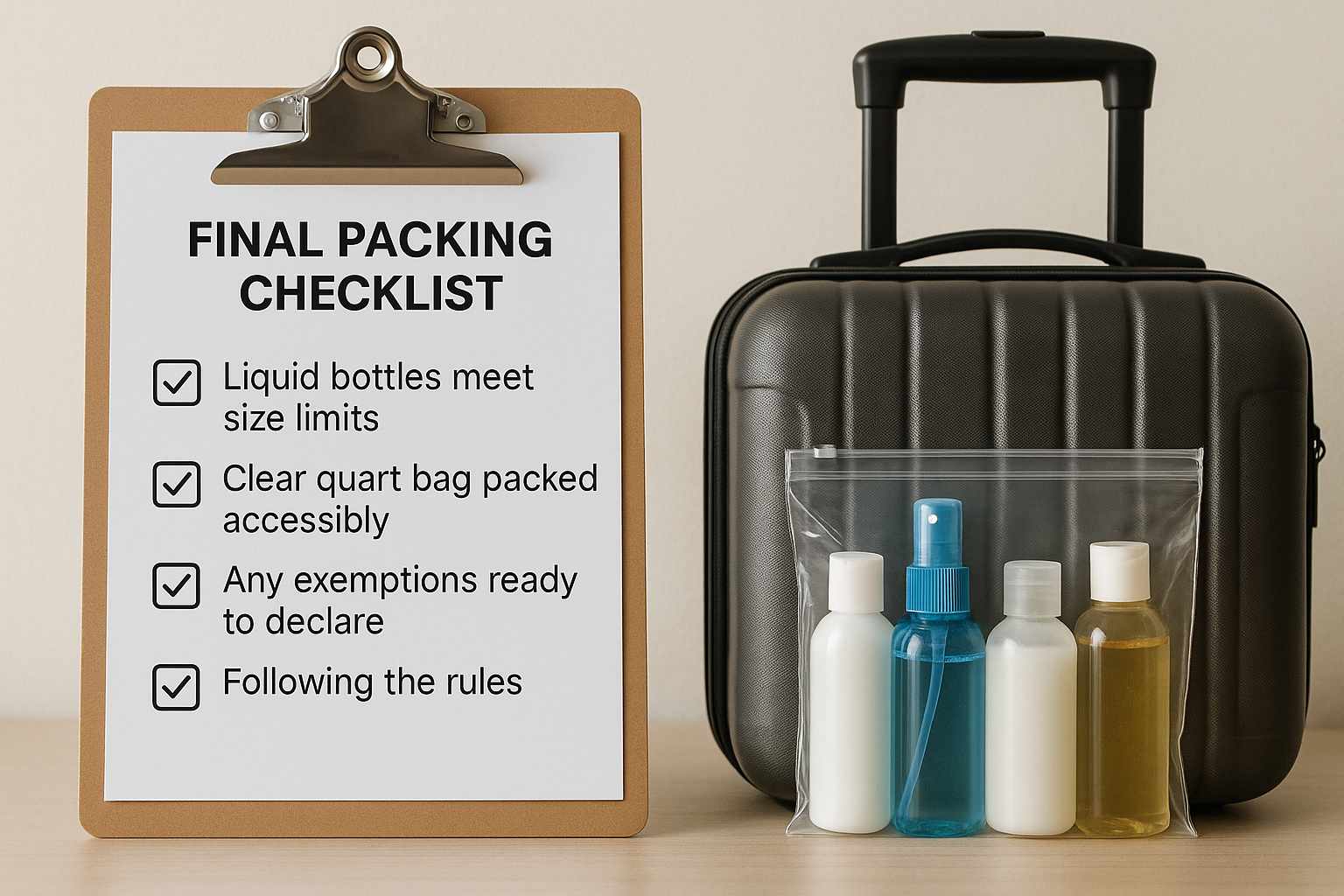
The 3-1-1 liquids rule is a standard security protocol. It means that liquids, gels, and aerosols must be in containers of 3.4 ounces (100 milliliters) or less per item. These items must be placed in a clear, quart-sized zip-top bag. Only one zip-top bag is allowed per passenger. Items purchased after clearing security checkpoints, such as duty-free liquids, are exempt if they are placed in a secure, tamper-evident bag and accompanied by a receipt.
Understanding these rules is crucial to avoid delays at security checkpoints. It's also important to note that some items, like medications or baby formula, may be exempt from the 3-1-1 rule but must be declared and may require additional screening. Packing these items in an accessible manner can help streamline the security process.
How can I mitigate the effects of jet lag during my flight?
Mitigating jet lag involves a combination of pre-flight preparation, in-flight strategies, and post-flight adjustment techniques. Before your flight, try to adjust your sleep schedule a few days in advance to the destination time zone. During the flight, stay hydrated by drinking plenty of water and avoid caffeine and alcohol, which can exacerbate jet lag symptoms.
Upon arrival, exposure to natural sunlight can help regulate your circadian rhythms. Consider bringing a light therapy device if you're traveling across multiple time zones. It's also beneficial to stay active with light exercise and maintain a balanced diet to help your body adjust to the new time zone more efficiently.
What are the best practices for packing electronics and valuables in carry-on luggage?
Packing electronics and valuables requires care to ensure they are protected and easily accessible during security screenings. Use protective cases for items like laptops and tablets, and consider a carry-on bag with dedicated compartments for these items. For valuables like jewelry or important documents, use a secure wallet or a money belt to keep them safe and close to you.
When packing, place electronics in an easily accessible part of your carry-on to facilitate the security screening process. Keep valuables with you at all times, and be mindful of your belongings, especially in crowded areas like airports and public transportation.
Can I bring my own food and snacks on the airplane?
Yes, you can bring your own food and snacks on the airplane. In fact, this can be a good way to ensure you have healthy options and can avoid the high prices of airline food. However, be aware of food safety guidelines and avoid bringing perishable items or foods with strong odors that might disturb other passengers.
Consider packing non-perishable snacks like nuts, dried fruits, or energy bars. For longer flights, you might also bring sandwiches or fresh fruits, but be sure to dispose of any trash properly and follow airline guidelines regarding food consumption on board.

How do I ensure my luggage is secure and protected during the flight?
Ensuring your luggage is secure involves several steps. First, invest in high-quality luggage with reinforced materials and secure zippers. Use luggage locks to deter theft, but be aware that TSA agents may need to inspect your luggage and could damage locks in the process. Consider using TSA-approved locks that can be opened by TSA agents without damage.
Additionally, label your luggage clearly with your contact information, and consider investing in luggage trackers that can help you locate your bags if they are misplaced. Packing valuable items in your carry-on and keeping it with you at all times can also provide an extra layer of security. Being proactive about luggage security can significantly reduce the risk of theft or loss during your travel.
Conclusion
Respecting the science and regulations behind what you can bring on an airplane not only ensures compliance with airline policies but also enhances your travel experience. By understanding the biological effects of flight, the physical environment of the airplane cabin, and the practical strategies for packing and preparing, travelers can mitigate discomfort, stay healthy, and make their journeys more enjoyable. Furthermore, adopting sustainable travel practices and being mindful of the environmental impact of our travel choices can contribute to a more eco-friendly aviation industry.
In conclusion, the art of traveling by air is a complex blend of science, technology, and personal choice. By embracing the data-driven and pragmatic approach to understanding what can be brought on an airplane, we empower ourselves to be better, more efficient travelers. This knowledge enables us to navigate the intricacies of air travel with confidence, ensuring that our journeys are not only compliant with regulations but also comfortable, sustainable, and enjoyable. As we continue to explore and innovate within the realm of air travel, respecting the underlying science and adopting best practices will remain crucial for a positive and responsible travel experience.