
What Can You Bring In An Airplane
As we soar through the skies, have you ever stopped to think about what's allowed in that overhead bin or under the seat in front of you? The rules and regulations surrounding airplane carry-ons are a complex mix of security, convenience, and common sense. From the early days of commercial air travel to the present, the list of permissible items has evolved significantly, influenced by advances in technology, shifts in cultural norms, and the ever-present threat of security risks.
In the early days of flying, passengers were relatively free to bring whatever they wanted on board, with little consideration for the potential consequences. However, as air travel became more accessible and the number of passengers increased, so did the need for regulation. The first major milestone in this journey was the introduction of the TSA (Transportation Security Administration) in the United States, following the events of September 11, 2001. This marked a significant turning point in how we approach airline security, including what we can and cannot bring on a plane. Today, the list of prohibited and permitted items is extensive and can vary by airline and country, making it a daunting task for travelers to keep track of what's allowed and what's not.
Understanding the Basics
Before diving into the specifics, it's essential to grasp the basics of airline carry-on policies. Most airlines adhere to the 3-1-1 liquids rule for carry-ons: 3 ounces or less per container, in a 1-quart ziplock bag, with only 1 bag allowed per passenger. This rule applies to liquids, gels, and aerosols and is a staple of airline security worldwide. Moreover, items like sharp objects, tools, and flammable materials are strictly prohibited due to the obvious risks they pose. Understanding these basics is crucial for a smooth journey through security checkpoints.
Must Read
Beyond the standard rules, cultural and psychological factors play a significant role in what we choose to bring on a plane. For instance, familiarity and comfort are key reasons why many passengers opt to bring their own food, pillows, or entertainment on board. The psyche of a traveler, whether they're a seasoned pro or a nervous newbie, influences their packing list. Additionally, the rise of influencer culture and sustainability has led to an increase in carry-on items like refillable water bottles and eco-friendly bags, reflecting broader societal shifts.
The cultural impact of airline carry-on policies shouldn't be underestimated. From the stress of security lines to the joy of discovering that your favorite snack is allowed, the experience of flying is deeply intertwined with what we bring on board. Moreover, the economy of in-flight sales has been significantly affected by passengers' ability to bring their own items, forcing airlines to rethink their revenue strategies and offer more competitive pricing for on-board purchases.
Practical Considerations and Scenarios
In reality, what you can bring on an airplane is not just about following rules but also about practicality and consideration for fellow passengers. For example, electronic devices are generally allowed but must be in airplane mode during takeoff and landing. However, the policies surrounding batteries, power banks, and liquids in electronic devices can be particularly confusing, highlighting the need for clear, airline-specific guidelines.

Case studies of passenger conflicts over carry-on space and content illustrate the importance of awareness and courtesy. The gate-checking of bags due to limited overhead space has become a common occurrence, underscoring the need for passengers to be prepared to give up their carry-ons if necessary. Moreover, the rising trend of smart luggage with built-in batteries and GPS has raised new questions about airline safety and the future of carry-on policies.
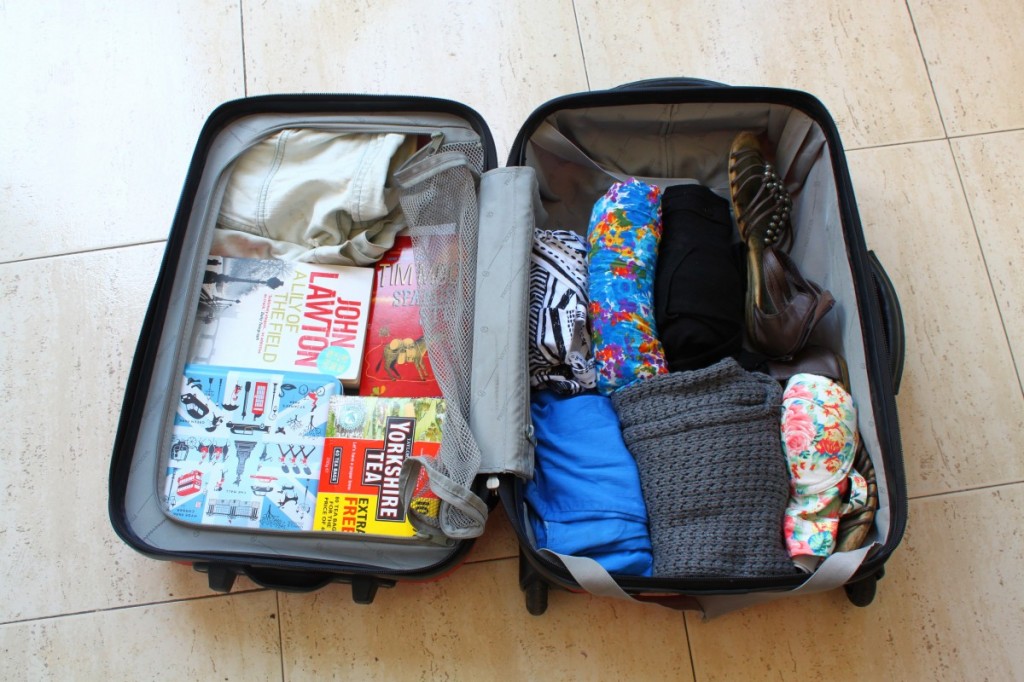
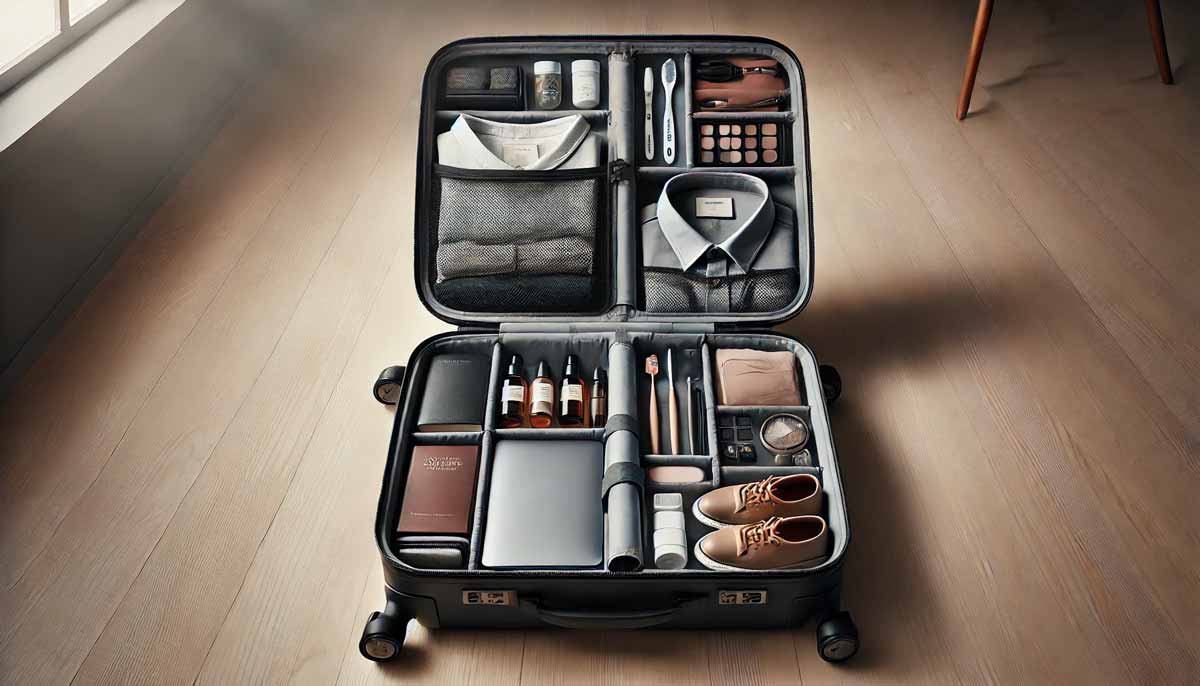
For the frequent flyer, having a carry-on checklist can be a lifesaver, ensuring that no essential item is left behind and that all security regulations are met. This might include travel documents, chargers, a portable charger, and any medications that might be needed during the flight. The key to a hassle-free travel experience lies in preparation and flexibility, understanding that airline policies can change and being ready to adapt.
Furthermore, the type of travel—whether business, leisure, or family vacation—significantly influences what is brought on board. Business travelers might prioritize laptops and presentation materials, while families might focus on entertainment devices and snacks to keep children occupied during the flight. Understanding these different needs can help airlines tailor their services and policies to better meet the demands of their diverse passenger base.
Frequently Asked Questions
What are the most common items to forget when packing for a flight?
One of the most stressful moments for travelers is realizing they've forgotten a crucial item, whether it's a passport, phone charger, or medication. Creating a checklist well in advance of the trip can mitigate this risk. Additionally, packing essentials like underwear and a change of clothes in carry-on luggage can provide peace of mind in case of unexpected delays or lost luggage.
:max_bytes(150000):strip_icc()/image-1-1-2000-eb5fdee489b6435c96102d40eced97c0.jpg)
The psychological impact of forgetting important items should not be underestimated. It can lead to anxiety and panic, setting a negative tone for the rest of the journey. By prioritizing organization and double-checking all items before leaving for the airport, travelers can reduce their risk of forgetting something vital and ensure a more enjoyable flying experience.
How do airline carry-on policies affect passengers with disabilities?
Passengers with disabilities often face unique challenges when it comes to airline carry-on policies. Medical equipment, such as wheelchairs and oxygen tanks, is generally allowed but requires advance notification to the airline. The Assistance Animal policy has also seen changes, with stricter requirements for documentation to distinguish between service animals and emotional support animals.
Understanding and accommodating the needs of passengers with disabilities is critical for ensuring equal access to air travel. Airlines must provide reasonable accommodations and clearly communicate their policies to avoid confusion or discrimination. By doing so, they can promote a more
Can you bring food and drinks on a plane?
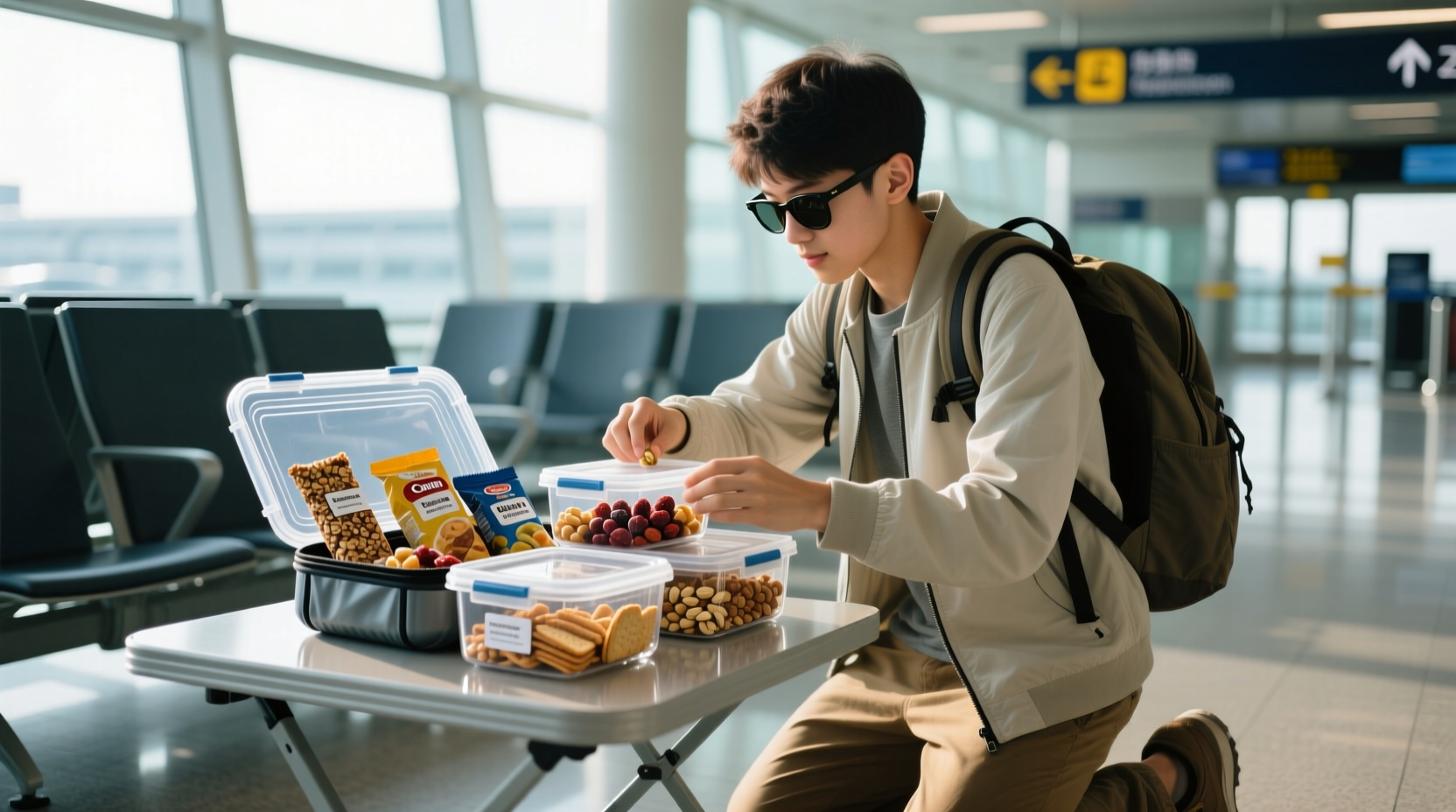
Yes, passengers are allowed to bring their own food and drinks on board, provided they comply with the 3-1-1 liquids rule and do not pose a security risk. This practice has become increasingly popular as a way to avoid the high costs of in-flight meals and snacks. However, it's essential to consider the odor and mess potential of certain foods to be respectful of fellow passengers.
/taking-food-on-a-flight-2972600_v4-5b48e7e246e0fb00373312be.png)
The rise of in-flight meal pre-ordering and special meal requests also reflects the growing demand for personalized travel experiences. Passengers with dietary restrictions or preferences can benefit from planning ahead, whether by bringing their own food or selecting from the airline's menu options. This trend highlights the evolving nature of airline services and the importance of catering to diverse passenger needs.
How have airline carry-on policies been influenced by technology and social media?
The advent of smart devices and social media has dramatically changed how we travel and what we bring on planes. The convenience of mobile check-in and digital boarding passes has streamlined the travel process, while
This digital age has also increased awareness and discussion around airline policies, with passengers more likely to share their experiences—both positive and negative—online. This feedback loop can drive change, as airlines are pressured to adapt their policies and services to meet evolving passenger expectations and preferences. The interplay between technology, social media, and airline carry-on policies will continue to shape the future of air travel.
What is the future of airline carry-on policies, considering emerging trends and technologies?
As we look to the future, advancements in biometric technology and artificial intelligence are poised to revolutionize security screening and potentially simplify what can be brought on a plane. The integration of contactless payment systems and digital identity verification could further streamline the travel experience, making it more efficient and secure.
Moreover, the sustainability movement is expected to play a larger role in shaping carry-on policies, with a focus on reducing waste and promoting eco-friendly travel practices. Airlines may incentivize passengers to bring reusable items, such as water bottles and bags, and could implement more stringent rules on single-use plastics. The future of airline carry-on policies will be a balance between security, convenience, and sustainability, reflecting broader societal values and technological advancements.
As we reflect on the complexities of what can be brought on an airplane, it becomes clear that this topic intersects deeply with our daily lives and human nature. The desire for comfort, convenience, and security while traveling is universal, yet the specifics of how these desires are met can vary greatly from person to person. Understanding and respecting these differences is key to creating a more harmonious and inclusive travel environment.
The human aspect of airline carry-on policies cannot be overstated. From the anxiety of forgetting a crucial item to the joy of discovering a new travel gadget, the emotional journey of packing and flying is filled with highs and lows. By acknowledging and addressing these emotional complexities, airlines and policymakers can work towards crafting policies that are not only practical and secure but also considerate of the human experience.
In conclusion, the question of what can be brought on an airplane is multifaceted, influenced by a mix of security concerns, cultural trends, and personal preferences. As air travel continues to evolve, driven by technological innovation and shifting societal values, so too will the policies and practices surrounding carry-on items. By embracing this evolution with empathy, flexibility, and a commitment to sustainability, we can create a future of air travel that is safer, more enjoyable, and accessible to all.


/liquids-on-a-plane-4046937-FINAL-5ba3d35d4cedfd002506643d.png)