What Can I Take On The Plane With Me
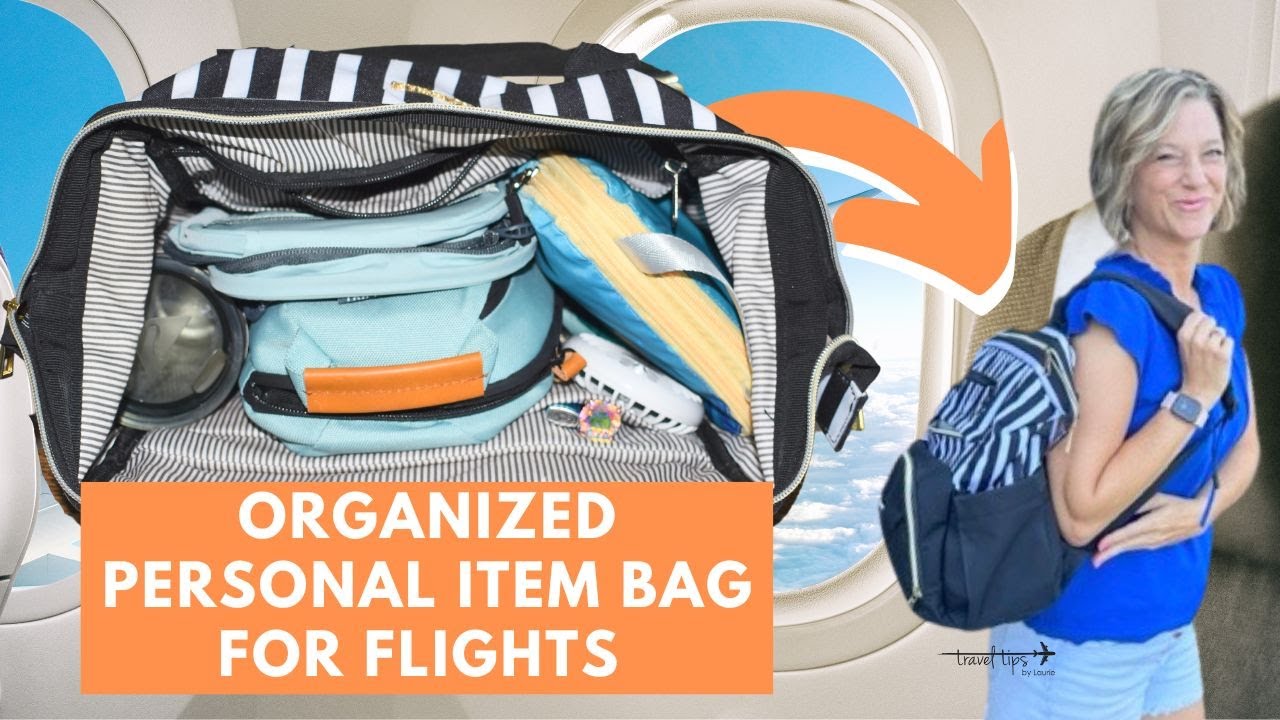
When it comes to air travel, one of the most critical aspects to consider is what you can take on the plane with you. This isn't just about convenience; it's about optimizing your travel experience to make it as comfortable and efficient as possible. Understanding what you can bring on board can significantly impact your journey, from the physiological effects of flight, such as dehydration and jet lag, to the psychological benefits of having your essential items nearby.
The basic science behind air travel restrictions involves a combination of security, safety, and logistical considerations. For instance, liquids, gels, and aerosols are restricted in carry-on bags due to potential security threats. However, understanding these rules and how to work within them can empower you to hack your travel experience. This might involve using refillable containers for toiletries, choosing multi-purpose items to reduce overall luggage, or selecting travel-sized essentials to comply with restrictions while still meeting your needs.
Moreover, the biological impact of flying, such as exposure to high altitudes and recycled air, can be mitigated by bringing certain items on board. Staying hydrated with your own refillable water bottle, using eye masks and earplugs for better sleep, and applying moisturizer to combat dry air can all contribute to a healthier, more comfortable flight. By understanding these aspects, you can take proactive steps to enhance your travel experience, making it not just about reaching your destination but also about how you feel during the journey.
Must Read
Understanding Travel Restrictions and Regulations
Diving deeper into the world of air travel, it's crucial to grasp the regulatory framework that governs what you can and cannot take on a plane. TSA guidelines in the United States, for example, strictly regulate items in carry-on and checked luggage, with specific rules for electronics, food items, and personal care products. Understanding these guidelines can help you avoid unnecessary delays or, worse, having your items confiscated. Furthermore, international flights may have additional restrictions due to customs regulations, making it essential to research your destination's rules before packing.
From a biological perspective, the items you choose to bring can significantly impact your physiological comfort during the flight. For instance, compression socks can help prevent deep vein thrombosis, a risk associated with long periods of sitting. Similarly, herbal teas or supplements like melatonin can assist with sleep, given the disruption to your circadian rhythms caused by flying across time zones. This combination of understanding regulations and biological needs can help you make informed decisions about what to pack.
In addition to these considerations, technology also plays a significant role in what you can take on a plane. Laptops and liquids often require separate screening, and portable chargers for your devices can be a lifesaver during long flights or layovers. Moreover, downloaded entertainment on your devices can help pass the time, but be sure to comply with in-flight electronics use policies. By considering these factors, you can optimize your travel experience to be more enjoyable, comfortable, and efficient.

Practical Strategies for Mastering Air Travel
Another critical aspect is planning ahead for your flight. This includes checking the weather of your destination to pack appropriately, as well as researching your airline's policies on carry-on items, checked baggage, and in-flight amenities. Downloading airline apps can also provide you with real-time updates, boarding passes, and sometimes even the ability to select your seat or book upgrades. By being prepared, you can navigate the travel process more smoothly and make informed decisions about what to bring.
Physical comfort during the flight is also paramount. Bringing a travel pillow or using inflatable footrests can significantly improve your seating experience, especially on long-haul flights. Moreover, dressing comfortably in layers can help you adjust to the often fluctuating cabin temperatures. Considering these practical strategies can help you master the art of packing and preparing for air travel, ensuring your journey is as enjoyable as possible.
Lastly, mental preparation is key to a successful flight. This might involve meditation or deep breathing exercises to calm pre-flight nerves, as well as bringing entertainment like books, puzzles, or a fully loaded tablet to keep your mind engaged. For those prone to anxiety, knowing what to expect and having a travel buddy can provide additional comfort and support. By combining physical and mental preparation, you can approach air travel with confidence and a positive attitude.
/taking-food-on-a-flight-2972600_v4-5b48e7e246e0fb00373312be.png)
Frequently Asked Questions
What Are the Liquids, Gels, and Aerosols Restrictions?
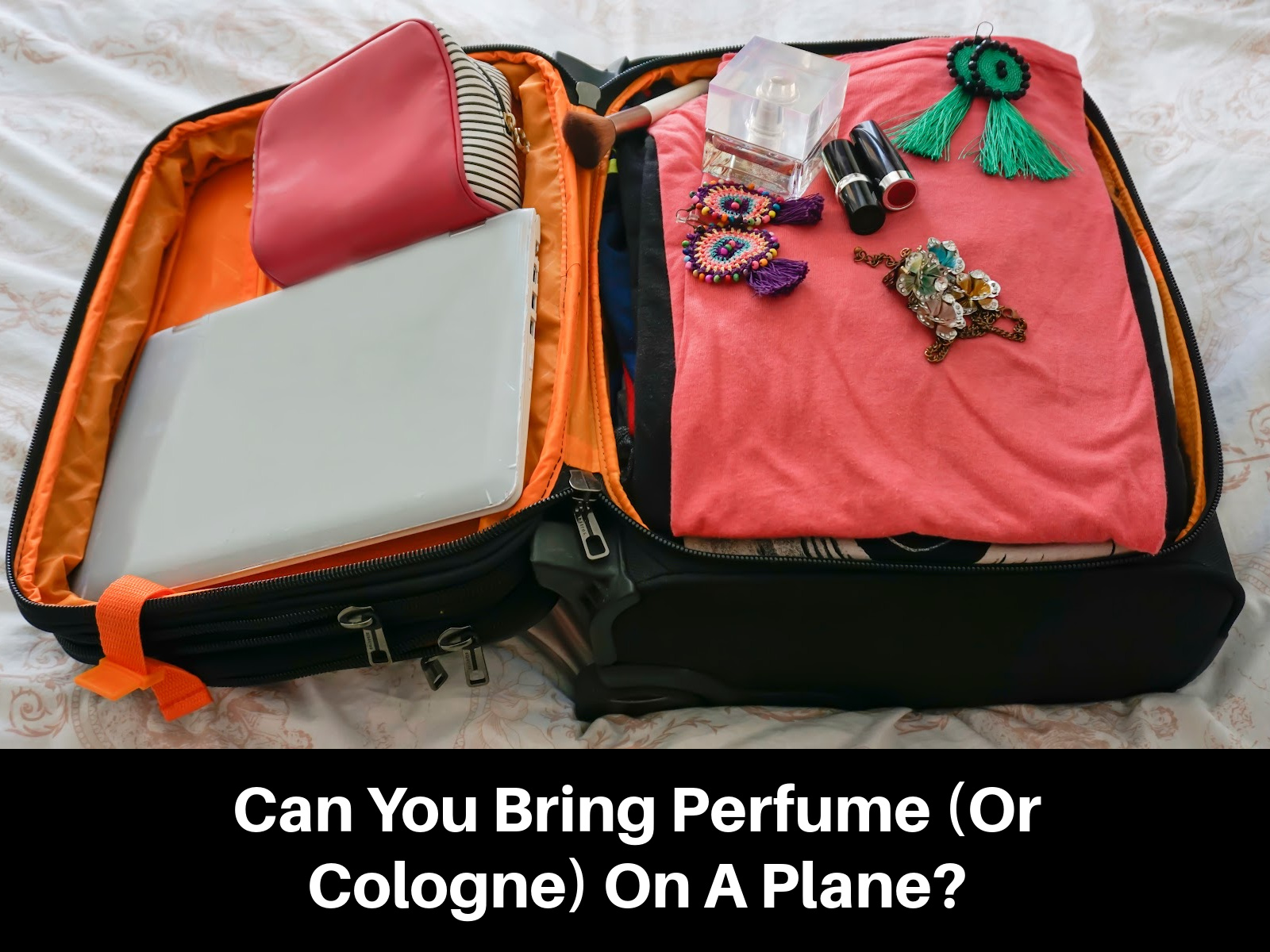
The restrictions on liquids, gels, and aerosols in carry-on bags are in place due to security concerns. Essentially, these items must be in containers of 3.4 ounces (100 milliliters) or less and fit in a clear, quart-sized zip-top bag. This rule applies to items like shampoos, conditioners, lotions, and toothpaste. However, there are exceptions for medications and baby formula, which can be carried in reasonable quantities, though they may require additional screening.
Practically, this means you should plan ahead and either pack these items in your checked luggage or purchase travel-sized versions that comply with the restrictions. For items that don't fit in a zip-top bag, like contact lens solution or breast milk, inform the TSA officer before screening, as these may require special handling. Understanding these restrictions can help you avoid delays and ensure a smoother security process.
How Do I Keep My Electronics Safe and Charged?
Safeguarding your electronic devices is crucial during travel. This involves not only protecting them from physical damage but also ensuring they remain charged throughout your journey. Consider investing in a protective case for your phone or tablet and a portable power bank to keep your devices charged, especially during long flights or when power outlets are scarce.
In terms of security, be mindful of your electronics in public areas, such as airports or train stations, where theft can be a concern. Keeping a close eye on your belongings and using locking devices for your luggage can provide an added layer of protection. Moreover, backing up your data before travel can ensure that your important information is safe, even if your device is lost or compromised.

What Are the Best Items to Bring for Comfort During the Flight?
Enhancing your comfort during the flight can significantly impact your travel experience. Bringing items like eye masks, earplugs, and a travel pillow can help you sleep better, reducing the effects of jet lag and making the flight more enjoyable. Additionally, moisturizer and lip balm can help combat the dry air, while comfortable clothing and slippers can make your travel experience more relaxing.
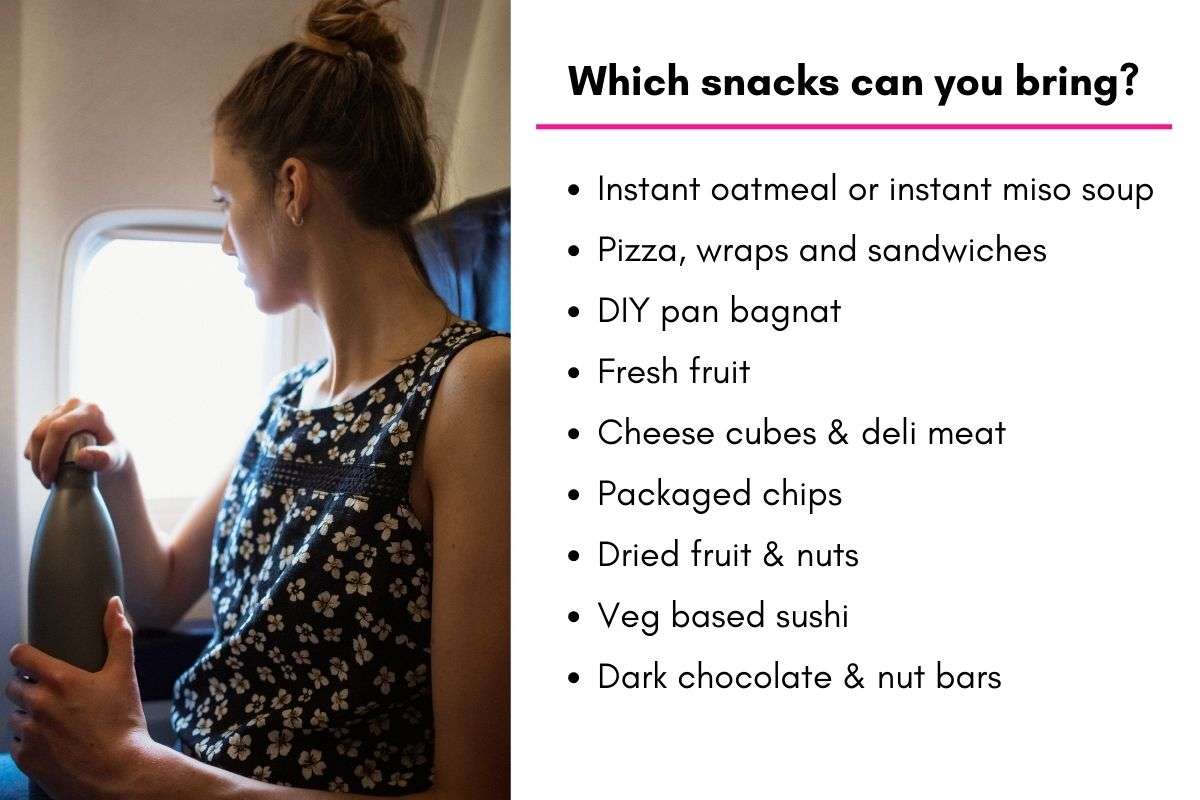
Furthermore, staying hydrated is essential. Bringing a refillable water bottle through security (after it's been emptied) and filling it up before boarding can help you avoid relying on limited in-flight water servings. Also, choosing snacks wisely, opting for nuts, fruits, or energy bars that are nutritious and less likely to cause discomfort during the flight, can keep your energy levels up without feeling bloated or uncomfortable.
How Do I Manage Jet Lag and Fatigue?
Jet lag and fatigue are common issues for travelers crossing multiple time zones. To mitigate these effects, consider adjusting your sleep schedule a few days before your trip to align with your destination's time zone. This might involve going to bed earlier or later, depending on whether you're traveling east or west. Additionally, exposure to natural light upon arrival can help your body adjust to the new time zone more quickly.
During the flight, stay active by getting up to stretch or walk the aisles periodically, which can help reduce the risk of blood clots and stiffness. After arrival, try to stay awake until the local bedtime to help your body adjust faster. If necessary, melatonin supplements can be used under the guidance of a healthcare provider to aid in sleep regulation. By taking these proactive steps, you can minimize the impact of jet lag and enjoy your trip more fully.

Can I Bring My Own Food Onboard?
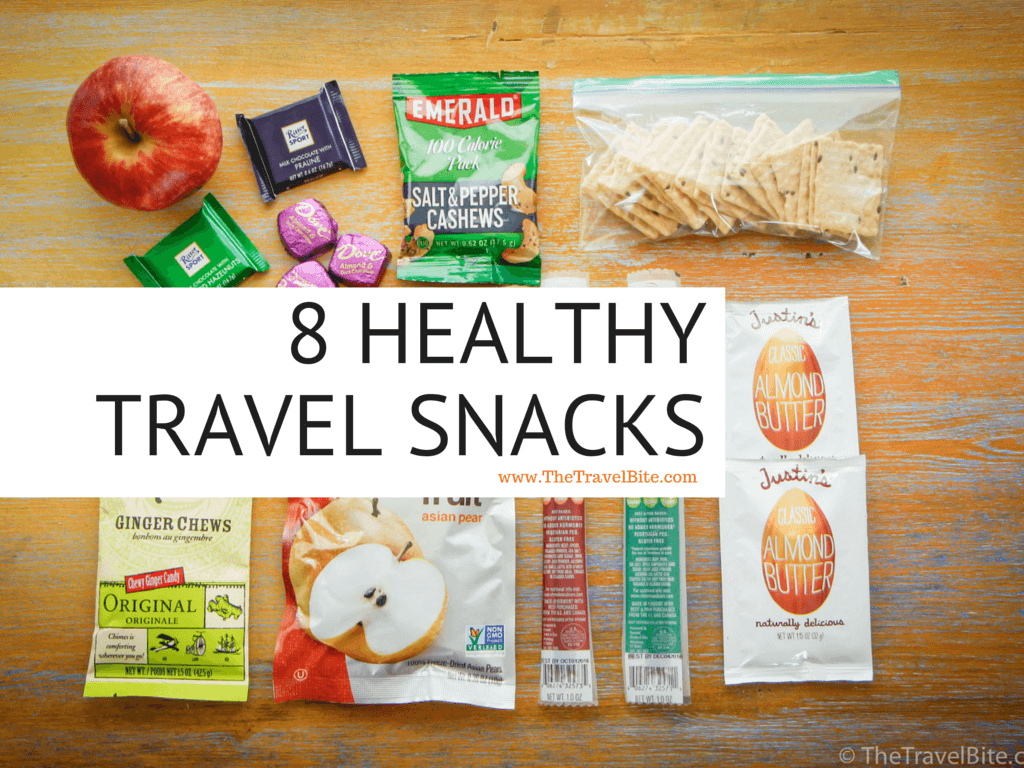
Yes, you can bring your own food onboard most flights, provided it complies with security regulations and doesn't have a strong odor that might disturb other passengers. Bringing your own snacks can be especially useful for managing dietary restrictions or preferences, such as vegetarian, gluten-free, or kosher options, which might not always be available as part of the in-flight meal service.
When choosing what to bring, consider non-perishable items that are easy to eat in a confined space, such as energy bars, fresh fruits, nuts, or jerky. Avoid messy or smelly foods that could be disturbing to fellow passengers. Also, be aware that liquids and gels in food items, like yogurts or sauces, are subject to the 3-1-1 liquids rule if carried in containers over 3.4 ounces. By bringing your own snacks, you can ensure you have options that fit your needs and preferences, making your flight more enjoyable.
Embracing the science and practical strategies behind what you can take on a plane empowers you to transform your travel experience. By respecting the biological and physical aspects of air travel, from the effects of high altitudes to the importance of staying hydrated, you can make informed decisions about what to pack and how to prepare. This not only ensures a smoother, more comfortable journey but also reflects a deeper understanding of how our daily choices can optimize our health, comfort, and productivity.
Ultimately, mastering the art of what to take on a plane is about more than just following rules or checking boxes; it's about cultivating a mindset that values preparation, comfort, and resilience. By applying these principles, you don't just become a better traveler; you become more adept at navigating life's challenges with grace, efficiency, and a keen sense of how to make the most of any situation. Whether you're a seasoned traveler or embarking on your first journey, the knowledge of what to pack and how to prepare can be a powerful tool, transforming each flight into an opportunity for growth, relaxation, and adventure.