What Can I Take In Carry On Luggage
The art of packing carry-on luggage has become a delicate dance, a balancing act between bringing what you need and avoiding the dreaded "gate check." As we navigate the increasingly complex world of air travel, it's essential to understand what can be taken in carry-on luggage. From the Transportation Security Administration (TSA) guidelines to the unwritten rules of the sky, the rules are constantly evolving. In this article, we'll delve into the fascinating world of carry-on luggage, exploring its history, psychological aspects, and practical insights.
In the early days of commercial air travel, passengers were allowed to bring relatively large items on board, including full-sized luggage and even live animals. However, as air travel became more accessible and security concerns grew, the rules began to change. Today, the TSA has strict guidelines in place, dictating what can and cannot be taken in carry-on luggage. But why does it matter? The answer lies in the intersection of convenience and security. As travelers, we want to bring what we need to stay comfortable and entertained during our journey, but we also need to ensure that our belongings don't pose a threat to the safety of the flight.
Understanding the Rules
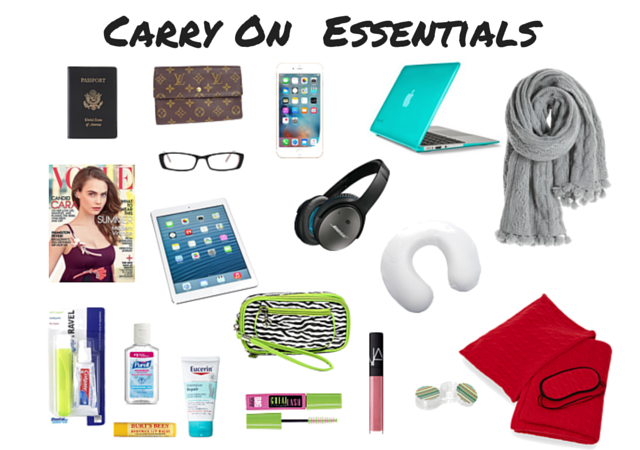
So, what can you take in carry-on luggage? The answer is not always straightforward. The TSA allows liquids, gels, and aerosols in containers of 3.4 ounces or less, as long as they fit in a clear, quart-sized zip-top bag. But what about electronic devices? Can you bring your laptop, tablet, or portable charger? The answer is yes, but be prepared to remove them from your carry-on bag and place them in a bin for screening. And then there are the prohibited items, including sharp objects, firearms, and explosives. It's essential to check the TSA's website before your flight to ensure you're not bringing anything that could get you in trouble.
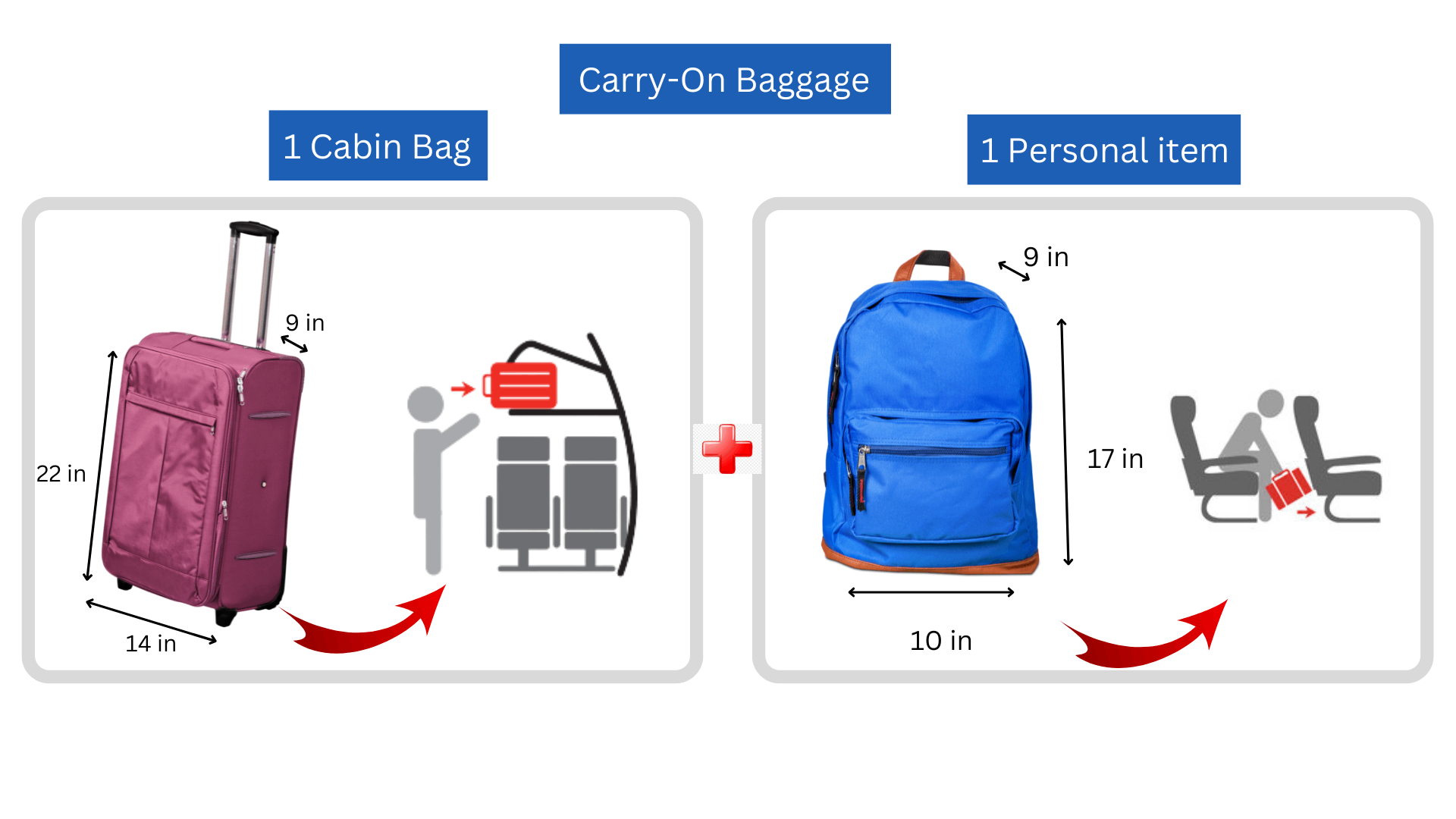
But the rules are not just about security; they're also about convenience. Airlines have strict guidelines in place to ensure that carry-on bags fit in the overhead bins or under the seat in front of you. And then there's the issue of size. Can you bring a full-sized backpack or a large duffel bag? The answer depends on the airline and the
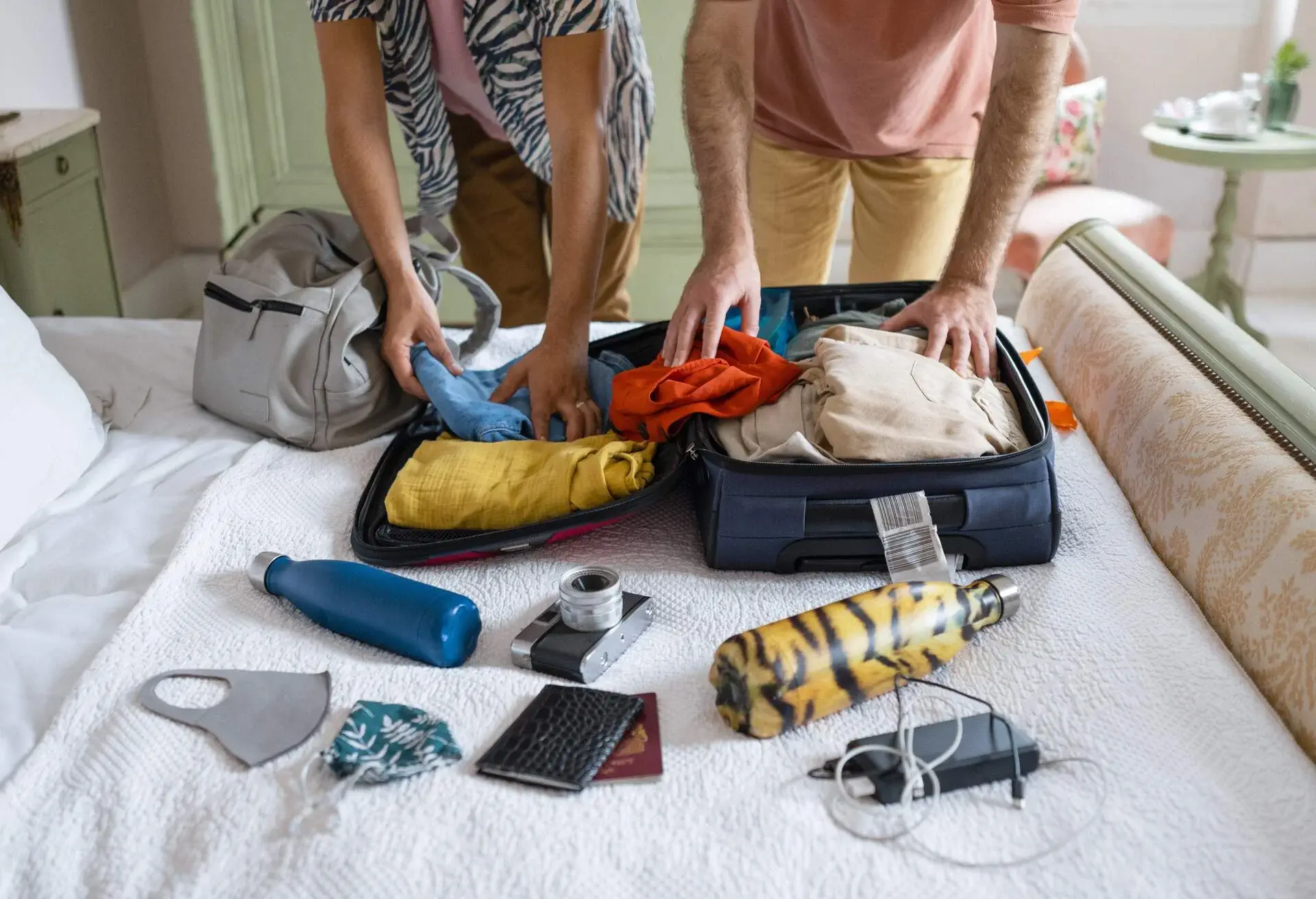
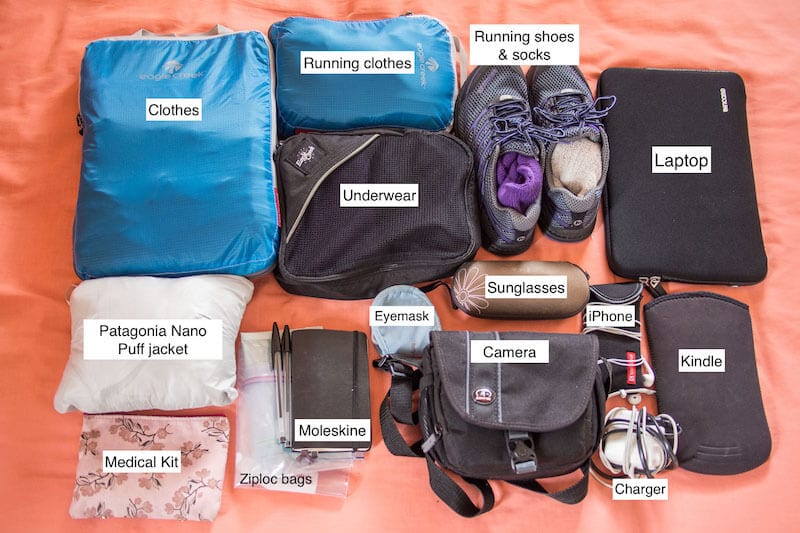
Despite the rules, there's still room for creativity when it comes to packing your carry-on luggage. Many travelers have developed clever hacks to maximize space and bring what they need. From packing cubes to compression bags, there are many tools available to help you make the most of your carry-on space. And then there's the art of layering, where you wear your heaviest or bulkiest items, like your coat or boots, to save space in your carry-on bag.
Real-Life Scenarios
So, how do the rules play out in real-life scenarios? Let's say you're a business traveler who needs to bring a laptop and portable charger on board. You'll need to remove them from your carry-on bag and place them in a bin for screening. But what if you're a family traveler with diaper bags and strollers? You'll need to check with your airline to see if you can bring these items on board or if they need to be gate-checked. And then there are the international travelers who need to navigate different security protocols and customs regulations.

One scenario that's becoming increasingly common is the digital nomad who needs to bring a large laptop and multiple devices on board. These travelers often need to purchase additional storage or invest in specialized carry-on bags that can accommodate their gear. And then there are the adventure travelers who need to bring specialized equipment, like rock climbing gear or scuba diving equipment. These travelers often need to check with their airline to see if they can bring these items on board or if they need to be shipped separately.
Another scenario that's worth considering is the traveler with disabilities who needs to bring specialized equipment, like wheelchairs or oxygen tanks. These travelers often need to notify their airline in advance to ensure that they can accommodate their needs. And then there are the travelers with medical conditions who need to bring medications or medical equipment on board. These travelers often need to carry a doctor's note or medical certificate to ensure that they can bring their necessary items on board.
Finally, there's the scenario of the last-minute traveler who needs to pack quickly and efficiently. These travelers often need to rely on carry-on bags to ensure that they can bring what they need without checking a bag. And then there's the issue of packing for unpredictable weather, where travelers need to bring layers and versatile clothing to ensure that they're prepared for any situation.
Frequently Asked Questions
What are the TSA's rules for carrying liquids, gels, and aerosols in carry-on luggage?
The TSA allows liquids, gels, and aerosols in containers of 3.4 ounces or less, as long as they fit in a clear, quart-sized zip-top bag. However, there are some exceptions, like medications and baby formula, which are allowed in larger quantities. It's essential to check the TSA's website for the most up-to-date information on prohibited items and exemptions. Additionally, travelers should be aware that some items, like toiletries and cosmetics, may be subject to additional screening or testing.
:max_bytes(150000):strip_icc()/tsa-liquid-rules-carry-on-checked-bag-TSALIQUIDS0622-841fded886324b3e99b7713c8b8ae94b.jpg)
One of the most common mistakes travelers make is not declaring liquids, gels, and aerosols at security checkpoints. This can result in delays and even fines. To avoid this, travelers should make sure to declare all liquids, gels, and aerosols and follow the TSA's guidelines for packaging and screening. By being aware of the rules and taking the necessary precautions, travelers can ensure a smooth and stress-free security screening process.
Can I bring my laptop and portable charger in carry-on luggage?
Yes, you can bring your laptop and portable charger in carry-on luggage, but you'll need to remove them from your carry-on bag and place them in a bin for screening. This is to ensure that they can be properly screened and cleared for security. Additionally, you should be aware that some laptops and portable chargers may be subject to additional screening or testing, so it's essential to check with your airline and the TSA's website for the most up-to-date information.
One of the most important things to consider when bringing electronics in carry-on luggage is protecting them from damage. Travelers should invest in high-quality cases and padding to ensure that their devices are secure and protected during the flight. Additionally, travelers should be aware of the airport's power outlets and charging stations to keep their devices charged and ready throughout their journey.
What are the airline's rules for carry-on bag size and weight?
The airline's rules for carry-on bag size and weight vary depending on the airline and type of aircraft. However, most airlines have strict guidelines in place to ensure that carry-on bags fit in the overhead bins or under the seat in front of you. Travelers should check with their airline before their flight to ensure that their carry-on bag meets the size and weight requirements. Additionally, travelers should be aware that some airlines may have additional fees for larger or heavier carry-on bags.
One of the most common mistakes travelers make is not checking the airline's rules before their flight. This can result in delays and even fines. To avoid this, travelers should make sure to check the airline's website and contact their customer service to confirm the carry-on bag size and weight requirements. By being aware of the rules and taking the necessary precautions, travelers can ensure a smooth and stress-free boarding process.
Can I bring specialized equipment, like rock climbing gear or scuba diving equipment, in carry-on luggage?
It depends on the airline and type of equipment. Some airlines may allow specialized equipment in carry-on luggage, while others may require it to be checked or shipped separately. Travelers should check with their airline before their flight to ensure that they can bring their equipment on board. Additionally, travelers should be aware that some equipment may be subject to additional screening or testing, so it's essential to check with the TSA's website for the most up-to-date information.
One of the most important things to consider when bringing specialized equipment in carry-on luggage is protecting it from damage. Travelers should invest in high-quality cases and padding to ensure that their equipment is secure and protected during the flight. Additionally, travelers should be aware of the airport's storage and handling procedures to ensure that their equipment is properly stored and handled throughout their journey.
What are the rules for carrying medications and medical equipment in carry-on luggage?
The rules for carrying medications and medical equipment in carry-on luggage vary depending on the type of medication or equipment. However, most airlines and the TSA allow medications and medical equipment in carry-on luggage, as long as they are properly packaged and declared. Travelers should check with their airline and the TSA's website for the most up-to-date information on prohibited items and exemptions. Additionally, travelers should be aware that some medications and medical equipment may be subject to additional screening or testing, so it's essential to check with their doctor and the TSA's website for the most up-to-date information.
:max_bytes(150000):strip_icc()/carrry-on-bags-size-weight-limits-1861874_final-5c7ed492c9e77c000136a81a.png)
One of the most common mistakes travelers make is not declaring medications and medical equipment at security checkpoints. This can result in delays and even fines. To avoid this, travelers should make sure to declare all medications and medical equipment and follow the TSA's guidelines for packaging and screening. By being aware of the rules and taking the necessary precautions, travelers can ensure a smooth and stress-free security screening process.
Connecting to Our Daily Lives
So, how does the topic of carry-on luggage connect to our daily lives? The answer lies in the intersection of convenience and security. As travelers, we want to bring what we need to stay comfortable and entertained during our journey, but we also need to ensure that our belongings don't pose a threat to the safety of the flight. This delicate balance is a microcosm of our daily lives, where we constantly navigate between convenience and responsibility.
The art of packing carry-on luggage is also a reflection of our personalities. Are you a meticulous planner who packs everything you need, or a last-minute traveler who relies on instinct and adaptability? The way we pack our carry-on luggage says a lot about our approach to life and our values. By being aware of our own packing style and habits, we can gain insight into our own strengths and weaknesses and develop strategies for improvement.
Finally, the topic of carry-on luggage connects to our daily lives in the sense that it reflects our relationship with consumerism. As travelers, we're often tempted to overpack and bring everything we might need, rather than traveling light and living simply. By being mindful of our packing habits and the environmental impact of our travel, we can develop a more sustainable approach to travel and reduce our waste. By making conscious choices about what we pack and how we travel, we can create a more balanced and responsible approach to our daily lives.

:max_bytes(150000):strip_icc()/liquids-on-a-plane-4046937-FINAL-5ba3d35d4cedfd002506643d.png)