What Can I Take And Not Take On A Plane
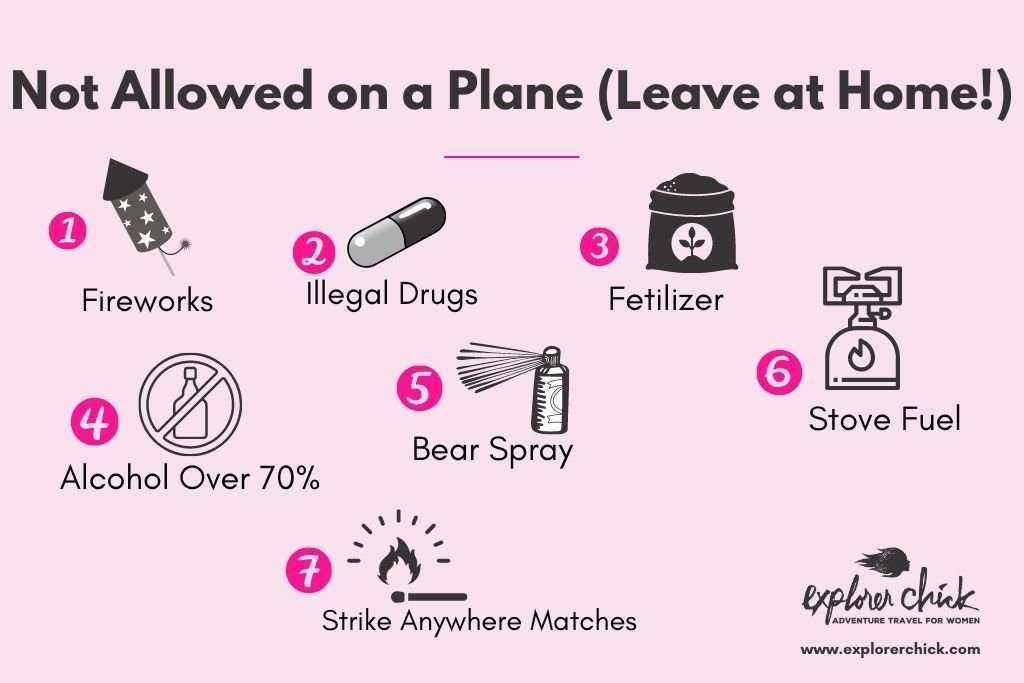
Let's face it, flying can be a real hassle, especially when it comes to figuring out what you can and can't take on a plane. It's like trying to pack a suitcase for a weekend getaway, but instead of wondering if you should bring that extra pair of shoes, you're worried about whether your favorite shampoo will make it through security. To avoid any trouble, it's essential to know the rules and regulations.
Knowing the Basics
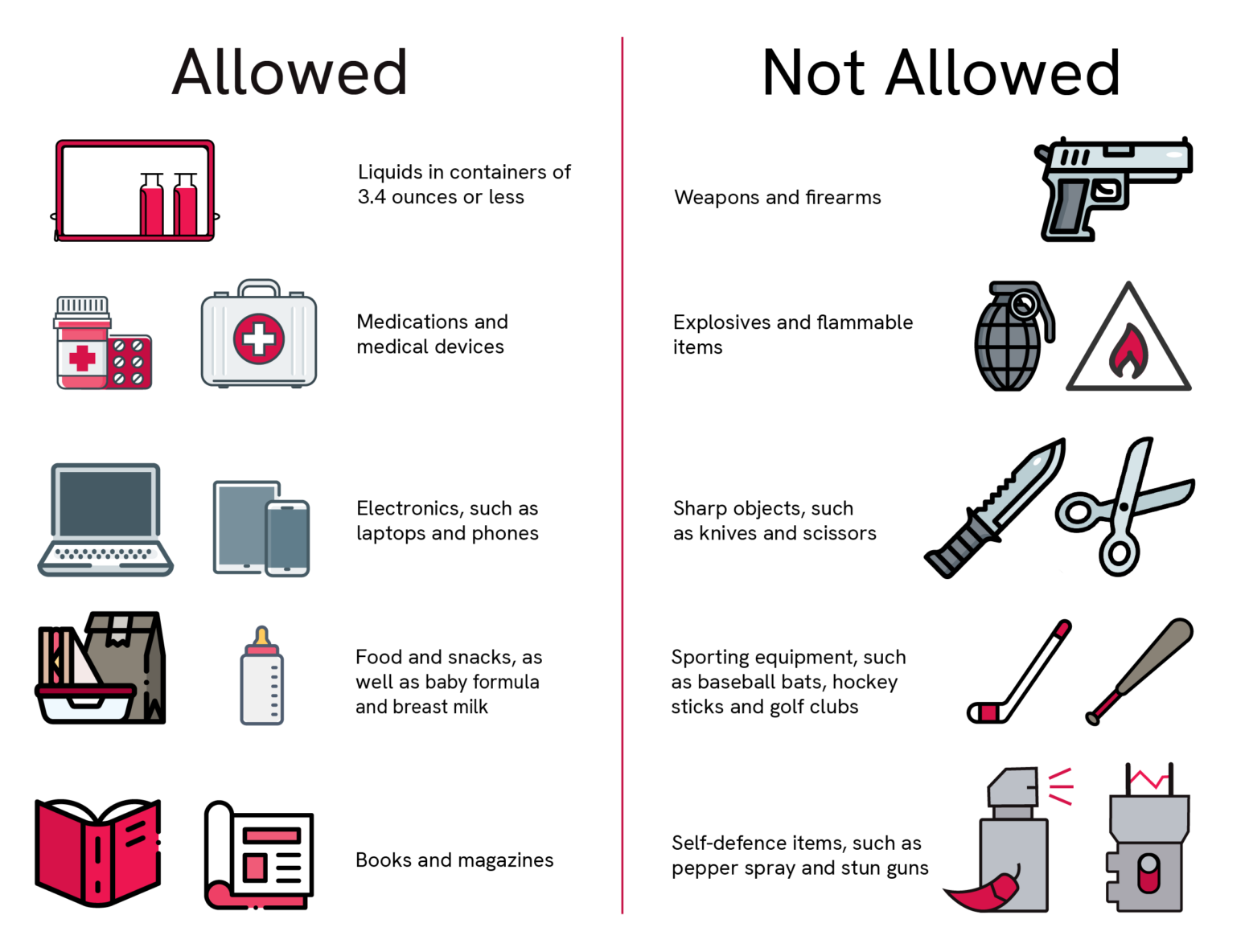
Before we dive into the nitty-gritty, it's crucial to understand that the TSA (Transportation Security Administration) has a list of prohibited items that you can't bring on a plane. These include things like liquids, gels, and aerosols in containers larger than 3.4 ounces, as well as sharp objects like scissors and knives. It's like packing a lunch for school, you want to make sure you're not bringing anything that could get you in trouble.
Liquids, Gels, and Aerosols
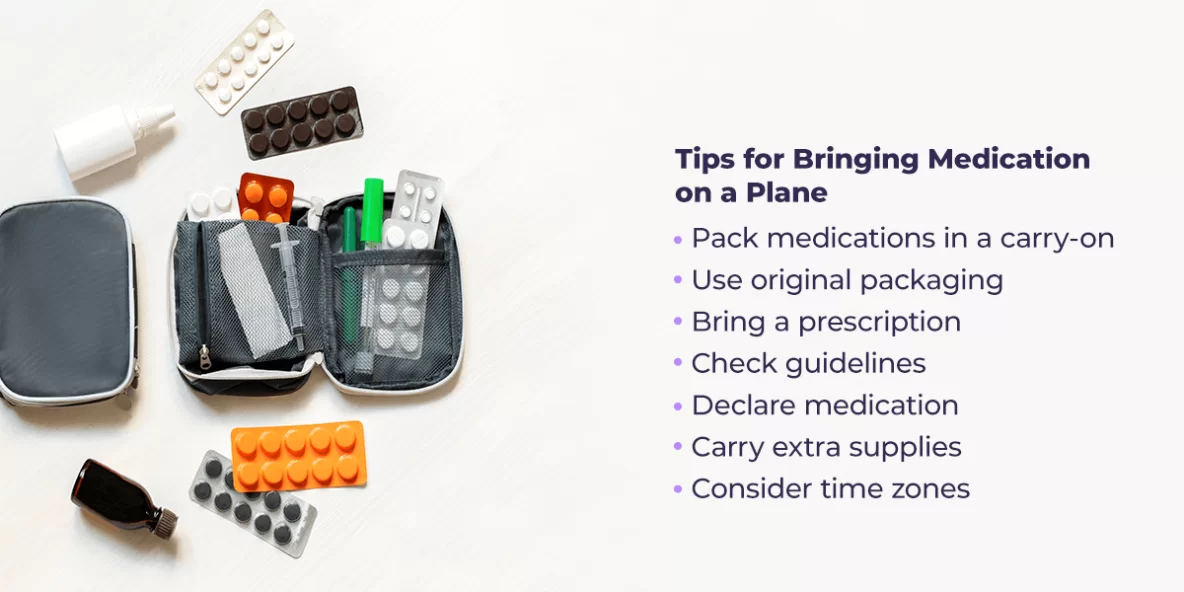
So, what exactly falls under the liquids, gels, and aerosols category? Think toothpaste, shampoo, conditioner, and lotion - all the essentials you need to feel fresh and clean. However, if you have a medication that's in a liquid or gel form, you're in the clear, just make sure to declare it at security. It's like having a special exception, like a get-out-of-jail-free card.
Must Read
- Heart Of Mexico City Football: Pinpointing The Azteca Stadium Location
- Guadalajara Stadium Parking Guide: Avoid The Matchday Traffic
- Houston Stadium Bag Policy: Clear Bag Rules For Visitors
- Sofi Stadium Capacity: How Many Fans It Can Hold
- Reliant Stadium Parking: A Guide To The Old Name And Current Venue
Now, let's talk about electronics. You can bring your phone, laptop, and tablet on a plane, but you'll need to remove them from your carry-on bag and put them in a separate bin at security. It's like taking off your shoes, you just have to do it. And, if you have any batteries or power banks, make sure they're protected and won't cause any issues.
Special Items
Sometimes, you might have special items that you need to bring on a plane, like a musical instrument or a medical device. In these cases, it's best to check with the airline ahead of time to see if there are any specific rules or regulations you need to follow. It's like calling ahead to a restaurant to make sure they have your favorite food, you want to be prepared.

Additionally, if you have a food allergy or special dietary needs, you can bring your own snacks on a plane. Just make sure to check with the airline first to see if there are any restrictions. It's like packing a lunch for a road trip, you want to make sure you have everything you need to stay happy and healthy.
Why It Matters
So, why should you care about what you can and can't take on a plane? Well, for one, it's all about safety. The TSA has rules in place to protect everyone on the plane, and by following them, you're helping to keep everyone safe. It's like wearing a seatbelt in a car, you want to be protected in case something unexpected happens.
:max_bytes(150000):strip_icc()/liquids-on-a-plane-4046937-FINAL-5ba3d35d4cedfd002506643d.png)
Finally, it's also about convenience. By knowing what you can and can't take on a plane, you can avoid any hassles or delays at security. It's like packing a carry-on bag, you want to make sure you have everything you need, but you also don't want to overpack and have to deal with the consequences.
In conclusion, knowing what you can and can't take on a plane is essential for a smooth and stress-free flight. By understanding the rules and regulations, you can avoid any issues and just enjoy your trip. So, next time you're packing for a flight, remember to check the TSA website and make sure you're prepared for a hassle-free flight.
:max_bytes(150000):strip_icc()/taking-food-on-a-flight-2972600_v4-5b48e7e246e0fb00373312be.png)