What Can I Bring Through Airport Security

As we navigate the ever-changing landscape of air travel, one question remains constant: what can I bring through airport security? It's a query that has puzzled and frustrated travelers for decades, with its roots tracing back to the dawn of commercial air travel. The first commercial flights took to the skies in the early 20th century, and with them, the need for security protocols arose. Over the years, these protocols have evolved to address emerging threats, resulting in the complex and sometimes baffling system we encounter today.
In today's world, understanding what can be brought through airport security is crucial for a stress-free travel experience. The consequences of not knowing can range from minor inconveniences, such as having to dispose of certain items, to more serious issues, including missing flights or even facing legal repercussions. The significance of this knowledge extends beyond personal convenience, reflecting broader themes of security, freedom, and the balance between the two. As air travel continues to be a vital part of global connectivity, grasping these regulations is not just practical but also culturally relevant.
Understanding Airport Security Regulations
The history of airport security is marked by significant milestones, each reflecting a response to a particular threat or incident. From the hijackings of the 1960s and 1970s to the tragic events of 9/11, each major incident has led to a overhaul and tightening of security measures. Today, the Transportation Security Administration (TSA) in the United States, along with its counterparts around the world, oversees and implements these regulations. A key aspect of understanding what can be brought through airport security involves familiarizing oneself with the 3-1-1 liquids rule, which dictates that liquids, gels, and aerosols must be in containers of 3.4 ounces or less, fit in a clear quart-sized zip-top bag, with only one bag allowed per passenger.
Must Read
Beyond the 3-1-1 rule, awareness of prohibited items is essential. These include obvious threats like firearms and knives but also less apparent items such as certain types of scissors, tools, and even some sporting goods. The TSA provides detailed lists and guidelines, but the ever-changing nature of these regulations means staying informed is an ongoing process. Moreover, the psychological aspect of airport security should not be overlooked. The process of passing through security checkpoints can be stressful and intimidating, especially for those who are unaware of the rules or have had negative experiences in the past.
Culturally, airport security reflects the global community's response to terrorism and crime. It represents a collective effort to ensure safety while respecting individual rights and freedoms. Despite the frustrations it may cause, airport security is a testament to how societies adapt and respond to challenges, balancing the need for security with the demand for efficient and respectful travel processes. This balance is not always easy to achieve, as evidenced by ongoing debates about privacy, profiling, and the impact on different communities.
Navigating Security Checks with Ease
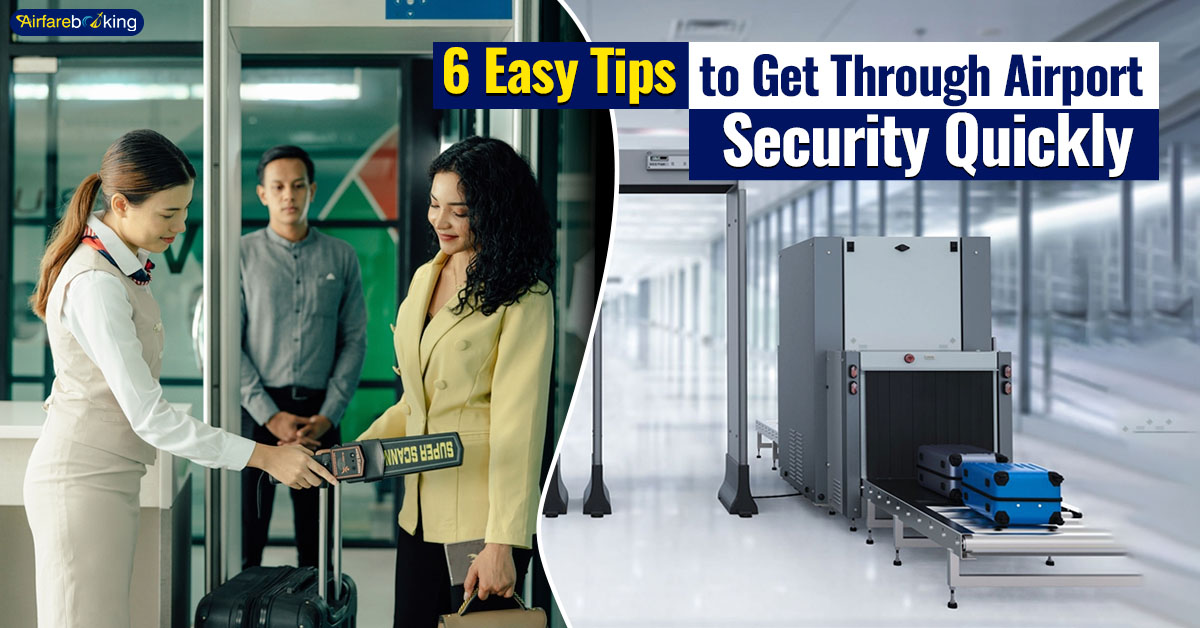
When preparing for a flight, understanding what can and cannot be brought through airport security is crucial. This involves not just familiarizing oneself with the rules but also adopting strategies to make the security process smoother. Wearing easy-to-remove shoes, avoiding clothing with metal parts, and keeping electronic devices ready for inspection can significantly reduce wait times. Furthermore, programs like TSA PreCheck offer expedited screening for trusted travelers, making the process even more efficient for those who enroll.

Case studies of successful navigation through airport security often highlight the importance of planning and preparation. Travelers who research, pack accordingly, and arrive early at the airport tend to have more positive experiences. This preparation extends to understanding the security protocols of specific airports, as regulations can vary slightly from one location to another. Additionally, being aware of one's rights and how to politely but firmly assert them can make a significant difference in cases of confusion or disagreement with security personnel.
For international travelers, the rules can become even more complex. Different countries have different regulations, and what might be permissible in one nation could be strictly forbidden in another. Researching these regulations before embarking on a trip is essential to avoid any potential issues. It's also worth noting that some items, though allowed, might require special screening or declaration, such as certain types of food or plant materials.
Finally, considering the emotional and psychological aspects of air travel can also play a significant role in navigating airport security with ease. Managing stress and anxiety through relaxation techniques, staying hydrated, and maintaining a positive attitude can make the experience less daunting. Moreover, being respectful and cooperative with security personnel can go a long way in ensuring a smooth and pleasant interaction.
Frequently Asked Questions
What are the most common items people try to bring through airport security that they shouldn't?
The list of prohibited items is extensive and includes weapons, sharp objects, and certain tools. However, among the most common mistakes are attempting to bring liquids in excess of 3.4 ounces without proper declaration or packaging, and carrying sharp objects like scissors or knitting needles in carry-on bags. It's also not uncommon for travelers to forget about the restrictions on sporting goods and equipment, such as baseball bats or golf clubs, which are generally allowed in checked luggage but not in carry-on.
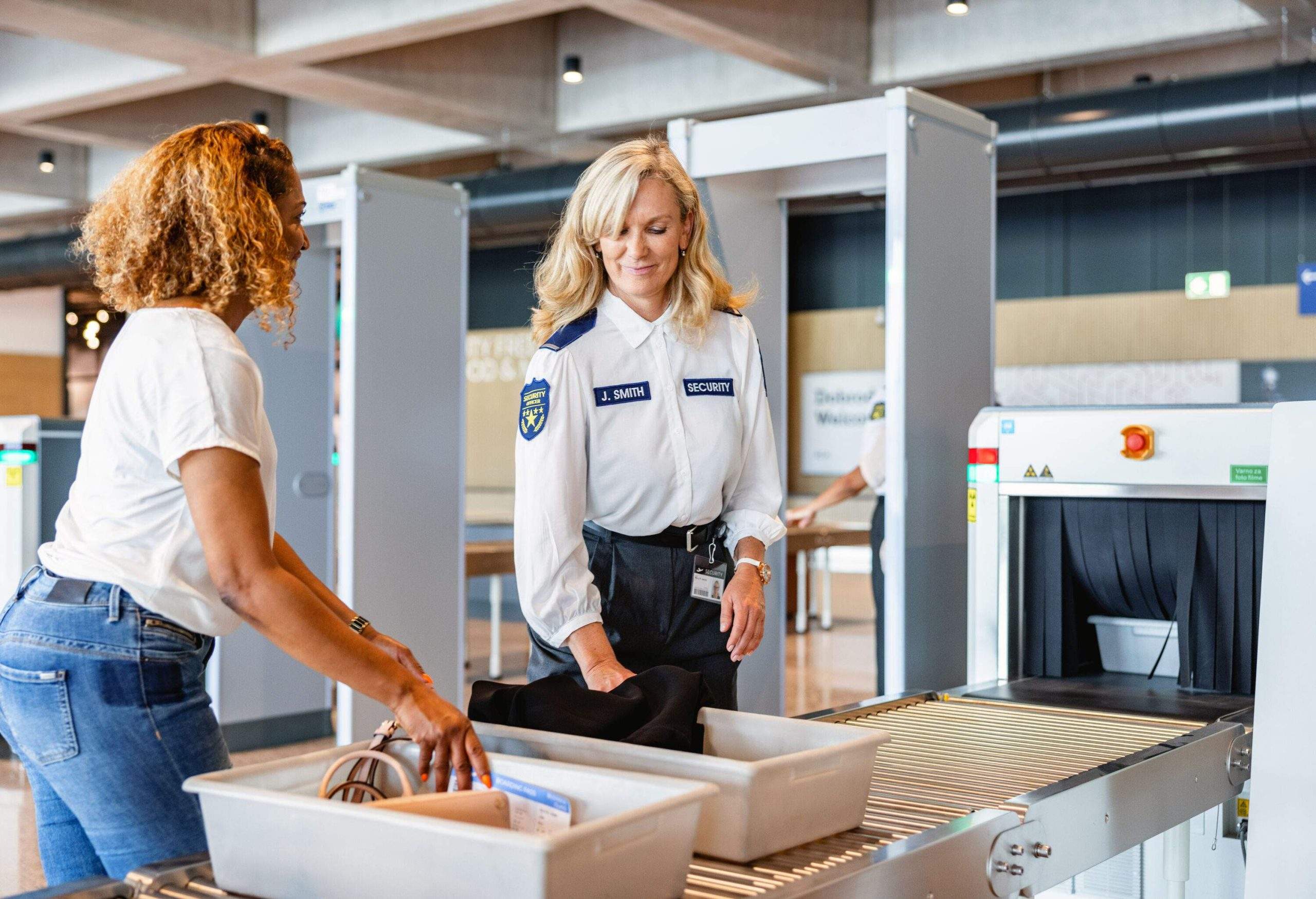
Understanding these restrictions is key to avoiding issues at security checkpoints. The TSA and other security agencies regularly update their lists of prohibited items based on emerging threats and changes in security protocols. Thus, staying informed is vital for all travelers. Moreover, the consequences of trying to bring prohibited items through security can range from disposing of the item to facing fines or even arrest, depending on the nature of the item and the intent behind bringing it.
Can I bring my pet through airport security, and what are the rules?
For many travelers, their pets are considered part of the family, and the thought of leaving them behind can be distressing. Fortunately, small pets can often be brought through airport security in approved carriers that fit under the seat in front of the passenger. However, larger pets may need to travel as checked baggage or cargo, depending on the airline's policies and the size and type of the pet.
The process involves informing the airline in advance and complying with specific regulations regarding pet carriers, health certificates, and travel permits. It's also essential to research the destination's laws and regulations concerning animal importation to avoid any complications upon arrival. Additionally, considering the well-being of the pet during travel is crucial, including ensuring they are comfortable, calm, and receive the necessary care during the flight.
How do I pack my electronics to get through airport security quickly?
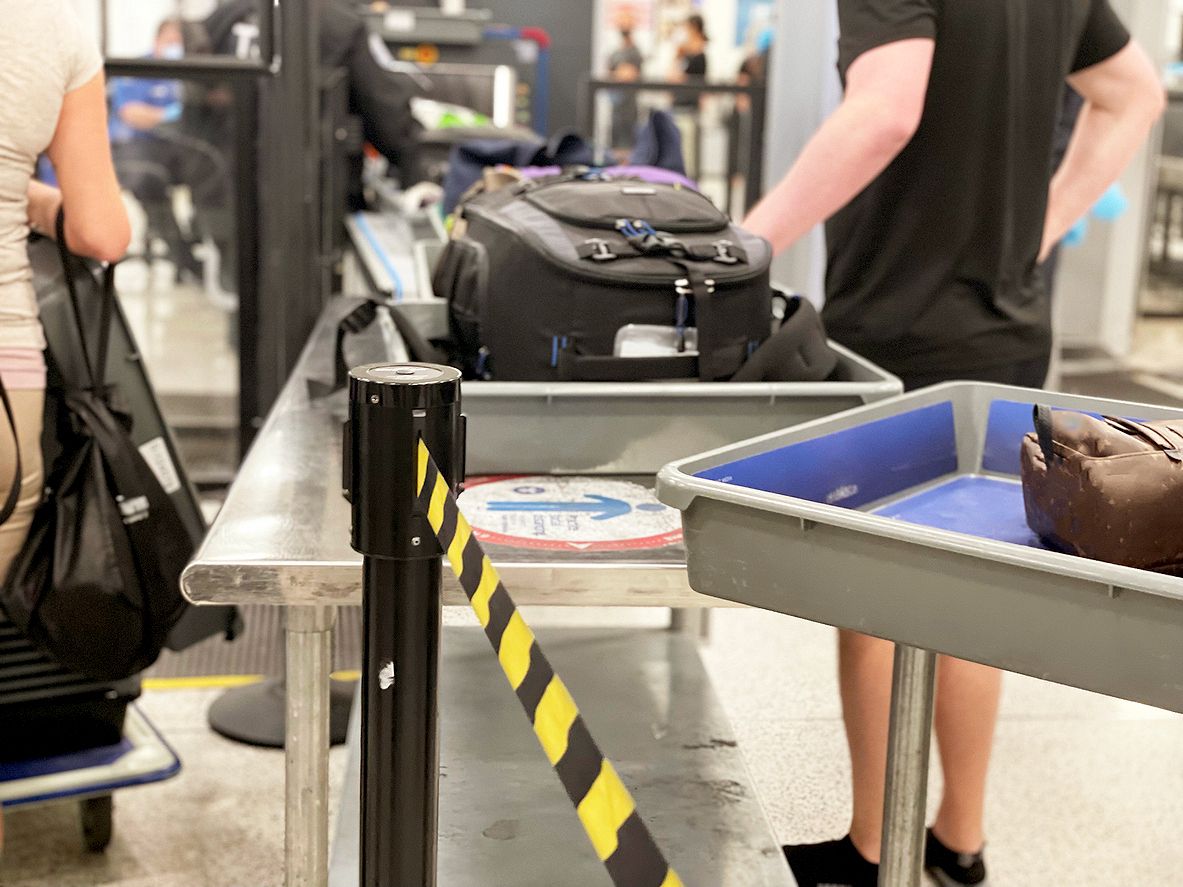
Packing electronics wisely can significantly speed up the security process. This involves keeping devices like laptops and tablets easily accessible and in a designated bin for screening, along with any liquids, gels, and aerosols. Removing these items from carry-on bags before reaching the security scanner can save time and reduce the likelihood of needing additional screening.
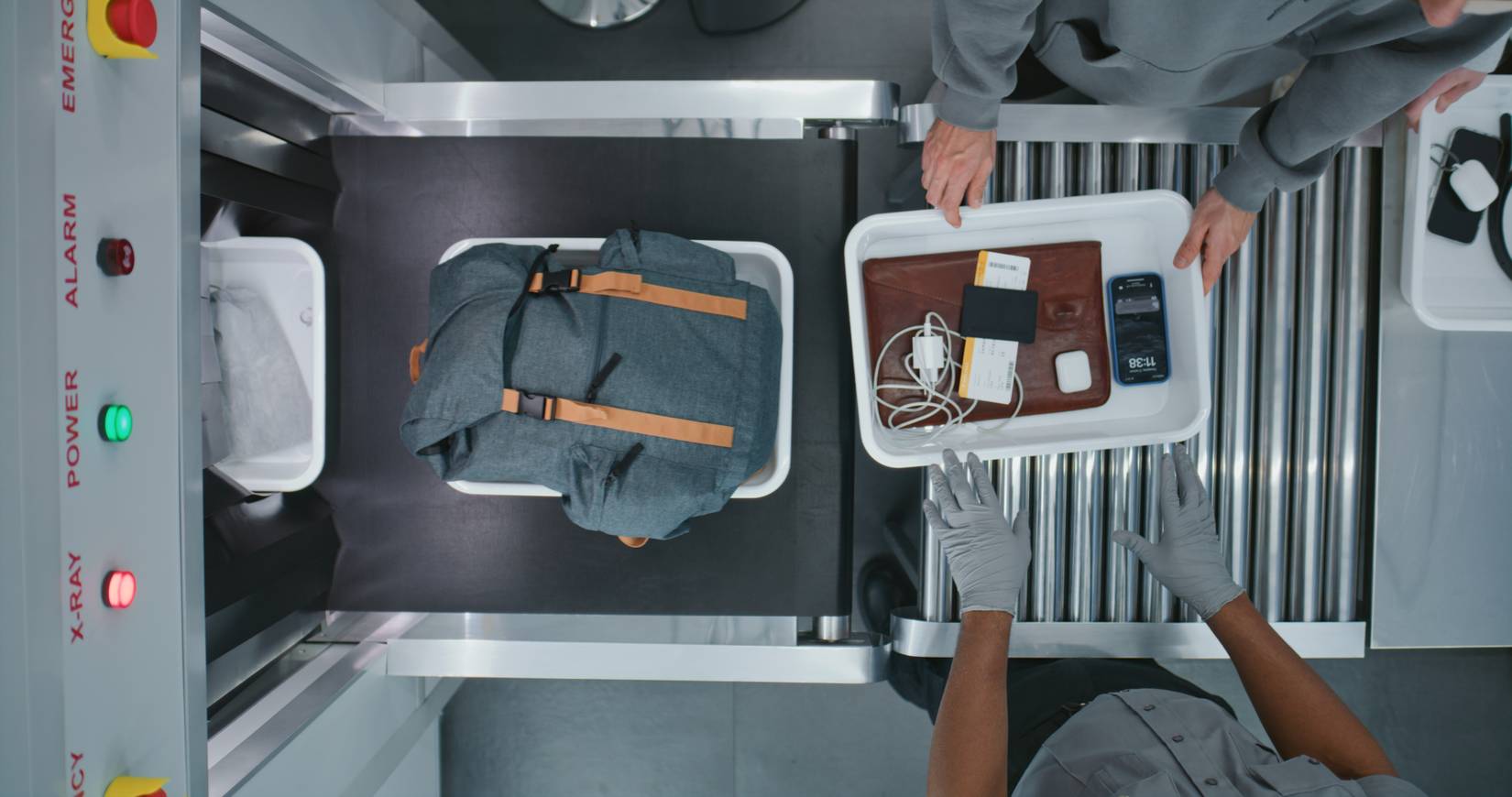
Moreover, organizing cables and accessories in a way that makes them easy to inspect can help. Some travelers opt for TSA-approved laptop bags that allow computers to remain in the bag during screening, streamlining the process even further. It's also a good idea to keep electronics charged in case they need to be turned on for inspection, and to backup important data in case of any issues during travel.
Can I bring food through airport security, and are there any restrictions?
While many solid foods are allowed, liquids, gels, and aerosols, including certain types of food, are subject to the 3-1-1 rule. Beverages and soups fall under this category and must comply with the rule or be consumed before passing through security. Dry goods like sandwiches, fruits, and granola bars are generally permitted but may be subject to additional screening.
It's also important to consider destination-specific restrictions on certain food items, especially when traveling internationally. Some countries have strict regulations on importing food products, so researching these laws before packing snacks for your journey is advisable. Additionally, being mindful of food allergies and preferences when purchasing or preparing food for travel can help ensure a safe and enjoyable experience for all passengers.
How do I handle airport security if I have a medical condition or device?
Travelers with medical conditions or devices face unique challenges when navigating airport security. The first step is to inform the TSA about any medical conditions or devices that may trigger alarm during screening. This can include pacemakers, insulin pumps, or portable defibrillators. Passengers can use TSA Notification Cards to discreetly inform officers about their medical devices.
:max_bytes(150000):strip_icc()/preparing-for-airport-security-2972587-Final-5bce3a5746e0fb00268f7334.png)
Moreover, understanding the screening process for medical devices is crucial. While some devices may require additional screening or inspection, others might be exempt from certain security protocols. It's also a good idea to carry a doctor's note or medical ID to provide documentation if needed. The TSA offers resources and guidance for travelers with disabilities and medical conditions, including a helpline and online information to help prepare for the security process.
As we reflect on the intricacies of navigating airport security, it becomes clear that this process is not just about rules and regulations but also about human interaction and understanding. Airport security personnel are tasked with the daunting responsibility of ensuring the safety of all passengers while also providing a respectful and efficient experience. The balance between security and freedom is a delicate one, requiring constant adaptation and refinement.
The cultural impact of airport security extends beyond the airport itself, influencing how we perceive travel, safety, and globalization. It represents a global effort to protect and facilitate travel, reflecting our societies' values of safety, cooperation, and respect for individual rights. As air travel continues to evolve, so too will the security measures designed to protect it, presenting an ongoing challenge to balance vigilance with the need for efficient, respectful, and culturally sensitive security protocols.
Ultimately, understanding what can be brought through airport security is a microcosm of our broader relationship with travel, security, and each other. It demands a blend of practical knowledge, cultural awareness, and personal flexibility. As we navigate these complex systems, we are reminded of the interconnectedness of our world and the importance of cooperation in ensuring safe, enjoyable, and enriching travel experiences for all.