What Can Be Put In Checked Luggage

As we embark on our journeys, whether for business or pleasure, the age-old question of what can be put in checked luggage often arises. The concept of checked luggage has been around for decades, with its roots in the early days of commercial air travel. Back then, passengers were allowed to check in large trunks and containers, which were often loaded onto the plane's cargo hold. Today, the rules and regulations surrounding checked luggage have become more stringent, with airlines imposing strict weight and size limits, as well as restrictions on certain items. Despite these restrictions, the art of packing has become a delicate balancing act, with travelers trying to squeeze as much as possible into their check-in bags while avoiding any unnecessary fees or fines.
The history of checked luggage is a fascinating tale of innovation and adaptation. As air travel became more accessible and affordable, the demand for checked luggage increased, and airlines had to respond by introducing new technologies and procedures. The introduction of baggage carousels and automated baggage handling systems revolutionized the way luggage was handled, making it faster and more efficient. Today, checked luggage is a multibillion-dollar industry, with airlines generating significant revenue from baggage fees and handling charges. However, the rise of low-cost carriers and budget airlines has led to a shift in the way passengers pack, with many opting for carry-on only and avoiding checked luggage altogether.
Understanding the Rules and Regulations
When it comes to checked luggage, the rules and regulations can be confusing and overwhelming. Each airline has its own set of guidelines and restrictions, making it difficult for passengers to know what can and cannot be packed. The Transportation Security Administration (TSA) provides general guidelines, but it's essential to check with your airline before checking in your luggage. Liquids, gels, and aerosols are subject to strict regulations, and electronic devices must be protected from damage. The International Air Transport Association (IATA) also provides guidelines on the transportation of dangerous goods, including batteries, fireworks, and chemicals.
Must Read
- Heart Of Mexico City Football: Pinpointing The Azteca Stadium Location
- Guadalajara Stadium Parking Guide: Avoid The Matchday Traffic
- Houston Stadium Bag Policy: Clear Bag Rules For Visitors
- Sofi Stadium Capacity: How Many Fans It Can Hold
- Reliant Stadium Parking: A Guide To The Old Name And Current Venue
One of the most interesting aspects of checked luggage is the psychology of packing. Passengers often have to make difficult decisions about what to pack and what to leave behind, and this can be a stressful and emotionally charged experience. The psychology of loss also comes into play, as passengers may experience feelings of anxiety and separation when parting with their belongings. However, the thrill of the journey and the excitement of exploration can also make the experience of packing a fun and creative one.
The cultural impact of checked luggage should not be underestimated. The way we pack and transport our belongings says a lot about our values and priorities. In some cultures, the art of packing is a revered tradition, with intricately designed luggage and beautifully crafted trunks being passed down through generations. In other cultures, the practicality of packing is more important, with durable and functional luggage being the preferred choice. Regardless of the cultural context, checked luggage remains an essential part of the travel experience, and its significance extends far beyond the confines of the airport.
Real-Life Scenarios and Case Studies
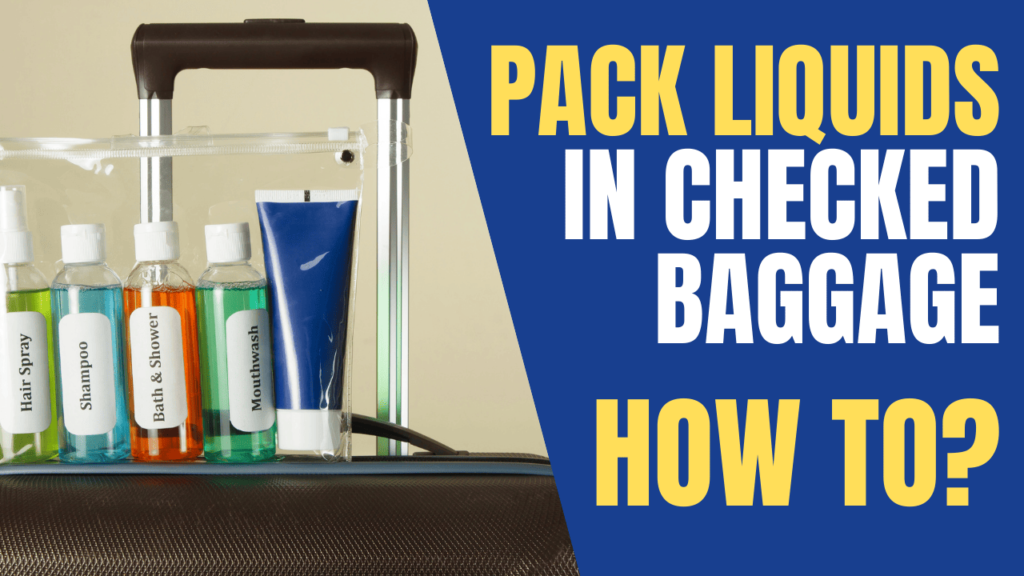
So, what can be put in checked luggage? The answer to this question depends on a variety of factors, including the airline's policies, the destination, and the type of items being transported. Clothing and toiletries are usually allowed, but electronic devices and valuables may be subject to restrictions. Liquids, gels, and aerosols must be packed in clear, quart-sized bags, and sharp objects must be protected and declared. The TSA's 3-1-1 rule provides a useful guideline for packing liquids, gels, and aerosols, but it's essential to check with your airline for specific requirements.

A recent case study highlighted the importance of checking with your airline before packing certain items. A passenger was forced to abandon their luggage at the check-in counter because it contained a prohibited item. The passenger had not checked with the airline beforehand and was unaware of the restriction. This experience serves as a cautionary tale about the importance of research and preparation when it comes to packing checked luggage. By taking the time to review the airline's policies and guidelines, passengers can avoid delays and frustrations at the airport.
Another scenario that illustrates the complexities of checked luggage is the transportation of fragile items. Passengers often have to make difficult decisions about how to pack and protect delicate items, such as glassware, ceramics, or artwork. The use of custom-designed boxes and padded packaging materials can help to minimize the risk of damage, but it's essential to declare these items at check-in and to purchase additional insurance coverage if necessary. By taking the time to research and prepare, passengers can ensure that their fragile items arrive at their destination safely and intact.
The actionable takeaway from these scenarios is that research and preparation are key when it comes to packing checked luggage. By taking the time to review the airline's policies and guidelines, and by planning ahead, passengers can avoid delays and frustrations at the airport. Additionally, the use of custom-designed boxes and padded packaging materials can help to minimize the risk of damage to fragile items. By being proactive and prepared, passengers can ensure a stress-free and enjoyable travel experience.
Frequently Asked Questions
What Are the Restrictions on Liquids, Gels, and Aerosols in Checked Luggage?
The TSA's 3-1-1 rule provides a useful guideline for packing liquids, gels, and aerosols in checked luggage. However, it's essential to check with your airline for specific requirements, as some airlines may have more restrictive policies. In general, liquids, gels, and aerosols must be packed in clear, quart-sized bags, and sharp objects must be protected and declared. The International Air Transport Association (IATA) also provides guidelines on the transportation of dangerous goods, including batteries, fireworks, and chemicals.
It's also important to note that some liquids, gels, and aerosols may be prohibited in checked luggage, such as flammable liquids or corrosive substances. Passengers should always check with their airline before packing these items, and should declare them at check-in if they are allowed. By being proactive and prepared, passengers can avoid delays and frustrations at the airport, and can ensure a stress-free and enjoyable travel experience.
Can I Pack Electronic Devices in My Checked Luggage?
The answer to this question depends on the airline's policies and the type of electronic device being transported. In general, electronic devices such as laptops, tablets, and smartphones can be packed in checked luggage, but they must be properly protected and declared at check-in. Some airlines may have specific requirements for the transportation of electronic devices, such as specialized packaging or additional insurance coverage.
It's also important to note that lithium batteries and other hazardous materials may be prohibited in checked luggage, or may require special handling and documentation. Passengers should always check with their airline before packing these items, and should declare them at check-in if they are allowed. By being proactive and prepared, passengers can avoid delays and frustrations at the airport, and can ensure a stress-free and enjoyable travel experience.
What Are the Consequences of Packing Prohibited Items in Checked Luggage?
The consequences of packing prohibited items in checked luggage can be severe. Passengers may face delays and fines, and may even be prosecuted for transporting dangerous goods or contraband. In some cases, the airline may confiscate the luggage and deny the passenger boarding. It's essential to check with your airline before packing any items, and to declare them at check-in if they are allowed.

Additionally, the transportation of prohibited items can also have serious consequences for the airline and its staff. Airlines may face fines and penalties for transporting dangerous goods or contraband, and may even have their operating licenses revoked. By being proactive and prepared, passengers can avoid delays and frustrations at the airport, and can help to ensure the safety and security of the airline and its staff.
How Do I Pack Fragile Items in My Checked Luggage?
Packing fragile items in checked luggage requires special care and attention. Passengers should use custom-designed boxes and padded packaging materials to minimize the risk of damage. It's also essential to declare fragile items at check-in and to purchase additional insurance coverage if necessary. The airline's staff can also provide guidance and assistance on how to pack and transport fragile items safely and securely.
Additionally, passengers can also take steps to protect their fragile items during the journey. This can include wrapping items in bubble wrap or foam inserts, and securing them with tape or straps. By being proactive and prepared, passengers can minimize the risk of damage to their fragile items and can ensure a stress-free and enjoyable travel experience.
What Are the Benefits of Using a Hard-Sided Luggage Container?
Using a hard-sided luggage container can provide several benefits for passengers. These containers are more durable and resistant to damage than soft-sided luggage, and can provide additional protection for fragile items. They can also be easier to maneuver and more convenient to handle than soft-sided luggage, especially for long-distance journeys. Additionally, hard-sided luggage containers can also provide additional security features, such as locks and alarms, to help protect against theft and tampering.
:max_bytes(150000):strip_icc():focal(1999x0:2001x2)/CHECKED-LUGGAGE-TEST-VICKYWASIK-Samsonite_Winfield2HardsideLuggage28in2-2-e6e6805021254e91bb6df95ac7929eea.jpeg)
Furthermore, hard-sided luggage containers can also be more environmentally friendly than soft-sided luggage. They can be made from recycled materials and can be more durable and long-lasting than soft-sided luggage. By choosing a hard-sided luggage container, passengers can help to reduce their carbon footprint and can contribute to a more sustainable and eco-friendly travel experience.
The concept of checked luggage is deeply ingrained in our daily lives and human nature. The desire to explore and discover new places and cultures is a fundamental aspect of the human experience, and checked luggage plays a vital role in facilitating this desire. Whether we're traveling for business or pleasure, checked luggage allows us to transport our belongings and connect with others across the globe. By understanding the rules and regulations surrounding checked luggage, we can optimize our travel experience and make the most of our journeys.
The psychology of packing is also closely tied to our daily lives and human nature. The way we pack and transport our belongings says a lot about our values and priorities, and can reveal interesting insights into our personality and behavior. By examining our packing habits and behaviors, we can gain a deeper understanding of ourselves and our place in the world. Whether we're packing light or packing heavy, the act of packing is a universal human experience that transcends cultures and borders.
As we look to the future, it's clear that checked luggage will continue to play a vital role in our daily lives and human nature. With the rise of new technologies and innovative materials, the way we pack and transport our belongings is likely to change and evolve. However, the fundamental human desire to explore and discover new places and cultures will remain unchanged, and checked luggage will continue to be an essential part of the travel experience. By embracing this reality and optimizing our packing habits, we can create a more sustainable, efficient, and enjoyable travel experience for ourselves and others.