What Can And Can't You Bring On An Airplane
When it comes to traveling by air, one of the most stressful parts of the experience can be figuring out what you can and can't bring on the plane. Whether you're a seasoned traveler or embarking on your first flight, it's essential to know the ins and outs of airline regulations to avoid any last-minute headaches. From liquids to electronics, there are many items that have specific rules and restrictions.
Understanding the Basics
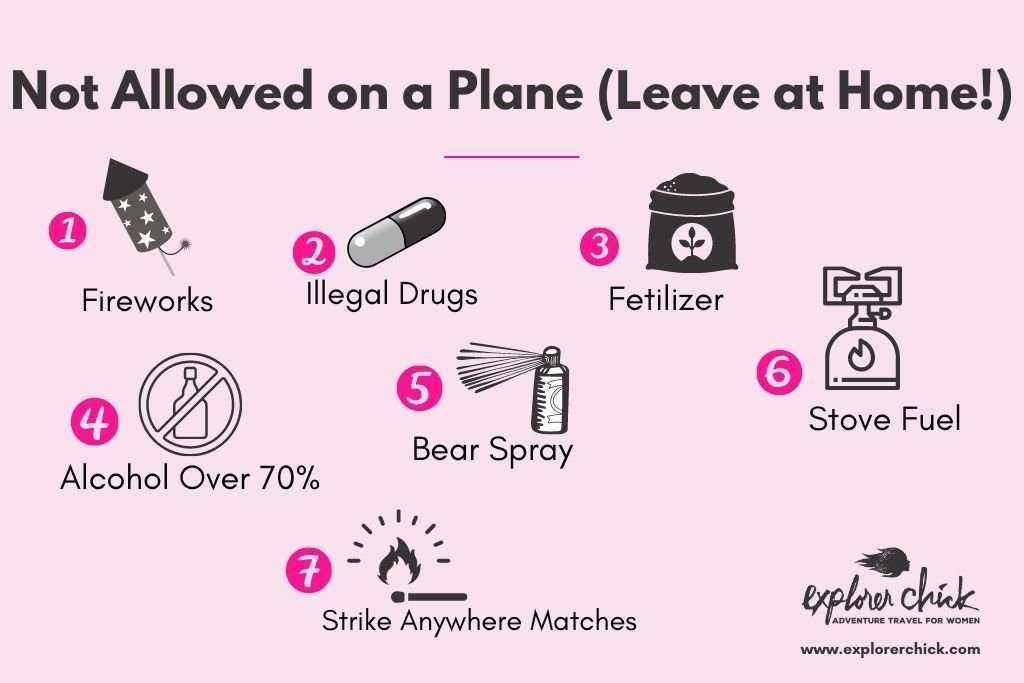
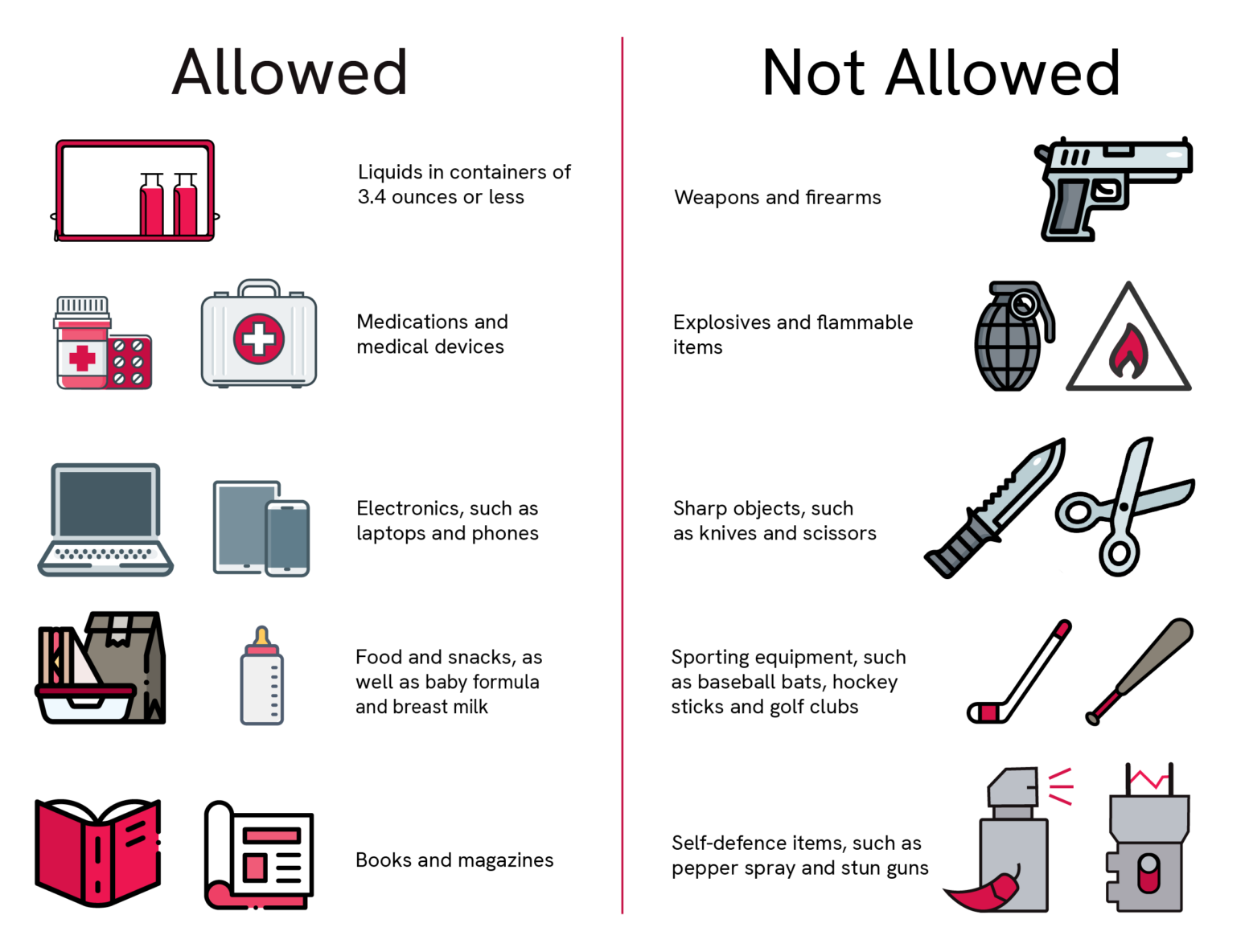
The TSA (Transportation Security Administration) is responsible for ensuring the safety and security of all passengers, and as such, has implemented a set of rules and regulations governing what can and can't be brought on board. Prohibited items include things like sharp objects, flammable materials, and explosive devices, which are clearly outlined on the TSA's website. By familiarizing yourself with these rules, you can avoid any potential issues at security checkpoints.
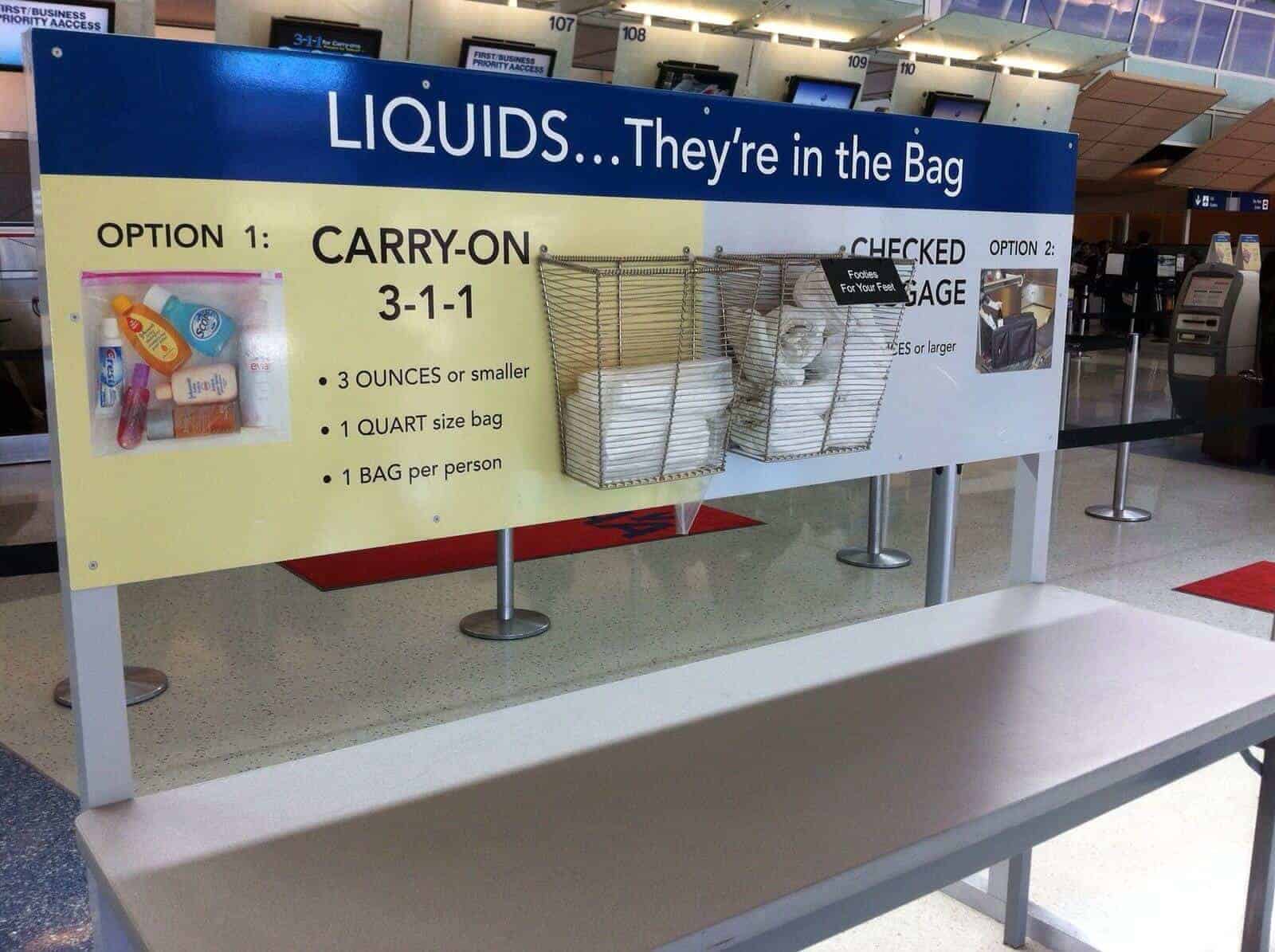
In addition to prohibited items, there are also certain restricted items that can be brought on board, but with specific guidelines and restrictions. For example, liquids, gels, and aerosols are allowed in containers of 3.4 ounces or less, and must be stored in a clear, quart-sized zip-top bag.
It's always a good idea to check the TSA's website for the most up-to-date information on what can and can't be brought on board.
Must Read
Electronics and Devices
When it comes to electronics and devices, there are also specific rules and regulations to be aware of. Laptops and tablets must be removed from carry-on bags and screened separately, while phones and headphones are allowed to remain in bags. Portable chargers and batteries are also subject to specific regulations, with lithium batteries being restricted to carry-on bags only.

Food and drink items are also subject to certain rules and regulations, with solid foods like fruits and nuts being allowed, while liquids like juice and soda are restricted. Coffee and tea are allowed, but must be in containers of 3.4 ounces or less.
It's always a good idea to check with your airline for their specific food and drink policies.
Special Items
There are also certain special items that require special handling and documentation, such as musical instruments, medical equipment, and sports equipment. These items may require additional screening or approval from the airline, so it's essential to plan ahead and make the necessary arrangements. Pets are also subject to specific regulations, with some airlines allowing in-cabin pets while others require them to be checked as baggage.

In conclusion, knowing what can and can't be brought on an airplane is crucial to ensuring a stress-free and enjoyable travel experience. By familiarizing yourself with the TSA's regulations and your airline's specific policies, you can avoid any potential issues and arrive at your destination feeling relaxed and prepared. Remember to always check the TSA's website for the most up-to-date information, and don't hesitate to reach out to your airline if you have any questions or concerns.
As you prepare for your next flight, take a moment to review the TSA's list of prohibited items and make sure you're not accidentally packing anything that could cause a delay or issue at security checkpoints. With a little planning and preparation, you can ensure a smooth and enjoyable travel experience, and arrive at your destination feeling refreshed and ready for whatever adventures await.
Safe travels, and don't forget to pack smart!
![What You Can and Can’t Take on a Plane [Essential List]](https://takeonaplane.com/_nuxt/img/cd63766.png)
:max_bytes(150000):strip_icc()/liquids-on-a-plane-4046937-FINAL-5ba3d35d4cedfd002506643d.png)