United Airlines Budget Bag Policy

As we navigate the complex world of air travel, one aspect that has garnered significant attention in recent years is the budget bag policy of major airlines, with United Airlines being a prominent example. The concept of paying for checked bags, once a complimentary service, has become a norm. But have you ever wondered how this policy came into being? The history of bag fees dates back to 2008, when American Airlines first introduced a $15 fee for checking a single bag. This move was largely seen as a response to rising fuel costs and a way to generate additional revenue streams. Today, the budget bag policy is a standard feature across most airlines, including United Airlines, with its own set of rules and fees that can make or break your travel budget.
The significance of understanding the budget bag policy of United Airlines cannot be overstated. In an era where traveling light has become both a necessity and a virtue, knowing what you can and cannot carry, and at what cost, is crucial. Whether you're a frequent flyer or an occasional traveler, the implications of these policies can significantly impact your travel experience. From the economic implications of generating millions of dollars in revenue for the airlines to the cultural shift towards minimalism and efficient packing, the budget bag policy is more than just a fee—it's a reflection of our times.
Understanding the Policy
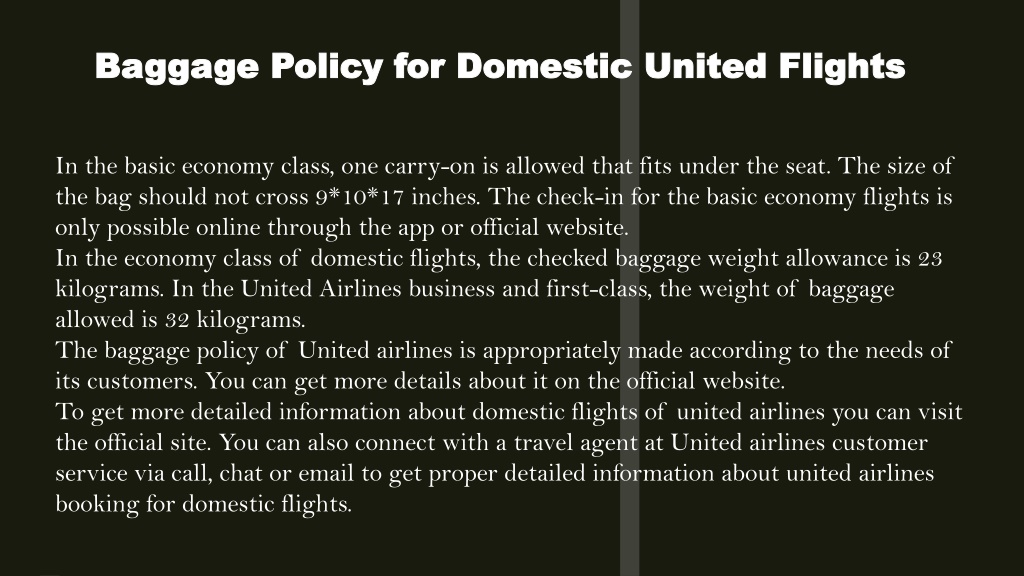
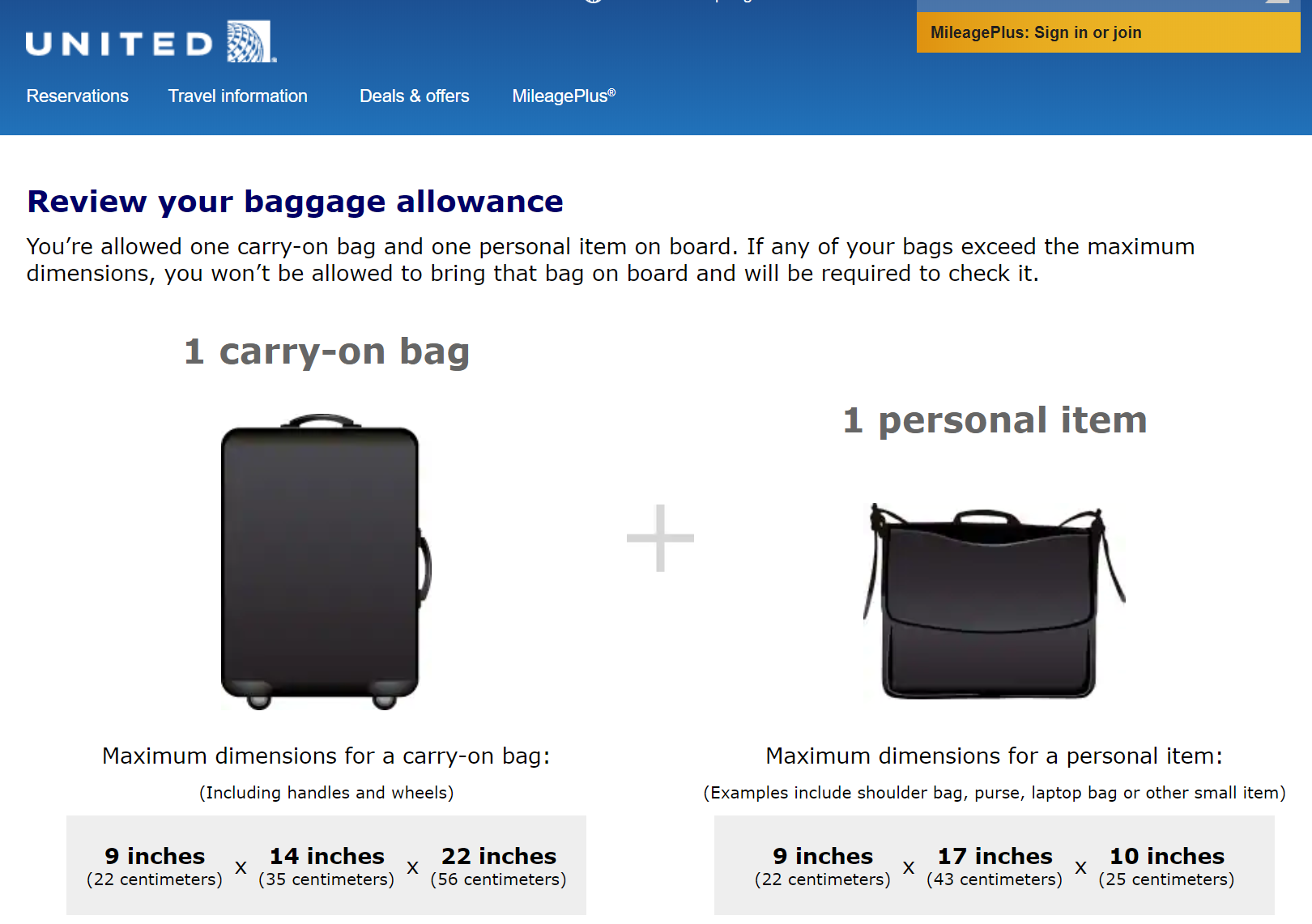
Diving deeper into the budget bag policy of United Airlines reveals a complex system designed to maximize revenue while minimizing customer dissatisfaction. The basic economy fare, for instance, comes with strict bag restrictions, allowing only a carry-on bag that fits under the seat in front of you, with no access to overhead bins. This forces passengers to either pack extremely light or pay an additional fee for a standard carry-on or checked bag. The psychological aspect of this policy is fascinating, playing on the traveler's dilemma between convenience and cost. It's a clever strategy that encourages passengers to pay more for what was once included in the ticket price.
Must Read
The cultural impact of such policies cannot be ignored. They contribute to a shift in consumer behavior, where the value of an item is not just its purchase price but also the cost of transporting it. This has led to the rise of sustainable travel practices, where travelers opt for digital books over physical ones, wear their heaviest items (like boots) on the plane, and choose travel-sized toiletries to avoid the dreaded baggage fee. It's a race between the airlines' ability to impose fees and the passengers' ingenuity in finding ways to avoid them.
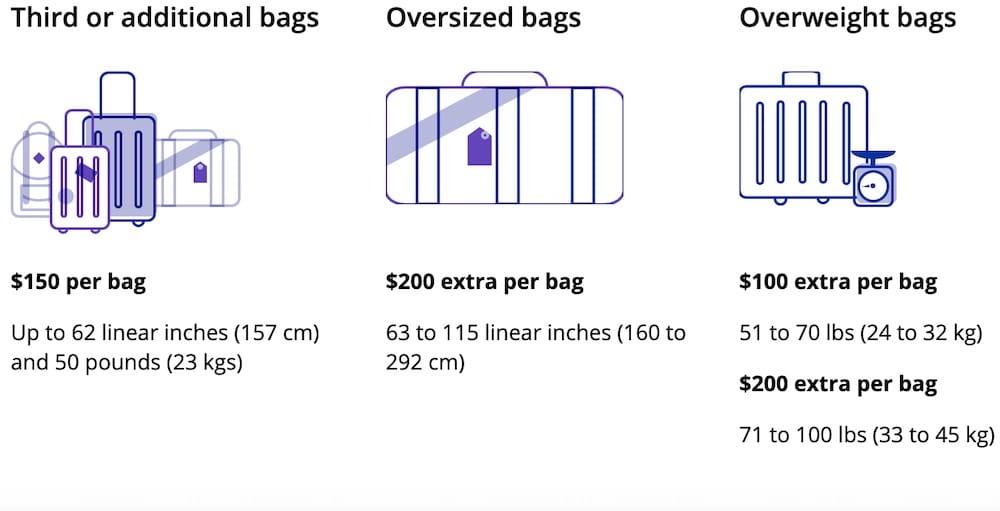
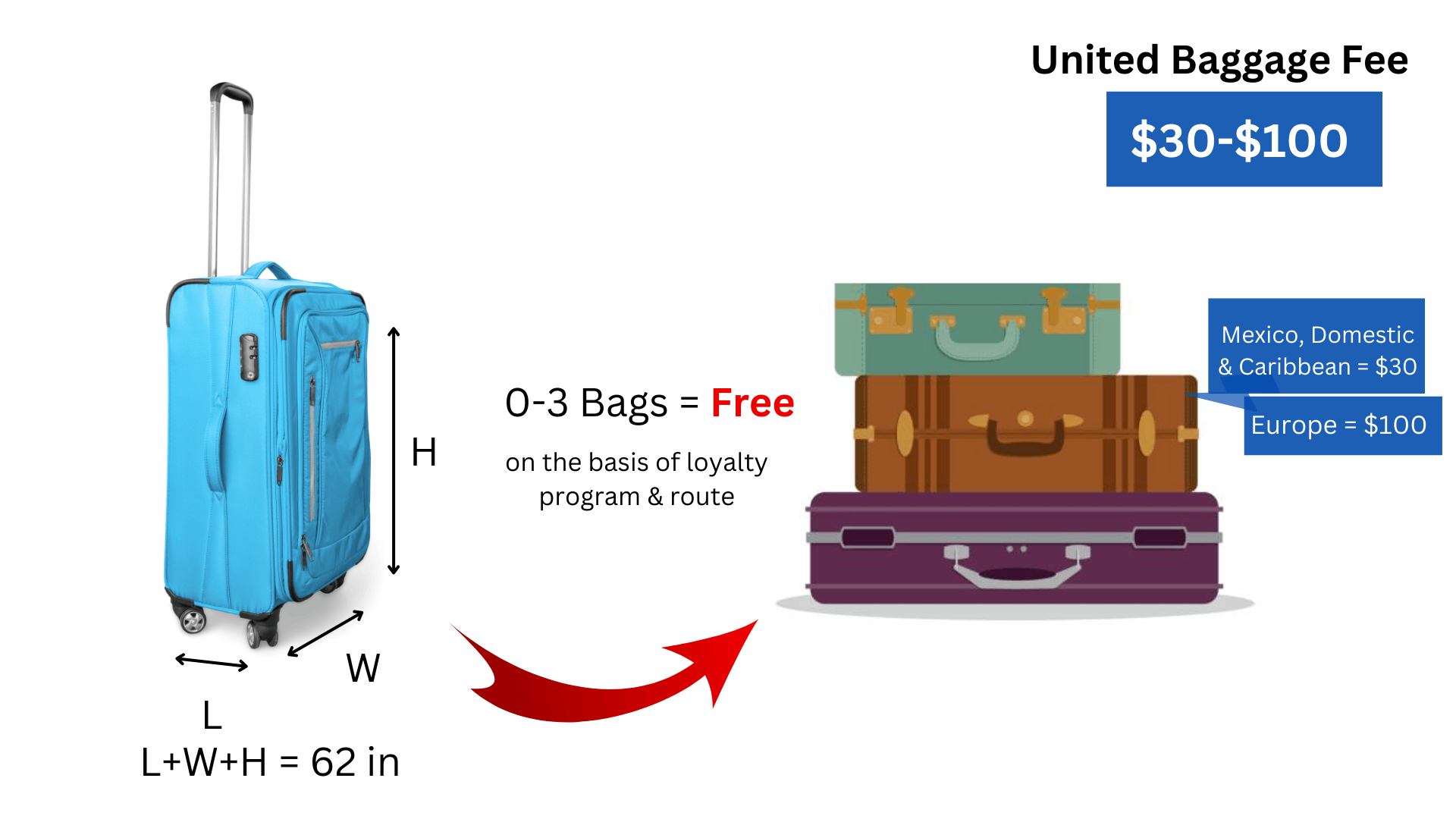
In exploring the lesser-known facts about United Airlines' budget bag policy, one aspect that stands out is the size and weight restrictions. Understanding these is crucial to avoid additional fees at check-in. For instance, a standard checked bag cannot exceed 62 linear inches (length + width + height) or weigh more than 50 pounds. Anything beyond this incurs an oversized or overweight fee, which can quickly add up. This policy encourages travelers to be mindful of their packing, often leading to a more organized and efficient travel experience.
Real-Life Scenarios and Case Studies
Consider the scenario of Sarah, a student traveling back to college after summer break. She's on a tight budget and has opted for the basic economy fare on United Airlines. However, she soon realizes that her books, clothes, and other essentials won't fit in the limited carry-on space provided. She's faced with the dilemma of either paying an additional $30 for a checked bag or risking having her carry-on gate-checked, which could lead to delays in receiving her luggage. This is a common conundrum many travelers face, highlighting the need for careful planning and budgeting when booking flights.
A case study of United Airlines' budget bag policy implementation shows that the airline has seen a significant increase in revenue from bag fees over the years. This revenue stream has been crucial in helping the airline navigate through tough economic times, such as the COVID-19 pandemic, where travel demand plummeted. However, the policy has also been a point of contention among passengers, with many feeling nickel-and-dimed by the various fees associated with flying. To mitigate this, United Airlines has introduced more transparent pricing and flexible fare options, allowing passengers to choose what they pay for.
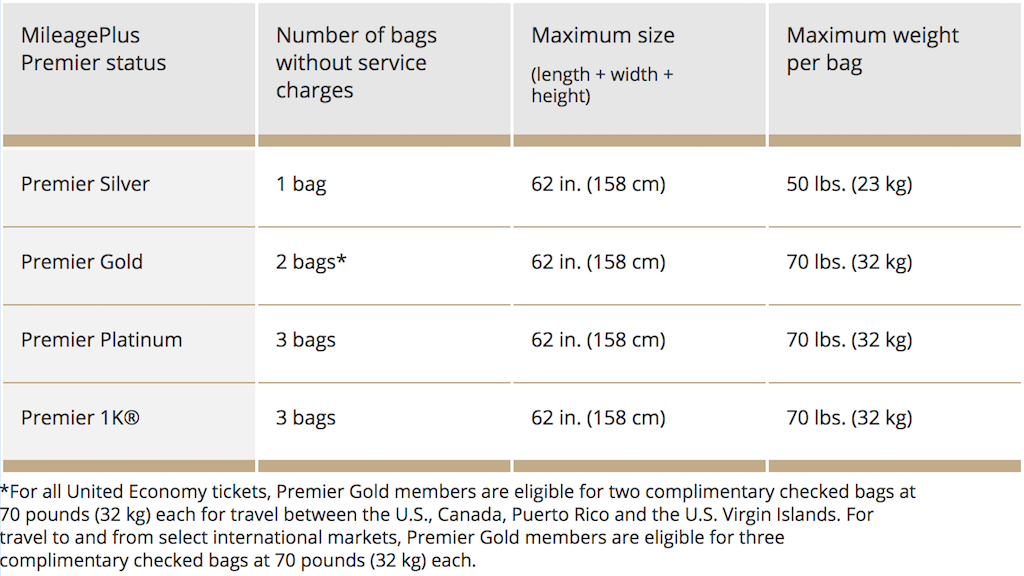
For the frequent traveler, understanding the budget bag policy of United Airlines is not just about saving money; it's about maximizing comfort and convenience. Knowing when to pay for a checked bag versus relying on carry-on luggage can make a significant difference in the travel experience. Additionally, leveraging airline credit cards or elite status can provide benefits like free checked bags, priority boarding, and access to airport lounges, enhancing the overall travel experience.
In practical terms, United Airlines' budget bag policy serves as a reminder of the importance of flexibility in travel planning. Whether it's booking the right fare for your needs, purchasing travel insurance to cover unexpected bag fees, or simply being aware of the airline's policies, being informed is key. By embracing the challenges posed by the budget bag policy, travelers can turn what seems like a limitation into an opportunity for more mindful travel practices.
Frequently Asked Questions
What are the checked bag fees for United Airlines, and how do they vary by route?
The checked bag fees for United Airlines can vary based on the route and the type of fare purchased. For most domestic flights, the first checked bag costs $30, and the second costs $40. However, for international flights, these fees can be significantly higher, sometimes exceeding $100 for the first checked bag. It's also worth noting that United Airlines offers different fare options, such as the Premier or
To navigate these fees effectively, passengers should always check the United Airlines website for the most up-to-date information on bag fees related to their specific flight. Additionally, considering factors such as the destination, time of year, and type of ticket can help in anticipating and budgeting for any additional costs associated with checked bags. This proactive approach can significantly reduce travel stress and make the flying experience more enjoyable.
How does United Airlines' budget bag policy compare to other major airlines?
United Airlines' budget bag policy is part of a broader industry trend towards charging for services that were once complimentary. Compared to other major airlines, United's policies are somewhat aligned, with similar fees for checked bags. However, the specifics can vary, with some airlines offering more generous carry-on allowances or cheaper checked bag options for certain routes or fare types. For example, Delta Air Lines and American Airlines have similar structures but may differ in the details, such as the cost of additional bags or the availability of free checked bags for loyalty program members.
When comparing these policies, it's essential to look beyond the surface level. Factors such as flight duration, route popularity, and the time of booking can influence the final cost of flying, including bag fees. Moreover, the loyalty programs and credit card benefits offered by each airline can provide significant savings or perks, including waived bag fees, that can tip the scales in favor of one airline over another.
Can I pay for my checked bags online, and are there any discounts for doing so?
Yes, United Airlines allows passengers to pay for their checked bags online, either during the booking process or afterwards, through the airline's website or mobile app. Paying online can sometimes offer a slight discount compared to paying at the airport, incentivizing passengers to plan ahead. For instance, if the standard fee for a checked bag at check-in is $30, paying online might reduce this fee to $25. These savings might seem minimal but can add up, especially for frequent travelers or those traveling in groups.
Furthermore, leveraging United Airlines' online services for bag fee payments can streamline the check-in process, reducing wait times at the airport. This convenience, combined with potential cost savings, makes paying for checked bags online a practical choice for many travelers. It's also worth exploring the airline's bundle and save options, where purchasing additional services like seat selection or travel insurance alongside bag fees might offer further discounts, enhancing the overall value proposition.
What happens if my bag exceeds the size or weight limit, and how can I avoid additional fees?
If a bag exceeds the size or weight limit set by United Airlines, passengers are subject to oversized or overweight fees, which can be substantial. To avoid these fees, it's crucial to carefully measure and weigh bags before arriving at the airport. United Airlines provides guidelines on its website, including a baggage calculator tool, to help passengers assess their bags' dimensions and weight. For bags that are slightly over the limit, considering the option to repack or ship items separately might be more cost-effective than paying the additional fees.
In some cases, passengers may find that purchasing a larger or heavier bag is not worth the cost, especially if they're close to the limit. The airline's policy encourages mindful packing, where travelers prioritize what they really need to bring. By adopting a more minimalist approach to packing, not only can travelers avoid extra fees, but they can also make their overall travel experience more efficient and less stressful.
Are there any exemptions or special considerations for certain types of bags or passengers?
United Airlines offers exemptions or special considerations for certain types of bags or passengers. For example, military personnel on active duty may be eligible for free checked bags, while assistive devices for passengers with disabilities are typically exempt from size and weight restrictions. Additionally, sports equipment, like surfboards or bicycles, may have specific handling fees and requirements. Passengers should contact United Airlines directly to inquire about any special arrangements or exemptions that might apply to their situation.
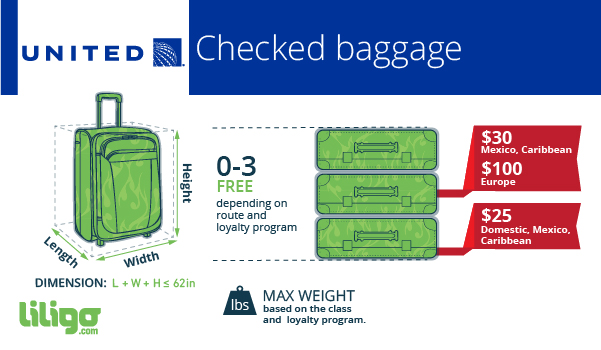
It's also important to note that United Airlines' loyalty program members and elite status holders may enjoy benefits like free checked bags as part of their membership perks. Understanding these exemptions and benefits can significantly enhance the travel experience, especially for those who frequently fly with United Airlines or have specific needs that require special accommodations.
Reflecting on the budget bag policy of United Airlines and its broader implications on travel and consumer behavior, it's clear that this policy is more than just a revenue stream for the airline. It represents a cultural shift in how we perceive the value of services and the true cost of travel. By imposing fees on once-complimentary services like checked bags, airlines are redefining the travel experience, encouraging passengers to prioritize, budget, and plan more meticulously.
This policy also speaks to human nature and our relationship with possessions and convenience. The dilemma of whether to pay for a checked bag or pack lightly reflects our broader societal themes of consumption, sustainability, and the search for value. In navigating these choices, travelers are not just making economic decisions; they're also engaging with their personal values and preferences regarding travel, convenience, and the environment.
In conclusion, United Airlines' budget bag policy is a complex, multifaceted aspect of the modern travel experience. It challenges passengers to be more mindful of their packing, to prioritize what's truly necessary, and to understand the true cost of their travel choices. As the airline industry continues to evolve, it will be interesting to see how consumers adapt to and influence these policies, ultimately shaping the future of air travel.