Tsa Lithium Batteries Carry On
So, you're getting ready to fly and you're wondering about those lithium batteries you need to bring along. Can you carry them on, or do they need to go in your checked luggage? The answer is, it's not as straightforward as you might think.
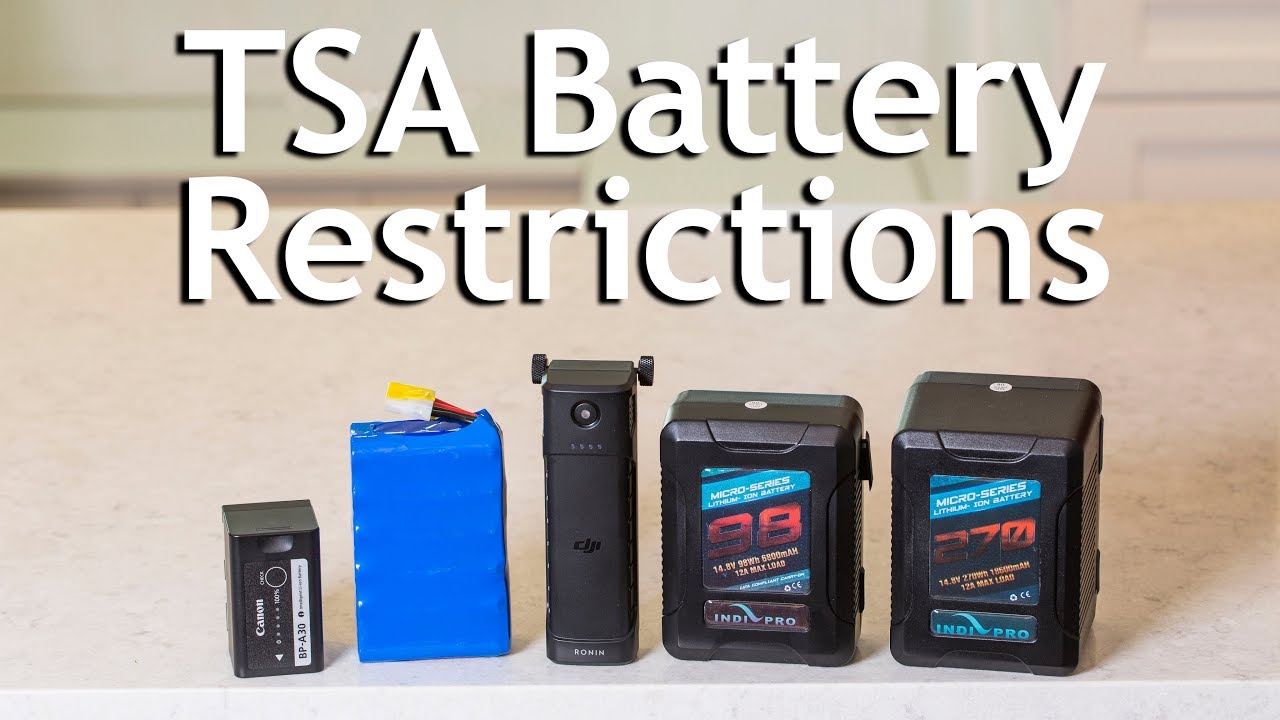
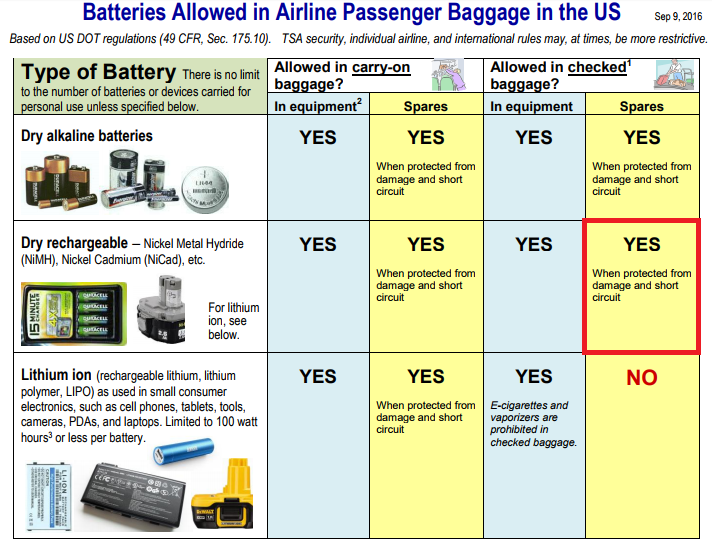
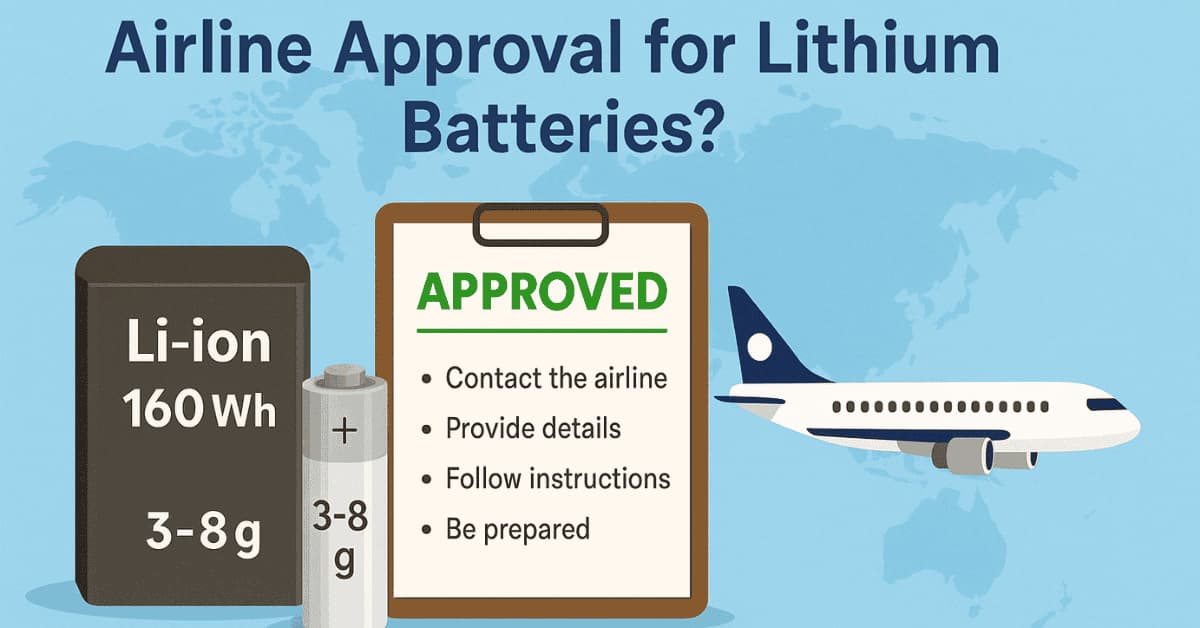
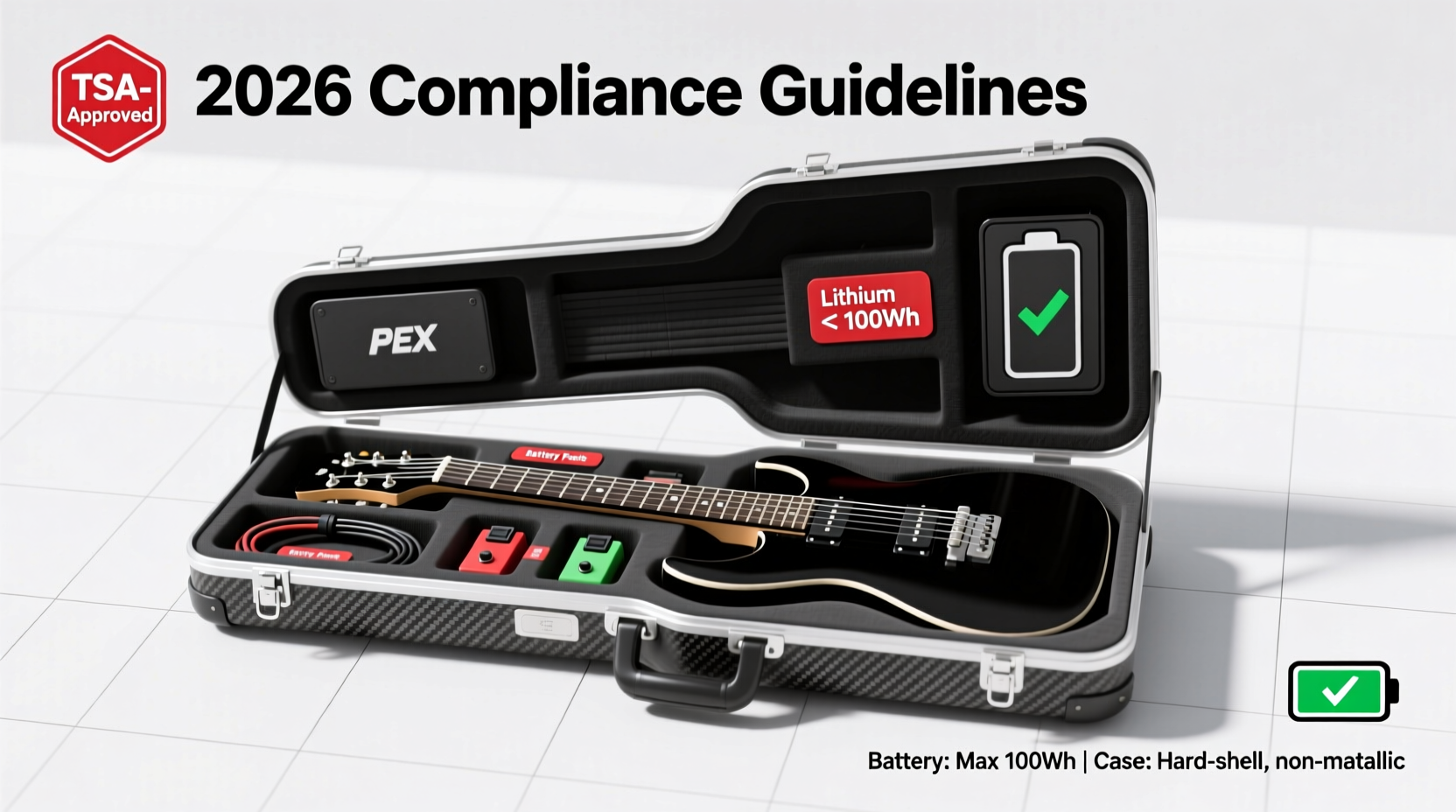
According to the TSA, lithium batteries are allowed in carry-on bags, but there are some rules to follow. You can bring lithium batteries with a capacity of up to 100 watt-hours, like those found in your average smartphone or laptop. But, if you have bigger lithium batteries, like those used in some power tools or medical devices, you'll need to check with your airline first.
Now, you might be thinking, "What about spare lithium batteries?" Well, the TSA says those are okay in carry-on bags too, as long as they're protected from accidental activation. You can do this by covering the terminal ends with tape or using a protective pouch. It's like putting a band-aid on a boo-boo, but for your batteries!
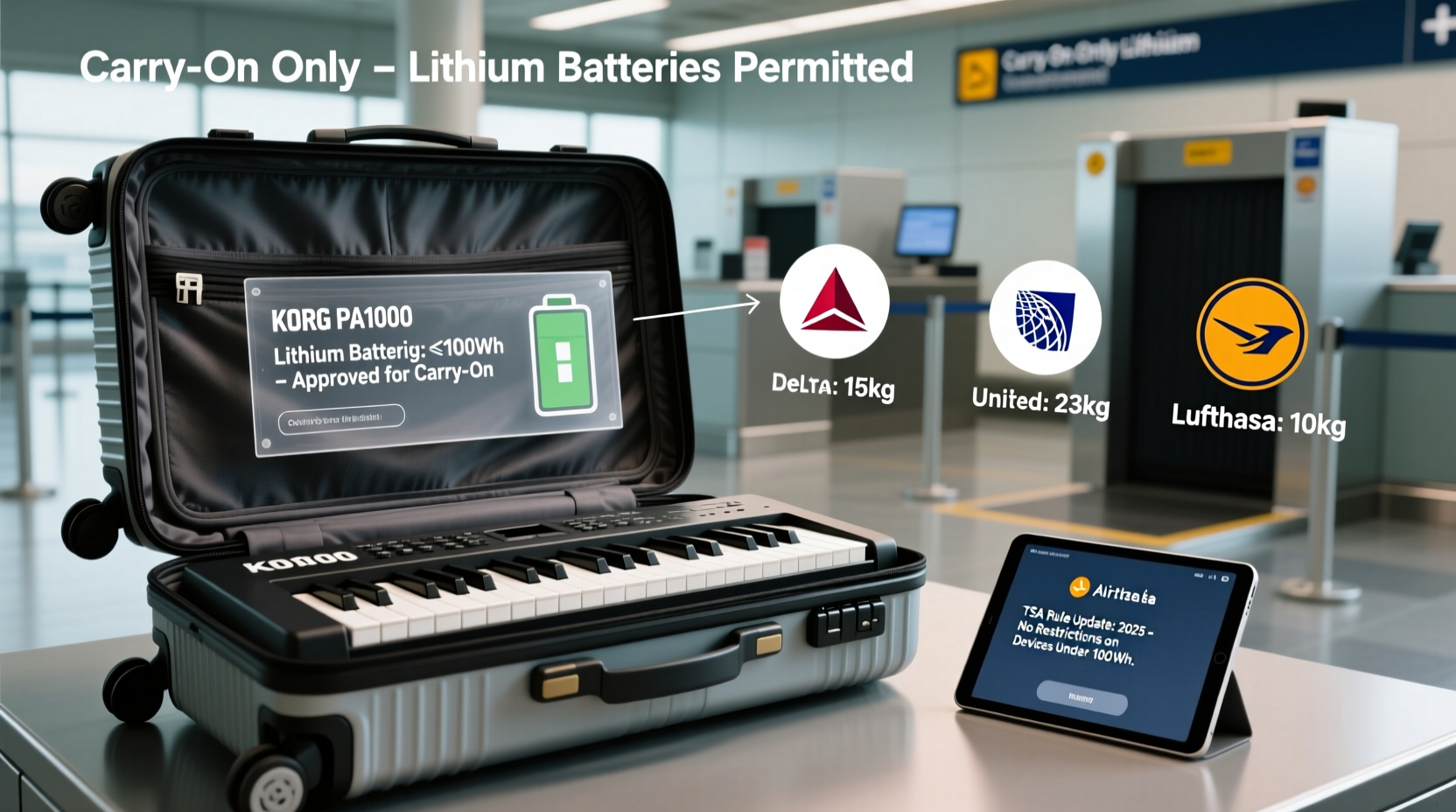
But, here's the thing: even though lithium batteries are allowed in carry-on bags, some airlines might have their own rules. So, it's always a good idea to check with your airline before your flight to avoid any last-minute hassles. You don't want to be that person who gets to the gate and is told they can't bring their lithium batteries on board.
The TSA is like the referee of air travel, making sure everyone follows the rules to stay safe.And, let's be real, lithium batteries can be a fire hazard if they're not handled properly. So, it's better to be safe than sorry and follow the rules.
Now, some of you might be thinking, "But, I need my lithium batteries to power my gadget or device during the flight!" And, we get it, gadgets can be a lifesaver on a long flight. But, it's worth noting that most airlines have USB ports and power outlets on their planes, so you can still keep your devices charged without needing to bring lithium batteries on board.
In fact, the TSA has a whole list of items that are prohibited or restricted in carry-on and checked bags. It's like a big checklist of things to avoid, including sharp objects, flammable liquids, and explosives. And, yes, some types of lithium batteries are on that list, like lithium batteries with a capacity of over 100 watt-hours.
Lithium batteries are used in so many things these days, from smartphones and laptops to power tools and medical devices. And, while they can be a fire hazard if not handled properly, they're also super convenient. Just think about it, without lithium batteries, we wouldn't have portable chargers or wireless headphones.
So, to sum it up, lithium batteries are allowed in carry-on bags, but you need to follow the TSA's rules. You can bring lithium batteries with a capacity of up to 100 watt-hours, and spare lithium batteries are okay too, as long as they're protected. Just remember to check with your airline before your flight, and you'll be all set.
A few more things to keep in mind
when it comes to lithium batteries and air travel. The TSA has a website with all the info you need, including a list of prohibited and restricted items. You can also check with your airline for their specific rules and regulations.And, finally, if you're wondering what to do with your lithium batteries when you're not using them, the Environmental Protection Agency (EPA) has some tips. You can recycle your lithium batteries or dispose of them safely. It's all about being responsible and taking care of our planet.
So, there you have it, folks! Lithium batteries might seem like a nuisance when it comes to air travel, but they're actually pretty easy to deal with. Just follow the TSA's rules, and you'll be golden. And, who knows, you might even learn something new about lithium batteries and how to use them safely.
In conclusion, lithium batteries are a fact of life in our modern world, and we need to know how to handle them safely. The TSA is here to help, with their rules and regulations. So, next time you're flying, just remember to check your lithium batteries and follow the rules, and you'll be good to go!
TSA also says that lithium batteries should be kept away from metal objects, such as keys or coins, to prevent accidental activation. You can do this by storing them in a protective case or bag. It's all about being careful and taking the necessary precautions.
It's also worth noting that some airlines have their own rules and regulations when it comes to lithium batteries. So, it's always a good idea to check with your airline before your flight to make sure you're compliant. You don't want to get to the airport and find out that you can't bring your lithium batteries on board.
So, the next time you're flying, just remember to check your lithium batteries and follow the TSA's rules. You can bring lithium batteries with a capacity of up to 100 watt-hours, and spare lithium batteries are okay too, as long as they're protected. Just be careful and take the necessary precautions, and you'll be golden.
And, finally, if you're wondering what to do with your lithium batteries when you're not using them, the Environmental Protection Agency (EPA) has some tips. You can recycle your lithium batteries or dispose of them safely. It's all about being responsible and taking care of our planet.
By following the TSA's rules and being careful with your lithium batteries, you can help prevent accidents and ensure a safe flight. And, who knows, you might even learn something new about lithium batteries and how to use them safely.
So, there you have it, folks! Lithium batteries might seem like a nuisance when it comes to air travel, but they're actually pretty easy to deal with. Just follow the TSA's rules, and you'll be good to go!
In conclusion, lithium batteries are a fact of life in our modern world, and we need to know how to handle them safely. The TSA is here to help, with their rules and regulations. So, next time you're flying, just remember to check your lithium batteries and follow the rules, and you'll be golden.