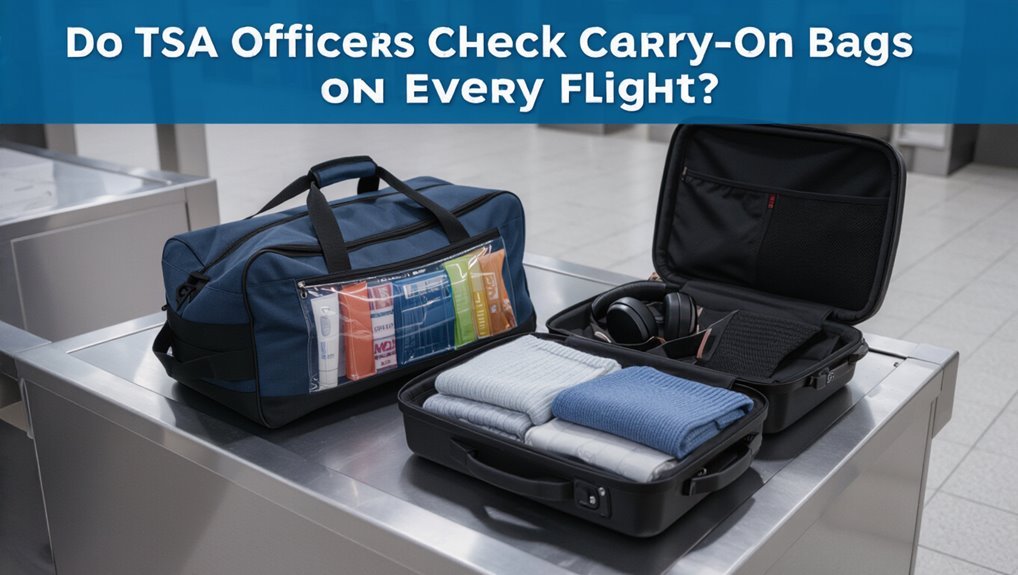
Tsa Carry On Baggage Regulations

As we soar through the skies, it's easy to forget about the humble hero of air travel: our trusty carry-on bag. But before you start packing, it's essential to brush up on the TSA carry-on baggage regulations to avoid any turbulence at security checkpoints. From liquids and gels to electronic devices, we've got the lowdown on what you can and can't bring on board.
Know Before You Go
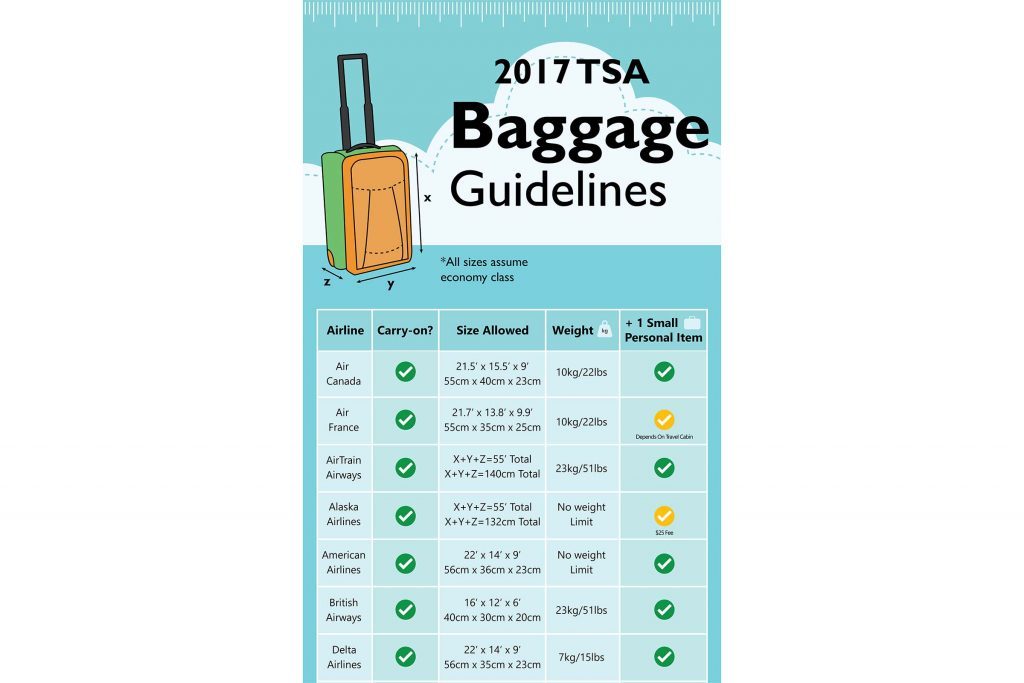
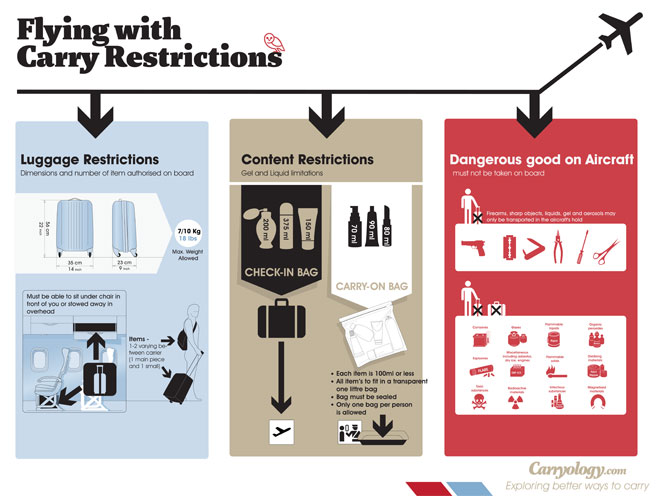
According to the TSA website, carry-on bags are subject to specific size and content restrictions. The general rule of thumb is that your bag should fit in the overhead bin or under the seat in front of you, with maximum dimensions of 22" x 14" x 9". But don't worry, we've got some practical tips to help you navigate these requirements like a pro.
Packing Like a Pro
When it comes to packing, the key is to be strategic and efficient. Consider using a carry-on bag with multiple compartments and pockets to keep your belongings organized and easily accessible. And don't forget to leave some extra space for souvenirs and duty-free goodies – after all, who doesn't love a good shopping spree at the airport?
Must Read
- Heart Of Mexico City Football: Pinpointing The Azteca Stadium Location
- Guadalajara Stadium Parking Guide: Avoid The Matchday Traffic
- Houston Stadium Bag Policy: Clear Bag Rules For Visitors
- Sofi Stadium Capacity: How Many Fans It Can Hold
- Reliant Stadium Parking: A Guide To The Old Name And Current Venue
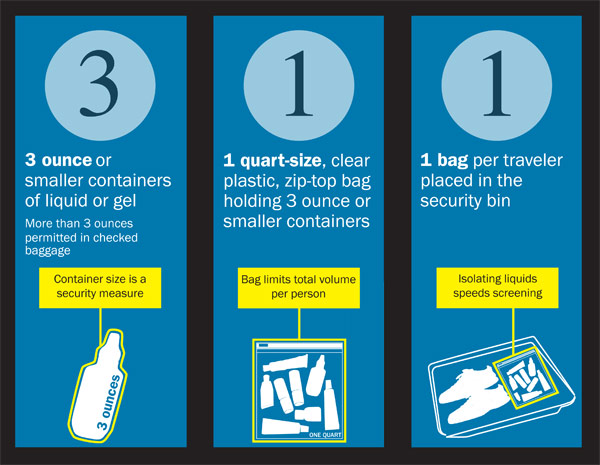
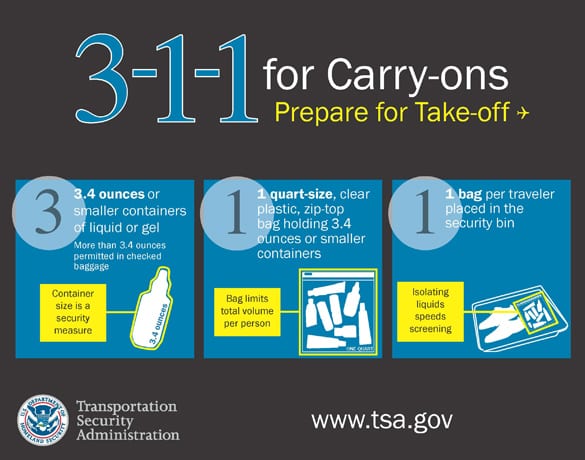
But what about those confusing liquid and gel rules? Don't worry, we've got the scoop: the 3-1-1 rule means you can bring 3.4 ounces or less of liquids, gels, and aerosols in 1 quart-sized zip-top bag, with only 1 bag per passenger. It's like playing a game of Tetris – you've got to fit all those tiny bottles and tubes into that one small bag.
Cultural References and Fun Facts
Did you know that the TSA screens over 2 million passengers every day? That's a lot of shoes, belts, and laptops being removed and scanned. On the bright side, those security lines are the perfect opportunity to catch up on your favorite podcast or book. And who knows, you might even make some new friends in line – after all, strangers become friends when they're both stuck in security.
/carrry-on-bags-size-weight-limits-1861874_final-5c7ed492c9e77c000136a81a.png)
Electronic Devices and Beyond
When it comes to electronic devices, the rules can get a bit fuzzy. The general rule is that laptops and tablets need to be removed from your carry-on bag and placed in a separate bin for screening. But what about smartphones and portable chargers? The good news is that these can usually stay in your bag, but it's always best to check with the TSA for the latest guidelines.
As we navigate the complexities of air travel, it's easy to get caught up in the hustle and bustle of it all. But at the end of the day, it's all about being prepared and staying flexible. Whether you're a seasoned traveler or a rookie flyer, the key to a stress-free flight is knowing what to expect – and having a good sense of humor doesn't hurt either.
![TSA Carry-On Rules: What You Can And Cannot Bring Through Security [2025]](https://www.thepointsanalyst.com/wp-content/uploads/2025/08/Image-9-1.jpeg)
Reflections on Daily Life
As we reflect on the TSA carry-on baggage regulations, it's clear that these rules are in place to keep us safe and secure. But they also remind us of the importance of being mindful and present in our daily lives. Whether we're flying to a new destination or just navigating our daily commute, it's all about being aware of our surroundings and adapting to new situations.
In the end, it's not just about the carry-on bag or the security rules – it's about the journey itself. So next time you're flying, take a deep breath, relax, and enjoy the ride. And who knows, you might even learn something new about the art of packing or the history of air travel. After all, as the saying goes, knowledge is power – and in this case, it's the power to navigate those security lines like a pro.