
Tsa Can You Take Food Through Security

As we navigate the complex world of air travel, one question often arises: can you take food through security? This inquiry may seem simple, but it delves into a realm of rules, regulations, and cultural nuances that define our traveling experiences. The history of airport security is a fascinating tale of evolution, from its humble beginnings to the sophisticated, technology-driven systems we see today. The first airport security checkpoints were introduced in the 1970s, primarily in response to hijacking incidents. Over the years, these checkpoints have become more stringent, especially following the events of September 11, 2001. Today, the Transportation Security Administration (TSA) is the frontline guardian of airport security in the United States, tasked with the daunting responsibility of balancing safety with convenience.
The ability to bring food through security is not just about personal preference; it's also about economics, health, and cultural identity. For many travelers, especially those with dietary restrictions or preferences, being able to carry their own food is a necessity. Moreover, the option to bring one's own meals can significantly reduce travel expenses, as airport food is often pricey. This topic touches on deeper issues of consumer choice, public health, and the travel experience, making it a critical aspect of modern air travel.
Understanding TSA Regulations
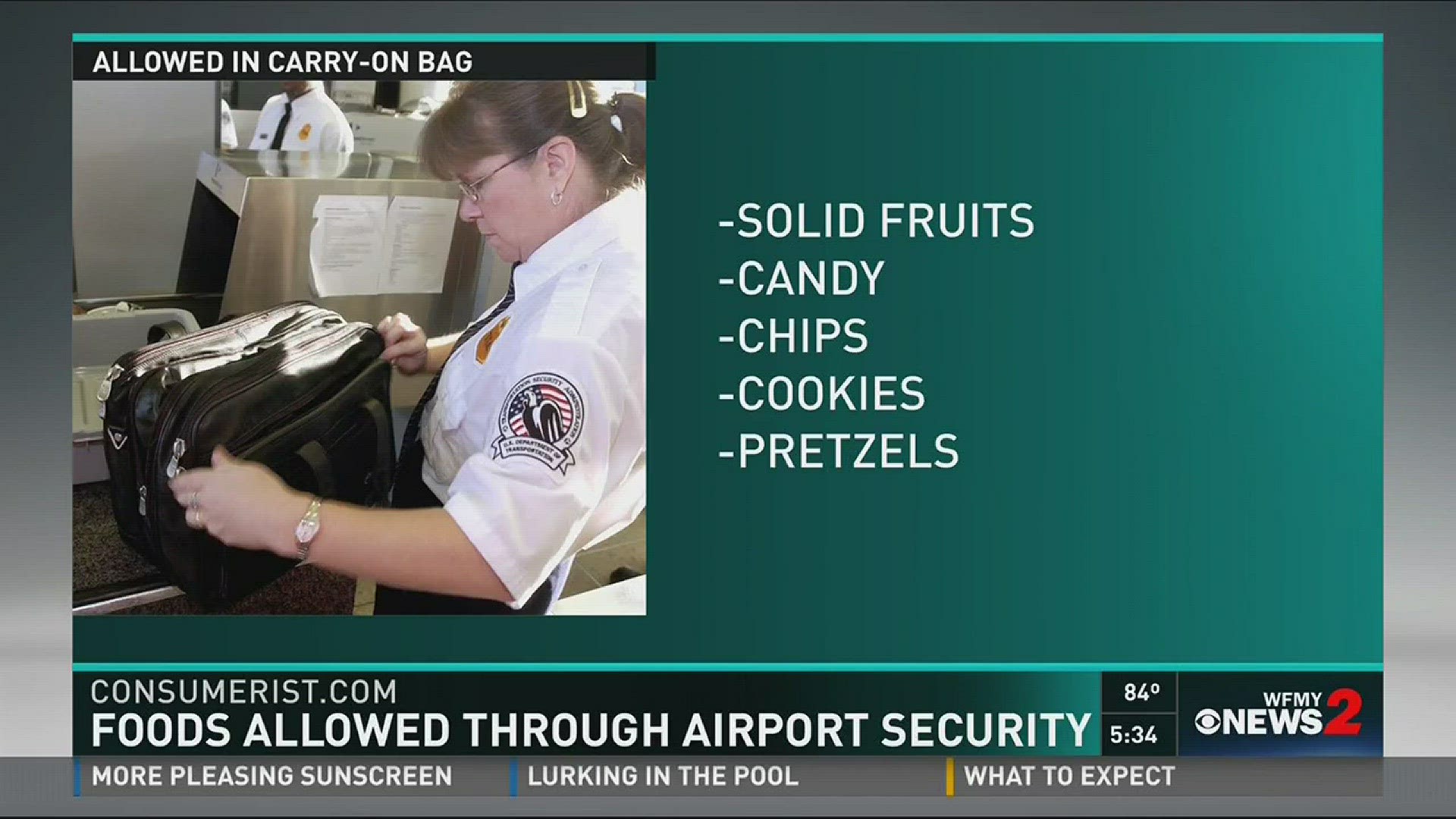
Delving into the specifics of TSA regulations regarding food, it's essential to understand that liquids, gels, and aerosols are subject to the 3-1-1 rule: 3 ounces or less per container, in a 1-quart bag, with only 1 bag per passenger. However, solid foods are generally allowed in carry-on bags. This distinction is crucial for travelers planning to bring meals or snacks through security checkpoints. Foods like sandwiches, fruits, and granola bars are typically permitted, but it's always a good idea to check the TSA's website for the most current information, as rules can change.
Must Read
There's also a psychological aspect to consider when discussing food and travel. The stress of navigating security, combined with the uncertainty of what can and cannot be brought aboard, can be overwhelming. Knowing the rules and being prepared can significantly reduce this stress, making the travel experience more enjoyable. Furthermore, the cultural impact of food in travel cannot be understated. For many, food is an integral part of their cultural identity and travel experience. Being able to share or enjoy traditional meals during flights can enhance the overall journey, fostering a sense of comfort and familiarity in unfamiliar environments.
The lesser-known facts about TSA regulations and food include the allowance of certain items that might seem prohibited at first glance, such as empty water bottles that can be filled after passing security checkpoints. This not only saves money but also reduces plastic waste, aligning with growing environmental concerns. Such nuances highlight the complexity and practicality of TSA rules, designed to balance security with passenger convenience and comfort.
Practical Insights for Travelers
For travelers looking to bring food through security, preparation is key. Knowing what foods are allowed and packing them appropriately can save time and reduce frustration during the security screening process. It's also essential to consider the packaging of the food; for instance, while sandwiches are allowed, they should be easily inspectable and not concealed in a way that could raise suspicions. Moreover, checking the TSA's website for updates before travel is advisable, as the list of permitted and prohibited items can change.

Case studies of travelers who have successfully navigated food through security checkpoints often highlight the importance of transparency and preparation. For example, a family traveling with a child who has specific dietary needs might find it beneficial to declare their food items clearly and be prepared to explain their situation to security personnel. This approach can facilitate smoother passage through security and reduce the risk of items being confiscated.
In addition to personal preparation, airline policies should also be considered. Some airlines offer pre-order meal services for passengers with specific dietary requirements, which can be a convenient option. However, being aware of these services and their deadlines is crucial for a hassle-free travel experience. Furthermore, cultural sensitivity plays a significant role in the travel experience, especially regarding food. Airlines and airports are increasingly accommodating diverse dietary needs, reflecting the global nature of air travel and the importance of inclusivity.
The scenario of a traveler facing a situation where their food item is not clearly identified as allowed or prohibited underscores the need for clear communication with TSA agents. Remaining calm, explaining the situation clearly, and being open to alternatives (such as consuming the item before passing through security or disposing of it) can resolve the issue efficiently. This interaction also highlights the human element of security checkpoints, where understanding and flexibility can go a long way in resolving potential conflicts.
Frequently Asked Questions
Can I Bring Homemade Food Through Security?
The answer to this question is generally yes, but with certain caveats. Homemade foods, especially if they are solid and not liquids, gels, or aerosols, are typically allowed through security checkpoints. However, it's crucial that these items are easily identifiable and not packaged in a way that could conceal prohibited items. Transparent packaging can be beneficial in such cases, allowing security personnel to inspect the contents without needing to open them.
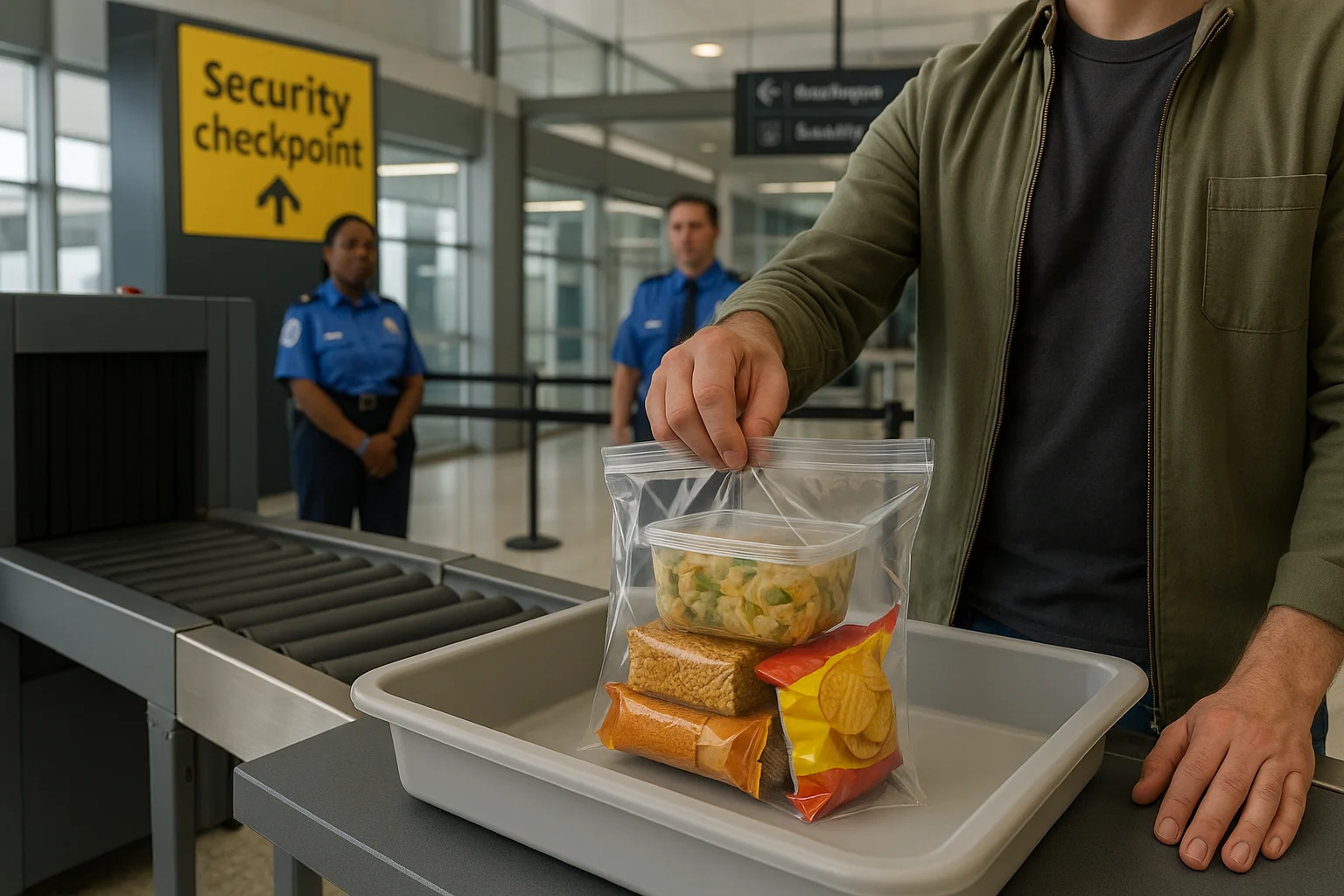
A key consideration for travelers planning to bring homemade food is the destination's regulations. While the TSA might allow certain food items, the destination country or state might have its own restrictions on bringing in external food products. Researching these regulations beforehand can prevent unexpected issues upon arrival. Moreover, the preparation method of the food can also impact its admissibility. For instance, foods that are perishable or require refrigeration might not be suitable for long flights unless properly packaged and maintained at a safe temperature.
How Do I Pack Food to Bring Through Security?
Packing food to bring through security requires a bit of planning to ensure a smooth experience. Using clear, quart-sized ziplock bags for any liquids, gels, or aerosols (if you have any) and keeping solid foods in easy-to-inspect containers can be helpful. It's also a good idea to keep food items easily accessible in your carry-on, so you can quickly remove them and place them in a bin for screening if required.
An often-overlooked aspect of packing food is considering the flight duration and the time spent in airports before boarding. Choosing foods that are non-perishable and do not spoil easily can prevent inconvenient situations during travel. Additionally, avoiding messy or strong-smelling foods can enhance the travel experience not just for you, but also for your fellow passengers, contributing to a more pleasant in-flight environment.
Are There Any Specific Foods That Are Always Prohibited?
While the TSA allows most solid foods, there are exceptions based on the destination and international regulations. For example, certain types of meat, dairy products, and plants might be prohibited when traveling to specific countries due to agricultural restrictions. It's essential to check with the destination country's embassy or consulate website for the most accurate and up-to-date information on prohibited food items.

Declaring food items at security checkpoints and upon arrival in a foreign country is crucial. Failure to declare prohibited or restricted items can result in fines or even legal action. This transparency not only helps in avoiding legal issues but also contributes to the protection of local ecosystems and agricultural industries. Furthermore, being aware of these regulations can foster a sense of global citizenship, encouraging responsible and respectful travel practices.
Can I Bring Food Items for My Infant or Toddler Through Security?
The TSA understands the needs of families traveling with infants or toddlers and accommodates them by allowing reasonable quantities of breast milk, formula, juice, and baby food in reasonable quantities exceeding 3.4 ounces, provided they are declared and screened. These items are exempt from the 3-1-1 liquids rule, but they might require additional screening, which could include X-ray or inspection.
When traveling with infants or toddlers, preparation is paramount. Bringing empty bottles or sippy cups that can be filled after security can be convenient. Moreover, considering the dietary needs of your child and packing accordingly can ensure their comfort and health during the flight. It's also advisable to check with your airline for their policies on baby food and formula, as some might offer these items on board or have specific recommendations for traveling families.
How Do I Handle Food Allergies or Dietary Restrictions When Bringing Food Through Security?
Travelers with food allergies or dietary restrictions face unique challenges when navigating airport security. The TSA allows medically necessary items, including food, provided they are declared and inspected. It's essential to carry a doctor's note or medical documentation explaining the condition and the necessity of the items being carried. This documentation can facilitate the screening process and avoid any confusion or issues at security checkpoints.
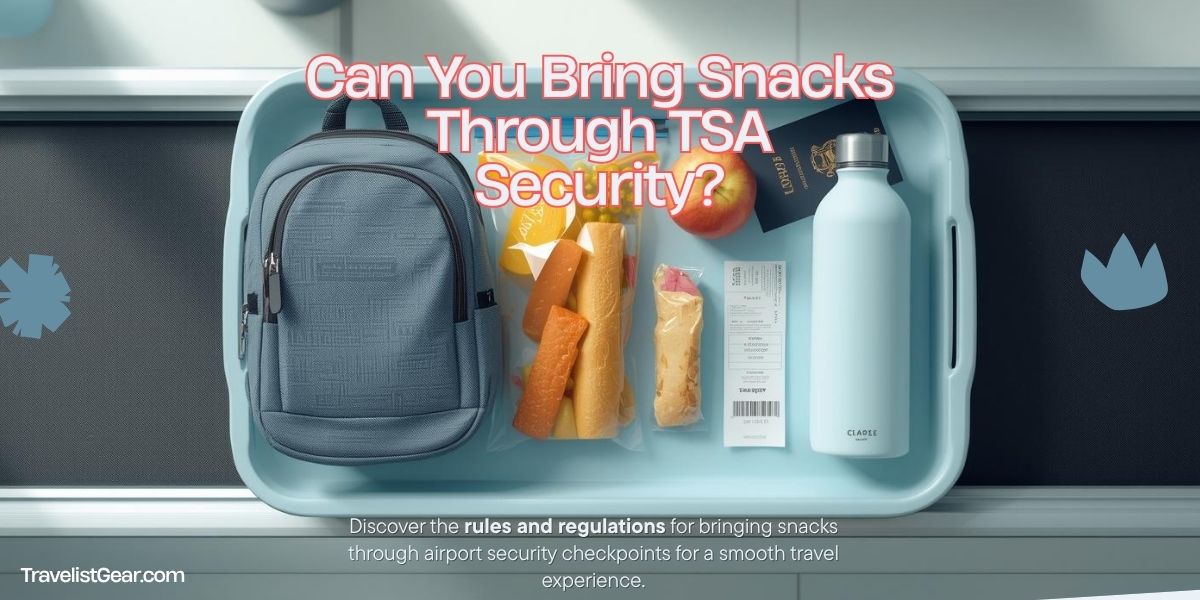
In addition to medical documentation, packing smart can significantly ease the travel experience for those with dietary restrictions. Choosing non-perishable, easy-to-prepare meals can be convenient. Moreover, researching airport amenities beforehand can help in identifying whether the departure or arrival airports have facilities or services catering to specific dietary needs, further enhancing the travel experience.
Reflections on Food, Security, and Human Nature
The discussion around taking food through security checkpoints reveals intriguing aspects of human nature and our relationship with travel and security. On one hand, it highlights our desire for comfort and familiarity even in the most controlled environments, such as airports. On the other hand, it showcases our resilience and adaptability in the face of stringent regulations, as we find ways to navigate these systems while maintaining our individuality and cultural identities.
The way we approach food in the context of air travel also mirrors broader societal trends, including the increasing awareness of health, environment, and global connectivity. The rise of plant-based diets, sustainable packaging, and the preference for homemade or locally sourced foods are all reflected in how we choose to transport and consume food during travel. This conscious approach to food not only impacts our personal health but also contributes to a more sustainable travel industry, underscoring the interconnectedness of our daily choices and global outcomes.
Ultimately, the experience of taking food through security serves as a microcosm for the human experience—full of regulations, uncertainties, and the pursuit of comfort and connection. As we continue to navigate the complex landscape of air travel, being informed, prepared, and considerate of others can make all the difference. By embracing these challenges with a sense of curiosity and empathy, we can transform even the most mundane aspects of travel into opportunities for growth, understanding, and meaningful connection.

![TSA Carry-On Rules: What You Can And Cannot Bring Through Security [2025]](https://www.thepointsanalyst.com/wp-content/uploads/2025/08/Image-2-8.jpeg)
:max_bytes(150000):strip_icc()/tsa-liquid-rules-carry-on-checked-bag-TSALIQUIDS0622-841fded886324b3e99b7713c8b8ae94b.jpg)
