Take Food Through Airport Security
As we stand in the long lines at airport security, rummaging through our bags to ensure we're not carrying any prohibited items, it's easy to forget the humble beginnings of this ritual. The need to take food through airport security has been a constant companion to travelers for decades, with its roots stretching back to the early days of commercial air travel. In the 1950s and 1960s, airports were more like train stations, with passengers free to carry their own food and drinks onto the plane. However, as air travel became more accessible and the number of passengers increased, the need for security measures became more pressing.
The first major shift in airport security came in the 1970s, with the introduction of metal detectors and X-ray machines. This was largely in response to a series of high-profile hijackings and bombings, which highlighted the need for stricter security protocols. For travelers, this meant that the food they carried onto the plane was subject to scrutiny, with certain items being prohibited or restricted. Despite these changes, the practice of taking food through airport security remained relatively unchanged, with passengers continuing to carry their own snacks and meals onto the plane.
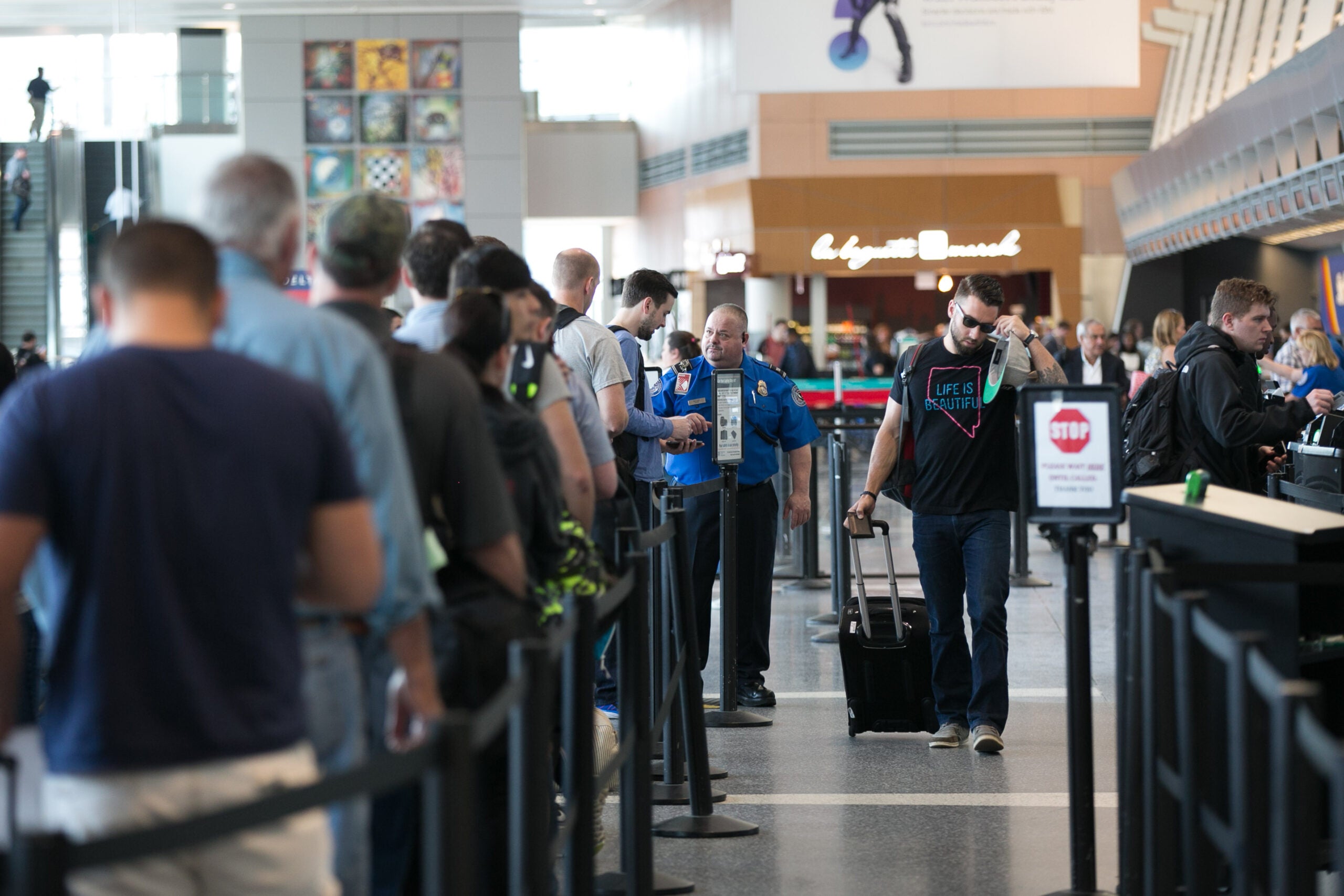
However, it wasn't until the 9/11 attacks in 2001 that airport security underwent a major transformation. The introduction of the Transportation Security Administration (TSA) marked a new era in airport security, with a focus on preventing terrorist attacks and ensuring the safety of passengers. For travelers, this meant a significant increase in security measures, including the prohibition of certain food items and the introduction of stricter screening protocols. Despite these changes, the human necessity behind taking food through airport security remained unchanged, with passengers continuing to seek out convenient and affordable options for eating on the go.
Must Read
A Brief History of Taking Food Through Airport Security
In the early days of commercial air travel, passengers were free to carry their own food and drinks onto the plane. This was largely due to the fact that airlines did not offer meal services, and passengers were expected to bring their own provisions. As air travel became more accessible, airlines began to offer meal services, but passengers continued to carry their own food onto the plane. The 1950s and 1960s saw the rise of iconic airport restaurants, such as the airport diner, which offered passengers a convenient and affordable option for eating before their flight.
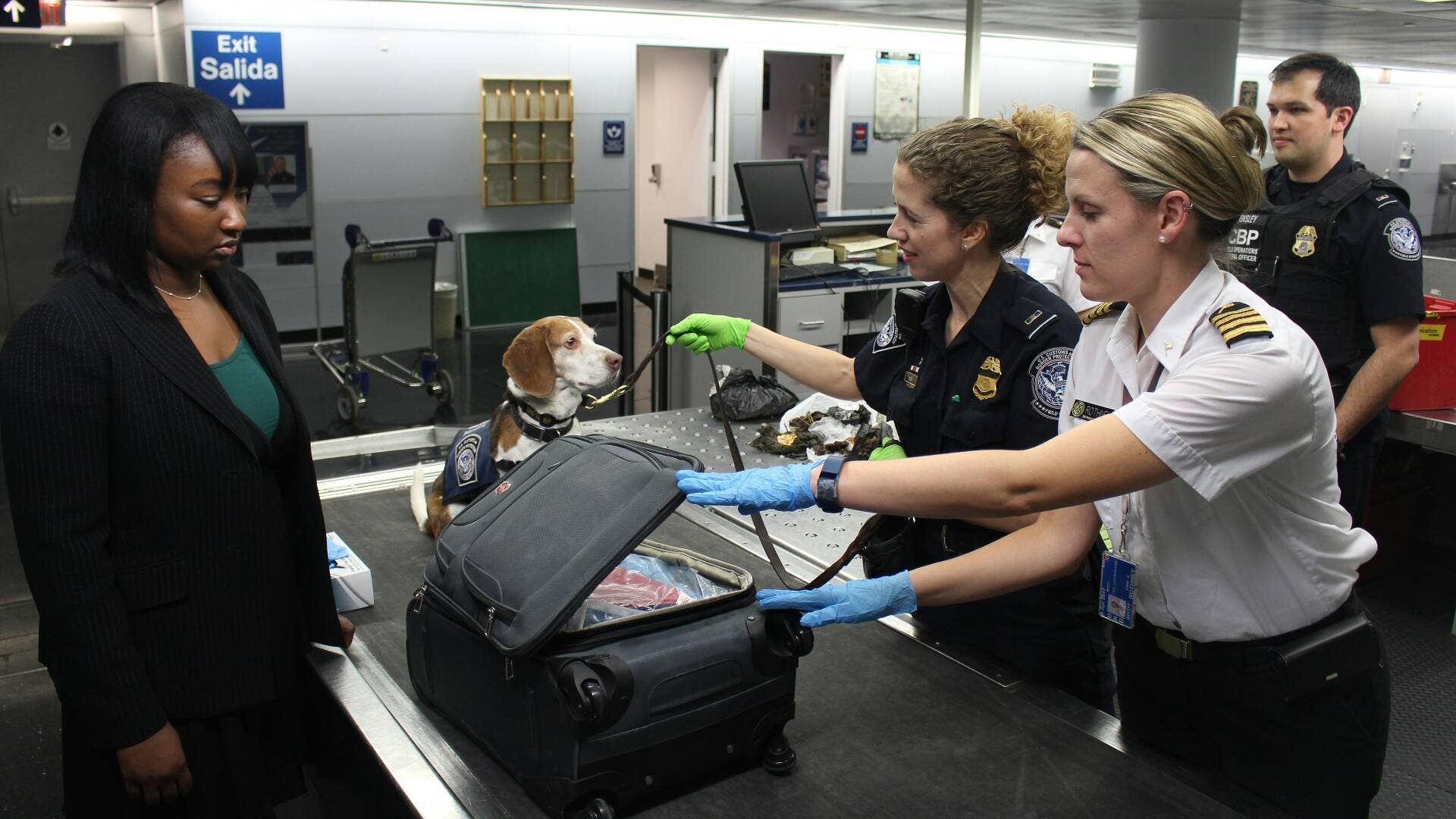
The 1970s and 1980s saw significant changes in the way airlines approached food service. With the introduction of deregulation, airlines were able to offer more competitive pricing, which led to a decrease in meal services. Passengers were once again expected to bring their own food onto the plane, or purchase it from airport vendors. This marked a significant shift in the way passengers interacted with airport security, as they were now required to declare certain food items and adhere to stricter screening protocols.

Despite these changes, the practice of taking food through airport security remained relatively unchanged. Passengers continued to carry their own snacks and meals onto the plane, with many opting for convenience foods such as sandwiches and fruit. The 1990s saw the rise of airport convenience stores, which offered passengers a wide range of food and drink options. However, it wasn't until the 2000s that airport security underwent a major transformation, with the introduction of stricter screening protocols and the prohibition of certain food items.
The 2010s saw significant advancements in airport security technology, with the introduction of advanced imaging technology and explosive detection systems. For travelers, this meant a more streamlined security process, with fewer restrictions on the types of food items that could be carried onto the plane. Despite these advancements, the practice of taking food through airport security remains a complex and often confusing process, with many passengers unsure of what items are permitted and what items are prohibited.
Modernizing the Art of Taking Food Through Airport Security
In recent years, there has been a significant shift in the way passengers approach taking food through airport security. With the rise of healthy eating and wellness, many passengers are opting for nutritious and sustainable food options. Airlines have responded to this trend by offering healthier meal options, and airport vendors are now offering a wide range of healthy snacks and meals. The use of technology has also played a significant role in modernizing the art of taking food through airport security, with many airports now offering mobile ordering and self-service kiosks.
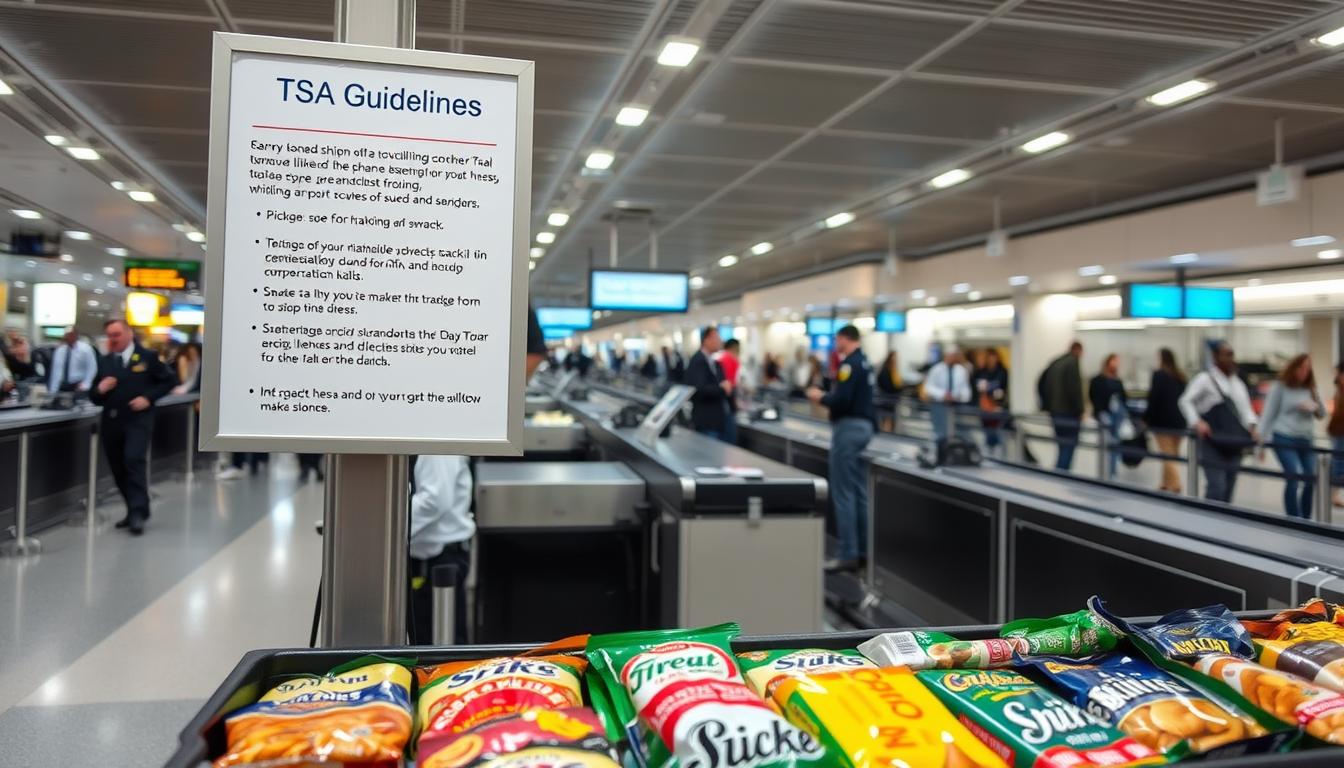
The sharing economy has also had a significant impact on the way passengers interact with airport security. With the rise of food delivery services and meal kit providers, passengers are now able to order food and have it delivered to their gate. This has marked a significant shift in the way passengers approach taking food through airport security, as they are now able to access a wide range of food options without having to leave the airport. Despite these advancements, the practice of taking food through airport security remains a complex and often confusing process, with many passengers unsure of what items are permitted and what items are prohibited.
Frequently Asked Questions
What are the current rules and regulations surrounding taking food through airport security?
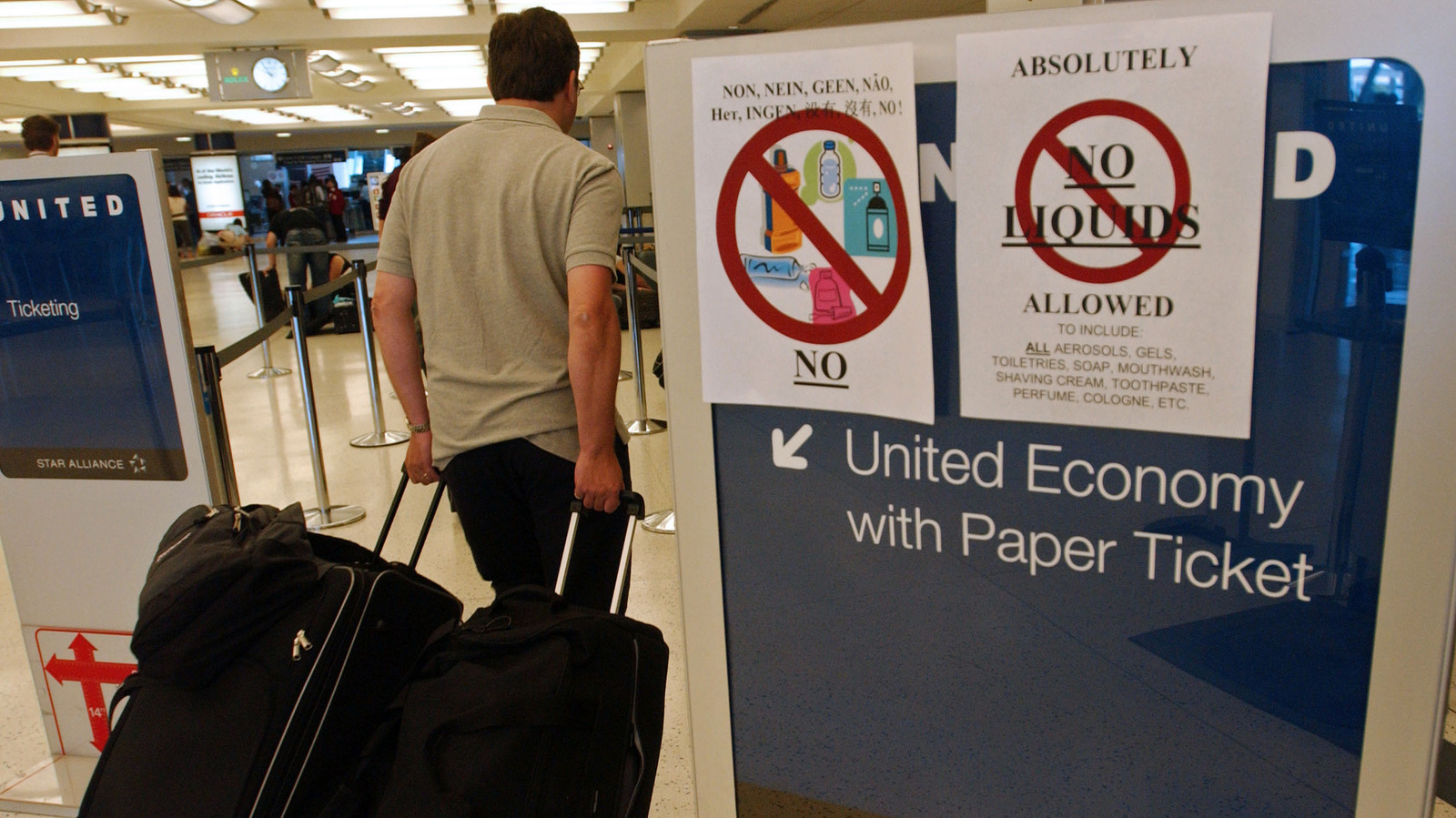
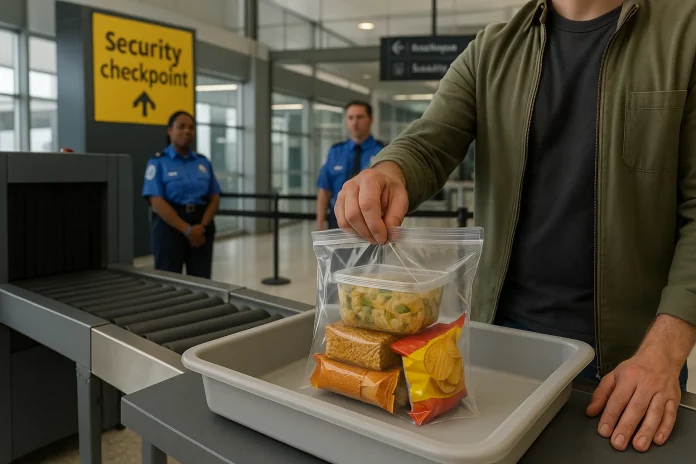
The current rules and regulations surrounding taking food through airport security are complex and often confusing. According to the TSA, passengers are permitted to carry solid food items, such as sandwiches and fruit, onto the plane. However, liquids and gels are subject to stricter screening protocols, and passengers are required to declare these items at security checkpoints. The TSA also prohibits certain food items, such as fresh meat and dairy products, due to concerns over food safety and security.
Despite these regulations, many passengers are unsure of what items are permitted and what items are prohibited. The TSA has responded to this confusion by introducing a range of resources, including online guides and mobile apps, to help passengers navigate the security process. Airlines have also introduced their own policies and procedures, with some offering pre-approved food items and special meal services for passengers with dietary restrictions. By understanding the current rules and regulations surrounding taking food through airport security, passengers can ensure a smooth and hassle-free travel experience.

How have advances in technology impacted the practice of taking food through airport security?
Advances in technology have had a significant impact on the practice of taking food through airport security. The introduction of advanced imaging technology and explosive detection systems has marked a significant shift in the way security screening is conducted. These technologies have enabled security personnel to detect and prevent a wide range of security threats, including explosives and prohibited items. For passengers, this has meant a more streamlined security process, with fewer restrictions on the types of food items that can be carried onto the plane.
The use of mobile technology has also played a significant role in modernizing the art of taking food through airport security. Many airports now offer mobile ordering and self-service kiosks, which enable passengers to order food and drinks without having to leave the airport. This has marked a significant shift in the way passengers interact with airport security, as they are now able to access a wide range of food options without having to wait in line or navigate complex security protocols. By leveraging advances in technology, airports and airlines can improve the passenger experience, reduce wait times, and increase security.
What does the future hold for taking food through airport security?
The future of taking food through airport security is likely to be shaped by advances in technology and changing passenger needs. As air travel continues to evolve, passengers are likely to demand more convenient and sustainable food options. Airlines and airports are responding to this trend by introducing healthy eating and wellness initiatives, which include offering nutritious and sustainable food options. The use of biometrics and artificial intelligence is also likely to play a significant role in shaping the future of airport security, with many airports now exploring the use of facial recognition technology and predictive analytics to improve the security process.

Despite these advancements, the practice of taking food through airport security is likely to remain a complex and often confusing process. As security threats continue to evolve, airports and airlines will need to adapt their policies and procedures to ensure the safety and security of passengers. By understanding the current rules and regulations surrounding taking food through airport security, and by leveraging advances in technology, passengers can ensure a smooth and hassle-free travel experience. As the future of air travel continues to unfold, one thing is certain - the practice of taking food through airport security will remain an essential part of the travel experience.
As we look to the future, it's clear that the practice of taking food through airport security will continue to evolve. With the rise of sustainable aviation and eco-friendly travel, passengers are likely to demand more environmentally-friendly food options. Airlines and airports are responding to this trend by introducing zero-waste initiatives and carbon offsetting programs, which aim to reduce the environmental impact of air travel. The use of technology will also play a significant role in shaping the future of airport security, with many airports now exploring the use of blockchain technology and Internet of Things (IoT) devices to improve the security process.
Despite these advancements, the human necessity behind taking food through airport security will remain unchanged. As passengers continue to travel by air, they will always require access to convenient and affordable food options. By understanding the historical context and evolution of this practice, we can better appreciate the complexities and challenges involved in taking food through airport security. As we look to the future, it's clear that the practice of taking food through airport security will remain an essential part of the travel experience, with passengers continuing to seek out convenient, sustainable, and delicious food options as they travel by air.