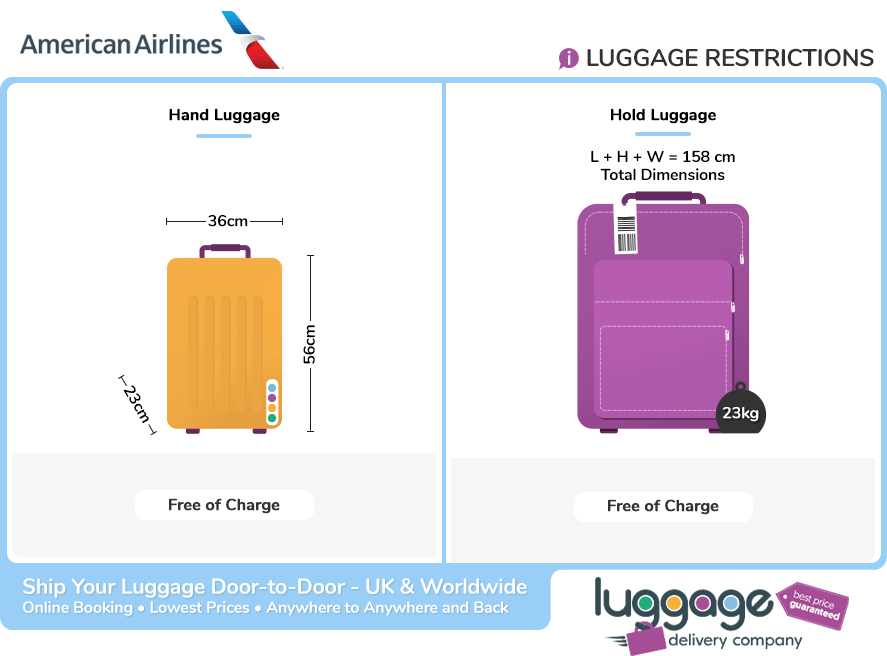
Standard Luggage Size For Airlines

Traveling by air can be a thrilling experience, but it can also be a daunting task, especially when it comes to packing and checking in luggage. Knowing the standard luggage size for airlines is crucial to avoid any hassle or extra fees at the airport. By understanding the size restrictions, you can plan your trip more efficiently and enjoy a stress-free journey.
The purpose of having a standard luggage size is to ensure that all bags fit in the overhead bins or under the seat in front of you, making the most of the available space on the plane. This also helps airlines to optimize their storage capacity and reduce the risk of delays. By adhering to these size restrictions, you can help make the boarding process smoother and faster for everyone.
Understanding Luggage Size Restrictions
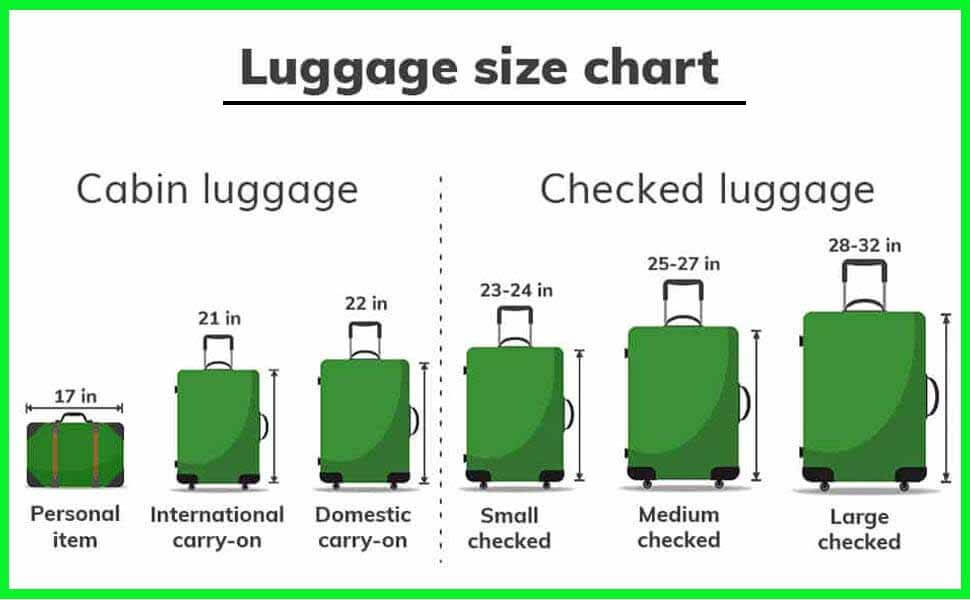
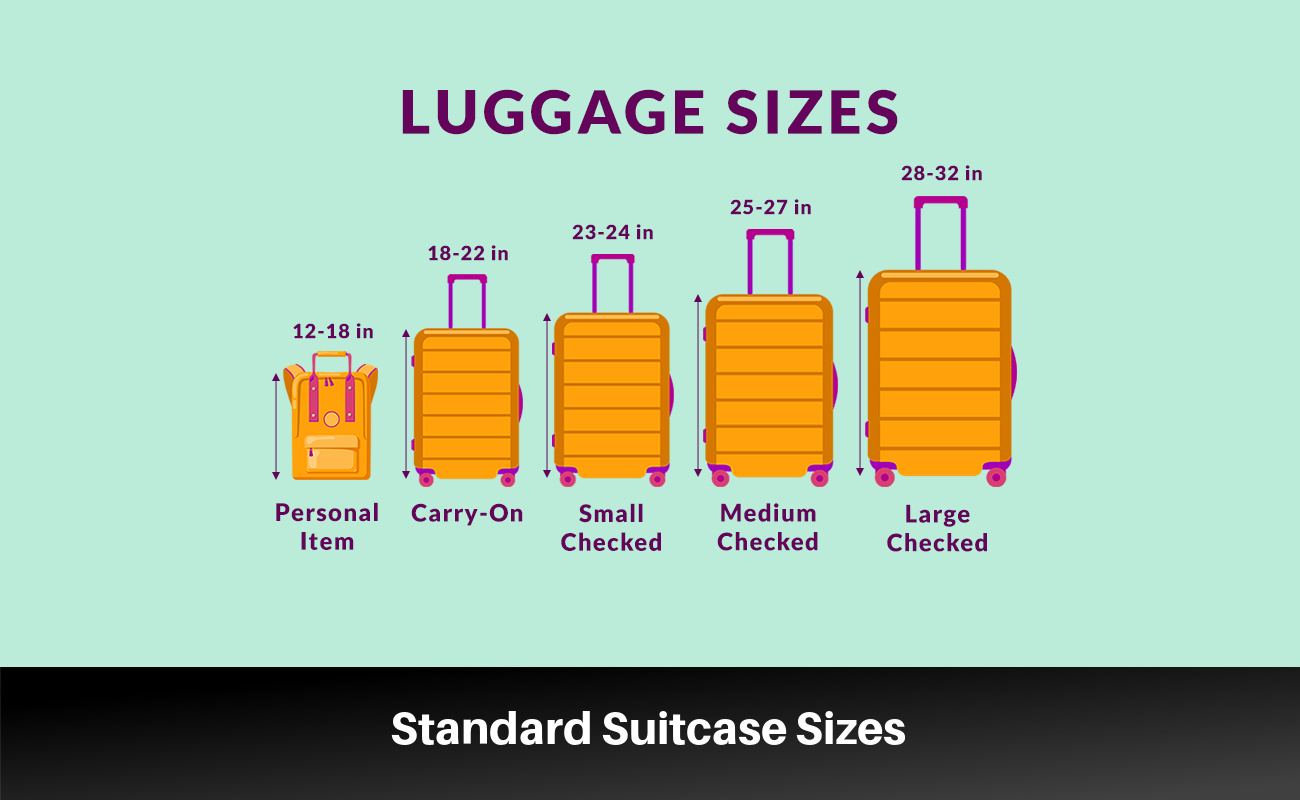
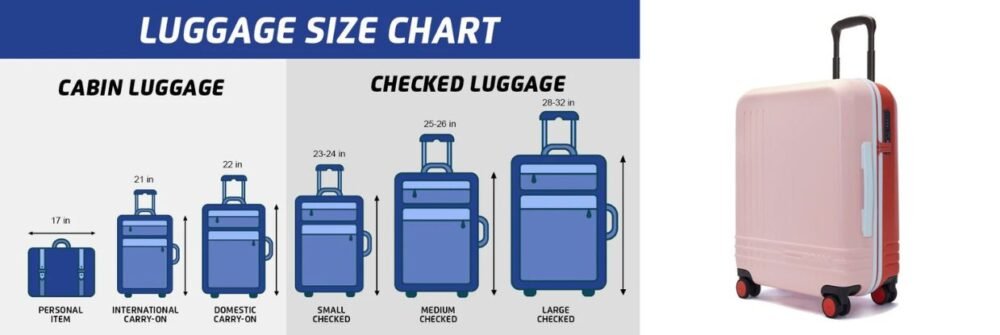
Airlines have implemented luggage size restrictions to standardize the size of bags that can be carried on board. These restrictions vary from one airline to another, but most follow the International Air Transport Association (IATA) guidelines. Typically, the maximum size for a carry-on bag is 22 inches tall, 14 inches wide, and 9 inches deep.
Must Read
The key to avoiding extra fees is to check with your airline for their specific luggage size requirements before your trip.This will give you a clear idea of what size bag you can bring on board and what needs to be checked in. By doing so, you can pack accordingly and avoid any last-minute surprises at the airport.
Another benefit of knowing the standard luggage size is that it helps you pack smarter. By choosing a bag that meets the size requirements, you can make the most of the available space and pack more efficiently. This is especially useful for business travelers or adventure seekers who need to carry specific gear or equipment.

In addition to size restrictions, airlines also have weight limits for checked and carry-on luggage. These limits vary depending on the airline and the class of travel, so it's essential to check with your airline before your trip. By being mindful of these limits, you can avoid extra fees and ensure a smooth check-in process.
Packing Tips and Tricks
Once you know the standard luggage size for your airline, you can start planning your packing strategy. Packing cubes can be a great tool to help you organize your belongings and make the most of the available space. By rolling your clothes and using compression bags, you can also reduce the size of your bag and make it easier to fit in the overhead bin.

A well-packed bag is not only more efficient but also reduces the risk of damage or loss during transit.By taking the time to plan and pack your luggage carefully, you can enjoy a more relaxed and enjoyable journey. Whether you're a seasoned traveler or embarking on your first trip, knowing the standard luggage size for airlines is an essential part of any travel plan.
In conclusion, understanding the standard luggage size for airlines is crucial for a hassle-free and enjoyable travel experience. By knowing the size restrictions and packing smart, you can avoid extra fees, reduce the risk of delays, and make the most of your trip. So next time you're planning a trip, be sure to check with your airline for their specific luggage size requirements and pack accordingly.