
Southwest Carry On Bags Policy

Southern hospitality meets aviation - for many, flying with Southwest Airlines is about more than just getting from point A to point B. It's an experience, complete with free checked bags, no change fees, and an unorthodox boarding process that has become synonymous with the brand. But, one crucial aspect of this experience often goes underappreciated: the carry-on bag policy. In an era where every inch counts, and every pound matters, understanding the ins and outs of carry-on bag policies can make all the difference in your travel experience.
The history of carry-on bag policies across airlines is a story of trial and error, with each carrier trying to find the perfect balance between passenger convenience and operational efficiency. For Southwest, this journey has been particularly interesting, given its unique position in the market as a low-cost carrier that doesn't charge for the first two checked bags. But why does the carry-on policy matter today? In an age of increasing fees and decreasing free perks, knowing what you can and can't take onboard can save you money, reduce stress, and make your travel day smoother.
Understanding the Southwest Carry-On Policy
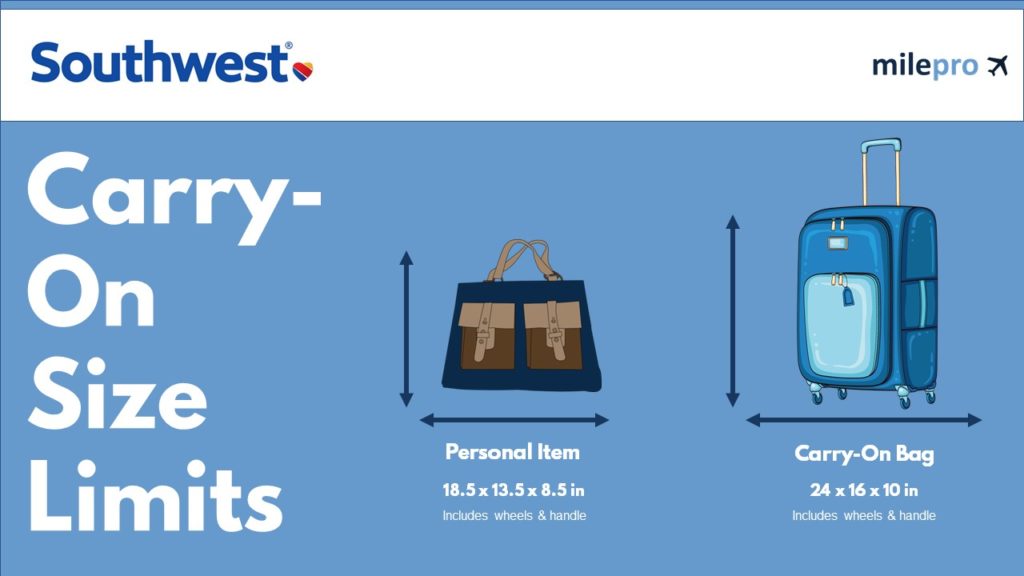
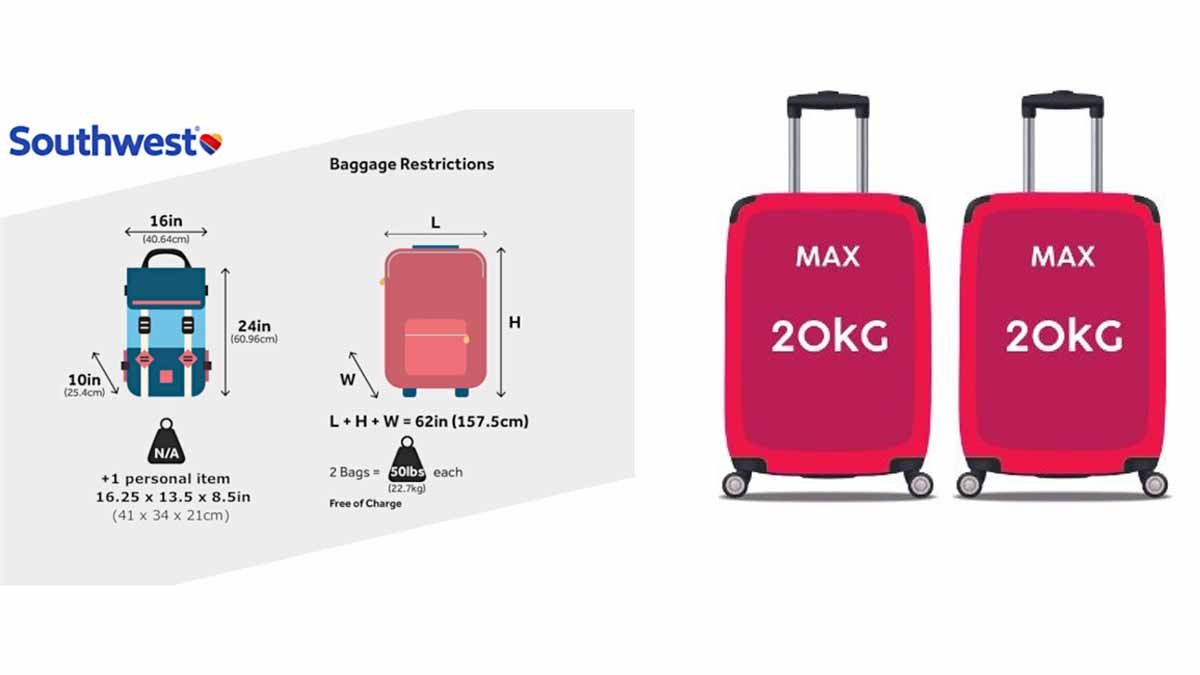
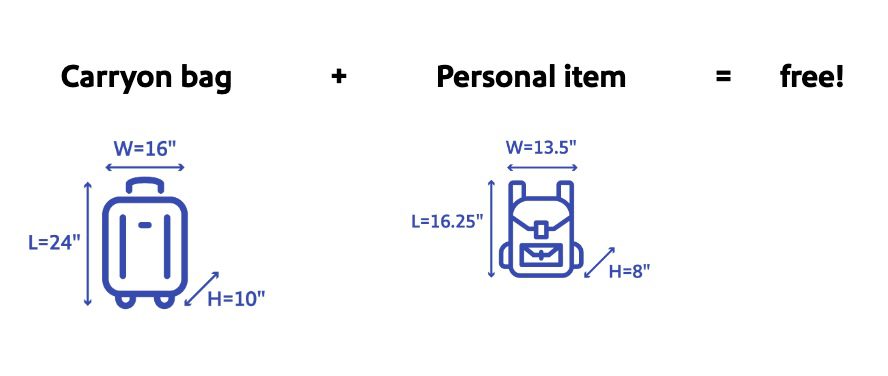
Diving into the specifics, Southwest allows each passenger to bring one carry-on bag and one personal item onboard for free. The carry-on bag should fit in the overhead bin or under the seat in front of you, with maximum dimensions of 24" x 16" x 10". This policy is straightforward but often misunderstood, leading to confusion at the gate. For instance, items like jackets, umbrellas, and diaper bags are considered personal items, not carry-ons, and thus, are not subject to the size restrictions. Flexibility is key here; understanding these nuances can help you pack efficiently and avoid any last-minute Gate-Checks that might slow down your boarding process.
Must Read
- Heart Of Mexico City Football: Pinpointing The Azteca Stadium Location
- Guadalajara Stadium Parking Guide: Avoid The Matchday Traffic
- Houston Stadium Bag Policy: Clear Bag Rules For Visitors
- Sofi Stadium Capacity: How Many Fans It Can Hold
- Reliant Stadium Parking: A Guide To The Old Name And Current Venue
Beyond the basics, there are lesser-known facts about Southwest's carry-on policy that can make a significant difference for travelers. For example, if your carry-on bag doesn't fit in the overhead bin, Southwest gate agents may offer to gate-check it for you, free of charge. This service can be a lifesaver, especially for those connecting flights or who have strict timelines to keep. Moreover, cultural references abound in how we perceive and utilize carry-on space. Think about it: the carry-on bag has become an extension of our personal space, a reflection of our travel style, and an indicator of our preparedness for the unexpected.
The psychological aspect of carry-on policies shouldn't be underestimated. The anxiety of worrying whether your bag will fit, the stress of seeing the overhead bins fill up, and the relief of successfully stowing your belongings all play into the overall travel experience. For frequent flyers, this becomes a subconscious game of strategy and skill, where the goal is not just to get to your destination but to do so with a sense of accomplishment and minimal hassle. And for Southwest, balancing passenger needs with operational realities is a delicate dance, one that requires constant communication and flexibility to maintain the airline's signature hospitality.
Practical Insights for Travelers
So, how can travelers make the most out of Southwest's carry-on policy? First, packing smart is key. This means choosing multi-purpose items, rolling your clothes to save space, and utilizing every nook and cranny of your carry-on. It also involves being mindful of the items you truly need versus those you can live without for the duration of your trip. For families traveling with infants, the ability to bring a diaper bag in addition to a carry-on can be a godsend, providing necessary items for baby care without sacrificing personal space.
![How Early Can You Check Bags Southwest? [Air Travel Guideline]](https://logds.com/wp-content/uploads/2023/07/Understanding-Southwest-Airlines-Baggage-Policy.webp)
Another scenario to consider is the early bird check-in strategy. While Southwest's boarding process doesn't assign seats, checking in early can secure you a better boarding position, which in turn increases your chances of finding space in the overhead bins for your carry-on. This is particularly useful for passengers traveling with larger or oddly shaped items that may not fit under the seat. Moreover, being prepared for the unexpected, such as a full flight or a sudden change in weather requiring additional clothing, can make a significant difference in how smoothly your trip unfolds.
For business travelers, the carry-on policy presents unique opportunities. With the ability to bring a carry-on and a personal item, professionals can easily pack everything needed for a short trip, from laptops and tablets to notebooks and charging cables, all while avoiding the wait for checked luggage. This efficiency can be a game-changer for those on tight schedules, allowing for maximum productivity from the moment of arrival.
In terms of case studies, consider the story of a frequent Southwest flyer who, after mastering the art of packing light, was able to reduce her travel stress significantly. By minimizing her carry-on to only the essentials and utilizing every available space, she not only ensured a smoother boarding process but also found more time to enjoy the in-flight amenities or simply relax. This small adjustment had a profound impact on her travel experience, highlighting the potential for Southwest's carry-on policy to influence not just the logistical aspects of travel but the overall quality of the journey.
Frequently Asked Questions
What are the dimensions for a carry-on bag on Southwest Airlines?
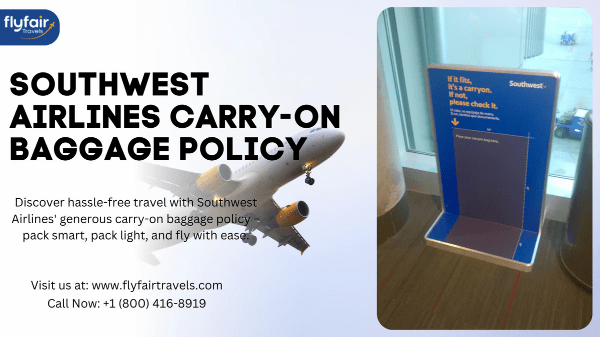
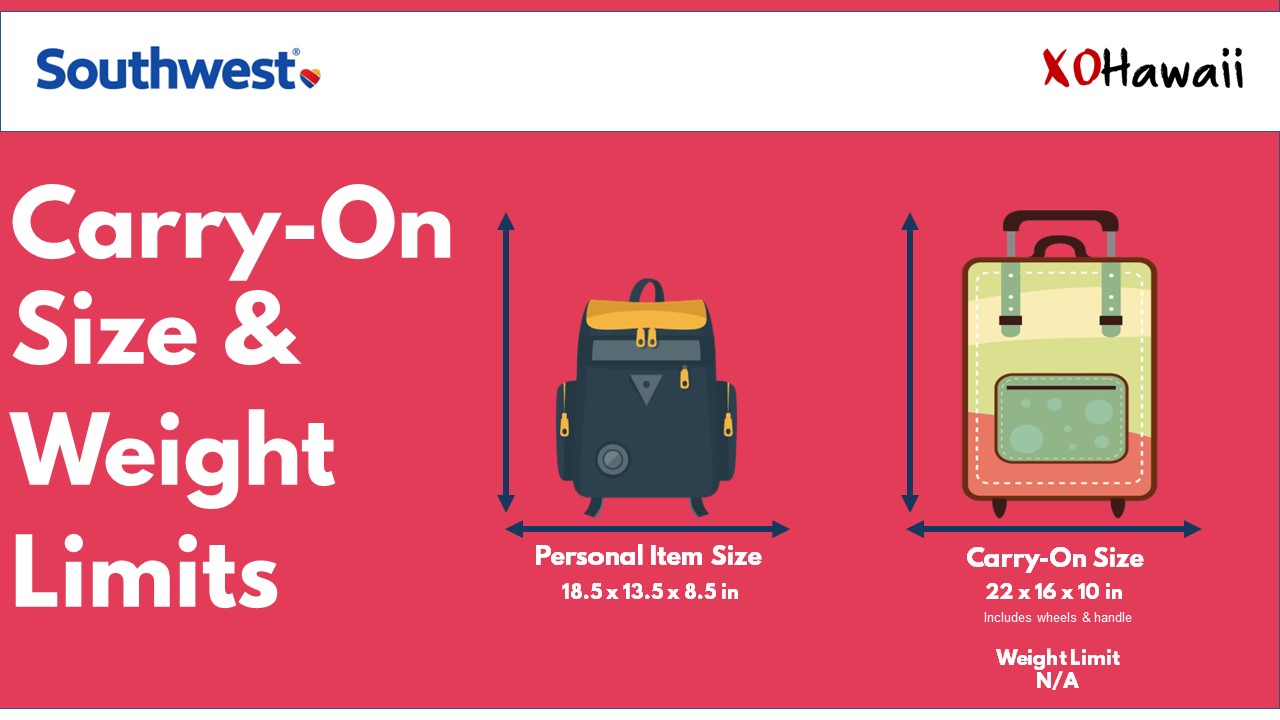
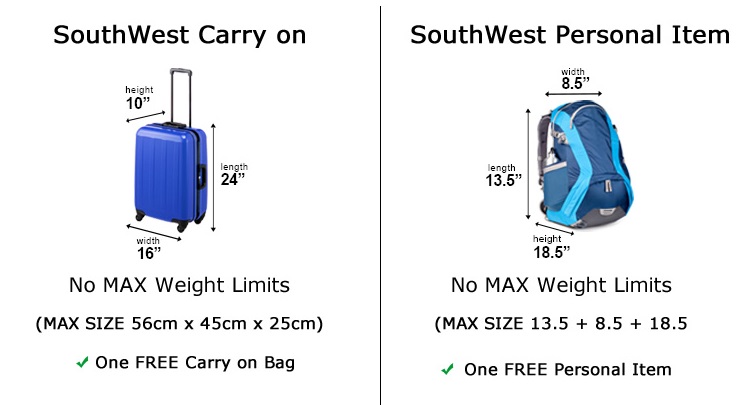
The dimensions for a carry-on bag on Southwest Airlines are 24" x 16" x 10". It's crucial to adhere to these dimensions to ensure your bag fits either in the overhead bin or under the seat in front of you. Failure to comply might result in your bag being gate-checked, which, although free, can still cause inconvenience, especially if you have essentials like medications or laptops that you prefer to keep with you.
Understanding these dimensions is not just about avoiding gate-checks; it's also about respecting fellow passengers. When everyone adheres to the size limits, the boarding process runs more smoothly, and in-flight comfort is improved for all. Moreover, being considerate of the carry-on space dostup available can lead to a more harmonious travel environment, where each passenger feels valued and respected.
How many carry-on bags can I bring on Southwest Airlines?
Southwest Airlines allows each passenger to bring one carry-on bag and one personal item onboard. This policy is designed to balance passenger convenience with the need to maintain efficient boarding and deplaning processes. The personal item, which can be a purse, briefcase, or backpack, must fit under the seat in front of you, while the carry-on bag should fit in the overhead bin.
It's worth noting that this policy, while restrictive, is part of what makes Southwest unique. By limiting the number of carry-on items, the airline can keep its fares competitive and ensure that the boarding process, which can often be a bottleneck in the travel experience, runs as smoothly as possible. Additionally, this limitation encourages travelers to pack efficiently, which can lead to less clutter in the cabin and a more comfortable flying experience for all passengers.
Can I bring a musical instrument as a carry-on on Southwest Airlines?
Southwest Airlines does allow musical instruments as carry-ons, provided they fit in the overhead bin or under the seat in front of you. However, there are specific guidelines and restrictions to be aware of, especially for larger instruments. In some cases, you might need to purchase an additional seat to accommodate your instrument safely, ensuring both the instrument and fellow passengers are protected during the flight.
The policy on musical instruments reflects Southwest's commitment to accommodating the diverse needs of its passengers, including musicians traveling to performances or events. By providing clear guidelines, the airline helps musicians plan ahead, ensuring their valuable instruments are handled with care and arrive at their destination safely. This not only enhances the travel experience for musicians but also contributes to the cultural richness of the destinations they visit, supporting the arts and creative pursuits.
How do I measure my carry-on bag to ensure it fits Southwest's dimensions?
To measure your carry-on bag, place it on the floor or a flat surface and use a ruler or tape measure to check its length, width, and height. Make sure to include any wheels, handles, or other protrusions in your measurements, as these can affect whether your bag fits within Southwest's specified dimensions. If you're still unsure, you can check your bag against the sizing boxes available at Southwest gates or consult with airline staff for guidance.
The process of measuring and preparing your carry-on is an integral part of the travel planning process. By doing so, you not only avoid potential issues at the gate but also contribute to a more organized and respectful travel environment. This attention to detail can set the tone for your entire journey, turning what might otherwise be a source of stress into an opportunity to practice mindfulness and preparation.
What happens if my carry-on bag doesn't fit in the overhead bin or under the seat on Southwest Airlines?
If your carry-on bag doesn't fit, Southwest gate agents may offer to gate-check it for you, free of charge. This means your bag will be taken at the gate, checked into the cargo hold, and returned to you upon arrival. While this service is convenient and saves you from having to check a bag at the counter, it's essential to remove any valuable, fragile, or essential items from your carry-on before it's gate-checked, to prevent loss or damage.
The gate-checking process highlights Southwest's emphasis on customer service and flexibility. By providing this option, the airline demonstrates its commitment to accommodating passengers' needs, even when unexpected situations arise. It also underscores the importance of being prepared and adaptable during travel, as unforeseen circumstances can occur. By being aware of this option and planning accordingly, travelers can better navigate such situations, ensuring their journey remains as smooth as possible.
Reflections on Carry-On Culture
As we explore the intricacies of Southwest's carry-on policy, it becomes clear that this aspect of travel is about more than just bags and dimensions; it's about human nature and our relationship with space and possessions. The way we pack, what we choose to bring, and how we navigate the confines of an aircraft cabin reflect deeper aspects of our personalities, priorities, and values. In this sense, the carry-on policy is not just a practical guideline but a cultural phenomenon that reveals our attitudes towards convenience, community, and personal space.
The carry-on bag has become an extension of ourselves, a tangible manifestation of our travel personas. It contains not just our belongings but also our hopes, anxieties, and expectations for the journey ahead. As such, how airlines manage carry-on policies can significantly impact the passenger experience, influencing everything from stress levels to overall satisfaction. For Southwest, its carry-on policy is part of a broader strategy to create a distinctive travel experience, one that blends efficiency with empathy and understands the emotional nuances of flying.
In reflecting on how the carry-on policy connects to our daily lives, it's evident that the lessons learned from traveling can be applied to other areas of life. The discipline of packing smart, the patience required for boarding, and the resilience needed to adapt to changing circumstances are all transferable skills that can enhance our personal and professional lives. Moreover, the cultural and psychological aspects of carry-on policies underscore the importance of empathy, flexibility, and respect for shared spaces in our daily interactions, whether in the air or on the ground.

/carrry-on-bags-size-weight-limits-1861874_final-5c7ed492c9e77c000136a81a.png)