Size Of Liquids In Carry On Baggage
:max_bytes(150000):strip_icc()/tsa-liquid-rules-carry-on-checked-bag-TSALIQUIDS0622-841fded886324b3e99b7713c8b8ae94b.jpg)
Hey there, fellow travelers! Have you ever found yourself standing in front of a security scanner at the airport, wondering what you can and can't bring in your carry-on baggage? I know I have, and it's always a bit of a guessing game when it comes to liquids.
So, what's the deal with liquids in carry-on baggage? Why are there rules in the first place? Well, it's all about safety, of course. The Transportation Security Administration (TSA) has strict guidelines to ensure that we're all protected while flying. But, let's be real, it can be a bit confusing at times.
Understanding the 3-1-1 Liquids Rule
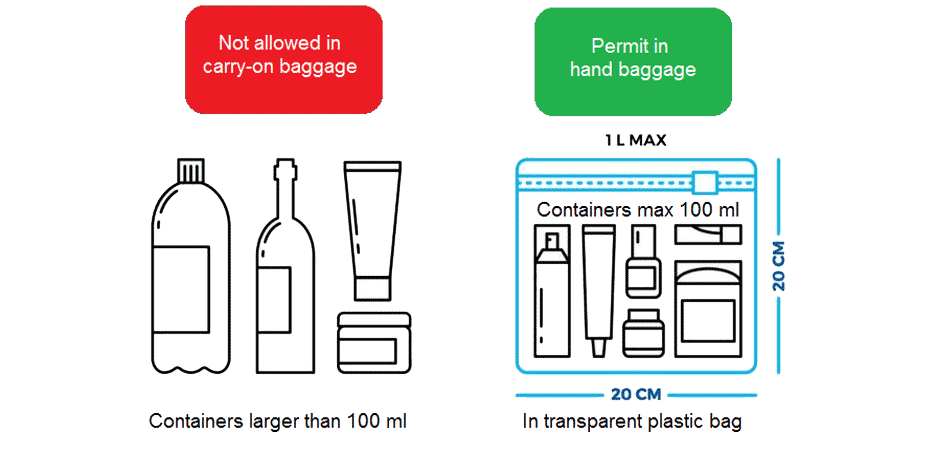
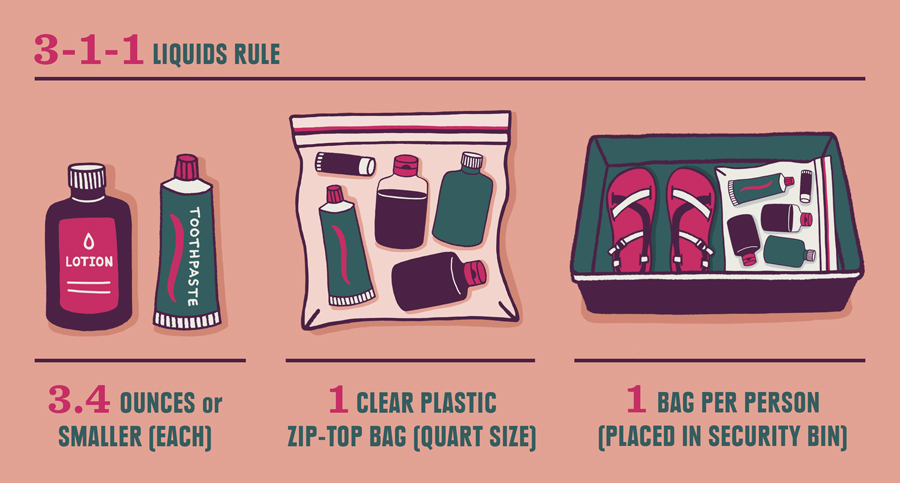
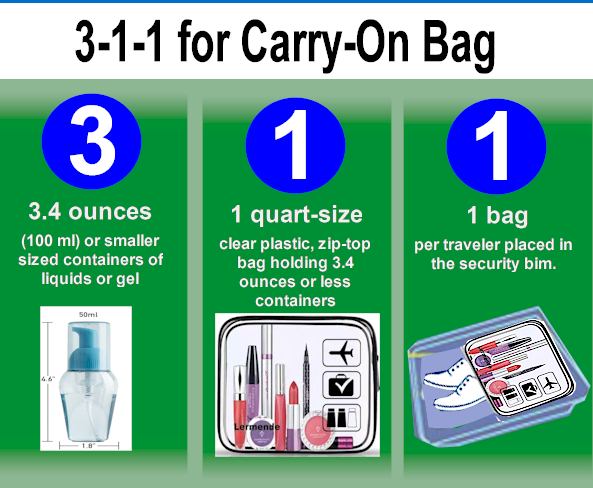
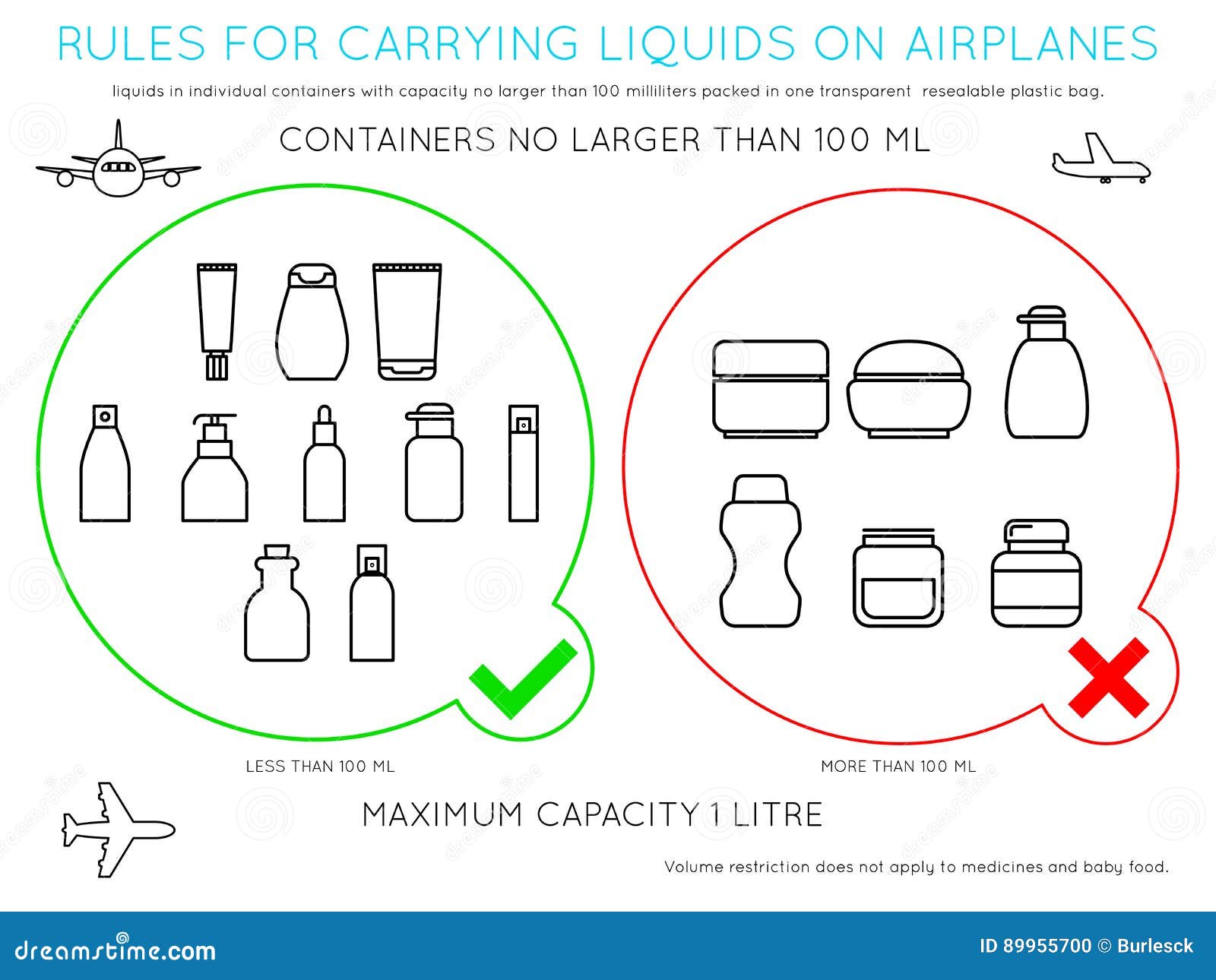
The TSA's 3-1-1 liquids rule states that you can bring liquids, gels, and aerosols in containers of 3.4 ounces (100 milliliters) or less. That's roughly the size of a small toothpaste tube or a travel-sized shampoo bottle. But, what about larger items, like your favorite perfume or sunscreen?
Must Read
Think of it like this: if you can fit it in a clear, quart-sized zip-top bag, you're good to go! That's the magic bag that can hold all your liquids, gels, and aerosols. It's like a special suitcase just for your tiny toiletries. But, remember, only one bag per passenger is allowed, so choose wisely!
Liquids, Gels, and Aerosols: What's the Difference?
So, what exactly counts as a liquid, gel, or aerosol? The TSA considers anything that's wet, sticky, or sprays to be a liquid or gel. That includes things like lip balm, hair gel, and even contact lens solution. Aerosols, on the other hand, are things like hairspray or deodorant.
But, here's the thing: some items, like medications or baby formula, are exempt from the 3-1-1 rule. You can bring these items in larger quantities, but you'll need to declare them at security. It's like having a special pass that lets you bypass the usual rules.
Why These Rules Matter
So, why are these rules so important? Well, it's all about keeping us safe while we're flying. The TSA's guidelines are in place to prevent any hazardous materials from making it onto the plane. It's like having a protective shield around us, keeping us safe from harm.
It's also worth noting that these rules can vary depending on the country you're flying to or the airline you're flying with. Some countries have stricter guidelines, while others may be more lenient. It's always a good idea to check ahead of time to avoid any last-minute surprises.
Tips and Tricks for Packing Liquids
So, how can you make sure you're TSA-compliant when it comes to packing liquids? One tip is to plan ahead and pack only what you need. You can also use travel-sized containers or decant your liquids into smaller bottles. It's like playing a game of Tetris, where you need to fit all the pieces together just right.

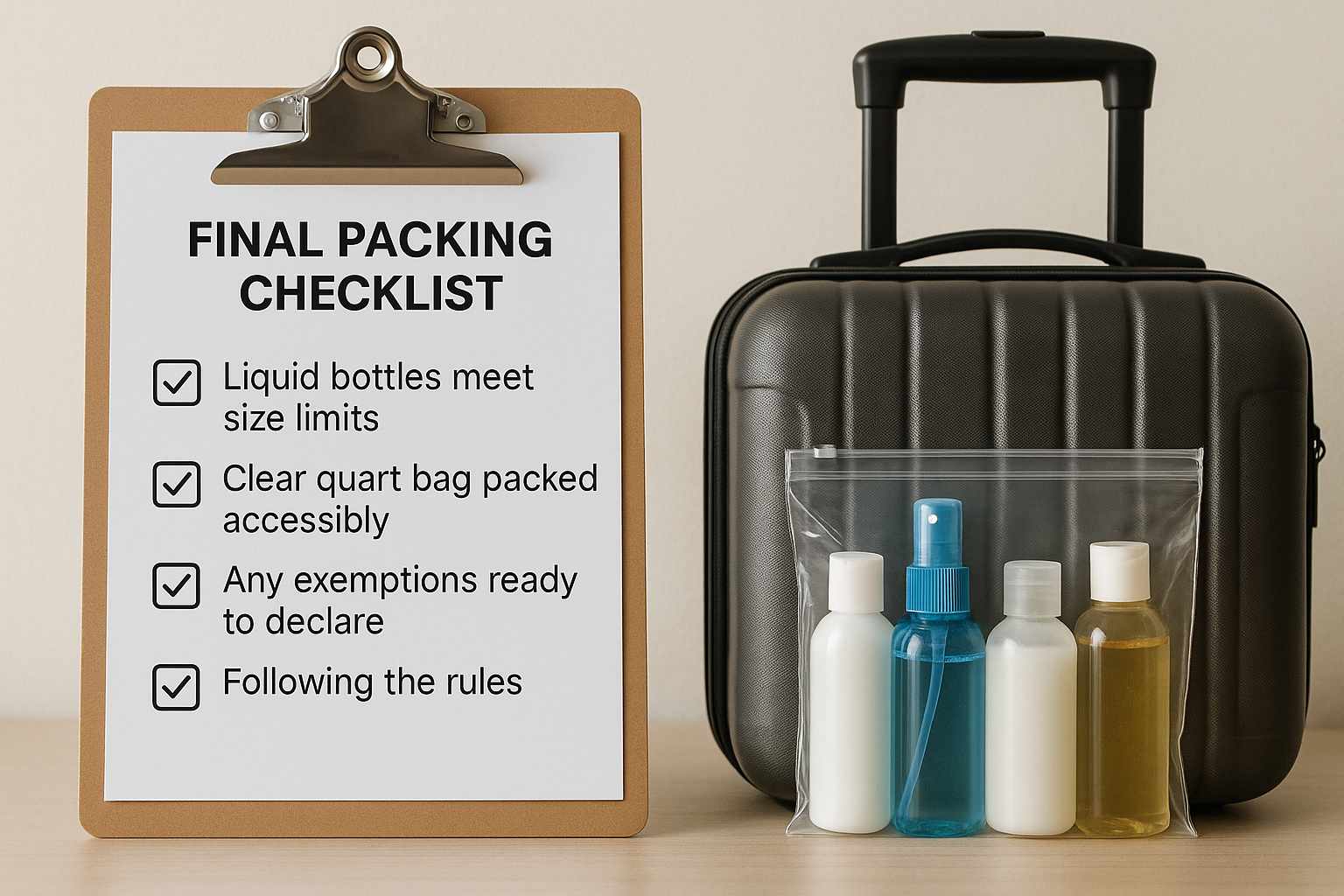
Another idea is to use a packing list to keep track of what you're bringing. This way, you can double-check that you're not exceeding the 3-1-1 limit. It's like having a personal assistant that helps you stay organized and stress-free.
And, finally, don't forget to check with your airline for any specific guidelines they may have. Some airlines may have additional restrictions or recommendations for packing liquids. It's always better to be safe than sorry, right?
In conclusion, packing liquids in your carry-on baggage doesn't have to be a mystery. By understanding the 3-1-1 rule and following a few simple tips, you can breeze through security and enjoy your flight. Happy travels, everyone!


:max_bytes(150000):strip_icc()/liquids-on-a-plane-4046937-FINAL-5ba3d35d4cedfd002506643d.png)