
Size Allowance For Carry On Luggage

As we traverse the globe, either for business or pleasure, one of the most crucial aspects of travel that often gets overlooked until the last minute is the size allowance for carry-on luggage. The concept of carry-on luggage has been around for decades, but its significance and the rules surrounding it have evolved over time. The first carry-on bags were essentially small suitcases or trunks that passengers would carry with them onto the plane, and they were not subject to the strict size and weight restrictions we see today. However, as air travel became more accessible and the number of passengers increased, airlines began to impose stricter rules to ensure efficient boarding and to prevent overhead bins from becoming overcrowded.
The history of carry-on luggage is closely tied to the evolution of air travel itself. In the early days of commercial aviation, passengers were allowed to bring relatively large items onto the plane, which often led to chaos and delays. As the industry grew and safety concerns became more paramount, airlines started to implement size and weight restrictions for carry-on bags. Today, the size allowance for carry-on luggage varies from airline to airline, but most follow similar guidelines set by international aviation authorities. Despite these regulations, many travelers still find themselves unsure about what they can and cannot bring on board, leading to frustration and, in some cases, additional fees.
Understanding the Basics
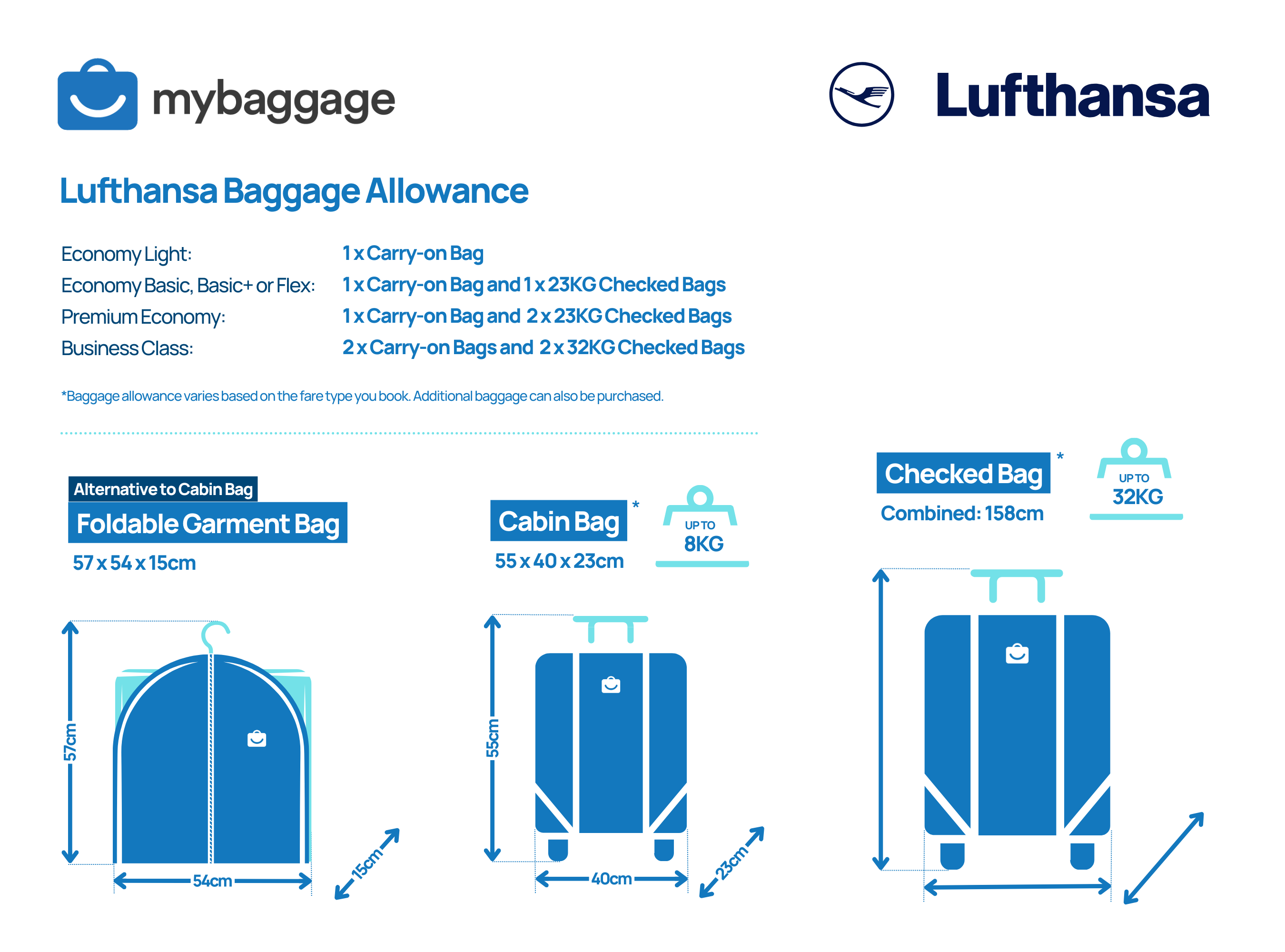
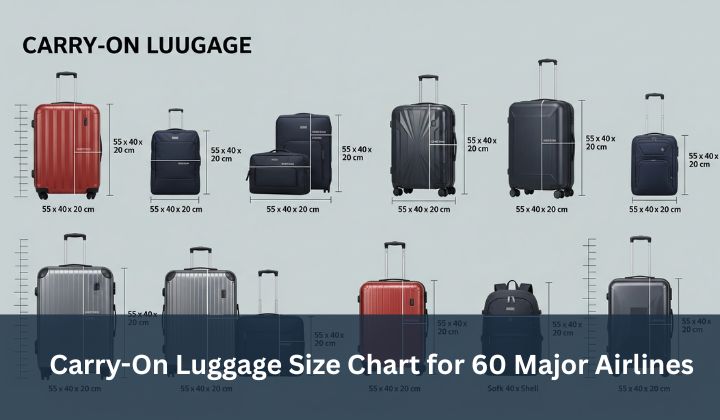
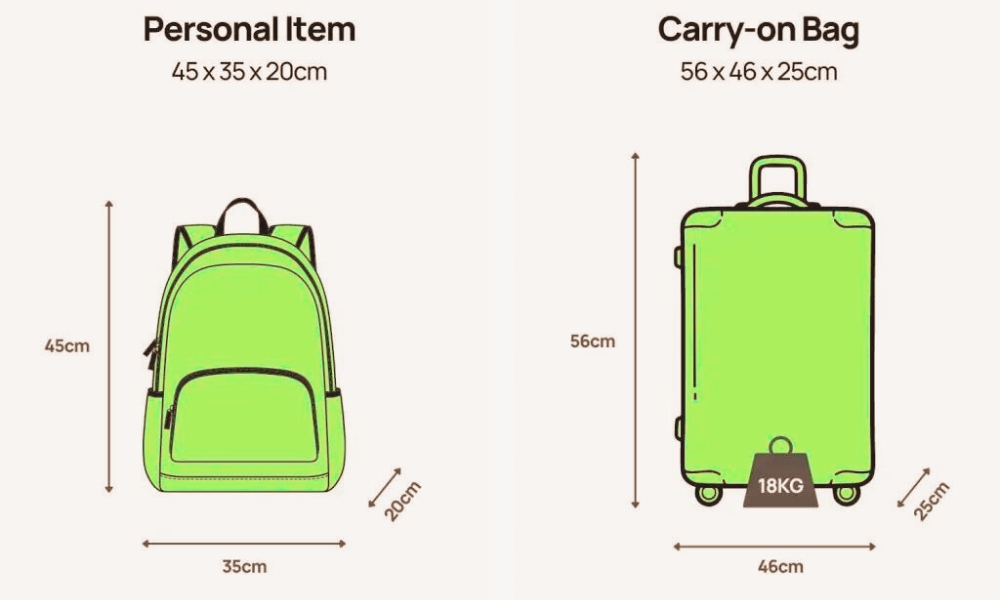
The size allowance for carry-on luggage is determined by each airline, but most airlines adhere to the guidelines recommended by the International Air Transport Association (IATA). These guidelines suggest that carry-on bags should not exceed 22 inches in height, 14 inches in width, and 9 inches in depth. However, it's crucial for travelers to check with their airline before their flight, as some carriers may have slightly different dimensions or additional restrictions. Soft-sided luggage often has an advantage over hard-sided cases because it can be compressed to fit into tight spaces, but both types must comply with the overall size requirements to be considered valid carry-on items.
Must Read
- Heart Of Mexico City Football: Pinpointing The Azteca Stadium Location
- Guadalajara Stadium Parking Guide: Avoid The Matchday Traffic
- Houston Stadium Bag Policy: Clear Bag Rules For Visitors
- Sofi Stadium Capacity: How Many Fans It Can Hold
- Reliant Stadium Parking: A Guide To The Old Name And Current Venue
Beyond the physical dimensions, the psychological aspect of choosing the right carry-on luggage plays a significant role in travel preparation. The psychology of packing is a complex mix of necessity, comfort, and personal style. While some travelers prefer to pack lightly, bringing only the essentials, others like to be prepared for every eventuality, which can lead to overpacking. Understanding one's packing personality and finding a luggage set that accommodates these needs can significantly reduce travel stress. Moreover, the cultural impact of carry-on luggage is evident in the way certain brands have become status symbols, reflecting the owner's taste, travel frequency, and socioeconomic status.
The cultural references to carry-on luggage in film, literature, and social media often portray it as a symbol of adventure, freedom, and sometimes chaos. In movies, the frantic packing of a carry-on bag is a common trope for characters about to embark on a spontaneous journey. On social media, travelers proudly display their luggage, often with destination tags and exotic backdrops, inspiring others to plan their next trip. This blend of practicality and cultural significance makes the size allowance for carry-on luggage not just a mundane travel rule but a reflection of our global, interconnected world.
Practical Considerations and Scenarios
For the frequent traveler, understanding the practical implications of carry-on size allowances is essential. Avoiding checked baggage fees is a primary motivation for many to ensure their luggage fits within the carry-on limits. However, this must be balanced against the need to bring necessary items, especially for longer trips or those requiring specific equipment, like laptops or sports gear. Travelers must develop strategies for efficient packing, including the use of packing cubes, compression bags, and carefully selecting multi-use items to minimize luggage space.
Case studies of airline policies show a wide range of approaches to carry-on luggage. Some budget airlines have very strict policies, charging high fees for any bag that doesn't fit within their specified dimensions, while other airlines offer more lenient rules, allowing for slightly larger bags or more generous personal item allowances. Understanding these policies is crucial for travelers to avoid unexpected charges and ensure a smooth travel experience. Furthermore, the rise of smart luggage, equipped with GPS, charging stations, and other innovative features, presents new considerations for travelers, including compatibility with airline size restrictions and the potential for increased security scrutiny.

Actionable takeaways for travelers include always checking the airline's website for the most current carry-on size and weight restrictions before packing, investing in luggage that is versatile and can fit within multiple airlines' guidelines, and considering the purchase of luggage scales to ensure bags are within the weight limit. Additionally, travelers can pack strategically, placing heavier items at the bottom of the bag and using every available space efficiently, to minimize the risk of having to gate-check their luggage due to size or weight concerns.
Moreover, the impact of carry-on luggage size restrictions on various types of travelers, such as families, business travelers, and adventure seekers, can vary significantly. Families, for instance, might need to pack additional items like diapers, formula, or children's entertainment, which can quickly fill a carry-on bag. Business travelers, on the other hand, often require laptops, suits, and other professional attire, which must be carefully packed to prevent wrinkling and damage. Understanding these different needs and planning accordingly can help each group navigate carry-on restrictions more effectively.
Frequently Asked Questions
What is the standard size allowance for carry-on luggage across most airlines?
The standard size for carry-on luggage, as recommended by the IATA, is 22 inches tall, 14 inches wide, and 9 inches deep. However, it's essential to verify these dimensions with the specific airline, as some may have slightly different requirements. This size allowance is designed to ensure that carry-on bags can fit in the overhead bins or under the seat in front of the passenger, facilitating quicker boarding and deplaning. Understanding and adhering to these size restrictions can significantly impact the travel experience, reducing the likelihood of delays and additional fees.
Can I bring a personal item in addition to my carry-on luggage?
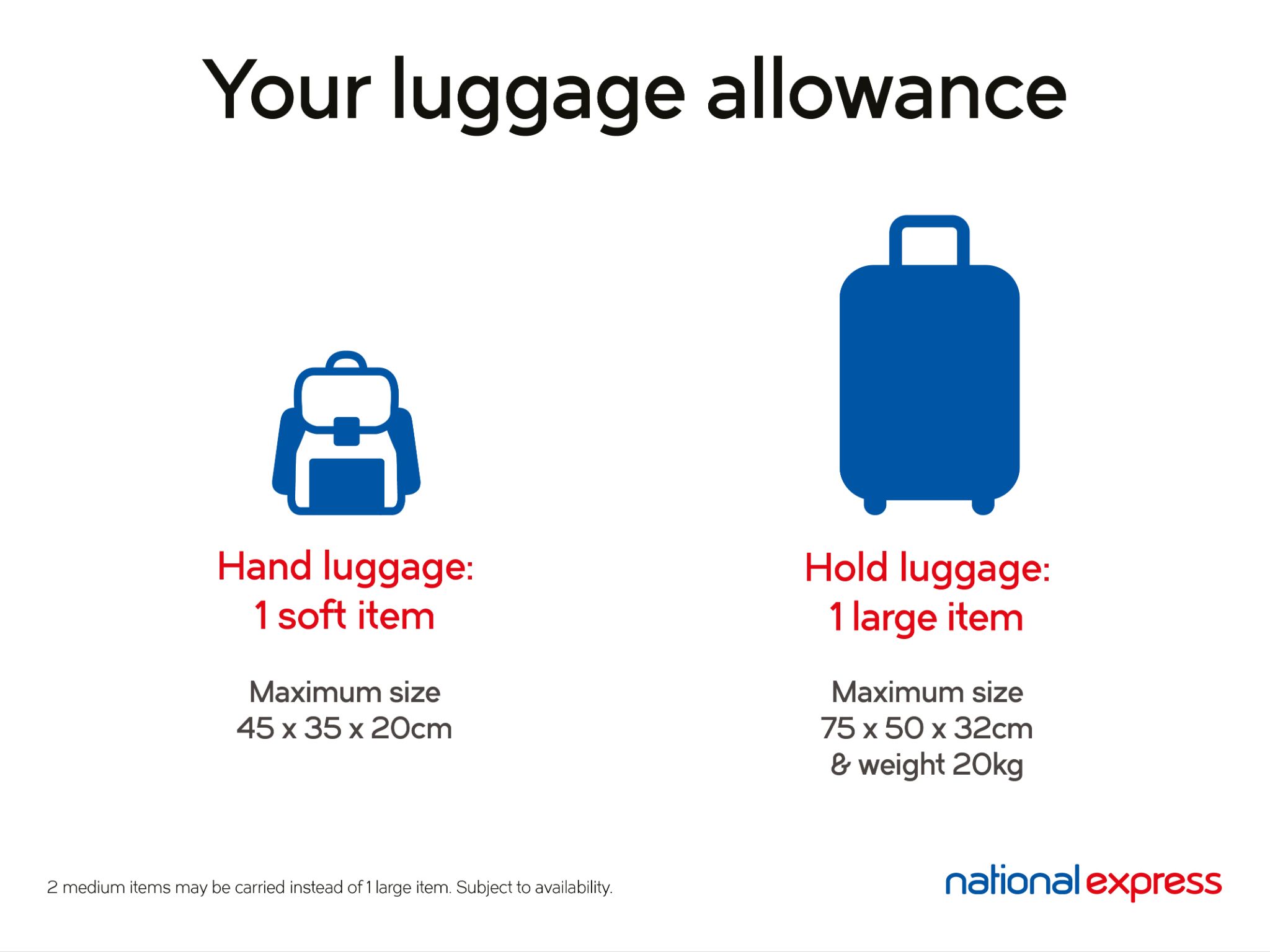
Most airlines allow passengers to bring one carry-on bag and one personal item onto the plane. The personal item can be a purse, briefcase, laptop bag, or a similar small item that fits under the seat in front of the passenger. It's crucial to check the airline's policy on personal items, as some may have specific size restrictions or requirements. Understanding what constitutes a personal item and ensuring it fits within the airline's guidelines can help travelers pack more efficiently and avoid potential issues at the gate.
The distinction between carry-on luggage and personal items is not just about size but also about the type of items and their intended use during the flight. While carry-on bags are typically stored in the overhead bins, personal items are designed to be accessible throughout the flight, containing essentials like passports, medications, and entertainment. By clarifying what can be considered a personal item, travelers can better organize their belongings, ensuring a more comfortable and convenient travel experience.
How do I ensure my carry-on luggage fits in the overhead bin?
To ensure your carry-on luggage fits in the overhead bin, it's a good idea to choose a bag that is specifically designed to fit within the standard airline dimensions. Additionally, packing strategically can make a big difference, as can the direction in which the bag is placed in the bin. Most bags fit best when placed in the bin with the wheels facing towards the back of the plane. If the bin is particularly crowded, airline staff may require some bags to be gate-checked, so it's always a good idea to have a plan for this possibility, including having essentials like medications and valuables in a personal item.
Travelers can also benefit from investing in luggage with 360-degree wheels, which can make maneuvering the bag into tight spaces much easier. Moreover, packing lighter and avoiding overstuffing the bag can ensure it not only fits within the size restrictions but also is easier to handle and store during the flight. By combining thoughtful packing with the right luggage, travelers can minimize potential issues with fitting their carry-on bags in the overhead bins.

Are there any specific items that are not allowed in carry-on luggage?
Yes, there are several items that are not allowed in carry-on luggage due to safety and security regulations. These typically include liquids, gels, and aerosols in containers larger than 3.4 ounces, unless they are in a clear, quart-sized zip-top bag. Other prohibited items can include sharp objects, tools, and certain sporting goods. The lists of prohibited items can vary between airlines and countries, so it's essential to check with the airline and relevant aviation authorities for the most current information before packing.
Understanding what items are prohibited in carry-on luggage is crucial for a smooth security screening process. Travelers should research and prepare by knowing what can and cannot be packed in their carry-on bags, packing essential items in clear, compliant bags, and being ready to remove electronics and liquids from their luggage during security checks. By being informed and compliant, travelers can reduce their wait times and minimize the risk of having items confiscated.
Can I purchase a carry-on bag at the airport if mine does not meet the size requirements?
While it might be possible to purchase a carry-on bag at the airport, this is not always a practical or cost-effective solution. Airports typically have a limited selection of luggage, and the prices can be significantly higher than what you would pay at a retail store. Moreover, the time and stress involved in last-minute luggage shopping can be considerable, especially if you're dealing with a tight connection or an early morning flight. It's generally better to plan ahead and ensure you have a compliant carry-on bag before arriving at the airport.
For those who do find themselves needing to purchase luggage at the airport, it's advisable to have a backup plan, such as knowing where luggage stores are located within the airport or being prepared to gate-check a non-compliant bag. Travelers should also consider investing in a high-quality, versatile carry-on bag that meets most airlines' size requirements, reducing the need for last-minute purchases and minimizing travel hassles.
How do airlines enforce carry-on luggage size restrictions, and what are the consequences of non-compliance?
Airlines enforce carry-on luggage size restrictions through a combination of automated screening technologies and manual inspections at check-in and gateways. Non-compliant bags may be subject to gate-checking, where they are taken at the gate and placed in the cargo hold, or in some cases, may incur additional fees. It's essential for travelers to comply with these restrictions to avoid delays and extra costs. Understanding the enforcement mechanisms and the potential consequences of non-compliance can motivate travelers to choose and pack their carry-on luggage more thoughtfully.
The emphasis on compliance also underscores the importance of communicating effectively with airline staff and other travelers about luggage size and packing strategies. By sharing knowledge and best practices, the travel community can work together to streamline the boarding process, reduce conflicts over luggage space, and enhance the overall travel experience. Furthermore, airlines that clearly communicate their carry-on policies and provide resources for travelers to prepare can foster a more positive and cooperative travel environment.
As we reflect on the significance of carry-on luggage size allowances in our daily lives, it becomes clear that this aspect of travel planning is intertwined with broader themes of convenience, safety, and community. The act of packing a carry-on bag is not just a practical task but also a moment for personal reflection, as we consider what items are truly essential for our journey and how we can efficiently and responsibly transport them. This process of selection and preparation is a microcosm of our approach to travel and life, emphasizing the balance between freedom and responsibility, spontaneity and planning.
The connection to human nature is also evident in the emotional attachment we develop towards our luggage, which often serves as a tangible representation of our travels, experiences, and personal style. The choice of a carry-on bag, its size, color, and features, can say a lot about the traveler, reflecting their values, preferences, and travel frequency. Moreover, the shared experiences and challenges associated with carry-on luggage create a common ground among travelers, fostering a sense of community and camaraderie, especially in the face of travel disruptions or mishaps.
Ultimately, navigating the world of carry-on luggage size allowances requires a blend of awareness, strategy, and flexibility. By understanding the rules, planning meticulously, and being open to adjustments, travelers can turn what might seem like a mundane aspect of travel into an opportunity for self-expression, efficiency, and connection. As the travel landscape continues to evolve, with new technologies, materials, and airline policies emerging, the art of managing carry-on luggage will remain an essential skill for any traveler, combining practicality with personal flair and contributing to a more enjoyable, respectful, and streamlined travel experience for all.
:max_bytes(150000):strip_icc()/carryon-infographic-one-CARRYON1220-cf8c04725c154902b9904f2ef5f257f5.jpg)
