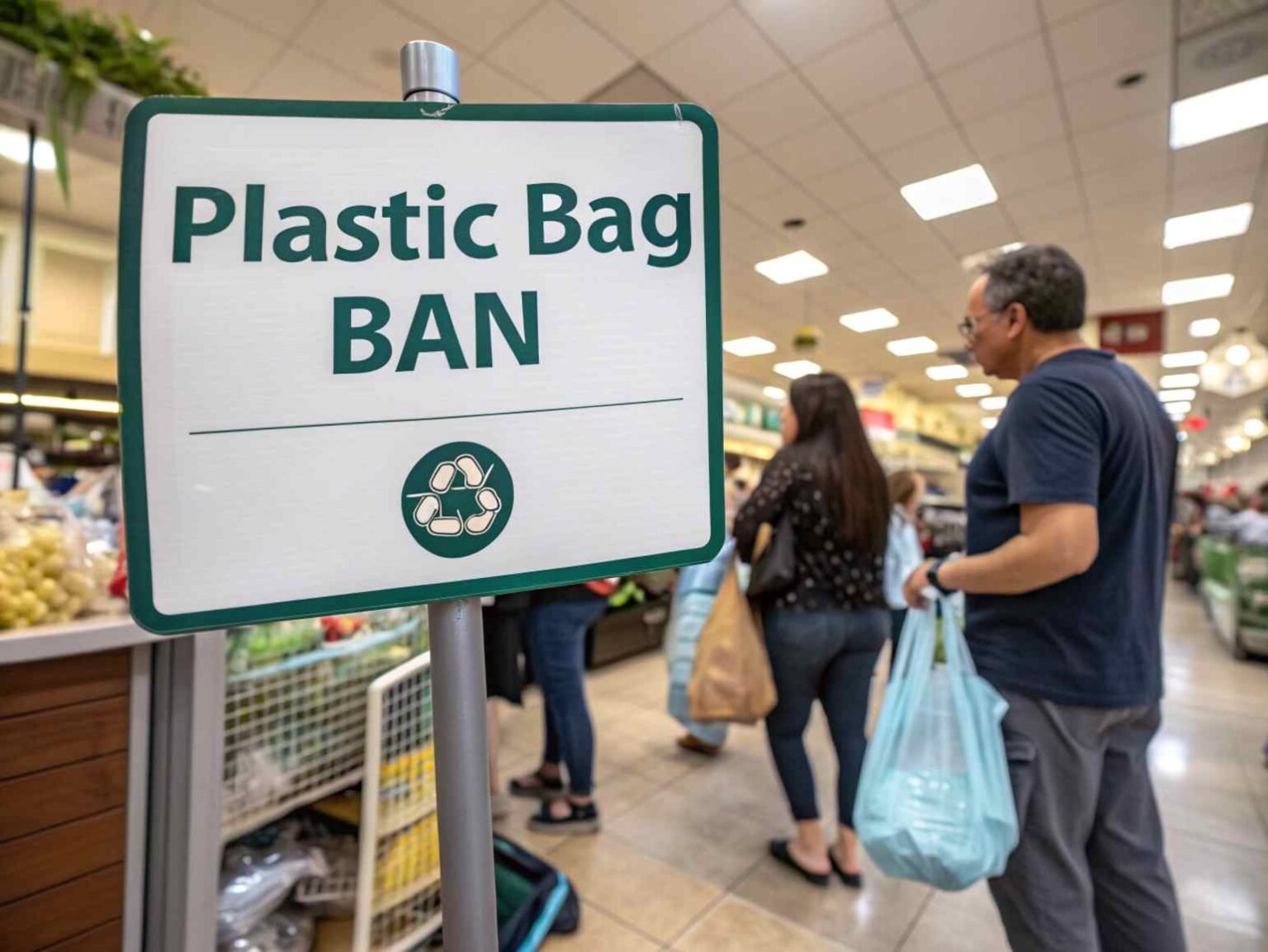
Single-use Plastic Bags Policies In The Us

The use of single-use plastic bags has been a ubiquitous part of American life for decades. It's hard to imagine a time when they weren't readily available at every grocery store, retail shop, and take-out restaurant. However, the story of single-use plastic bags is one of rapid evolution, from their humble beginnings as a convenient solution to the current movement towards their eradication. The first plastic bags were introduced in the 1950s by a Swedish engineer named Sten Gustaf Thulin, who developed a method for creating thin, flexible plastic bags. Initially, these bags were seen as a revolutionary alternative to paper bags, which were prone to tearing and had a larger environmental impact.
As the years passed, the use of single-use plastic bags became increasingly widespread. By the 1970s, they had become a standard feature in supermarkets across the United States. The convenience they offered was undeniable – they were lightweight, inexpensive, and easy to use. Moreover, they seemed like a more sanitary option than reusable bags, which were often made of cloth or other materials that could harbor bacteria. The rise of single-use plastic bags was also closely tied to the growth of the suburban shopping mall and the increasing popularity of car-based transportation. As people began to drive more and shop at larger stores, the need for a convenient, disposable bag solution grew.
Despite their widespread adoption, single-use plastic bags have always had their drawbacks. One of the primary concerns has been their impact on the environment. Plastic bags are made from non-renewable resources, such as petroleum and natural gas, and their production process is energy-intensive. Furthermore, they are often not biodegradable and can take hundreds of years to decompose. The 1980s saw the first wave of opposition to single-use plastic bags, with some cities and states beginning to implement recycling programs and bag bans. However, it wasn't until the 2000s that the movement against single-use plastic bags gained significant momentum, with the introduction of bag fees and bans in cities like San Francisco and Irvine.
Must Read
A Brief History of Single-Use Plastic Bags
The story of single-use plastic bags is also one of forgotten vintage facts and bizarre treatments. In the early days of plastic bag production, bags were often made with a toxic chemical called diethylhexyl phthalate (DEHP), which was later found to be a potential human carcinogen. The 1960s and 1970s also saw the rise of plastic bag-based advertising, with companies printing their logos and slogans on bags to increase brand awareness. This practice, known as "bag branding," was seen as a clever way to reach consumers, but it also contributed to the growing problem of plastic waste.
One of the most bizarre aspects of single-use plastic bag history is the way they were initially marketed as a solution to the problem of paper bag waste. In the 1950s and 1960s, plastic bag manufacturers launched a series of campaigns highlighting the supposed benefits of plastic bags over paper bags. These campaigns often featured comedic advertisements and slogans, such as "Plastic bags are the modern way!" and "Say goodbye to paper bag blues!" The irony, of course, is that single-use plastic bags have become one of the most significant environmental problems of our time.
As the years passed, the production of single-use plastic bags continued to evolve, with new materials and manufacturing processes being developed. The 1990s saw the introduction of biodegradable plastic bags, which were made from plant-based materials like cornstarch and sugarcane. While these bags were marketed as a more environmentally friendly alternative, they have been criticized for their high production costs and limited availability. The 2000s also saw the rise of oxo-degradable plastic bags, which were designed to break down more quickly in the environment. However, these bags have been found to contribute to microplastic pollution and are no longer widely used.
Today, the production of single-use plastic bags is a global industry, with millions of bags being produced every day. The majority of these bags are made from non-renewable resources, such as petroleum and natural gas, and are used for an average of just 12 minutes before being discarded. The impact of single-use plastic bags on the environment is staggering, with millions of bags ending up in oceans and waterways every year. The good news is that there are alternatives available, from reusable bags made from sustainable materials to biodegradable bags made from plant-based plastics.
Modernizing Single-Use Plastic Bag Policies
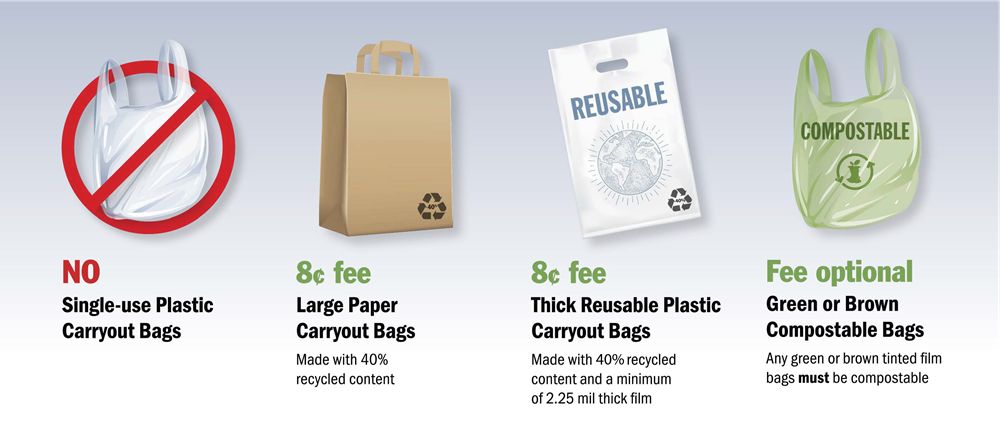
So, how are classic principles of single-use plastic bag policies being hacked or modernized for today's fast-paced world? One approach is the implementation of bag fees or taxes, which have been shown to significantly reduce the use of single-use plastic bags. Cities like London and Dublin have implemented bag fees, with the revenue generated being used to fund environmental initiatives. Another approach is the promotion of reusable bags, which are made from sustainable materials like cotton, jute, and recycled plastics. Many cities and states are now offering incentives for consumers to switch to reusable bags, such as discounts or rewards programs.
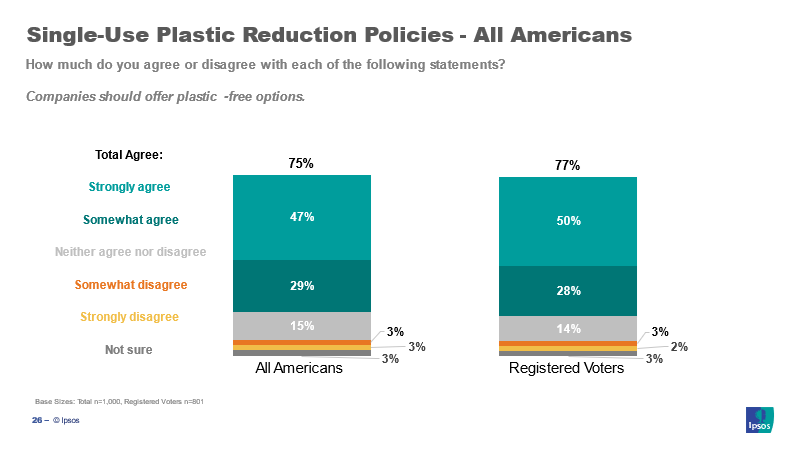
Technology is also playing a key role in the modernization of single-use plastic bag policies. Companies like TerraCycle are developing innovative recycling programs that allow consumers to recycle their plastic bags and other hard-to-recycle materials. Other companies, like Lidl and Aldi, are introducing biodegradable bags made from plant-based materials. These bags are compostable and can be easily decomposed at home, reducing the amount of plastic waste sent to landfills. As consumers become more aware of the environmental impact of single-use plastic bags, there is a growing demand for sustainable alternatives and more effective waste management strategies.
Frequently Asked Questions
What are the environmental impacts of single-use plastic bags?
The environmental impacts of single-use plastic bags are significant and far-reaching. One of the primary concerns is the amount of waste generated by these bags, with millions of bags ending up in oceans and waterways every year. Plastic bags are also made from non-renewable resources, such as petroleum and natural gas, and their production process is energy-intensive. Furthermore, plastic bags are often not biodegradable and can take hundreds of years to decompose. When they do break down, they can release toxic chemicals into the environment, harming marine life and contaminating the food chain.
The impact of single-use plastic bags on marine life is particularly concerning. Sea turtles, whales, and other marine animals often mistake plastic bags for food, ingesting them and suffering from blockages, nutrient deficiencies, and other health problems. Plastic bags also contribute to the growing problem of microplastic pollution, with tiny plastic particles being ingested by small marine animals and working their way up the food chain. To mitigate these impacts, many cities and states are now implementing bag bans or fees, while companies are developing sustainable alternatives like biodegradable bags and reusable bags made from recycled materials.
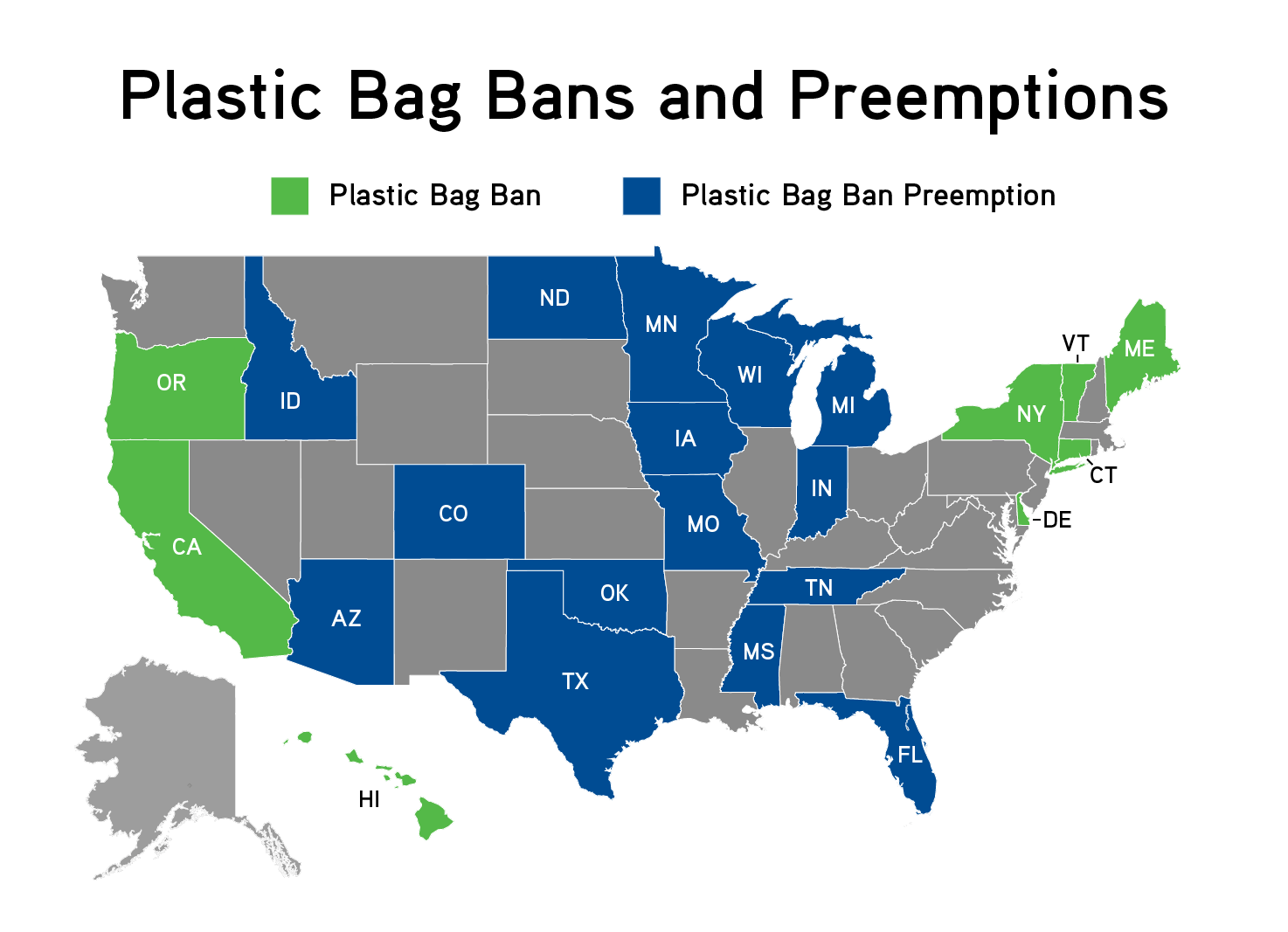
How are cities and states addressing the problem of single-use plastic bags?
Cities and states are addressing the problem of single-use plastic bags through a variety of strategies, from bag bans and fees to education and outreach programs. One approach is to implement a ban on single-use plastic bags, as has been done in cities like San Francisco and New York City. Another approach is to introduce a fee on single-use plastic bags, as has been done in cities like London and Dublin. The revenue generated from these fees can be used to fund environmental initiatives, such as recycling programs and beach cleanups.
Education and outreach programs are also playing a key role in addressing the problem of single-use plastic bags. Many cities and states are now offering workshops, seminars, and other educational events to raise awareness about the impacts of single-use plastic bags and promote sustainable alternatives. Companies are also getting involved, with many retailers offering discounts or rewards for consumers who switch to reusable bags. As consumers become more aware of the environmental impacts of single-use plastic bags, there is a growing demand for sustainable alternatives and more effective waste management strategies.
What are the future prospects for single-use plastic bags?
The future prospects for single-use plastic bags are uncertain, as cities and states continue to implement bans and fees, and companies develop sustainable alternatives. One possible future scenario is a complete ban on single-use plastic bags, with all retailers being required to offer reusable or biodegradable bags instead. Another possible scenario is the development of new, sustainable materials for single-use plastic bags, such as plant-based plastics or compostable bags. As technology continues to evolve, we can expect to see new innovations in the field of sustainable packaging, from edible cutlery to biodegradable bags.

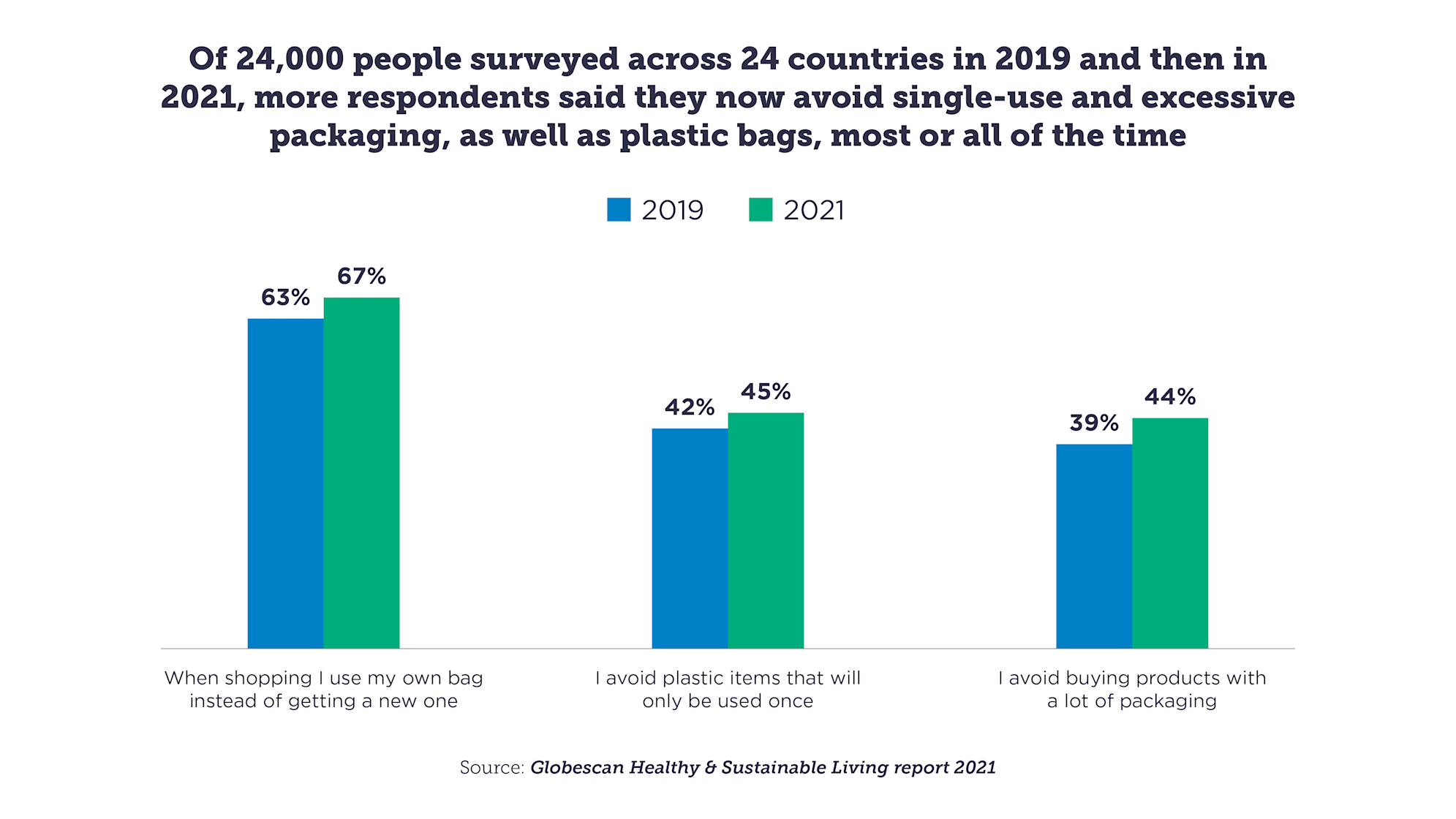
Despite the uncertainty surrounding the future of single-use plastic bags, one thing is clear: the status quo is no longer acceptable. The environmental impacts of single-use plastic bags are too significant, and the demand for sustainable alternatives is too great. As consumers, we have the power to drive change by making conscious choices about the products we use and the companies we support. By choosing reusable bags, buying in bulk, and avoiding products with excess packaging, we can help reduce the amount of plastic waste generated every year. As we look to the future, it's clear that the era of single-use plastic bags is coming to an end, and a new era of sustainability is just beginning.
As we reflect on the evolution of single-use plastic bags, it's clear that their impact on humanity has been significant. From their humble beginnings as a convenient solution to the current movement towards their eradication, single-use plastic bags have played a major role in shaping our consumer culture. However, as we look to the future, it's clear that the environmental impacts of single-use plastic bags can no longer be ignored. The next 20 years will be critical in determining the future of single-use plastic bags, as cities and states continue to implement bans and fees, and companies develop sustainable alternatives.
One possible future scenario is a world where single-use plastic bags are a distant memory, replaced by sustainable alternatives like reusable bags and biodegradable packaging. In this scenario, consumers are educated about the environmental impacts of single-use plastic bags and are empowered to make conscious choices about the products they use. Companies are also incentivized to develop sustainable packaging solutions, and governments play a key role in regulating the use of single-use plastic bags. As we strive towards this future, it's clear that the era of single-use plastic bags is coming to an end, and a new era of sustainability is just beginning. The question is, what will this new era look like, and how will we get there?