Rules For Liquids In Checked Baggage
:max_bytes(150000):strip_icc()/tsa-liquid-rules-carry-on-checked-bag-TSALIQUIDS0622-841fded886324b3e99b7713c8b8ae94b.jpg)
When it comes to traveling, whether for leisure or business, understanding the rules for liquids in checked baggage is crucial to avoid any last-minute hassles or, worse still, having your favorite items confiscated at the airport. The concept of restricting liquids in carry-on and checked baggage has been around for over two decades, traceable back to the early 2000s when security concerns peaked following a series of attempts to use liquids as explosive materials on flights. This period marked a significant shift in air travel regulations, with the Transportation Security Administration (TSA) in the United States and equivalent bodies in other countries enforcing strict guidelines on what could be carried on board and what had to be checked in.
The regulation of liquids in checked baggage, while often seen as an inconvenience, is a vital aspect of ensuring safety in the skies. Over the years, these rules have evolved, with updates reflecting new threats and the development of more sophisticated screening technologies. For travelers, especially those who are frequent fliers, staying abreast of these rules is not just about compliance but also about making the travel experience smoother and less stressful. What many may not realize is that these restrictions also have an impact on the environment, consumer behavior, and even the way businesses operate in the travel and cosmetics industries. This complex interplay highlights the importance of understanding the rules and their implications beyond the airport.
Understanding the Complexity
Delving into the lesser-known facts about the rules for liquids in checked baggage reveals an interesting tapestry of security measures, technological innovations, and consumer adaptations. For instance, the 3-1-1 liquids rule for carry-on bags is well-known, but what's less discussed is how checked baggage is screened and the measures in place to detect potential threats. The use of explosive detection systems (EDS) and explosive trace detection (ETD) machines allows for the screening of checked luggage without needing to open every bag physically. This not only speeds up the process but also enhances security by minimizing human error.
Must Read
The psychological aspect of these regulations also fascinates, as they significantly influence traveler behavior, from the items people choose to pack to the strategies they employ to circumvent restrictions without breaking the rules. For example, the rise of travel-sized toiletries and non-liquid alternatives is a direct response to the restrictions on liquids. This shift has led to a booming market for travel-friendly products, demonstrating how regulatory changes can drive innovation and reshape consumer markets. Furthermore, the cultural impact is evident in how different societies view privacy, security, and the balance between the two. In some cultures, the strict screening processes and restrictions on personal items may be seen as invasive, highlighting the delicate balance airports must strike to ensure both safety and passenger comfort.
As we explore the cultural impact further, it becomes clear that the rules for liquids in checked baggage reflect broader societal values and fears. The post-9/11 era saw a significant increase in security measures worldwide, reflecting a global shift towards prioritizing safety above other considerations. This shift has had profound effects on how we travel, conduct business, and even perceive personal freedoms. The evolution of these rules, therefore, not only mirrors advancements in security technology and intelligence gathering but also represents changing societal norms and the ongoing quest for a balance between liberty and protection.
Practical Considerations and Case Studies
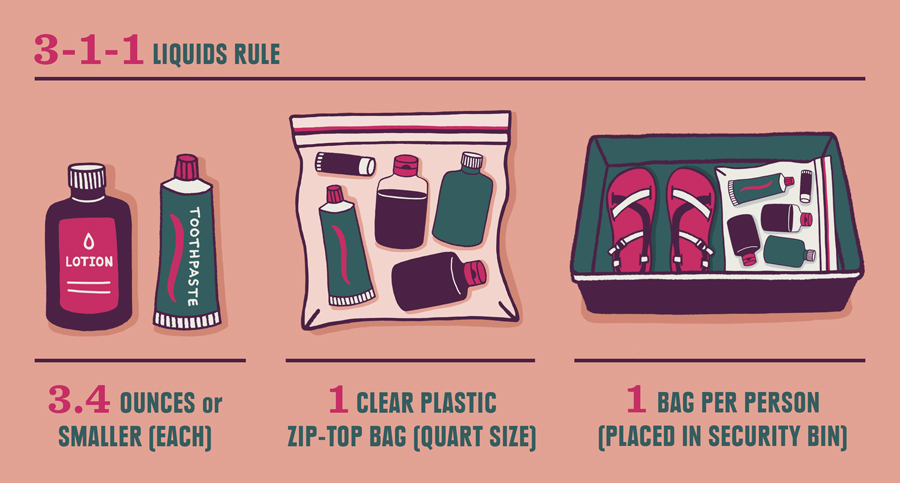
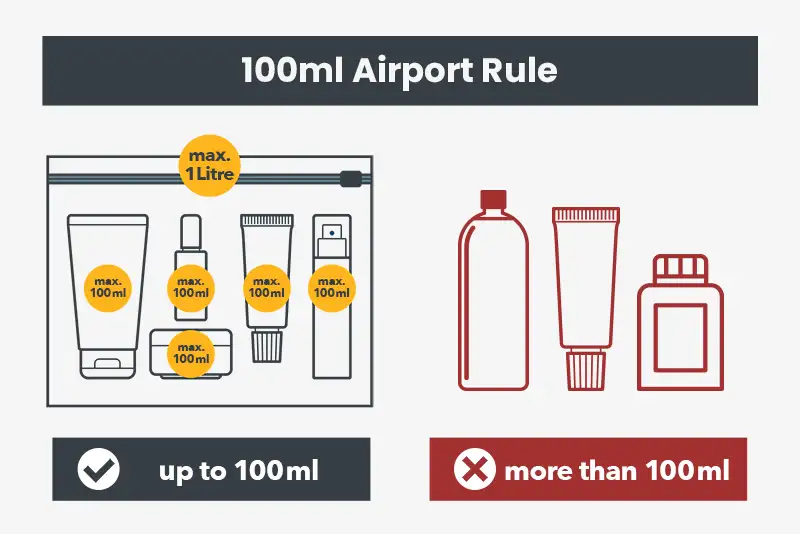
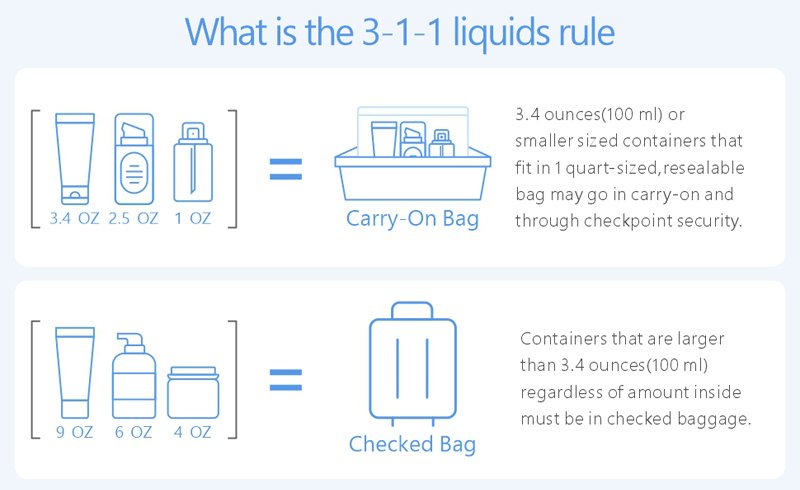
In practice, understanding and adhering to the rules for liquids in checked baggage can make a significant difference in the travel experience. For instance, knowing that liquids, gels, and aerosols must be in containers of 3.4 ounces or less and fit in a clear, quart-sized ziplock bag for carry-on, but can be packed in larger quantities in checked luggage, can help travelers pack more efficiently. This knowledge also helps in planning ahead, such as purchasing toiletries upon arrival at the destination instead of packing them, especially for short trips.
Case studies of airlines and airports that have successfully implemented innovative security measures while enhancing passenger experience are insightful. For example, the use of automated screening lanes that can handle more passengers and bags more quickly has reduced wait times and improved the overall travel experience. Additionally, some airports have introduced smart baggage handling systems that can identify, sort, and even track bags, further enhancing security and efficiency. These innovations demonstrate how technology can be leveraged to make air travel both safer and more convenient.
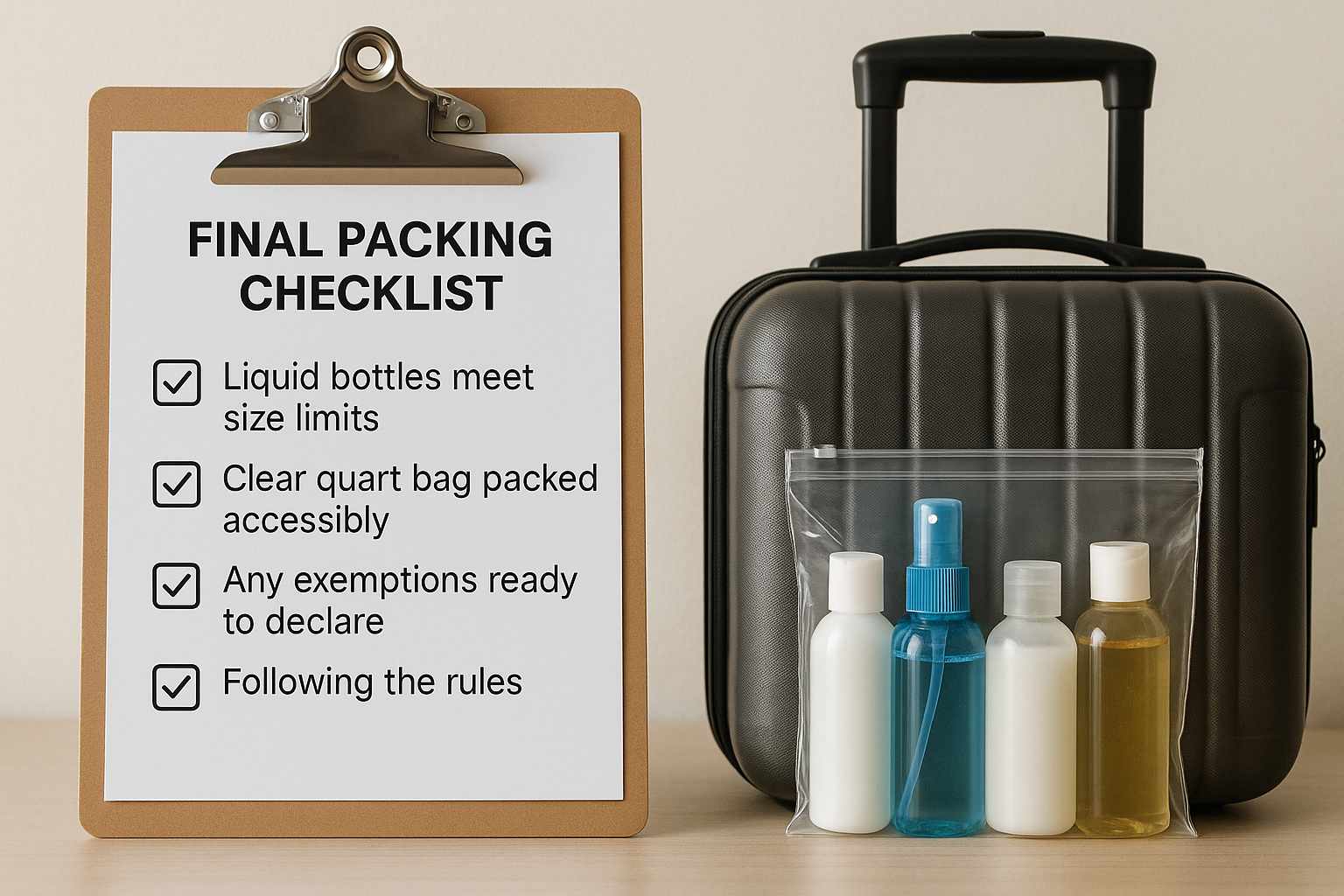
For travelers, having actionable takeaways can significantly reduce stress and make travel planning more manageable. Tips such as packing essential liquids in clear, sealed bags and keeping them easily accessible in case of additional screening can save time. Moreover, understanding that medications and certain essential items are often exempt from these restrictions, provided they are properly declared and documented, can be particularly helpful for those with specific health needs. By staying informed and adapting packing strategies accordingly, travelers can navigate the complex world of air travel regulations with greater ease.
Another critical aspect for travelers, especially frequent fliers, is staying updated on the latest changes to these regulations. Given the dynamic nature of security threats and the constant evolution of screening technologies, what is permissible today may not be tomorrow. Subscribing to travel alerts and security updates from airlines, airports, or governmental agencies can provide travelers with the latest information, enabling them to adjust their packing lists and travel plans accordingly. This proactive approach not only ensures compliance with the rules but also contributes to a smoother, less eventful travel experience.
Frequently Asked Questions
What are the Primary Restrictions on Liquids in Checked Baggage?
The primary restrictions on liquids in checked baggage are less stringent than those for carry-on bags, but it's essential to understand that while larger quantities of liquids are allowed, they must still comply with security regulations and be properly packaged to prevent leakage. The emphasis is on ensuring that any liquid, gel, or aerosol does not pose a security risk. Travelers should check with their airlines for specific guidelines, as these can vary, but generally, the advice is to pack liquids in sealed bags and ensure they are protected against breakage.
In considering these restrictions, it's also worth noting the distinction between checked and carry-on luggage. While carry-on bags are subject to the 3-1-1 rule, checked bags undergo a different screening process, and therefore, the rules are less restrictive. However, items considered hazardous materials, such as certain chemicals or flammable substances, are regulated by different sets of rules altogether and may not be allowed in either checked or carry-on luggage. Understanding these differences is key to packing wisely and avoiding issues during travel.

How Do These Regulations Impact the Environment and Businesses?
The impact of liquid restrictions in checked baggage on the environment and businesses is multifaceted. On the environmental side, the shift towards travel-sized toiletries has led to an increase in packaging waste, highlighting the need for more sustainable practices in the industry. Companies are responding by developing eco-friendly packaging and encouraging the use of refillable containers, which not only reduce waste but also appeal to the growing demographic of environmentally conscious consumers.
For businesses, especially those in the cosmetics and travel sectors, adapting to these regulations has meant innovation and diversification. The market for solid toiletries and non-liquid alternatives has expanded significantly, offering consumers more choices and driving competition among manufacturers. Moreover, airlines and travel companies have had to invest in customer education and compliance measures, further emphasizing the importance of these regulations in shaping the travel industry's landscape.
Can Medications and Essential Items Be Exempt from These Restrictions?
Certain medications and essential items can indeed be exempt from the liquid restrictions in checked baggage, provided they are properly declared and documented. Prescription medications, breast milk, and formula are examples of items that may be allowed in quantities exceeding the standard limits, but it's crucial for travelers to inform security personnel and follow the specified procedures for these items. Having documentation, such as a prescription label or a doctor's note, can facilitate the screening process and prevent unnecessary delays.
The approach to these items underscores the balance between security and passenger needs. By allowing exemptions for essential items while maintaining rigorous security protocols, airports and airlines aim to ensure that all passengers, including those with specific health requirements, can travel safely and with minimal inconvenience. It's a testament to how regulations can be tailored to accommodate different needs without compromising on safety.

How Do Different Countries and Airlines Interpret These Regulations?
The interpretation and enforcement of liquid restrictions in checked baggage can vary significantly between countries and airlines. While there are international standards and guidelines, such as those set by the International Air Transport Association (IATA) and the International Civil Aviation Organization (ICAO), local regulations and airline policies can differ. For instance, some countries may have stricter rules due to specific security concerns, while others may be more lenient. Airlines, too, may have their own set of rules and recommendations for passengers, reflecting their operational practices and risk assessments.
Understanding these variations is vital for international travelers, who may face different requirements depending on their destination and the airlines they use. Checking the specific regulations of the countries they are traveling to and from, as well as the policies of their airlines, can help travelers pack appropriately and avoid potential issues during their journey. This emphasizes the importance of research and preparation in navigating the complex world of air travel regulations.
What Role Does Technology Play in Screening Liquids in Checked Baggage?
Technology plays a pivotal role in the screening of liquids in checked baggage, enabling the efficient and effective detection of potential threats without the need for manual searches of every bag. Explosive Detection Systems (EDS) and Explosive Trace Detection (ETD) machines are among the technologies used, capable of identifying trace amounts of explosives and other hazardous materials. These systems have significantly enhanced airport security, allowing for the processing of large volumes of baggage while maintaining high levels of safety.
The continuous advancement of screening technologies is crucial in responding to evolving security threats and improving the travel experience. For example, the development of artificial intelligence (AI) and machine learning (ML) algorithms to aid in the detection process promises to further increase efficiency and accuracy. By leveraging technology, airports can streamline their operations, reduce wait times, and provide a safer environment for all passengers, highlighting the integral role of innovation in air travel security.
/can-i-carry-liquids-in-checked-baggage-2972625-revision-5b0ea932eb97de0037839d6a.png)
How Will These Regulations Evolve in the Future?
The evolution of regulations regarding liquids in checked baggage will likely be influenced by advancements in screening technologies, changes in security threats, and shifts in societal attitudes towards security and privacy. As biometric technologies and advanced scanning systems become more prevalent, we can expect to see more streamlined and efficient security processes. Moreover, the use of data analytics and intelligence gathering will play a critical role in identifying and mitigating potential threats before they reach the airport.
In the future, we may also see a greater emphasis on sustainable security practices, where the environmental impact of security measures is considered alongside their effectiveness. This could lead to the development of more eco-friendly packaging solutions and a reduction in waste generated by security protocols. By embracing innovation and considering the broader implications of their actions, regulatory bodies, airlines, and airports can work towards creating a safer, more sustainable, and passenger-centric air travel experience.
Reflections and Conclusion
Reflecting on the rules for liquids in checked baggage, it's clear that these regulations are more than just a set of guidelines for travelers; they represent a complex interplay of security, technology, consumer behavior, and societal values. As we navigate the ever-changing landscape of air travel, understanding these rules and their implications is crucial for ensuring both safety and the convenience of passengers. By embracing the challenges and opportunities presented by these regulations, we can work towards a future where air travel is not only safer but also more enjoyable and sustainable for all.
The connection between these regulations and human nature is also noteworthy. Our desire for safety and security, coupled with our need for freedom and convenience, creates a delicate balance that air travel regulations must address. As we continue to evolve as a society, with new technologies and innovations emerging, our approach to security and travel will undoubtedly change. However, the core principles of ensuring safety while respecting individual freedoms will remain at the heart of these regulations, guiding how we travel and interact with the world around us.
In conclusion, the rules for liquids in checked baggage serve as a fascinating lens through which we can examine broader issues of security, innovation, and societal trends. As travelers, being aware of these regulations and their implications can make our journeys smoother and contribute to the ongoing dialogue about the future of air travel. By combining technological advancements, sustainable practices, and a deep understanding of human behavior, we can create a travel experience that is both secure and enjoyable, reflecting our aspirations for a safer, more interconnected world.